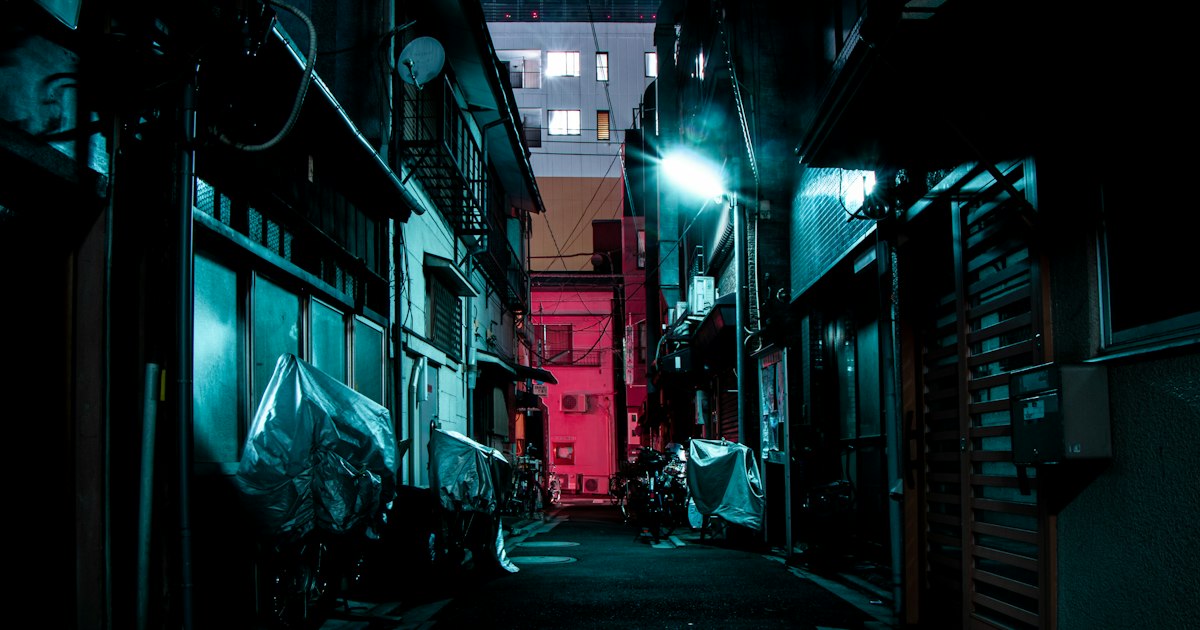
Photo by Frank Okay on Unsplash
Most visitors to Tokyo never make it to Takadanobaba, and that’s exactly why it’s worth the detour. Squeezed between Shinjuku and Ikebukuro on the Yamanote Line, this is a working student neighborhood built around Waseda University — which means cheap, filling food, a genuine retro gaming scene, and almost none of the tourist pricing you’ll find in Shibuya or Shinjuku. It’s not a postcard destination; it’s a place to eat well on a budget and see a slice of everyday Tokyo life.
Where Takadanobaba Is and How to Get There
Takadanobaba Station sits on the JR Yamanote Line, about 5 minutes from Shinjuku and 5 minutes from Ikebukuro, so it’s easy to fold into a day that includes either of those hubs. The Tozai subway line and the Seibu Shinjuku Line also stop here, the latter being the fastest route if you’re coming from the Seibu-Shinjuku side of the city. There’s no need to buy a special ticket or pass — a regular IC card (Suica or Pasmo) covers all three lines.
One detail worth knowing before you arrive: the station’s departure melody is the theme song from Astro Boy (Tetsuwan Atom). Tezuka Osamu’s animation studio, Mushi Production, was based near here in the 1960s, and the neighborhood still leans into the connection with character banners and signage around the station. It’s a small, easily missed detail that makes the area feel distinct from Tokyo’s more polished entertainment districts.
The Ramen Scene: Cheap, Filling, and Student-Priced
Takadanobaba has one of the highest concentrations of ramen shops per block in Tokyo, a direct result of feeding tens of thousands of Waseda students on a budget. Bowls commonly run ¥700–¥950, noticeably cheaper than equivalent shops in central Tokyo, and portions tend to be generous — many shops offer free or cheap rice refills (kaedama-style extras) aimed squarely at hungry 20-year-olds.
You’ll find a real mix of styles within a five-minute walk of the station: shoyu and tonkotsu shops, a few tsukemen (dipping noodle) specialists, and the kind of no-frills counter-seating spots where you order from a ticket machine, slurp, and leave within 15 minutes. There’s no single “must-visit” shop that dominates the area — part of the fun is picking whichever line looks shortest and most local. Lunch (roughly 11:30am–2pm) and late evening (after 9pm, once arcade and club crowds get hungry) are the busiest windows; a 3pm or late-afternoon visit will get you a seat with no wait.
If you’re staying nearby and want a night off from going out, it’s worth knowing that Uber Eats and Demae-can both cover this area well, since it’s dense with restaurants that cater to a delivery-heavy student population — useful if you’re jet-lagged and don’t want to deal with a crowded counter.
Retro Arcades: Mikado and the Gaming Underground
Takadanobaba’s other claim to fame is its arcade scene, and the centerpiece is Game In Mikado, a multi-floor retro game center that’s internationally known among classic arcade and fighting game enthusiasts. Unlike the flashy, crane-game-dominated arcades in Akihabara or Shibuya, Mikado preserves genuinely old cabinets — shoot-’em-ups, beat-’em-ups, and classic fighting games from the 1980s and ’90s — alongside a serious competitive fighting-game community that plays there daily. It’s a working arcade, not a museum, so don’t be surprised to see intense, high-level matches happening at the cabinets next to casual tourists.
Most machines cost ¥100 per play, consistent with old-school arcade pricing rather than the inflated rates you sometimes see in more touristed areas. If you have even a passing interest in classic video games, this is one of the few places left in Tokyo where you can play the originals on original hardware, not emulators. Go on a weekday afternoon if you want to watch without the evening crowd; weekend evenings are when the competitive scene is in full swing and the place is loudest and liveliest.
Best Time to Visit
Takadanobaba is a year-round destination since it’s mostly indoor dining and gaming, but a few timing notes matter. During university breaks — late July through September, and again around late December to early February — the student population thins out and some shops run shorter hours or close for a stretch, so the area feels quieter than its usual buzz. If you’re visiting in peak summer, remember that Tokyo heat is genuinely dangerous for midday walking between shops; check Japan’s extreme heat warning guidance before planning an afternoon of ramen-hopping on foot in July or August, and lean toward evening visits instead.
If your trip happens to fall during Obon in mid-August, note that this is also one of the few times university-area businesses may run reduced hours alongside the national travel crunch — worth checking what to expect during Obon travel if that’s part of your itinerary.
Budget, Mid-Range, and Splurge Options
- Budget: A ramen bowl (¥700–¥950) plus ¥100–¥300 in arcade plays makes for a full afternoon under ¥1,200. Standing-counter izakaya near the station also serve small plates from around ¥300–¥500, popular with students stretching a night out.
- Mid-range: Sit-down izakaya with table service and a full drink menu run ¥2,500–¥4,000 per person for a casual dinner with a few rounds of drinks — comparable to most Tokyo neighborhoods, just with smaller crowds.
- Splurge: There isn’t much of a high-end dining scene in Takadanobaba itself — that’s not really what the neighborhood is for. If you want a proper splurge meal, it’s a five-minute train ride to Shinjuku, where the options scale up considerably.
Common Mistakes to Avoid
- Treating it as a half-day trip from central Tokyo without a plan. Takadanobaba rewards wandering more than box-checking — there’s no single landmark to rush to, so build in time to just walk the side streets around the station.
- Showing up at lunch on a weekday expecting arcade energy. Mikado and the other game centers are at their liveliest in the evening and on weekends; midday is mostly students between classes.
- Expecting English menus everywhere. This is a local, not touristy, neighborhood — many ramen shops use ticket machines with Japanese-only buttons. Pointing at a photo or asking a neighbor what they ordered works fine, and it’s part of the experience.
- Skipping cash. While more shops accept IC cards now, some of the smaller ramen counters and standing bars are still cash-only, so carry a few thousand yen in small bills.
Takadanobaba won’t show up on most first-timer itineraries, and that’s precisely its appeal: cheap, honest food, a genuinely niche arcade scene, and a neighborhood that’s still organized around real students rather than tourists. Pair it with a Shinjuku or Ikebukuro day and you’ll see a side of Tokyo that most visitors miss entirely.