Photo by Jezael Melgoza on Unsplash
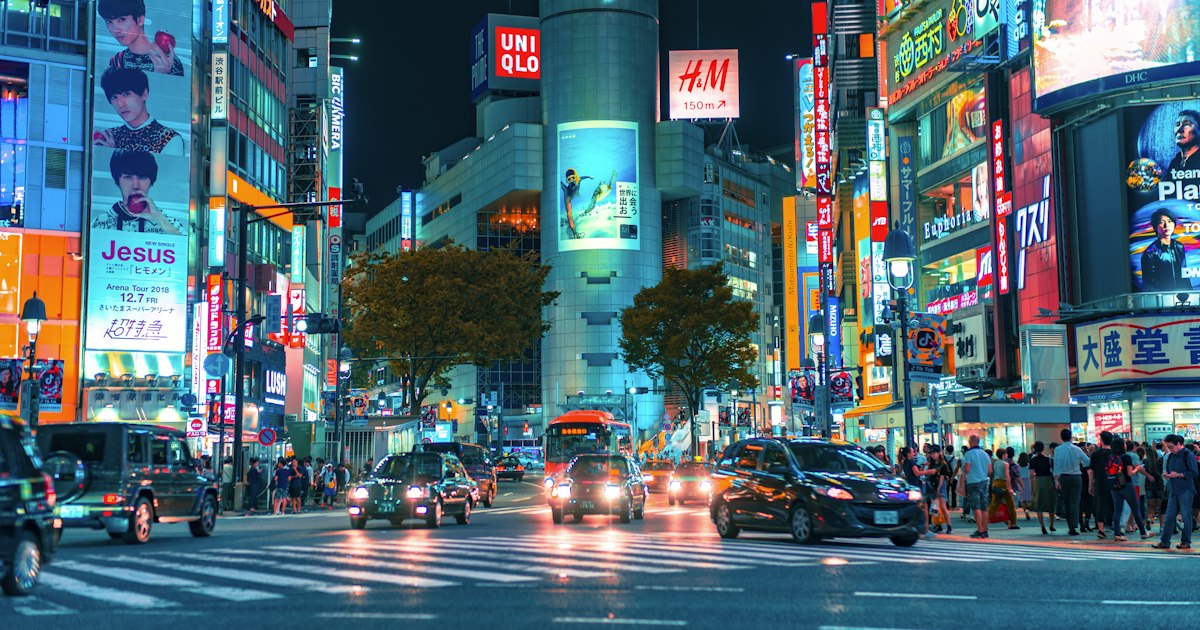
Kabukicho is the beating, blinking heart of Shinjuku’s nightlife — a few square blocks packed with izakaya, host and hostess clubs, karaoke towers, pachinko parlors, and the giant Godzilla head glaring down from the Toho Cinemas building. It’s also Japan’s most notorious hunting ground for tourist scams, which scares some visitors off entirely. That’s a shame, because with a few basic precautions, Kabukicho is a perfectly safe, genuinely fun night out — Japan’s violent crime rate is vanishingly low even here. The danger isn’t physical; it’s financial, and it’s avoidable if you know what to watch for.
Getting There and When to Go
Kabukicho sits immediately north of JR Shinjuku Station’s East Exit (Higashi-guchi) — walk past the Studio Alta area and you’re there within five minutes. The nearest exits are Seibu-Shinjuku Station (right at the district’s edge) or Shinjuku Sanchome Station on the Marunouchi, Shinjuku, and Fukutoshin lines, about a 3-minute walk.
The area is quiet-ish until around 7pm, then builds steadily until it peaks between 10pm and midnight on weekends. Last trains out of Shinjuku run until roughly 12:30-1am, after which taxis queue up but surge in price — budget around 2,000-3,000 JPY for a short ride to a nearby hotel if you miss the last train. Weeknights (Tuesday-Thursday) are noticeably calmer and easier to navigate than Friday or Saturday, which is worth considering if you want to look around without the full crowd crush.
What’s Actually There
Most of what you’ll want as a visitor clusters into a few categories:
- Izakaya and standing bars — casual Japanese pubs with food and drink, typically 3,000-5,000 JPY per person for a full evening including several rounds and shared plates.
- Golden Gai — a separate, atmospheric cluster of roughly 200 tiny bars packed into narrow alleys just south of Kabukicho proper. Many seat only 6-10 people and charge a seating fee (table charge) of 500-1,500 JPY on top of drinks; a sign reading “No Charge” or “Tourist Welcome” out front usually means they’re used to foreign visitors and English menus. Golden Gai is touristy by Tokyo standards but still one of the most atmospheric places in the city for a drink.
- Karaoke boxes — chains like Karaoke Kan or Big Echo charge roughly 300-600 JPY per person per 30 minutes on weeknights, more on weekends, often with a one-drink minimum.
- Robot Restaurant — the much-photographed robot cabaret show closed its original Kabukicho venue in 2023, though a touring/pop-up version has appeared elsewhere; don’t plan a trip around finding it in Kabukicho itself.
- Host and hostess clubs — these exist primarily for a Japanese clientele and are where most tourist trouble originates (see below). They’re not illegal or inherently dangerous, but they’re not designed for casual foreign walk-ins either.
The Scams to Actually Watch For
Kabukicho’s reputation comes almost entirely from one pattern: a friendly tout (客引き, kyakuhiki) on the street invites you to a bar with “cheap drinks” or a “friendly” girl/host to chat with. You go in, have a drink or two, and the bill arrives for 30,000-100,000+ JPY, with the exit blocked by staff until you pay. This happens to tourists and locals alike, and it is the single most common complaint filed with Shinjuku police.
The fix is simple: never follow anyone who approaches you on the street, no matter how friendly, fluent in English, or legitimate-looking their flyer is. Legitimate bars don’t need to recruit customers off the sidewalk. Touting was actually made illegal in Kabukicho under a 2023 ordinance, and police patrol visibly, but enforcement can’t catch everyone — the rule is on you to simply walk past and ignore the approach entirely, even if they fall into step beside you. If you want a specific bar, look it up and walk there directly, or ask staff at your hotel for a recommendation.
A second-tier issue is non-touted bars with hidden table charges or “VIP seat” surcharges that aren’t on the menu. Always check that a printed menu shows prices before ordering, and ask “table charge arimasu ka?” (is there a seating charge?) if it’s unclear. Reputable izakaya and Golden Gai bars post prices clearly.
Money and Payment
Many of Kabukicho’s smaller bars, including most of Golden Gai, are cash-only, so don’t count on tapping a card at the counter. Pull out cash in advance — the 7-Bank ATMs at 7-Eleven are everywhere in Shinjuku and reliably accept foreign cards with reasonable fees. For the izakaya chains and bigger bars that do take cards, make sure you’re carrying one from the best no-foreign-transaction-fee credit cards list so you’re not losing a few percent on every round. As a rule of thumb, carry 8,000-10,000 JPY in cash for a night out covering a couple of bars and a karaoke session, more if Golden Gai is on the itinerary.
Budget, Mid-Range, and Splurge Nights
Budget (under 3,000 JPY): A standing bar or chain izakaya like Torikizoku, where most items and drinks run 350-500 JPY, plus one karaoke session split between friends.
Mid-range (5,000-10,000 JPY): A proper izakaya dinner with several rounds of drinks, followed by one or two Golden Gai bars with their seating charges.
Splurge (15,000 JPY+): A reserved table at a themed bar or a members-oriented lounge, or a full night bouncing between several Golden Gai spots with premium whisky pours.
Common Mistakes to Avoid
- Walking the main strip alone late at night while visibly drunk — not because of violent crime, but because it makes you the easiest target for a tout’s pitch.
- Agreeing to “just come look” at a club menu — this is the standard opening line before the bill shock.
- Photographing the Toho/Godzilla building and Kabukicho signage at night is fine and extremely popular, but avoid photographing individual club entrances, staff, or hostesses/hosts without permission — some venues are sensitive about this and will say so directly.
- Assuming the whole district is seedy — most of the footprint is ordinary restaurants, karaoke, and arcades; the host/hostess club scene is a small, specific slice of it.
If you’d rather ease into Tokyo’s after-dark scene somewhere lower-key before tackling Kabukicho’s neon chaos, a jazz kissa elsewhere in the city is the polar opposite experience — hushed, vinyl-only, and scam-free by design. And if you need a nicotine break between bars, note that Japan’s street smoking ban means you’ll want to find one of the designated smoking areas rather than lighting up on the sidewalk, which is enforced with on-the-spot fines in parts of Shinjuku.
Handled with a bit of street sense, Kabukicho delivers exactly what its reputation promises — sensory overload, great cheap food, and some of the most photogenic streets in Tokyo — without the horror stories, as long as you keep walking when someone calls out “hey, free drink!”