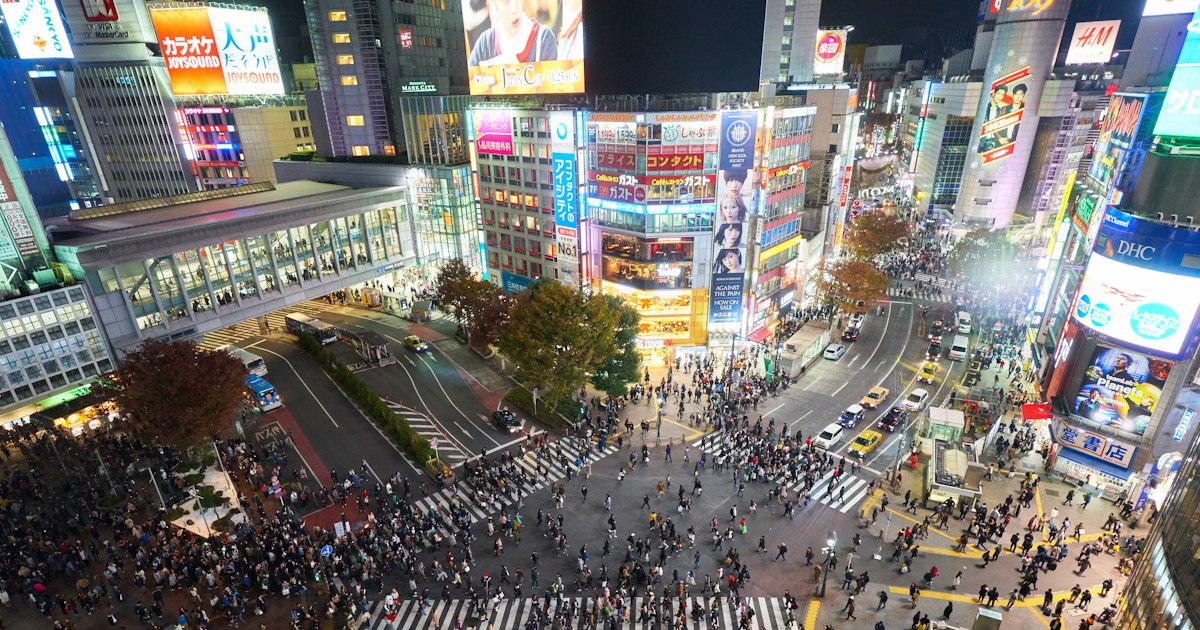
Photo by Timo Volz on Unsplash
Every December, a line forms on a Ginza sidewalk that has nothing to do with sushi, flagship boutiques, or seasonal illuminations. People stand for hours, sometimes overnight in sleeping bags, to buy a 300-yen piece of paper at a single lottery booth. That’s takarakuji, Japan’s government-run lottery, and the booth is the Nishi-Ginza Chance Center — reputedly the luckiest ticket window in the country. If you’re in Tokyo between mid-November and New Year’s Eve, it’s a genuinely fun, low-cost cultural experience, and this guide covers exactly how to buy a ticket, what the odds and prizes look like, and how not to waste your trip standing in the wrong line.
What Is Takarakuji, and Can Tourists Buy One?
Takarakuji (宝くじ) is Japan’s legal, government-authorized lottery system, sold through local governments and administered through Mizuho Bank. Tickets are anonymous bearer instruments — you don’t need a My Number card, residency status, or even a passport to buy one. You just need cash. That makes it one of the few forms of legal wagering in Japan that’s genuinely open to any visitor off the street, alongside things like public bicycle and boat racing; if you’re curious about Japan’s other legal betting options, our guide to keirin and kyotei racing covers the two main alternatives.
Because the ticket itself is the only proof of ownership — there’s no registration tied to your name — losing it means losing any prize attached to it, with no way to recover it. Photograph both sides of your ticket and keep the original somewhere safe.
The Year-End Jumbo: Japan’s Biggest Draw of the Year
Takarakuji runs several “Jumbo” lotteries a year, but the Year-End Jumbo (年末ジャンボ, Toshi Jumbo) is the biggest by far, roughly equivalent to a Christmas/New Year’s lottery special. Tickets typically go on sale in mid-to-late November and are sold right up through December 31, with the drawing broadcast that same evening. In recent years the top prize has run around ¥700 million, with an additional “front/back number” bonus prize of around ¥150 million awarded to tickets numbered just before or after the winning number — meaning a single winning set can pay out close to ¥1 billion combined. Below that sit several more tiers down to smaller cash prizes, so plenty of tickets pay out something even if you’re not chasing the jackpot.
Why Everyone Lines Up at the Nishi-Ginza Chance Center
Lottery booths exist at major stations and shopping streets all over Japan, but one has built an outsized reputation: the Nishi-Ginza Chance Center (西銀座チャンスセンター), a freestanding kiosk near the Sukiyabashi crossing in Ginza. Over the decades it’s reportedly sold more billion-yen winning tickets than any other single location in Japan, and that track record has turned it into a folk-superstition pilgrimage site — especially its Window No. 1, which many regulars specifically queue for, believing it to be the luckiest of the booth’s several ticket windows.
To be clear: every takarakuji ticket nationwide is drawn from the same pool with the same odds, no matter where you buy it. The Ginza booth isn’t statistically luckier — it’s culturally lucky, the way a specific shrine or a specific seat at a stadium becomes “the” place people believe in. That doesn’t make the experience less fun; it just means you shouldn’t expect better math, only a better story.
How to Buy: Ticket Types, Prices, and Smart Choices
Standard Jumbo tickets cost ¥300 each. Rather than buying loose singles, most people buy a “set” of 10 tickets for ¥3,000, and here’s where a real decision matters:
- Budget: a single ticket (¥300) — fine if you just want a souvenir-style shot at the jackpot with minimal spend.
- Mid-range: a 10-ticket set, either 連番 (renban, consecutive numbers) or バラ (bara, scattered numbers) for ¥3,000 — renban gives you a shot at the full front/back bonus prize if your set wins (since the numbers run consecutively around the winner), while bara spreads your numbers out, improving your odds of catching at least one smaller prize somewhere in the draw. Tell the clerk “renban” or “bara” and how many sets you want.
- Splurge: multiple sets (10 sets = ¥30,000 and up) — serious regulars buy several renban sets specifically to maximize the chance of landing the bonus prize tier, though the expected return doesn’t scale any better than smaller purchases — it’s a bigger bet, not a smarter one.
Getting There and Timing Your Visit
The Nishi-Ginza Chance Center sits right at the Sukiyabashi intersection in Ginza, about a 2-3 minute walk from Ginza Station (Exit C2, served by the Ginza, Marunouchi, and Hibiya subway lines) or from Yurakucho Station’s Ginza exit. Opening hours shift through the season and tend to be shorter on weekends and right around the final sales deadline — check the hours posted on the booth itself or on Mizuho Bank’s official takarakuji site before you go, since showing up at the wrong hour is the single most common disappointment people report.
The queue builds steadily as December 31 approaches, with the worst waits — sometimes several hours — on the final weekend before the deadline. If you want the experience without the multi-hour wait, go on a weekday morning in late November or early December, shortly after sales open for the day. While you wait (or after), Ginza itself rewards a wander, and the Maruzen flagship in nearby Nihonbashi — about a 20-minute walk or one subway stop away — is a good spot to browse English-language books if you need something to pass the time; see our guide to where to buy English-language books in Japan for other options around Tokyo.
Common Mistakes to Avoid
- Assuming you need ID or residency to buy. You don’t — it’s cash, no questions asked.
- Losing or damaging the ticket. There’s no backup record of ownership. Treat it like cash, not a receipt.
- Missing the claim deadline. Winning tickets must be redeemed within one year of the draw date, or the prize is forfeited entirely — no exceptions, no extensions.
- Showing up on a day the booth is closed or on reduced hours. Lottery booths don’t run identical hours year-round, and the final sales day often has a hard cutoff time, sometimes mid-afternoon rather than evening.
- Expecting the Ginza booth to have better odds. It doesn’t — the appeal is history and atmosphere, not mathematics.
If You Win: Claiming and Tax Rules
Smaller prizes can usually be cashed at the lottery booth where you bought the ticket or at a bank counter; larger prizes need to be claimed in person at a Mizuho Bank branch, where you’ll be asked to show photo ID (a passport works) to verify you’re the person presenting the ticket — not to prove nationality or residency, just to confirm identity for the payout record. One genuinely useful fact for visitors: lottery winnings in Japan are completely tax-free, unlike in many other countries, so whatever the ticket pays out is exactly what you take home, no income tax or withholding involved.
Realistically, you’re not going to from Ginza with ¥700 million. But for the price of a coffee, standing in that line is a small, memorable slice of Tokyo street life — and if your numbers do come up, you’ll have one of the better travel stories anyone’s told you in years.