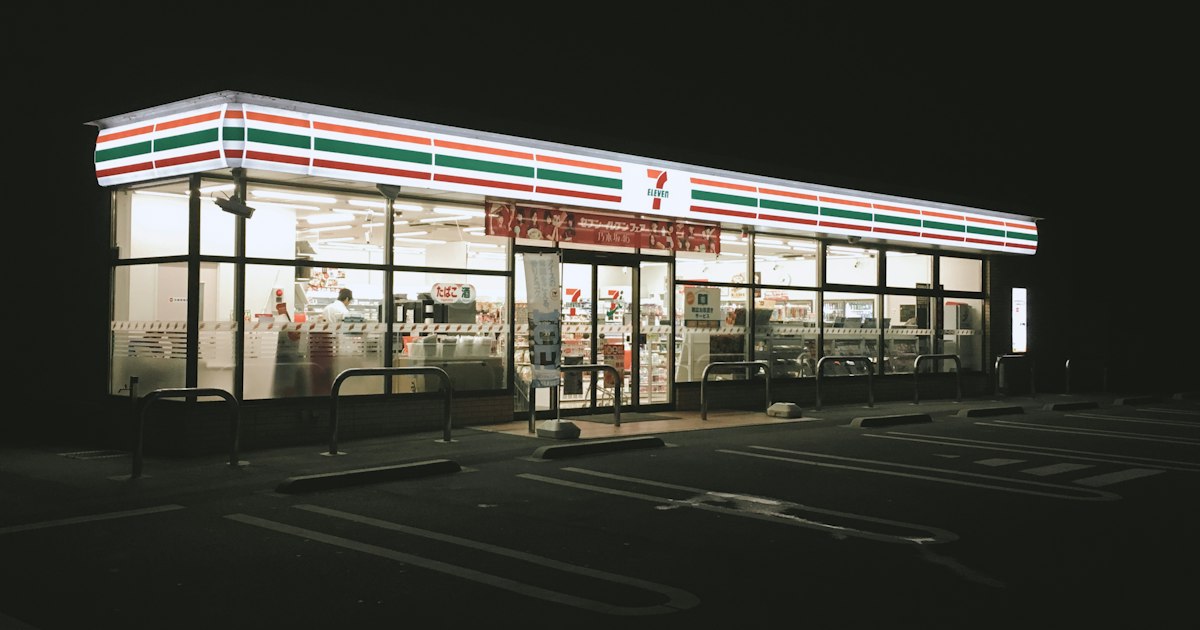
Photo by Ruby Khoesial on Unsplash
Japan is one of the few countries where heated tobacco has largely overtaken ordinary cigarettes, and for visitors who already use IQOS, glo or Ploom at home, restocking here is cheap and easy once you know the system. The catch is that the three brands aren’t interchangeable, the sticks aren’t sold on open shelves, and the rules about where you can actually use one are more specific than most tourists expect. Here’s what you need to know before you buy.
The three systems, and why they don’t mix
All three are heated tobacco, not vaping: a tobacco stick is inserted into a battery-powered holder that heats (rather than burns) it, producing a tobacco-flavored vapor with no ash and much less smell than a cigarette.
- IQOS (Philip Morris International) is the market leader and uses HEETS sticks. The current flagship line is ILUMA, which heats the tobacco via induction rather than a blade.
- glo (British American Tobacco) uses Neo Sticks, sold under names like Neo and Kenr.
- Ploom (Japan Tobacco) uses Ploom X sticks with its current Ploom X devices, separate from the older Ploom TECH capsule system.
A device from one brand will not accept another brand’s sticks — there’s no universal format. If you’re buying for the first time, decide on a brand before you shop, since starter kits bundle a device with a small number of sticks and returning one because it’s the “wrong” system wastes a trip.
Buying the device
Each brand runs its own boutiques in the big shopping districts — IQOS Store has flagship locations in Omotesando and Ginza, glo runs “glo studio” shops in similar neighborhoods, and Ploom has its own “Ploom Shop” counters, including in Ginza and Shibuya. Staff are used to tourists and most locations can process a simple cash or card sale quickly; typical hours run from around 11:00 to 20:00.
For convenience, the fastest option is usually an electronics megastore — Bic Camera and Yodobashi Camera both stock all three brands’ current devices, often at the same price as the brand boutiques, and they’re open later (many branches until 21:00 or 22:00). Don Quijote discount stores also carry devices, sometimes with a wider spread of older and newer models side by side. Duty-free counters at Narita, Haneda and Kansai airports sell devices too, which is handy if you’ve decided to buy on your way out rather than during the trip.
Buying sticks: convenience stores are your daily supply
Once you have a device, sticks are sold at nearly every convenience store in the country — 7-Eleven, Lawson, FamilyMart — which is the real convenience of the whole system. They’re not displayed openly; they sit in a binder or laminated sheet behind the register, organized by brand and flavor code. Point at the flavor you want (or show a photo on your phone) and the clerk will pull it from the shelf behind them. A pack of 20 sticks runs roughly ¥580–630 regardless of brand, and most stores stock the full current flavor lineup, which is often broader in Japan than in other markets.
If you’re traveling between cities, this matters less than for most souvenirs — you’ll pass a convenience store on almost every block, so there’s no need to stockpile early in the trip.
Age verification and the legal basics
The legal age for tobacco purchase in Japan is 20, not 18 — this didn’t change when Japan lowered the general age of adulthood. At convenience store registers you’ll usually just confirm your age on a touchscreen prompt before the sale completes; staff can ask to see ID if you look young, and a passport is fine for this. Brand boutiques and electronics stores selling devices may also ask for age confirmation, even though the device itself contains no tobacco, since it’s sold as part of a system intended for tobacco use.
Where you’re actually allowed to use it
This is the part tourists most often get wrong. Tokyo’s smoking ordinance bans cigarette smoking inside restaurants and bars with staff, but it carves out an exception for heated tobacco: many izakaya and restaurants that are otherwise non-smoking have a small dedicated “heated-tobacco-only” smoking room, separate from any cigarette smoking area, where glo, IQOS and Ploom are permitted but lit cigarettes are not. Look for signage reading 加熱式たばこ専用喫煙室. Outside, there are no blanket “anywhere goes” rules — designated outdoor smoking areas near stations and in shopping districts generally allow heated tobacco alongside cigarettes, but Japan has very few street ashtrays left, and smoking while walking is frowned on and locally banned in places like parts of Chiyoda and Shibuya wards. Hotel rooms are a mixed bag: confirm smoking vs. non-smoking room type at booking, since heated tobacco still sets off some smoke detectors.
Prices: budget, mid-range and splurge
- Budget: glo Hyper Air or a basic Ploom X device, roughly ¥1,980–2,980, plus a ¥600 pack of sticks to start.
- Mid-range: IQOS ILUMA i ONE or glo Hyper X2, roughly ¥5,980–7,480 — the most common tourist purchase, since it’s the current mainstream model with the widest flavor compatibility.
- Splurge: IQOS ILUMA i PRIME or a limited-edition color/finish device, often ¥10,000–13,000, usually bundled with a charging case and sometimes a cleaning kit.
Prices above are approximate and can shift with periodic tobacco tax adjustments, so treat them as a planning range rather than a quote.
Common mistakes and taking devices home
The most frequent mistake is buying sticks for the wrong system — HEETS will not fit a glo device, and vice versa, so double-check the brand name on the pack matches your device before you leave the counter. The second is assuming the device purchase is unrestricted; some stores still require the same age confirmation as for sticks. The third is treating heated-tobacco rules as identical to cigarette rules — the exemptions described above are specific to heated tobacco and don’t extend to ordinary smoking.
Before packing devices or sticks for the trip home, check your destination’s rules: several countries restrict or ban heated tobacco devices and sticks outright, and customs allowances for tobacco products are usually tighter than most travelers expect, separate from general duty-free electronics allowances. If you’re flying out through Kansai Airport and still need to pick something up at the last minute, duty-free there stocks all three brands — see our guide on getting from Kansai Airport into Osaka and Kyoto if you’re timing a departure-day purchase against your train connection.
For other practical, convenience-store-level souvenir shopping while you’re at it, our guides to Baby Foot peeling masks and Atsugi tights cover two more things worth picking up from the same drugstore and department store runs.