Most first-time visitors to Tokyo never make it to Futako-Tamagawa, and that’s exactly why it’s worth the detour. Tucked along the Tama River in Setagaya Ward, this neighborhood — locals call it “Nico Tama” — swaps neon and crowds for wide river views, upscale boutiques, and a shopping complex that feels more like a European piazza than a typical Tokyo mall. It’s where affluent Tokyo families actually live and shop, which means the pace is slower and the quality is high.
Where Futako-Tamagawa Is and Why It’s Different
Futako-Tamagawa sits in southwestern Tokyo, right where the Tama River separates the capital from Kawasaki in neighboring Kanagawa Prefecture. It’s a residential, upper-middle-class pocket of the city — think leafy streets, strollers, and dogs in sweaters — rather than a tourist zone. That’s the appeal: you get a genuine slice of how well-off Tokyoites live, shop, and spend a Sunday, without fighting crowds for a photo. If your mental image of Tokyo shopping is glass towers and crowds, it’s a useful contrast to a district like Azabudai Hills, which goes for vertical, architectural drama — Futako-Tamagawa spreads out low and close to the water instead.
Getting There From Shibuya and Central Tokyo
The neighborhood couldn’t be easier to reach. Hop on the Tokyu Den-en-toshi Line from Shibuya Station and ride it to Futako-Tamagawa Station — an express (kyuko) train gets you there in around 10 minutes, a local train takes closer to 15–20. The fare is roughly ¥200 one way with an IC card (Suica or Pasmo), so there’s no need to buy a special ticket. The Tokyu Oimachi Line also terminates/passes through here if you’re coming from Oimachi or the Tokyu Toyoko Line side via a transfer.
One practical note: Futako-Tamagawa has very little hotel stock of its own, so most visitors base themselves in Shibuya, Shinjuku, or central Tokyo and treat this as a half-day or full-day excursion. If you haven’t locked in accommodation yet, it’s worth comparing Rakuten Travel, Jalan, and Booking.com before you book, since pricing and point perks differ between the three.
Futako-Tamagawa Rise: The Neighborhood’s Shopping Core
The shopping anchor is Futako-Tamagawa Rise, a large Tokyu-developed complex split across a “Town Front” and “Park Side” building connected by elevated walkways, directly next to the station. It opened in 2011 and now houses well over a hundred shops and restaurants, ranging from imported European furniture and lifestyle brands to Japanese contemporary fashion labels and a well-regarded food hall. Most stores open around 10:00 or 11:00 and close by 20:00–21:00 — noticeably earlier than Shibuya or Shinjuku, so plan a daytime or early-evening visit rather than a late-night one.
A standout tenant is Tsutaya Electronics, a hybrid bookstore-electronics-cafe space designed as a browsing lounge rather than a conventional shop — worth 20–30 minutes even if you buy nothing. If you’re hunting specifically for English-language reading material, Futako-Tamagawa’s selection is limited, so it’s worth knowing the dedicated options covered in our guide to where to buy English-language books in Japan.
Beyond the mall itself, the streets immediately around the station — particularly along Tamagawa-dori — are lined with smaller independent boutiques, home goods stores, and patisseries that don’t show up in guidebooks but are popular with local residents.
The Riverside Walk: Tamagawa’s Quiet Escape
This is the other half of the appeal. A five-minute walk from the station brings you to the Tama River embankment and Nikotama Park, with wide paved paths for walking and cycling right along the water. On clear winter mornings you can sometimes spot Mount Fuji on the horizon. There are no entrance fees and no set hours for the riverside paths themselves — they’re open-access public parkland, used by joggers, cyclists, and families with kids well into the evening.
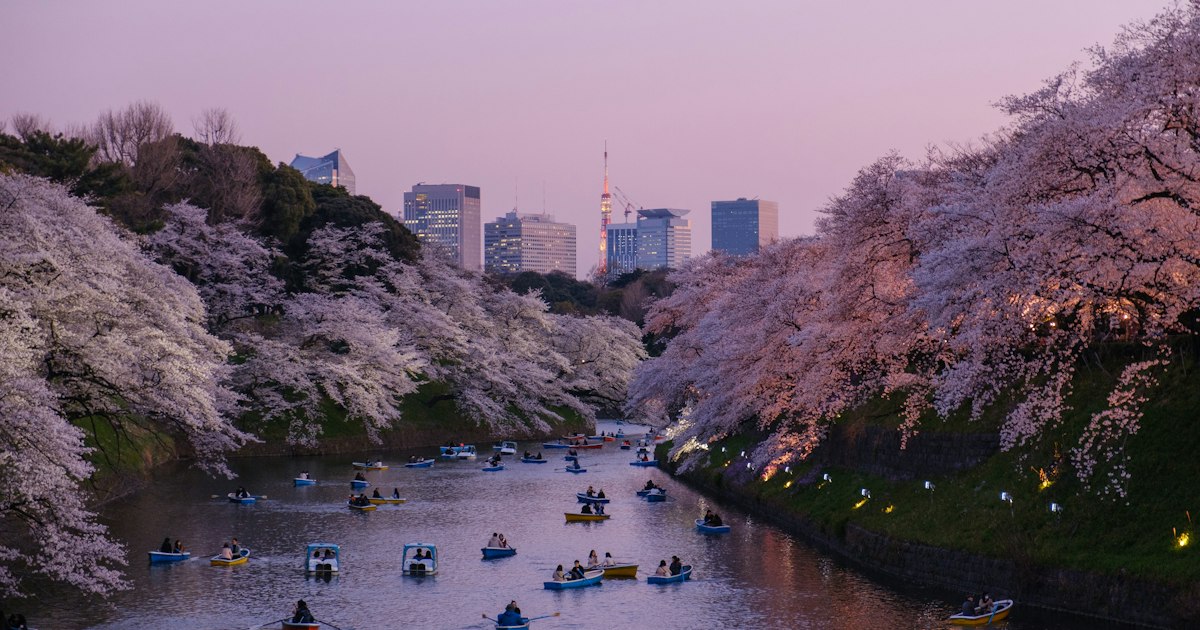
Cherry blossoms line sections of the embankment in late March to early April, and the area gets genuinely crowded with local hanami groups during that window. For a calmer visit with good color, aim for mid-to-late November, when the riverside trees turn and the crowds thin out considerably — a good match if you’re traveling around now.
Best Time to Visit
Weekday mornings and early afternoons are the quietest time to shop, since Futako-Tamagawa fills up with local families on weekends, especially Sunday afternoons. If you want the riverside walk without company, go before 10am or after 4pm on a weekday. Avoid the first two weekends of April (cherry blossom peak) and late July–August weekend evenings, when the area holds a popular fireworks festival (Tamagawa Hanabi Taikai) and gets packed with spectators staking out riverside spots hours in advance.
Budget, Mid-Range, and Splurge Options
- Budget: The riverside walk and park are free. Browsing Tsutaya Electronics costs nothing, and a konbini onigiri or sandwich (¥150–¥400) makes a fine riverside picnic.
- Mid-range: Lunch at one of the Rise food hall cafes or bakeries runs roughly ¥1,200–¥2,500. Mid-tier Japanese contemporary fashion brands in the mall are priced similarly to what you’d find in Shibuya 109 or Shinjuku, without the crowds.
- Splurge: The complex includes imported European furniture showrooms and higher-end fashion boutiques where a single item can easily run into the tens of thousands of yen — worth a look even just for window shopping and interior design inspiration, since several shops stock pieces rarely seen elsewhere in Tokyo.
Common Mistakes to Avoid
The biggest one is timing: travelers assume Tokyo shopping districts keep Shibuya-style late hours, then arrive at 8:30pm to find Rise’s shops already shuttered. Build this into an afternoon, not an evening, itinerary. Second, don’t assume every Den-en-toshi Line train stops here — a few rapid services during peak hours skip smaller stations, so double-check the train type on the platform display before boarding if you’re in a hurry. Finally, don’t try to use this as a home base for your whole trip; with almost no hotels nearby, it works far better as a day trip from central Tokyo than as a place to sleep.
Futako-Tamagawa won’t dominate anyone’s must-see list, but if you’ve already hit Shibuya, Harajuku, and Ginza and want to see a different, quieter side of how Tokyo shops and lives, it’s an easy half-day that rewards the trip out.