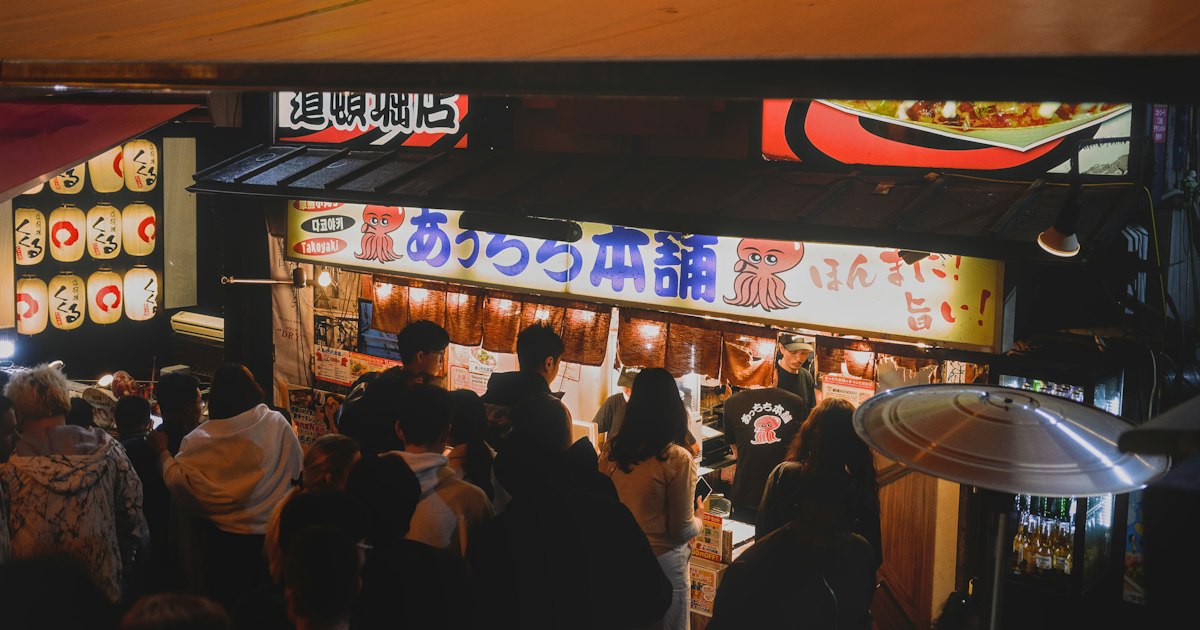
Okonomiyaki gets all the attention, but ask an Osaka local what they’d actually order on a weeknight and there’s a good chance they’ll say negiyaki. It’s thinner, lighter, piled absurdly high with green onion, and eaten with a dip rather than a thick brown sauce. If you’ve only ever had okonomiyaki, negiyaki is the dish that shows you there’s a whole other side to Osaka’s griddle cooking — and it’s barely known outside the city.
What Exactly Is Negiyaki?
Negiyaki (ねぎ焼き) means “grilled green onion,” and that’s not an exaggeration — a single order can use half a bunch or more of thinly sliced scallions, mounded over a thin egg-and-flour batter on a hot teppan griddle. Where okonomiyaki is a thick, cabbage-heavy pancake bound with a dense batter and finished with a sweet-savory Worcestershire-style sauce and mayonnaise, negiyaki is closer to a savory crepe: thinner, eggier, and often eaten plain or dipped in ponzu (a citrus-soy sauce) instead of the usual okonomiyaki sauce.
The other defining difference is the filling. Traditional negiyaki shops lean heavily on horumon (beef offal, especially small intestine) or beef tendon rather than pork belly or seafood. That’s a legacy of Osaka’s postwar working-class food culture, where cheap offal cuts were grilled with mountains of onion to stretch a meal further and mask any strong flavor. Today you’ll find milder versions with beef mince, squid, or cheese for visitors who’d rather skip the offal, but the green onion stays non-negotiable.
Where Negiyaki Came From
Negiyaki is generally credited to Yamamoto, a shop that opened in Osaka in the postwar years and still runs several branches across the city today, including a well-known location near Fukushima Station. The story goes that the original owner started grilling offal with green onion as an affordable, filling dish for factory workers, and the ponzu dip was a practical choice — it cut through the richness of the offal without the heaviness of okonomiyaki sauce. Because Yamamoto effectively defined the dish, “Yamamoto-style” negiyaki (thin batter, horumon, ponzu, towering green onion) is still the benchmark other shops are judged against.
If you only try one negiyaki shop in Osaka, make it a Yamamoto branch. Expect a wait during dinner hours, especially on weekends — it’s a cheap, beloved local favorite, not a hidden secret, and tables turn over quickly because most people eat and go. Hours and exact locations shift over time, so check current details before you go, but the Fukushima-area shop is an easy add-on if you’re already near Osaka Station or doing a food crawl through the Kita area.
Budget, Mid-Range, and Splurge Options
- Budget (~800–1,300 yen): A standard negiyaki with squid or beef mince at a casual teppan counter. This is the everyday price range at most neighborhood shops, including Yamamoto’s core menu items.
- Mid-range (~1,300–2,000 yen): Horumon or beef tendon negiyaki, sometimes with an added cheese or mochi topping, plus a drink. This is where most tourists land once they decide to try the “real” offal version.
- Splurge (~2,500–3,500 yen for a full meal): Order negiyaki alongside other teppan classics — modanyaki (okonomiyaki with yakisoba noodles), yakisoba, and a few beers — at a sit-down teppanyaki restaurant rather than a counter-only spot. You’re paying for the fuller meal and table service, not a fancier negiyaki itself; the dish stays humble no matter where you eat it.
Negiyaki is fundamentally street food elevated slightly indoors — you’re very unlikely to find an upscale, chef’s-counter version of it the way you might with sushi or kaiseki. The price gap between “cheap” and “nice” is really about how much else you order, not the negiyaki’s quality.
How to Order and Eat It Without Looking Lost
Many negiyaki counters, especially older ones, are self-grill: the batter and toppings arrive uncooked or half-cooked and you finish it on a teppan built into your table or counter. Staff will usually show first-timers what to do, but a few common mistakes are worth avoiding:
- Drowning it in soy sauce. Ponzu is already seasoned and citrusy — dip lightly rather than pouring. Negiyaki is meant to taste primarily of onion and egg, not sauce.
- Flipping too early. Because the batter is thinner than okonomiyaki, it needs less time, but it’s also more fragile. Wait until the edges visibly set before attempting a flip, or let staff do it.
- Skipping the offal out of nervousness, then regretting it. Horumon negiyaki, when fresh, is tender and mild rather than gamey — if you’re curious but cautious, order one horumon and one beef-mince version to compare rather than avoiding it entirely.
- Assuming it’s wheat-free. Like okonomiyaki, the batter is flour-based, so negiyaki isn’t suitable if you’re avoiding gluten. If that’s a concern on your trip, our guide to finding gluten-free food in Japan has practical strategies for navigating wheat-heavy menus like this one.
Best Time to Go and Getting There
Negiyaki is a year-round dish with no real seasonal peak, though it’s especially satisfying in Osaka’s cooler months (December–February) when a hot teppan meal in front of you is genuinely appealing. In summer, shops without strong air conditioning can feel brutal given the open grills, so lunchtime visits are more comfortable than a packed dinner rush.
Most well-known negiyaki shops cluster around central Osaka — Fukushima, Namba, and Shinsekai are all walkable from major JR or subway stations, and none require a special trip outside the city. If you’re building a broader Osaka food itinerary, it pairs naturally with a Dotonbori crawl earlier or later in the day. For travelers hopping between regional specialties on a wider Japan trip, it’s worth comparing how differently each region treats a simple griddled or fried dish — see our guide to Hakata tonkotsu ramen in Fukuoka for another case of a humble, cheap dish built around one defining regional obsession, or jakoten in Uwajima if you’re collecting lesser-known regional foods outside the big-city circuit.
Practical Tips Before You Go
Many longstanding negiyaki shops are small, counter-style, and cash-preferred — some don’t take foreign cards at all, or only accept IC cards like Suica/Pasmo rather than credit. Carry enough cash for a meal just in case; if you’ve had card trouble elsewhere in Japan, our piece on why foreign credit cards get declined in Japan explains why this happens and how to plan around it. Also note that English menus are inconsistent at local negiyaki counters — pointing at a neighboring table’s order or using a translation app for ingredient names (negi = green onion, horumon = beef offal, ika = squid) will get you further than trying to read the menu cold.
Negiyaki won’t show up on most “top 10 Osaka foods” lists aimed at tourists, which is exactly why it’s worth seeking out — it’s the dish Osakans actually eat between okonomiyaki cravings, built around an ingredient most visitors walk past without a second thought.