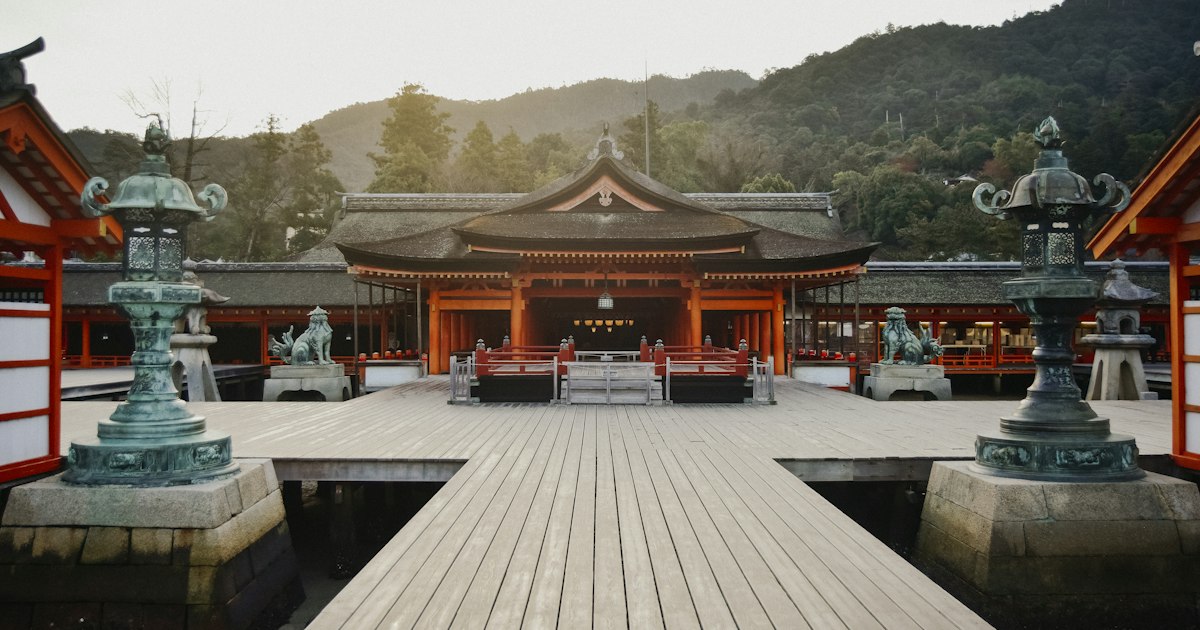
Photo by Juliana Barquero on Unsplash
If you’ve ever driven past a Japanese Shinto shrine and seen a shiny new car parked in front of the main hall with a priest waving a wooden wand over its hood, you’ve witnessed kuruma oharai (車祓い) — the ritual purification of a vehicle. It’s one of Japan’s quieter cultural customs, rarely covered in guidebooks, but it shows up everywhere: car dealership lots, rental agency yards, and the overflow parking areas of neighborhood shrines across the country. For long-term residents, expats buying their first car, or even curious travelers settling in for an extended stay with a rental, it’s worth understanding — both as a window into how spiritual practice threads through everyday Japanese life, and as something you might genuinely want to do yourself.
What Is Kuruma Oharai?
Kuruma oharai (also called kuruma no oharai, or shinsha oharai when it’s specifically for a brand-new car) is a Shinto purification ceremony performed to cleanse a vehicle of bad luck and pray for traffic safety (kōtsū anzen) for everyone who rides in it. It sits in the same family of services as yakudoshi prayers for unlucky ages or anzan prayers for safe childbirth — a kigan, or formal prayer request, performed by a resident Shinto priest.
It isn’t a legal requirement and has nothing to do with Japan’s mandatory shaken vehicle inspection. It’s entirely customary, rooted in the belief that a car, like a new home or a newborn, carries risk until it’s been spiritually cleared. Many Japanese drivers get it done for every new car they buy, whether brand new off the lot or a used car bought secondhand.
How the Ritual Works
The process is short, usually 15–20 minutes, and happens right where your car is parked. A typical sequence:
- You drive to the shrine and park in a designated purification area — often marked off with a small portable table, white cloth, and sometimes a temporary shimenawa (sacred rope) strung in front of the car.
- You turn off the engine, step out, and stand to the side while the priest performs a norito (ritual prayer) and waves a haraegushi (a wooden wand with paper streamers) over the car, including the interior, trunk, and sometimes the license plate.
- Salt or sake may be sprinkled near the tires as a final purification step.
- You receive an ofuda or kōtsū anzen omamori — a paper or cloth talisman — to place on the dashboard, clip to the sun visor, or hang from the rearview mirror.
Photos are generally fine, but ask the shrine office first — some request that you not photograph the priest during the prayer itself.
When to Schedule One
Most people book this within the first few weeks of buying a car, often timed to a taian day — the most auspicious date on Japan’s rokuyo calendar, which many people still consult for big life events. Shrines get noticeably busier on taian weekends, so if you want flexibility, aim for a weekday.
Spring is a popular season, since Japan’s fiscal and school year starts in April and dealerships see a bump in new car sales. New Year’s is the other major spike: taxi companies, bus operators, and trucking firms line up entire fleets at shrines during hatsumode (the first shrine visit of the year) for a mass blessing — a striking sight if you happen to be near a large shrine on January 2nd or 3rd.
It’s also common to get a car blessed before a long road trip, especially a first big drive after buying a vehicle. If you’re planning a self-drive itinerary to somewhere remote — the caldera lake loop around Lake Shikotsu and Lake Toya in Hokkaido, or the mountain roads out to Lake Tazawa in Akita — this is exactly the kind of trip Japanese drivers traditionally get blessed before.
Where to Get It Done
You don’t need a famous shrine — almost any mid-size or larger Shinto shrine with a resident priest offers this, and it’s usually the same office that handles other kigan prayers. Tokyo’s Kanda Myojin is one of the better-known examples, with a dedicated car-blessing area right in front of the shrine that regularly handles everything from delivery vans to luxury sedans. Outside major cities, your best bet is simply the largest shrine in your area.
Call ahead. Larger shrines often require a reservation since they need to reserve the parking space and schedule a priest, and walk-ins may face a wait on weekends or auspicious days. Smaller neighborhood shrines are sometimes more flexible, but it’s still polite to call first — ask for “kuruma no oharai” or “kuruma no kigan” specifically, and have your car’s make and approximate size ready, since some shrines charge differently for larger vehicles.
What It Costs
The fee is called tamagushiryo or oharairyo, and prices are usually posted at the shrine office or quoted when you book:
- Budget: ¥5,000 — the baseline at most shrines for a standard passenger car.
- Mid-range: ¥7,000–¥10,000 — a more elaborate blessing, sometimes including a slightly larger ofuda or small gift set.
- Splurge: ¥15,000–¥30,000 — typical for commercial vehicles, trucks, buses, or fleet blessings with multiple cars at once.
Pay in cash. Many shrines expect the fee presented in a noshi-bukuro (a decorative envelope), sometimes with tamagushiryo written on the front — a formality that will feel familiar if you’ve read about kokorozuke, the envelope-based tipping custom at traditional inns. The same instinct — money handed over plainly is a little too blunt, so it goes in paper first — applies here too. If you don’t have an envelope, plain cash is usually accepted without issue; shrine staff won’t make a fuss, but bringing exact change in a clean envelope is the more polished move.
Common Mistakes to Avoid
A few things trip up first-timers:
- Showing up unannounced on a taian weekend. You may be turned away or told to come back; call ahead, especially in spring or around New Year.
- Confusing it with shaken. This has no bearing on legal roadworthiness or registration — it’s purely a spiritual service.
- Parking in the wrong spot. Shrine lots are often small; follow staff directions rather than parking wherever looks open.
- Leaving the engine running during the prayer. Turn it off and step out — staying inside the car is considered disrespectful.
- Not budgeting cash. Card payment is essentially never accepted for kigan fees.
Keeping (and Returning) Your Charm
The ofuda or omamori you receive is meant to stay with the car, not get carried around separately. Most people keep it for about a year, then return it to a shrine — ideally the same one, though any shrine will usually accept it — to be ceremonially burned, often during a New Year dontoyaki fire. You then get a fresh one if you’d like to keep the practice going. It’s a small, low-cost ritual, but it’s also a genuine piece of how many Japanese drivers relate to their cars, and a good reminder that the country’s spiritual customs extend well past temples and New Year’s visits into the most ordinary corners of daily life.