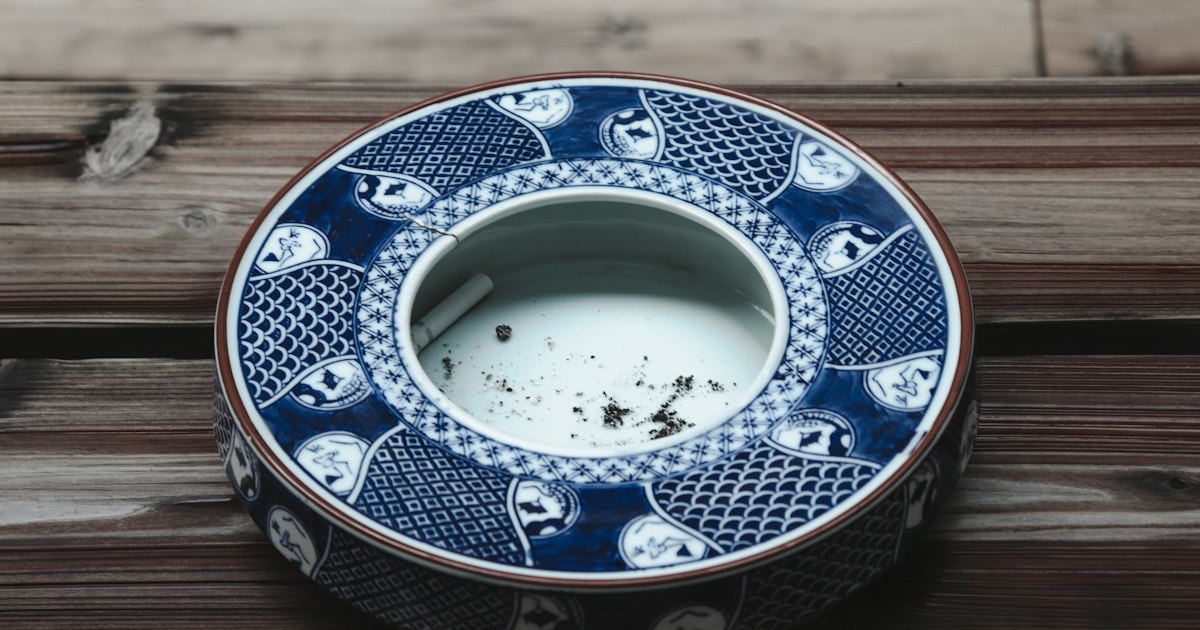
Walk into almost any traditional Japanese home, temple, or tea room and you’ll eventually spot one: a small vessel, often footed and lidded, with a faint curl of smoke or the warm scent of sandalwood drifting from its perforated top. That’s a koro (香炉), Japan’s incense burner, and it’s one of the most underrated souvenirs a visitor can bring home — compact, genuinely useful, and available in everything from ¥1,500 drugstore versions to museum-quality bronze pieces costing hundreds of thousands of yen. Here’s how to find the right one and avoid the mistakes most first-time buyers make.
What Exactly Is a Koro?
Koro covers a wide family of objects united by one function: holding burning or smoldering incense safely. That includes the small brass burners placed on home Buddhist altars (butsudan), the elegant footed censers used in formal incense appreciation (kodo), and the simple ceramic dishes sold for everyday stick incense. The word itself just means “incense furnace” — ro, the same character used for a hearth or kiln.
Most koro share a few features: a bowl to hold ash (which insulates the heat), a perforated lid or open top to let scent escape, and often three small feet. Ceramic versions are usually glazed porcelain or stoneware and tend to be lighter and less expensive. Metal versions — bronze, brass, or cast iron — are heavier, often more ornate, and considered more durable for daily use since they won’t crack from heat over decades.
Ceramic vs. Metal: Which One Should You Buy?
If you’re buying mainly for the aesthetic — as a decorative object or a holder for cone/stick incense at home — ceramic is the easier entry point. Regional kilns like Kutani (Kanazawa), Kiyomizu-yaki (Kyoto), and Arita/Imari (Saga) all produce koro, and the hand-painted glazes make each piece distinct. Expect simple glazed dishes from around ¥2,000–¥4,000, and hand-decorated Kutani or Kiyomizu pieces from ¥8,000 up to ¥30,000 or more depending on the artist.
Metal koro are the choice if you actually burn incense regularly or want something that will be handed down. Cast bronze and brass resist heat damage indefinitely and develop a pleasant patina over years of use. Budget metal koro (often mass-produced, sold at Buddhist altar shops) start around ¥3,000–¥6,000; hand-cast pieces from recognized metalworking towns run ¥15,000–¥60,000, and signed artisan work can exceed ¥100,000.
Where to Buy in Tokyo
Asakusa is the best Tokyo neighborhood for this hunt, almost by accident: the streets around Senso-ji, especially toward Kappabashi, are lined with butsugu-ten (Buddhist ritual-goods shops) that have supplied temples and home altars for generations. These shops carry both everyday brass koro and finer lacquer-trimmed sets, generally open around 10:00–18:00, closed irregularly on weekdays — call ahead if you’re making a special trip. It’s a fitting stop if you’re also curious about Japan’s quieter memorial customs; the same ritual-goods culture underlies traditions like the one described in Hari-Kuyo and Ningyo Kuyo, where incense and small ceremonial burners play a quiet supporting role.
For a more contemporary take, Lisn — the modern incense line run by the centuries-old Kyoto maker Shoyeido — has a Tokyo shop in Aoyama (near Omotesando) selling minimalist ceramic and glass koro designed for small apartments, from roughly ¥3,000. Department store craft floors (Nihonbashi Takashimaya and Mitsukoshi Ginza both have strong ceramics sections) are a reliable fallback if you want English-speaking staff and guaranteed shipping options.
Where to Buy in Kyoto
Kyoto is arguably the best single city for koro shopping because it has both ceramic production and the country’s two oldest incense houses. Kungyokudo (founded in the 16th century) and Shoyeido both run shops in central Kyoto selling incense alongside burners suited to it — simple ceramic koro from around ¥2,500, and nicer sets with ash and tools from ¥8,000–¥15,000.
For ceramics specifically, head to the Kiyomizu-yaki pottery lanes — Chawan-zaka and Sannen-zaka — on the approach to Kiyomizu-dera, where dozens of small studios and shops sell Kiyomizu ware, including footed incense burners with the glossy, finely crackled glazes the style is known for. If you’re combining this with sightseeing, our guide to Kiyomizu-dera and how to beat the crowds covers the best timing — arriving before 9:00 lets you shop the lane in relative quiet before tour groups arrive. Shops here typically open 9:00–10:00 and close by 17:30–18:00.
Takaoka: Japan’s Metal Incense Burner Capital
If a metal koro is what you’re after, it’s worth the detour to Takaoka in Toyama Prefecture, which has cast bronze and brass goods for over 400 years and still produces the majority of Japan’s cast metalware, including Buddhist altar fittings and incense burners. Nousaku, the city’s best-known modern foundry, sells tin and bronze homeware (including incense burners and holders) at prices from around ¥8,000 for small pieces to ¥40,000+ for larger cast work, with a shop and factory tour in Takaoka itself. The older trade association shops in the Kanaya-machi historic district sell more traditional, heavier cast koro, often ¥20,000 and up, with some artisan-signed pieces well into six figures.
Takaoka is roughly 2.5 hours from Tokyo via Hokuriku Shinkansen to Toyama, then a short local transfer — doable as a long day trip, or pair it with a stop at Shomyo Falls if you’re exploring the rest of Toyama.
Common Mistakes to Avoid
- Buying a koro with no ash. Most koro need a layer of incense ash inside to insulate the base and hold the incense upright or embed smoldering charcoal. Cheap sets often don’t include it — ask, or buy a small bag separately (usually ¥500–¥1,000 at the same shop).
- Assuming all koro take the same incense. Stick incense, cone incense, and kneaded/powdered incense (used with charcoal) often need different burner shapes. Tell the shop staff what kind of incense you plan to use.
- Packing it badly. Ceramic koro are more fragile than they look, especially lids. Ask shops for proper box packing (most will do this for free), and carry delicate pieces in your carry-on rather than checked luggage.
- Overlooking import rules. Antique metal koro are fine to bring home in almost all cases, but if you’re buying something represented as a genuine antique (rather than new artisan work), ask for documentation — partly for customs peace of mind, partly because it affects resale value later.
Whichever route you take — a ¥2,500 ceramic dish from a Kyoto lane or a hand-cast Takaoka bronze piece — a koro is a rare kind of souvenir that’s both decorative and genuinely functional, and one that tends to get used for years rather than shelved. If you’re assembling a broader collection of Japanese craft souvenirs, it pairs naturally with lacquerware pieces like those covered in our guide to Kiso Shikki from Nagano, which share the same slow, regional-craft shopping approach.