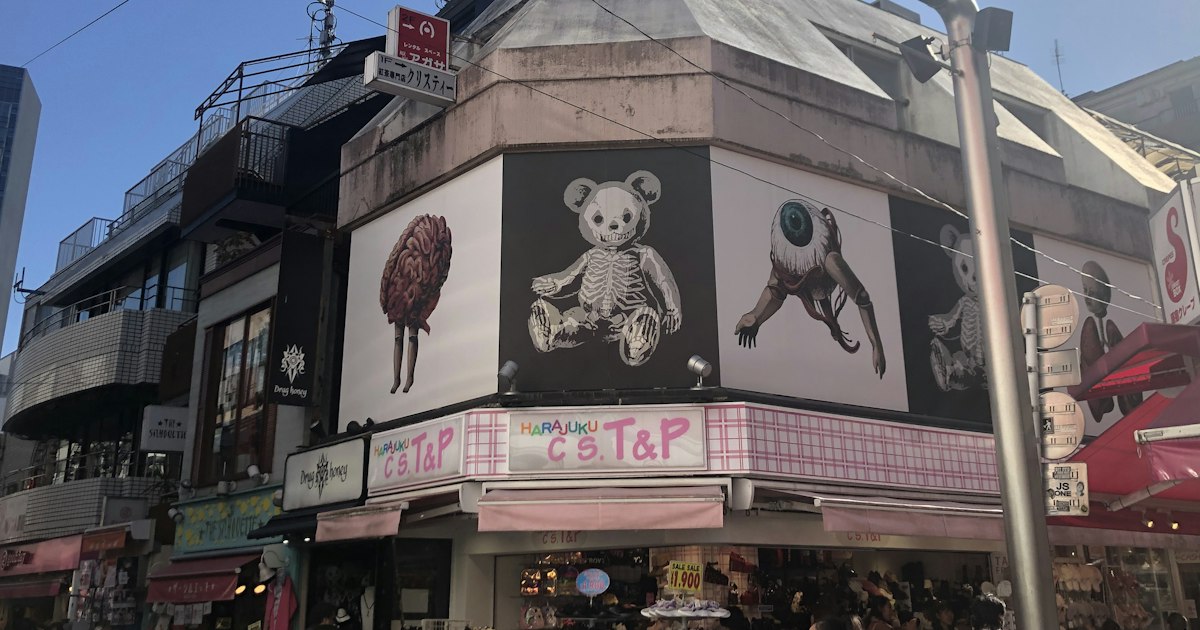
Photo by Bethany Chobanian Lang on Unsplash
The sailor-collared “seifuku” is one of Japan’s most recognizable style exports, and Harajuku is where most visitors go looking for it — whether that means a cosplay-ready costume set, a genuine secondhand school uniform, or a sailor-collar dress from a Lolita fashion brand. The trouble is that these are three very different products sold in three very different types of shops, and mixing them up is the easiest way to overpay or end up disappointed. Here’s how to shop for seifuku in Harajuku without wasting a trip.
What “Seifuku” Actually Means (and What You’ll Find)
Seifuku (制服) simply means “uniform,” and in Harajuku shops it splits into three categories worth knowing before you start browsing:
- Costume seifuku — polyester sailor-top-and-skirt sets made for cosplay, Halloween, or photo shoots. Not built to be worn daily.
- Real secondhand uniforms — actual gakuran (boys’) and sailor fuku (girls’) uniforms once worn by students, sold through vintage and thrift shops.
- Sailor-influenced fashion — Lolita and mode brands that use the sailor collar as a design motif on dresses, blouses, and jackets, not as a literal school uniform.
Knowing which one you want changes where you should go and what you should expect to pay.
Cosplay & Costume Seifuku: Don Quijote and ACOS
For a fun, low-commitment costume, the discount chain Don Quijote is the easiest stop — its Harajuku/Takeshita-dori area branches stock a costume section year-round that expands heavily around Halloween (late September through October). Basic sailor uniform sets (top, pleated skirt, ribbon) run roughly ¥3,000–¥6,000. Quality is costume-grade: thin fabric, elastic waistbands, one-size-fits-most sizing. Hours vary by branch, but Don Quijote stores are known for staying open late into the evening, which makes them a good option if you’re shopping after a full day of sightseeing.
For a step up in build quality and character-accurate designs, cosplay specialty chains like ACOS sell more structured sets with proper sizing (S–XXL) for around ¥6,000–¥15,000. These are aimed at cosplayers attending events, so fit and finish are noticeably better than a Don Quijote costume, though still not intended for everyday wear.
Real Vintage & Secondhand Uniforms: Chicago and Kinji
If you want an actual worn-in uniform rather than a costume, Harajuku’s big secondhand clothing stores are the place to dig. Chicago Harajuku (on the Jingumae side street off Takeshita-dori) is a multi-floor thrift store with a dedicated vintage/costume basement where genuine sailor fuku and gakuran pieces surface irregularly among the racks — sold as one-off finds rather than a curated selection. Kinji, a few minutes away, works similarly: dense racks of used clothing sorted loosely by type, with the occasional real school uniform piece mixed in among the jackets and dresses. Both shops generally keep daytime-to-early-evening hours (roughly 11:00–20:00), and neither guarantees stock — treat a genuine uniform find as a lucky souvenir, not a sure thing. Prices for individual pieces typically land between ¥1,500 and ¥8,000 depending on condition and brand tag.
If you enjoy the hunt-through-secondhand-racks experience, it pairs well with Japan’s broader mended-and-reused textile culture — see our guide to Sashiko & Boro for the deeper craft history behind Japan’s vintage clothing scene.
Sailor-Collar Fashion Brands
Not everyone wants a literal uniform — plenty of visitors are actually after the sailor-collar silhouette used in Lolita and street fashion. Closet Child, a secondhand Lolita and gothic-fashion specialist with a Harajuku branch, stocks sailor-collar blouses and dresses from brands like Angelic Pretty and Baby the Stars Shine Bright at secondhand prices — typically ¥5,000–¥30,000 depending on rarity and whether the piece is discontinued. This is the route to take if you want something wearable and well-made rather than a costume.
Getting There, Timing & Hours
Harajuku Station (JR Yamanote Line) or Meiji-jingumae Station (Chiyoda/Fukutoshin Lines) both drop you within a five-minute walk of Takeshita-dori, where most of these shops cluster. The street is extremely crowded from late morning through evening on weekends — if you actually want to browse racks rather than shuffle through a crowd, go on a weekday morning shortly after shops open (most open around 10:00–11:00). Costume stock is deepest in the weeks before Halloween; secondhand uniform stock has no real season, so it’s pure luck-of-the-draw whenever you visit.
Budget vs. Splurge Picks
- Budget: Don Quijote costume sets (¥3,000–¥6,000) — fine for a one-time photo or party, not durable.
- Mid-range: ACOS cosplay sets (¥6,000–¥15,000) or a secondhand find at Chicago/Kinji (¥1,500–¥8,000) — better construction or genuine authenticity, at the cost of no guaranteed stock or sizing.
- Splurge: Discontinued or rare Lolita sailor-collar pieces at Closet Child, which can run ¥15,000–¥30,000+ for sought-after brand items.
Common Mistakes to Avoid
- Assuming a costume set is a real uniform. Don Quijote and ACOS sell cosplay-grade garments — the fabric, stitching, and fit won’t match an actual school-issued uniform, and they’re not intended for regular wear.
- Expecting a specific size or style to be in stock at secondhand shops. Chicago and Kinji don’t stock uniforms as a dedicated category — what’s on the rack today may be gone tomorrow and won’t be restocked in the same size.
- Skipping the fitting room. Japanese sizing runs smaller than US/EU standards across all three shop types; always try before buying, since costume items in particular are often cut for a slim, one-size fit.
- Wearing a real secondhand uniform in public without checking local norms. Uniforms are tied to specific schools in Japan, and wearing one in the wrong context can read as odd or even cause confusion — most buyers treat these purely as collector items, not streetwear.
- Packing costume pieces in checked luggage without checking them first. Cheap costume fabric wrinkles and creases badly; roll rather than fold if you’re flying home the same trip.
If Harajuku’s fashion-hunting energy has you in the mood for more boutique browsing beyond Takeshita-dori, the canal-side shops in Nakameguro make a relaxed, less crowded follow-up stop on the same trip.