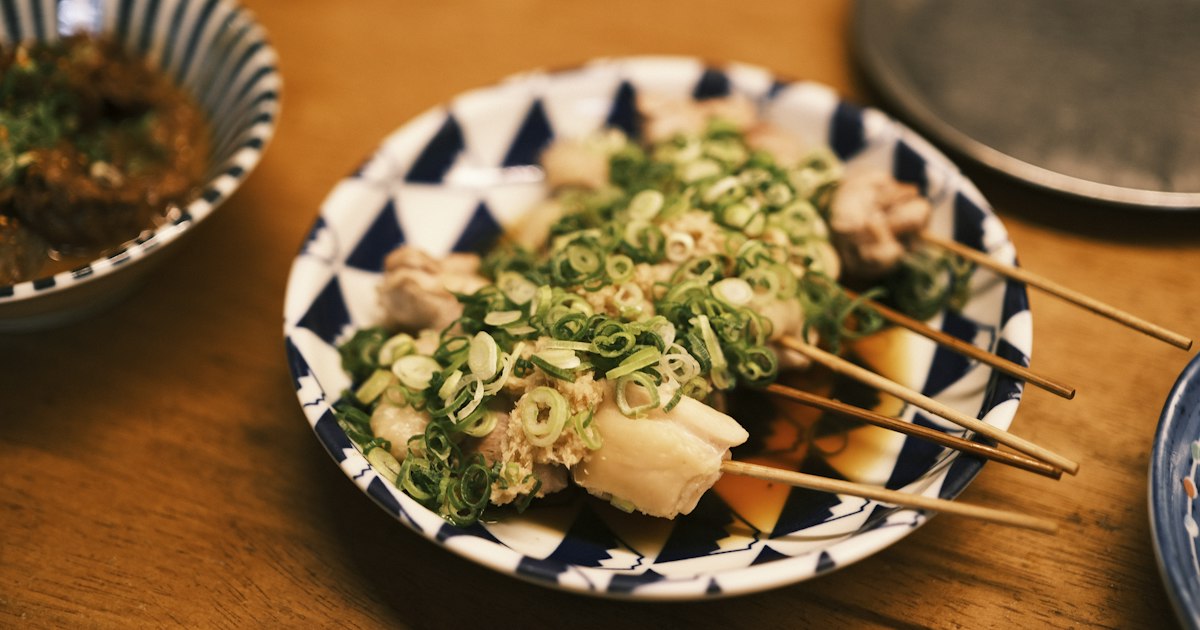
Photo by Perry Merrity II on Unsplash
If you’ve sat down at an izakaya in Japan and been handed a plate of small, golden-grilled fish you’re meant to eat head, tail, bones and all, there’s a good chance it was shishamo. It’s cheap, it’s everywhere on pub menus, and almost nobody explains what it actually is — or that the fish on your plate is very likely not the “real” shishamo at all. Here’s what you need to know before you order.
What Is Shishamo, Really?
Shishamo (シシャモ) is a small, slender smelt-like fish, usually 10–15cm long, that’s grilled whole and eaten in one or two bites — fins, tail, tiny bones and all. The texture is closer to a crisp cracker at the edges with a soft, slightly oily interior, and the flavor is mild and faintly briny rather than “fishy.” The main draw for most diners is the roe: female shishamo carry a dense pocket of orange eggs that burst with a slightly sweet, briny pop, and those roe-filled females are the ones regulars specifically ask for.
The name comes from the Ainu language of Hokkaido, where it roughly translates to “willow leaf fish” — a nod to the shape of the fish and a reminder that this is originally a northern, cold-water catch, not a dish from Tokyo or Osaka.
Real Hokkaido Shishamo vs. the Capelin You’ve Probably Eaten
This is the part almost no menu tells you: true shishamo (本シシャモ, hon-shishamo) is a specific species, Spirinchus lanceolatus, found only along a short stretch of Hokkaido’s Pacific coast. Wild stocks are limited and the real thing is genuinely scarce, so the vast majority of “shishamo” served at izakaya nationwide — and sold frozen at supermarkets — is actually capelin, a related but different fish imported mostly from Canada, Norway, and Iceland. In Japanese this is labeled karafuto-shishamo (カラフトシシャモ) or sometimes just sold as “shishamo” with no distinction made at all.
It’s not a scam exactly — capelin is a legitimate, tasty substitute and the two look nearly identical cooked — but if you want to say you’ve eaten authentic Hokkaido shishamo, you need to specifically ask for hon-shishamo or buy from a Hokkaido fishmonger who labels it that way. Menus that simply say “シシャモ焼き” (grilled shishamo) for 300–500 yen at a nationwide izakaya chain are almost certainly capelin. This same naming confusion trips up visitors elsewhere in Japanese food culture — if you enjoy untangling look-alike dishes, the distinction here is a lot like sorting out hiyamugi from somen, where two near-identical products are actually governed by completely different rules.
Best Season for the Real Thing
Wild hon-shishamo is caught off Hokkaido’s southeastern coast, with the town of Shiraoi particularly associated with the fishery, from roughly late September through November, peaking in October. This is also when the females are heaviest with roe, so autumn is the only time you’ll find genuinely fresh, local shishamo rather than frozen stock. Outside that window, anything sold as “fresh” shishamo in Hokkaido has usually been frozen and thawed — still fine to eat, but worth knowing if freshness is what you’re paying for. Capelin, by contrast, is sold frozen year-round and there’s no real seasonal advantage to ordering it in any particular month.
How to Order and Eat It
At an izakaya, just ask for shishamo-yaki (シシャモ焼き) — it typically arrives two to four fish per plate, salt-grilled, with a wedge of lemon or sudachi citrus and sometimes a small mound of grated daikon (daikon oroshi). Squeeze the citrus over the top, dab a little of the daikon and soy sauce if it’s offered, and eat the whole fish in two or three bites starting from the head end. There’s no need to fillet it or pick around bones — the point of the dish is that everything is edible and the bones have been cooked soft enough to crunch rather than catch in your throat. If you’re unsure whether to eat the head, watching what the table next to you does is usually the fastest way to tell — the kind of unspoken cue that’s common across Japanese dining, similar to the small service signals covered in omotenashi in practice.
Where to Order or Buy It
Izakaya nationwide: This is the easiest option anywhere in Japan. Shishamo-yaki is a near-universal menu item at casual pub-style restaurants (izakaya) and costs roughly 300–500 yen for two to four fish. Assume it’s capelin unless the menu specifies Hokkaido or hon-shishamo.
Hokkaido markets: If you’re actually traveling to Hokkaido, fish markets in Kushiro, Tomakomai, and Sapporo’s Nijo Market sell dried and fresh shishamo by weight, and vendors will usually tell you plainly whether it’s hon-shishamo or imported capelin if you ask. Autumn visits around the Shiraoi area sometimes coincide with local shishamo festivals and roadside stalls selling it freshly grilled.
Department store food halls (depachika): Major department stores in Tokyo and Osaka regularly run Hokkaido specialty fairs, where vendors fly in seasonal hon-shishamo alongside other northern delicacies. It’s a convenient way to get the real fish without traveling to Hokkaido, though prices run higher than at the source — similar to how other Hokkaido specialties get marked up once they reach Tokyo retail, the way premium regional produce like Densuke watermelon commands a premium once it leaves the island.
Supermarkets and convenience stores: Frozen packs of capelin “shishamo” (usually 8–12 fish) are sold at supermarkets nationwide for roughly 300–600 yen, meant to be grilled at home under a fish grill or in a frying pan with a little oil.
Mail order: Hokkaido specialty shops and sites like Rakuten sell vacuum-packed frozen hon-shishamo directly to home addresses in Japan, which is worth considering if you want to bring the real thing home for a dinner rather than hunting for it on your trip.
Common Mistakes and What to Expect to Pay
- Assuming “shishamo” on any menu is the authentic Hokkaido fish. Unless it’s specifically labeled hon-shishamo or you’re buying directly from a Hokkaido vendor, assume it’s capelin.
- Skipping the roe-filled females. If a vendor lets you choose, the heavier, roe-filled fish are considered the better eating experience; males are leaner and less sought after.
- Trying to fillet it. The bones are meant to be eaten; trying to pick them out is unnecessary and makes the fish harder to eat, not easier.
- Expecting it fresh outside autumn. Wild hon-shishamo season is short — roughly late September to November — so a “fresh” claim in spring or summer should be treated skeptically.
For budget: capelin-style shishamo at an izakaya or from a supermarket freezer case runs 300–600 yen per serving. Mid-range: hon-shishamo bought by weight at a Hokkaido market typically runs 1,000–2,000 yen for a modest portion depending on season and catch size. Splurge: gift-boxed hon-shishamo sets from department store Hokkaido fairs or specialty mail-order shops can run 3,000–5,000 yen or more for a presentation box, aimed at gifting rather than casual eating.