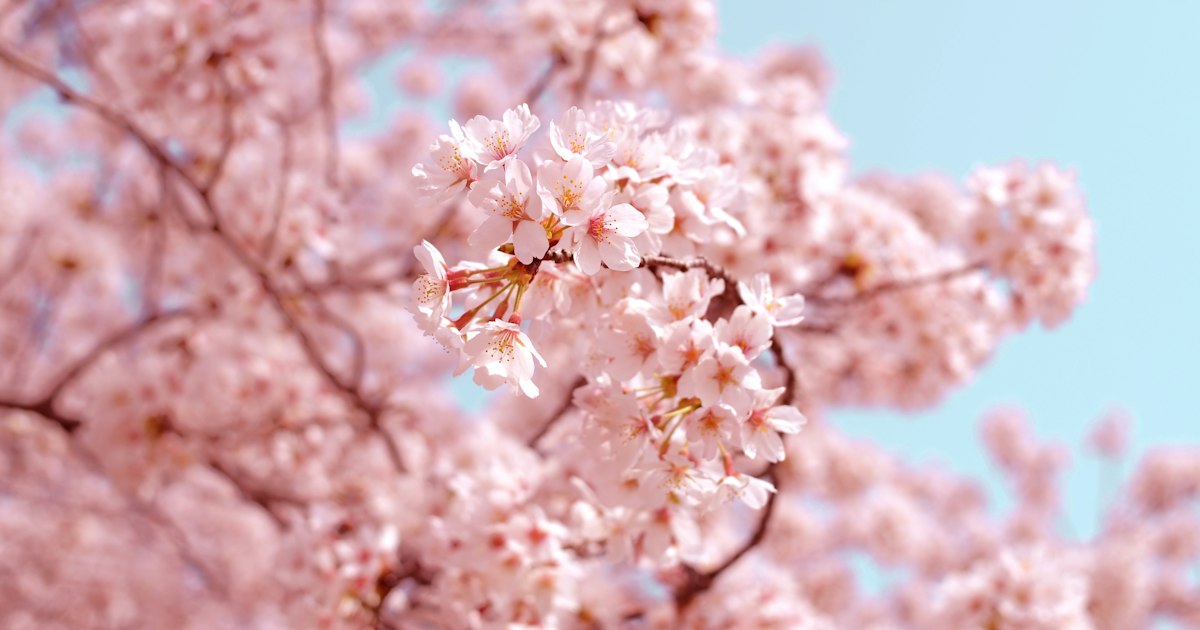
Walk into almost any convenience store or train station kiosk in Japan between late March and early April and you’ll see them: three chewy balls of mochi on a skewer, stacked pink, white, and green, sitting under a sign that might say sanshoku dango or might say hanami dango. Visitors often assume these are two different sweets and spend time hunting for a “real” version of whichever name they read first. In practice, you’re usually looking at the same dumpling with two overlapping names — but there are a few real distinctions worth knowing before you buy, especially if you’re shopping for a gift box rather than a snack to eat on a park bench.
Sanshoku Dango Is the Recipe, Hanami Dango Is the Occasion
Sanshoku (三色) simply means “three colors.” Sanshoku dango is the technical, year-round name for the pink-white-green mochi skewer, built from shiratamako or joshinko rice flour with no filling and no glaze — that’s what separates it from the soy-sauce-brushed mitarashi dango you’ll also see on the same shelf. Hanami dango (花見団子, literally “flower-viewing dango”) is the same dumpling, but the name is tied to the season: it’s what’s sold and eaten specifically during cherry blossom viewing, roughly mid-March through early April depending on the region. Most shops switch their signage to “hanami dango” the moment sakura forecasts start running on the news, then quietly relabel the identical product back to “sanshoku dango” once blossom season ends and demand fades. If you see sanshoku dango in July, it’s the same recipe sold out of season under its generic name.
What the Three Colors Mean
The order matters more than most visitors realize. Read top to bottom on the skewer, the colors are traditionally pink, white, and green:
- Pink — represents cherry blossoms, sometimes tinted with food coloring, occasionally with a faint sakura flavor from salted blossom extract.
- White — plain rice flour, standing in for lingering winter snow or the pale center of a blossom.
- Green — colored with yomogi (Japanese mugwort) or matcha, representing new grass and the greenery that follows the bloom.
Read together, the three colors trace a mini-calendar: winter fading into cherry blossoms into early summer greenery. There’s no red bean paste, no filling, and no sauce — the plain mochi is meant to let the colors and the mild rice flavor speak for themselves, which is also why dango is such a convenient food for eating one-handed while walking under the trees.
Common Mix-Ups Visitors Make
The biggest mistake is confusing hanami dango with sakura mochi, a completely different sweet: pink rice (not mochi dough) wrapped around red bean paste and bound in a pickled, edible cherry leaf, with a distinct salty-sweet flavor from the leaf. If a wagashi shop’s case has a pink item sitting in a leaf, that’s sakura mochi, not hanami dango.
The second mix-up is mistaking plain sanshoku dango for mitarashi dango. Mitarashi is a single color (toasted off-white) and glazed in a sweet soy sauce sauce — it’s a completely different flavor profile, often sold on the same stick-food shelf. If you want the pastel three-color version, look for the word 花見 (hanami) or 三色 (sanshoku) on the label, not みたらし (mitarashi).
Lastly, some travelers assume hanami dango must be eaten fresh at a festival to be “authentic.” It doesn’t need to be — supermarket and convenience store versions use the same rice flour base and are perfectly good, they just won’t have the slightly denser, fresher chew of a wagashi shop’s same-day batch.
Where to Buy It, and What to Pay
You don’t need to seek out a specialist shop unless you want one. Here’s a rough budget-to-splurge breakdown:
- Budget (¥150–250): Convenience stores (7-Eleven, Lawson, FamilyMart) and supermarkets stock skewer packs of two or three during hanami season. Supermarkets often discount these in the evening — if you’re shopping on a budget, the same timing tricks used for discounted bento boxes apply here; see our guide to shopping Japan’s end-of-day supermarket discount window for how those markdown stickers work.
- Mid-range (¥120–180 per skewer): Neighborhood wagashi (traditional sweets) shops and department store basement food halls (depachika) sell individually made dango, usually fresher and slightly more expensive than the convenience store version, often sold loose rather than pre-packaged.
- Splurge (¥800–2,000+ for a boxed set): Established wagashi makers near famous hanami spots sell gift boxes of five to ten skewers, sometimes paired with green tea, aimed at omiyage (souvenir gift) shoppers rather than people eating on the spot.
Street stalls inside major parks during peak bloom weekends will also sell individual skewers, typically priced closer to the mid-range tier, with a line to match.
Timing It With Cherry Blossom Season
Hanami dango only really earns its seasonal name for about three to four weeks. Tokyo’s bloom typically starts in the last week of March and peters out by the second week of April; Kyoto and Osaka track closely behind, while southern cities like Fukuoka can bloom a week or so earlier and Tohoku and Hokkaido bloom later into April and even May. Shops generally start stocking hanami dango about a week before the official forecast date for first bloom in their region, and demand (and freshness) peaks during the week of full bloom (mankai). If you’re visiting outside that window, ask for sanshoku dango by name — some wagashi shops keep it on the menu year-round even without the seasonal branding.
Eating Dango the Way Locals Do
Hanami dango is a park food first and a shop food second. Most people buy it to eat seated on a blue tarp under blooming trees, often as part of a larger spread of bento, drinks, and snacks shared among a group — which is also why bigger hanami groups tend to order food and reserve park spots well in advance. If you’re coordinating a larger party, the same logistics that apply to group restaurant bookings elsewhere in Japan are worth knowing; see our guide on traveling to Japan as a large group for how reservations and discounts scale with group size. If you’d rather see several blossom spots in one day without managing trains yourself, a guided sightseeing bus is a reasonable shortcut — our rundown of Hato Bus and Sky Bus Tokyo covers routes that pass through classic hanami areas like Asakusa and the Imperial Palace moat, where dango stalls are never far from the viewing crowds.
However you get there, the only real rule is to eat it soon after buying — the mochi dough stiffens within a few hours at room temperature, and a few hours longer in a hotel fridge will make it noticeably firmer. Treat it as a same-day sweet, not a souvenir to carry home, unless you’ve bought a vacuum-sealed gift box specifically made for travel.