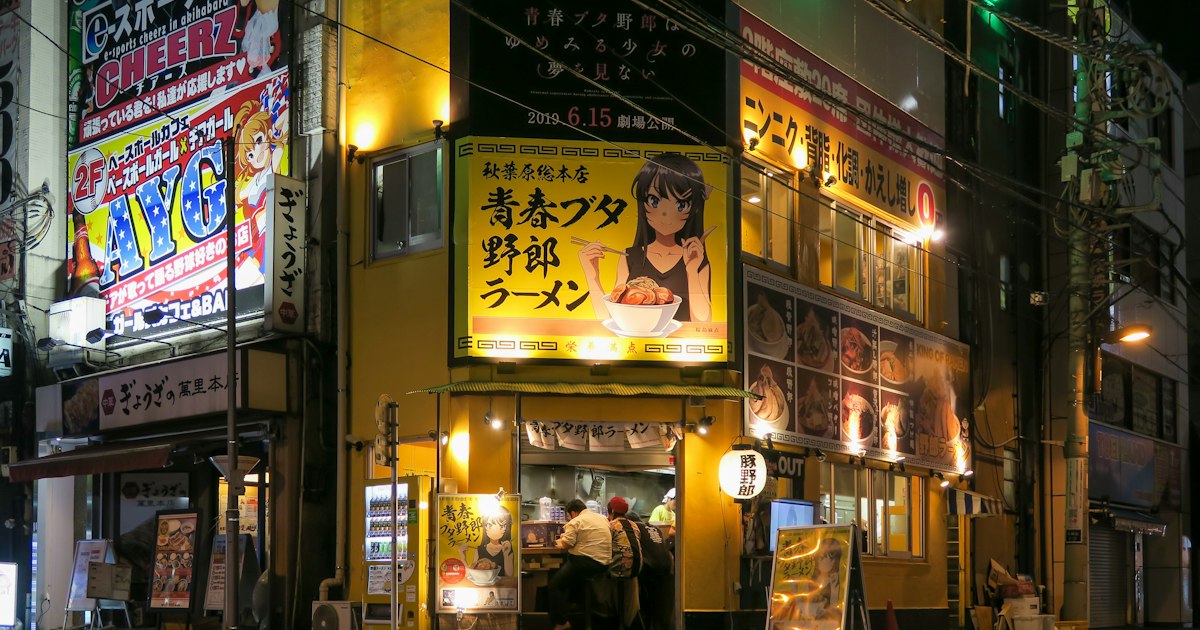
Photo by Shigeki Wakabayashi on Unsplash
Ask most first-time visitors what they’ll drink in Tokyo and the answer is sake, a highball, or maybe a craft beer. But over the past decade a quieter scene has grown alongside those classics: small, often tiny bars pouring natural wine — low-intervention bottles from France, Italy, Georgia, and a growing handful of Japanese producers — to a crowd that treats wine the way Tokyo treats everything else it takes seriously. If you want an evening that feels distinct from the standard izakaya crawl, here’s how to find it, what it costs, and what trips up visitors who wander in without knowing the rules.
What “Natural” Means Here
Natural wine is made with minimal cellar intervention — wild yeast fermentation, little or no added sulfites, and usually organic or biodynamic grapes. The result is often cloudier, funkier, and more unpredictable than a supermarket bottle, which is exactly the appeal for a city that already prizes small-batch, artisan-made food and drink. Most bottles poured in Tokyo are still imported, but Yamanashi and Nagano — Japan’s established wine regions, home to the native Koshu grape — now have a small but growing number of producers working in a natural style, and the better bars will usually have at least one on the list if you ask.
The Neighborhoods to Target
You don’t need to research individual bars in advance — you need to pick the right neighborhood and walk until something looks right. A few areas consistently deliver:
- Ebisu and Nakameguro — the densest cluster, connected by a pleasant 20-minute walk along the Meguro River. Good for bar-hopping between two or three spots in one night.
- Shibuya and Shimokitazawa — younger, more casual, with standing bars that keep prices low.
- Yanaka and Nezu — a quieter, old-shitamachi pocket with a handful of low-key wine bars that pair well with an afternoon temple walk; if you’re already exploring this area, the Nezu Shrine and Nezu Museum walk makes a natural lead-in before dinner.
- Kagurazaka — Tokyo’s old French-expat neighborhood, where natural wine fits naturally alongside the area’s bistros.
What It Actually Costs
Budget (¥900–1,800 per glass): standing bars with no cover charge, where you order by the glass and move on after one or two. Cash is often the only option, so bring some.
Mid-range (¥1,500–2,800 per glass, ¥6,000–12,000 per bottle): seated counters serving small plates alongside the wine — cheese, charcuterie, or Japanese bites. Many add a small otoshi (seating charge) of ¥300–500, standard at most Japanese drinking establishments, natural wine bars included.
Splurge (¥15,000+ per bottle): sommelier-run bars with direct-import, limited-production bottles and tasting flights. These are the spots most likely to have staff who speak some English and can talk you through the list.
Reservations, Hours, and Etiquette
Most natural wine bars are genuinely small — 8 to 15 seats — so a reservation matters more than it would at a big izakaya. Standing bars are usually walk-in only; mid-range and splurge places are worth calling or messaging via Instagram a day or two ahead, especially for Friday or Saturday. Typical hours run from 17:00 or 18:00 to 23:00 or midnight, with many bars closed on Sundays or Mondays and last orders called 30 minutes before close. Tipping isn’t expected, splitting a bottle between two or three people is completely normal, and it’s fine to ask whether smoking is allowed — some older, independently run bars still permit it.
Best Time to Go
The scene runs year-round, but the wine on offer shifts with the season. In summer (June–August), bars lean into chilled pét-nat and light whites, and riverside seating along the Meguro canal gets genuinely pleasant in the evening. In winter (December–February), skin-contact orange wines and lighter reds take over, better suited to a small, warm room. Avoid the first few days of January and Golden Week in early May — many independently owned bars close for holiday breaks with little notice. Weeknights, especially Tuesday through Thursday, are far easier for walk-in seating than weekends.
Mistakes Visitors Make
- Expecting an English menu. Most lists are handwritten in Japanese, sometimes with no English at all. Staff are usually happy to translate if you ask directly — don’t assume and don’t be shy.
- Showing up as a large group. Many counters physically cap at two to four people per table; call ahead if you’re more than that.
- Assuming cards are accepted. Despite Tokyo’s increasingly cashless reputation, plenty of small natural wine bars are still cash-only.
- Treating it like an izakaya crawl. These bars are built around the wine; food is a supporting act, usually a handful of small, considered dishes rather than a full dinner.
Pairing Food with the Wine
Natural wine bars in Tokyo often lean on simple, smoky, or fatty bites that stand up to funky, skin-contact wines — grilled fish is a frequent choice, and a classic like whole grilled shishamo is a genuinely good match for an orange wine’s bitterness and weight. If you’re ending the night on something sweeter, a few of the more design-conscious bars now stock single-origin bars from Tokyo’s craft chocolate makers; the bean-to-bar chocolate guide is worth a look if you want to track some down to pair or bring home as a gift.
None of this requires advance planning beyond picking a neighborhood and, for the nicer spots, a reservation. Walk in, point at something on the list if you have to, and let the bartender steer — that’s how most regulars drink here too.