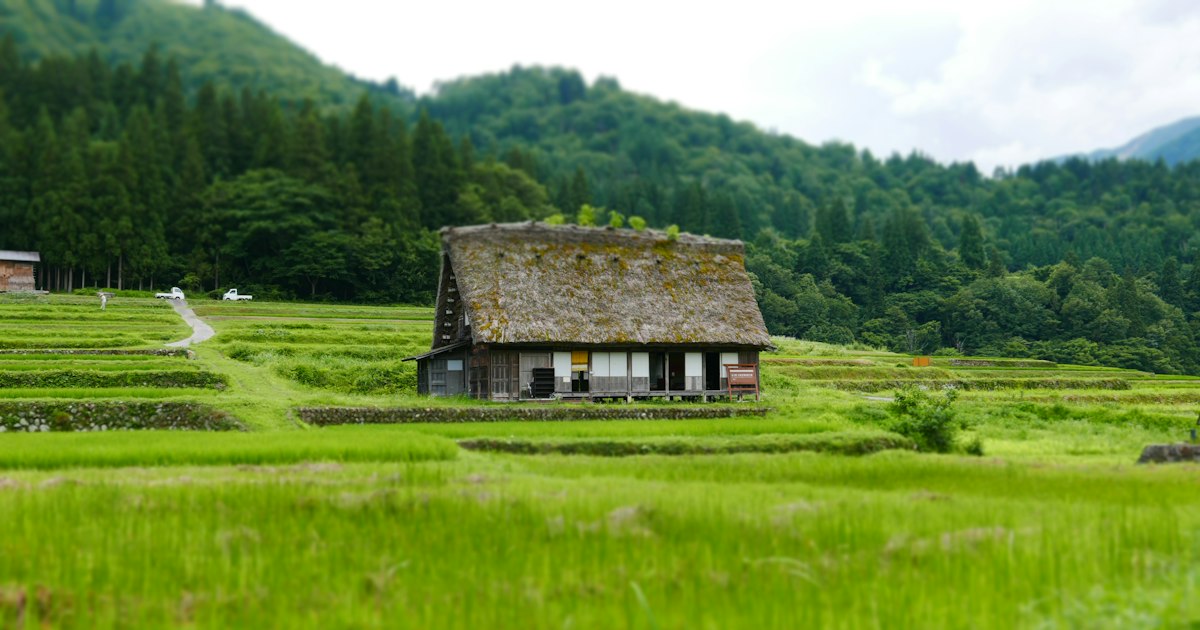
Photo by Victor Lu on Unsplash
If you’re trying to stretch a Japan trip from two weeks into two months without bankrupting yourself, work exchange is the budget traveler’s best-kept secret. Trade a few hours of labor a day—weeding a vegetable patch, changing hostel sheets, hauling firewood—for a free bed and often meals, and you can live in rural Japan for the price of a bus ticket. The two main routes are WWOOF Japan (farm stays) and informal guesthouse work exchanges (hostels and inns). They work differently, cost different amounts, and suit different kinds of travelers. Here’s how each one actually functions on the ground.
What WWOOF Japan Actually Is
WWOOF (Willing Workers On Organic Farms) Japan is a membership network connecting travelers with small organic farms, guesthouses, and homestead-style hosts across the country. You pay a membership fee—roughly ¥5,500 for six months as a single traveler, more for a couple—which gets you access to the host directory on wwofjapan.com. You then contact hosts directly, arrange dates, and travel there yourself. In exchange for about 4–6 hours of work a day, hosts provide a bed and usually three meals.
There’s no central booking system and no guaranteed placement—it’s entirely host-by-host, so response times vary wildly. Popular hosts near Kyoto or on well-known routes like the Shimanami Kaido fill up fast in high season; smaller, more remote farms are easier to book last-minute. A citrus farm on an island like Setoda, where lemon groves cover the hillsides, is the kind of place that typically needs seasonal hands around harvest (roughly October–December) and is a good example of the niche WWOOF fills—labor-intensive agricultural work that’s hard to staff with paid employees.
The Visa Reality Nobody Explains Clearly
This is the part that trips people up. WWOOF Japan is explicit that participants join as tourists, not workers—because no money changes hands (you’re not paid, and you’re not paying for lodging either; it’s a straight exchange), hosts and WWOOF Japan treat it as a non-commercial cultural exchange rather than employment. In practice this means most visitors do it on a standard 90-day visa-exempt tourist entry. There’s no special WWOOF visa, and you cannot legally stay beyond your tourist entry period by doing farm stays back-to-back indefinitely—immigration officers have discretion, and showing up repeatedly with a WWOOF-heavy itinerary can draw questions at the border. If you want to stay in Japan for genuinely long stretches with a stable legal basis, a student visa through a language school is a more durable option—see our guide to studying Japanese in Japan for how those visas and costs compare to a tourist-status work exchange.
Guesthouse and Hostel Work Exchanges
Separate from WWOOF, many independent guesthouses and hostels—especially in Kyoto, Takayama, Okinawa, and ski towns like Niseko and Hakuba—run informal work-exchange programs advertised through platforms like Worldpackers or Helpx, or sometimes just a notice on their own website or Instagram. The arrangement is usually 4–5 hours a day, 5 days a week, doing front desk, cleaning, or laundry, in exchange for a dorm bed. Meals are hit or miss—some include a staff dinner, many don’t, so budget ¥1,000–1,500 a day for food on top.
These are generally easier to land on short notice than WWOOF farm placements, and they put you in a town rather than isolated countryside, which suits travelers who want some nightlife or at least a convenience store within walking distance. Ski-town guesthouses are especially active December through March when they need extra hands for the winter rush; shoulder-season (May, October) placements are quieter but often easier to get, since fewer travelers are asking.
What It Actually Costs (and Doesn’t)
The appeal is obvious: zero accommodation cost for however long you stay, which for a one-to-two-week placement can save ¥50,000–100,000 compared to paying for guesthouse beds at ¥3,000–4,000 a night. But it’s not free overall. You still pay for:
- Getting to the host—often a rural farm reachable only by infrequent local trains or buses, sometimes requiring a transfer onto a regional line (the kind of scenic-but-slow route covered in our Toyama Chihou Railway guide is a good example of what rural host access often looks like).
- The WWOOF membership fee itself, which you pay regardless of how many placements you do.
- Pocket money for days off, laundry, and incidentals—hosts provide room and board, not an allowance.
- Travel insurance. This is non-negotiable for farm work; agricultural tools and uneven terrain are real injury risks, and standard travel insurance may exclude “work” activities depending on the policy wording, so read the fine print before you go.
Best Timing and Common Mistakes
Spring (April–June) is peak WWOOF season—rice transplanting, vegetable planting, and good weather make it the most requested window, so book hosts 4–6 weeks ahead. Autumn harvest (September–November) is the second busiest stretch. Winter is slow for most farms but, as noted, is exactly when ski-town guesthouses want help, so the two systems complement each other across the calendar.
The most common mistake is treating a WWOOF stay like a free hotel. Hosts expect genuine effort for the hours agreed, and a traveler who shows up expecting light tourism with chores on the side burns goodwill fast—hosts talk to each other, and a bad reputation follows you. The second mistake is underestimating rural living conditions: older farmhouses are often uninsulated, damp, and prone to mold in humid months, which is a real issue if you’re staying through Japan’s rainy season in June. Our guide on fighting mold in Japanese apartments covers the products (dehumidifying packs, anti-mold sprays) worth packing or buying locally if you’re placed somewhere older and poorly ventilated. The third mistake is assuming English will get you through—many hosts, especially outside major tourist corridors, speak little to none, so basic Japanese phrases for daily life and farm instructions make an enormous difference to how smoothly the stay goes.
Done right, work exchange gives you a version of Japan that’s almost impossible to buy: meals with a farming family, muddy boots at the door, and a slower, unscripted rhythm that no itinerary with paid lodging quite replicates.