Japan looks built for tripod photography — empty platforms at dawn, symmetrical shrine gates, train interiors that beg for a slow shutter. But more visitors get stopped by a station attendant or shrine staff member for an unregistered tripod than for almost any other photography issue in the country. The rules aren’t written down in one place, they vary by operator and by shrine, and “I didn’t know” rarely gets you anywhere once a guard has already asked you to pack up. Here’s what’s actually allowed, what a permit costs, and where to rent gear so you’re not hauling a tripod through customs for a three-day trip.
Why train stations are the strictest
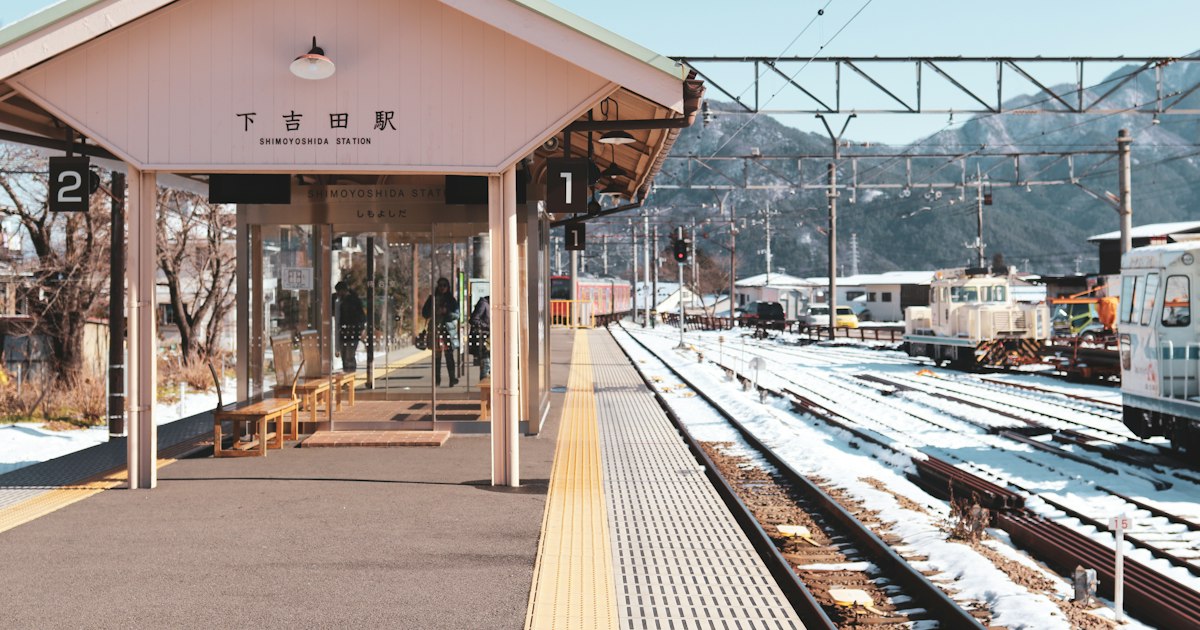
JR East, JR West, Tokyo Metro, and most private railways all prohibit setting up a tripod, monopod, or selfie stick on platforms and in concourses without prior permission. This isn’t really about photography — it’s about obstruction. A tripod leg across a walkway during rush hour is a liability the station can’t accept, and staff are trained to shut it down on sight regardless of how polite or professional you look. Early morning (before 7am) and late evening on quiet local lines get you more leeway in practice, but “leeway” isn’t permission, and an attendant who tells you to stop is not negotiable.
If you genuinely need a tripod shot inside a station — for a commercial shoot, a wedding portrait, or a serious architecture project — you apply to the specific railway company’s PR or facilities department, usually by email, at least one to two weeks ahead. JR East’s media inquiries go through its corporate site; Tokyo Metro has a similar process via its public relations office. Expect to state exact date, time window, station, number of people, and purpose. Approval isn’t guaranteed and there’s typically no standard published fee — it’s negotiated per shoot, and busy terminals like Shinjuku or Tokyo Station are far less likely to say yes than a quiet suburban stop.
For casual travel photography, the realistic move is: no tripod in stations, full stop. Handheld, a small flexible mini-tripod (the kind that clips onto a railing) usually doesn’t trigger a stop because it isn’t classified as a floor-standing tripod, but keep it brief and out of the main flow of foot traffic.
Shrines and temples: permission is site-by-site
Unlike stations, shrines and temples are privately managed religious sites, so there’s no national rule — it comes down to the individual institution. Famous, high-traffic spots (Fushimi Inari, Kiyomizu-dera, Senso-ji) generally disallow tripods in the busiest approach areas and main halls simply due to crowd volume, though quieter sub-shrines on the same grounds may be fine. Smaller, less-visited shrines are often genuinely relaxed about a tripod used respectfully outside worship hours, especially if you ask the shrine office (shamusho) first.
The polite protocol: find the shrine office near the main hall, ask “Sankakukyaku wo tsukatte mo iidesuka?” (May I use a tripod?), and expect either a quick yes, a request to avoid the inner shrine area, or a no during festival days. Some shrines that permit organized photography charge a modest location fee, often in the ¥3,000–¥10,000 range for a dedicated session, though this is arranged case-by-case rather than posted. Shooting at dawn, before the shrine office opens and before crowds arrive, is the most common workaround serious photographers use — it’s legal in the sense that nobody’s there to say no, but it also means you can’t ask permission, so stick to exteriors and gates rather than anything inside a worship hall.
Where to rent a tripod in Japan
Bringing a tripod from home is usually unnecessary. Rental shops cluster around Tokyo’s major camera districts and in most big cities:
- Budget: Rentio (online, ships to your hotel or a locker) rents compact travel tripods from roughly ¥500–¥1,500 for a few days, with return via prepaid envelope or convenience-store drop-off.
- Mid-range: Map Camera and Yodobashi Camera’s rental counters in Shinjuku, Shinsaibashi, and other major branches carry carbon-fiber tripods and monopods for about ¥1,000–¥3,000/day, often same-day pickup if you show a passport.
- Splurge: For video-grade fluid-head tripods or motorized gimbal rigs, specialist rental houses in Tokyo’s Nakano and Jimbocho photography district run ¥3,000–¥8,000/day — the same neighborhood worth a look if you’re also hunting analog gear, as covered in Buying a Used Film Projector or Slide Viewer in Japan.
Most rental counters open around 10am and close by 8pm, and same-day rental is common if you arrive before early afternoon — don’t count on it for an early-morning shoot unless you pick up gear the night before.
Best timing for tripod-friendly shots
Weekday mornings between 5:30am and 7am are the single best window nationwide — platforms are emptier, shrine grounds are open but unmanned, and light is good for both. Autumn (mid-November through early December) and early spring cherry blossom season bring the heaviest crowds and the strictest enforcement, since staff are actively managing overflow. Winter weekday mornings, by contrast, are the quietest time of year to get a clean shrine gate shot without anyone needing to tell you to move along.
Common mistakes to avoid
The biggest mistake is assuming a quiet-looking platform means nobody’s watching — station staff monitor CCTV and will radio ahead to the next platform attendant. Setting up anyway after being asked to stop can escalate to a report, which is a bad way to spend an afternoon of a trip. Another common error is confusing shrine grounds with the surrounding public street; a tripod set up just outside a torii gate on a public sidewalk is usually fine, while the same tripod ten meters inside the gate may not be. Finally, don’t assume a rental shop’s gear comes with any kind of permit paperwork — rental and permission are two completely separate things, and no shop can authorize you to use a tripod somewhere it’s otherwise banned.
If your trip involves other logistics-heavy gear beyond photography — bulky equipment, musical instruments, or oversized sports gear — the same “ask first, don’t assume” principle applies across Japan’s transit system, much like the permission and sizing rules covered in Shipping a Surfboard Through Japan’s Takkyubin System.
When a monopod or mini-tripod is the smarter choice
If the goal is just a steady low-light shot rather than a dedicated architectural series, skip the permit process entirely and use a tabletop or clamp-style mini-tripod under 30cm tall. These rarely register as “tripods” to station or shrine staff, pack into a jacket pocket, and rent for as little as ¥300/day from the same budget shops listed above. For anyone also renting an audio guide or translation device for the same visit — say, at a major temple — it’s worth bundling pickups in one trip, the same way visitors handle rentals described in Multilingual Audio Guide Rentals at Japan’s Temples and Museums.