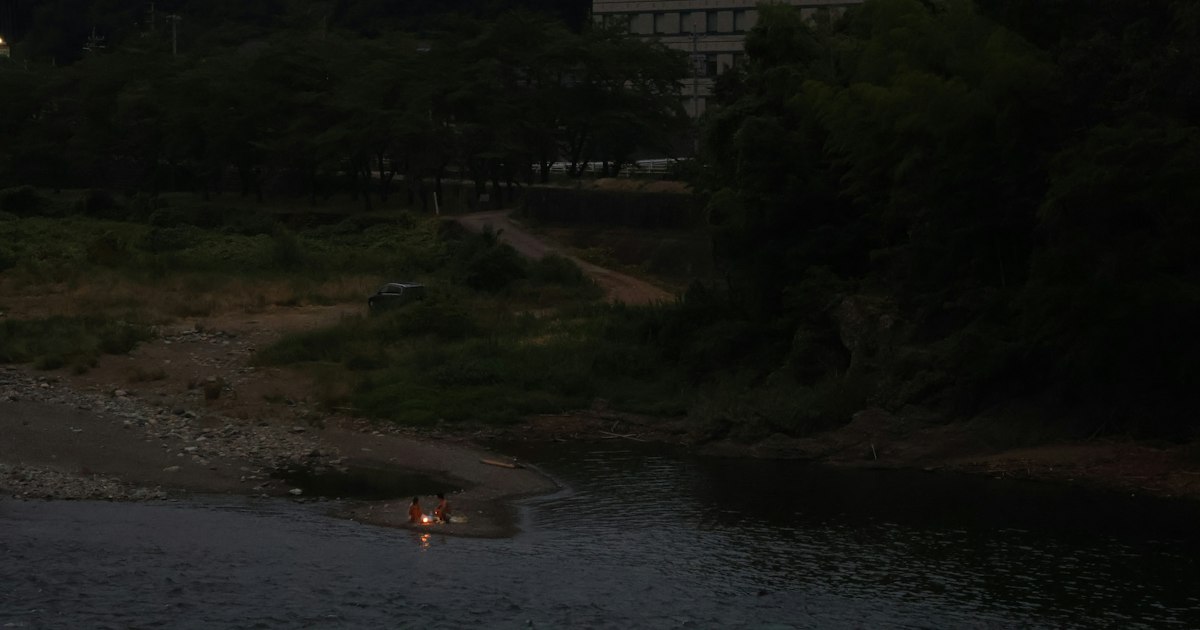
Photo by Yanhao Fang on Unsplash
Every June, thousands of pinpricks of cold green light start blinking along slow rivers and rice-paddy edges across rural Japan. It’s one of the country’s most understated seasonal events — no ticket gates, no crowds rivaling cherry blossom season, just a short window where hotaru (fireflies) turn a quiet creek into something that looks lit from within. Guided night walks make the experience far easier and more rewarding than wandering a dark path alone, and they’re cheap enough to fit into almost any countryside itinerary. Here’s how to actually book one.
Why Go With a Guide Instead of Looking Yourself
You can technically see fireflies without a tour — just show up near a known habitat after dark in June. But a local guide (often from the town tourism association, a nature NPO, or a nearby ryokan) solves three problems tourists consistently run into: they know which specific stretch of river is active this week (hotaru populations shift by the night depending on temperature and rainfall), they carry a dim red-filtered flashlight so the group doesn’t flash white light and scare the insects into hiding, and they can explain what you’re looking at — Japan has two common species, the larger Genji-botaru (Luciola cruciata), which flies over rivers and streams, and the smaller Heike-botaru (Luciola lateralis), found in still rice-paddy water. Their blink rhythms are genuinely different, and a guide will point it out.
When to Go: Reading the Season Right
Hotaru season is short and regional. As a rough national guide:
- Late May–early June: Kyushu and warmer parts of western Honshu start first.
- Mid-June: peak for most of central Honshu, including Nagano, Gifu, and the Kansai countryside around Lake Biwa.
- Late June–mid-July: Tohoku and higher-elevation spots catch up as the weather warms.
Within that window, the best single factor is the night itself: warm, humid, windless evenings right after sunset (roughly 7:30–9:00pm) produce the most activity. Fireflies go quiet in cold snaps, heavy rain, or strong wind, and a bright moon washes out their glow, so many guided walks are scheduled around the new moon. This overlaps with Japan’s rainy season (tsuyu), so pack for mud and damp — the kind of soggy-footwear problem a dehumidifying boot dryer solves fast once you’re back at your ryokan; see Kutsu Kansouki: Japan’s Electric Shoe Dryers and Why Renters Rely on Them in Rainy Season if your accommodation doesn’t already have one.
Where the Best Habitats Are
A few locations are well known enough to have organized viewing infrastructure:
- Moriyama, Shiga Prefecture — the Yasu River habitat near Lake Biwa has been a nationally designated protected firefly habitat since the 1920s, with organized viewing evenings in June.
- Tatsuno, Nagano Prefecture — the Tenryu River Hotaru Park hosts the town’s long-running Firefly Festival in early-to-mid June, with riverside paths and food stalls alongside the viewing area.
- Gujo, Gifu Prefecture — rural rivers around this castle town draw small guided groups away from the daytime tourist flow.
- Okutama, western Tokyo — the closest realistic option for travelers based in central Tokyo without a long train ride, with community-run walks along the Tama River tributaries.
- Shimanto River basin, Kochi Prefecture — one of Japan’s cleanest rivers, with genuinely dense firefly populations in good years.
Tourism association websites for these towns usually post that year’s expected peak dates by late May — worth checking a week or two before you travel rather than locking in dates too far in advance.
How to Book: Budget, Mid-Range, and Splurge
Pricing is modest compared to most Japanese guided tours:
- Budget (free–¥1,500): Many town firefly festivals and community viewing nights are free to attend; you just show up at the designated riverside spot at the posted time. Some require a simple online reservation through the local tourism association so they can cap group size.
- Mid-range (¥2,000–¥4,500 per person): Small-group guided walks run by nature NPOs or local guide associations, usually 60–90 minutes, often including a short talk on firefly ecology and a flashlight-free viewing stretch. These are the most common format and the best value for first-timers.
- Splurge (¥8,000–¥20,000+): Countryside ryokan in known hotaru areas sometimes bundle a private or small-group firefly walk into a one-night stay package during June, paired with a kaiseki dinner — useful if you’d rather not navigate rural buses at night. A handful of specialist operators also run small private night tours with a dedicated English-speaking naturalist guide, priced closer to a private charter than a walking tour.
Reservations for the mid-range and splurge tiers typically open in May once that year’s firefly forecast firms up, and popular dates (weekends during peak week) can fill within days, so book as soon as a specific evening is confirmed rather than waiting.
What to Bring and How to Behave
The single biggest mistake visitors make is treating a firefly walk like any other nighttime photo opportunity. Camera flashes, phone screens, and white flashlight beams will scatter the fireflies and ruin the experience for everyone else in the group — guides will ask you to switch phones to airplane mode or at least keep screens off. If you want photos, a tripod and a long exposure are really the only way to capture the glow convincingly, which is a different skill set from the daytime permit-and-tripod rules covered in Renting a Tripod and Getting a Camera Permit to Shoot Inside Japanese Train Stations and Shrines (firefly sites are outdoors and rarely require a permit, but a stable tripod is non-negotiable for a usable shot).
Other practical notes: skip insect repellent spray on exposed skin right before the walk if you can tolerate it — the chemicals can affect firefly behavior and some guides explicitly ask groups not to apply it near the habitat; wear long sleeves and trousers instead. River-adjacent paths get cool and damp after sunset even in June, and the humid air can feel oppressive on the walk in — a cooling gel patch tucked in your bag is a small comfort many Japanese hikers already carry, detailed in Netsusama Sheet: Japan’s Cooling Gel Patches for Fever and Summer Heat. Never try to catch or touch the fireflies; most viewing sites are protected habitats, and handling them shortens their already brief adult lifespan of just a few weeks.
Getting There and Pairing the Trip
Most hotaru habitats sit well outside train station walking distance, so check whether your chosen tour includes a shuttle from the nearest station — many of the ryokan packages do, while community festival viewings sometimes rely on a short taxi or local bus that stops running early. If you’re building a longer countryside itinerary around the visit, firefly season (May–July) is also prime time for other quiet rural activities; travelers who enjoy this kind of low-key outdoor evening often also like geocaching in Japan’s countryside during the daylight hours of the same trip. And if your firefly destination happens to be near a rural onsen town, it’s worth checking in advance which ones welcome tattooed travelers without requiring a cover-up sticker, covered in Onsen Towns Where Tattooed Travelers Can Soak Without a Cover-Up Sticker, so you can soak off the humidity before or after the walk.