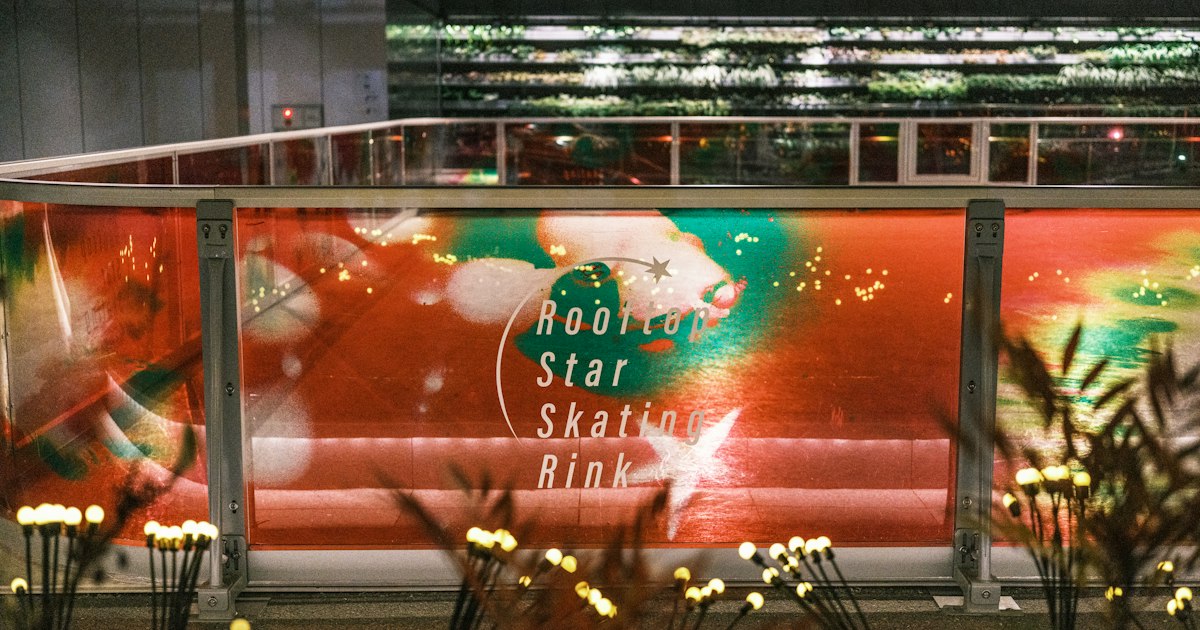
Photo by Nichika Sakurai on Unsplash
Japan isn’t the first place most people think of for ice skating, but it has a surprisingly deep rink culture — partly because the country has produced a run of world-champion figure skaters, and partly because shopping malls and sports complexes here treat an ice rink the same way they’d treat a bowling alley: a normal weekend activity, open to anyone who walks in. For visitors, that means you don’t need to pack skates, book lessons in advance, or even plan your trip around winter. You can show up, rent everything at the counter, and be gliding within fifteen minutes.
Why Japan Works Well for Visiting Skaters
Most Japanese rinks are set up for walk-in rental, not for people who bring their own gear. Front desks are used to foreigners, signage is often bilingual at bigger facilities, and staff will size skates for you without much conversation needed — point at your shoe size and nod. Sessions are sold by the hour or by a fixed session block (usually 2–3 hours), so you’re not committing a whole day. And because several rinks operate indoors year-round, skating pairs easily with a hot summer afternoon in Tokyo or Osaka when you need an air-conditioned break from temple-hopping.
Year-Round Indoor Rinks
If you want ice in July, your best bets are the handful of permanent indoor rinks that stay open all year rather than the seasonal pop-ups.
- Shin-Yokohama Skate Center — a short walk from Shin-Yokohama Station (one stop from Tokyo on the Shinkansen or Blue Line), this is one of Japan’s best-known training rinks and has hosted national-level figure skating competitions. Public sessions run most days; admission is typically in the ¥1,300–¥1,800 range for adults, with skate rental around ¥500 extra if it’s not bundled into the admission price. Because it’s a working training rink, public hours can be shortened or blocked off around competitions, so check the day’s schedule before heading over rather than assuming standard hours.
- World Ice Rink Namihaya (Higashiosaka, greater Osaka) — a genuine year-round rink that’s easy to reach from central Osaka by train and bus. It’s less touristy than the Tokyo seasonal rinks, which usually means shorter lines and a calmer, more local atmosphere. Expect similar pricing to Shin-Yokohama — roughly ¥1,300–�1,700 for a session plus rental.
Both are real sports facilities rather than entertainment venues, so don’t expect a view or a festive atmosphere — you’re there for the ice, not the scenery.
Seasonal Rinks: The Scenic Option
If you’re visiting between roughly late November and late February/March, Japan’s seasonal outdoor and semi-outdoor rinks are the more memorable choice. Meiji Jingu Gaien Ice Skating Rink in Tokyo (near Aoyama/Gaienmae) has been running every winter for decades and is one of the largest outdoor-style rinks in the city — a good option if you want the classic “skating under city lights” experience without the single-weekend popup feel. Roppongi Hills Arena also sets up a seasonal rink each winter with a backdrop of Tokyo Tower and the Mori Tower, popular for photos but smaller and busier, especially on weekend evenings. Seasonal rinks almost always close by exact dates that shift year to year, so confirm current open dates on the venue’s own page before building a day around it — don’t assume last year’s calendar repeats exactly.
If your trip takes you up to Tohoku in winter, pairing a rink visit with other cold-weather experiences makes sense; the Tsugaru Railway’s Stove Train in Aomori is exactly the kind of regional winter activity that fits well on either side of a skating stop if you’re already building a snow-season itinerary.
Rental Skates: Sizes, Prices, and What to Bring
Almost every rink in Japan rents skates — bringing your own is rare even among regulars. A few practical points:
- Sizing runs in centimeters, not US/UK/EU shoe sizes. Staff will usually ask your regular shoe size and convert, but if you know your foot length in centimeters, it speeds things up and avoids a too-tight first pair.
- Rental cost is typically ¥300–¥600 on top of admission, though some rinks (like many seasonal Tokyo pop-ups) bundle admission and rental into one combined price of roughly ¥1,800–¥2,500.
- Socks matter. Thin socks or bare feet inside rental boots lead to blisters fast — bring your own mid-weight socks if you have them; some rinks sell cheap ones at the counter if you forget.
- Gloves aren’t always provided. Falls on ice happen, and bare hands on cold ice aren’t pleasant — pack thin gloves, especially for outdoor seasonal rinks.
- Lockers are coin-operated at most facilities (¥100, often returned when you retrieve your bag), so bring small coins.
Best Timing and Common Mistakes
Weekday mornings and early afternoons are consistently the quietest times at both year-round and seasonal rinks — weekends, especially after 3pm, draw school groups and families and the ice surface gets crowded and chopped up fast. The most common mistake tourists make is showing up to a seasonal rink expecting it to be open, only to find it’s between winter seasons; always check current dates rather than relying on memory of “it’s usually open in winter.” The second most common mistake is underdressing — indoor year-round rinks are kept cold enough that a light jacket isn’t enough even in summer, so bring a layer even if it’s 35°C outside.
After a session, it’s worth warming back up properly rather than just heading to the next stop shivering. If your skating day lands you near a hot spring town, an onsen that welcomes tattooed visitors without a cover-up sticker is a genuinely good way to thaw out, and visitors with tattoos won’t have to worry about being turned away at the door.
Budget, Mid-Range, and Splurge Planning
For a no-frills visit, the year-round rinks in Yokohama and Osaka are your budget option — figure roughly ¥1,800–¥2,300 total per person for admission plus rental, with no extras needed. Mid-range means picking a seasonal rink with a view, like Meiji Jingu Gaien, where the atmosphere costs a little more (combined packages often land near ¥2,500) but the setting is worth it for photos. The splurge move is booking a private lesson slot where available — some rinks offer short group or semi-private coaching sessions for an extra fee, useful if you’ve never skated before and don’t want to spend your first twenty minutes on the ice falling down in front of strangers. None of these require advance reservation in most cases, though it’s worth calling ahead or checking the venue site during peak holiday weeks (New Year, late December) when seasonal rinks can hit capacity and temporarily stop selling same-day tickets.
Skating isn’t going to be the headline of most Japan itineraries, but as a half-day filler between bigger plans — especially one that works regardless of season — it’s one of the easier “yes, let’s just do this” activities to slot in without advance planning, in the same spirit as other structured drop-in activities travelers book mid-trip, like the PADI open water courses tourists book mid-trip in Okinawa.