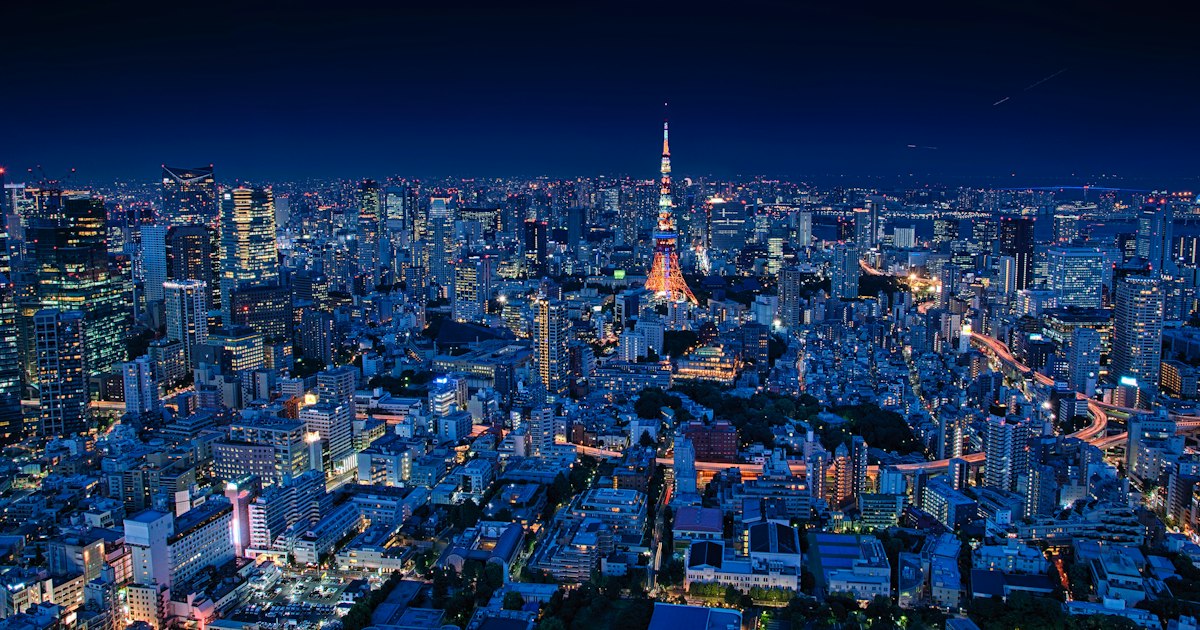
Photo by Takashi Miyazaki on Unsplash
If you’ve booked a hotel in Japan and noticed a line item you didn’t expect at check-in — or a small cash charge the front desk asks for separately — you’ve met shukuhakuzei (宿泊税), Japan’s accommodation tax. It’s not a scam and it’s not optional, but it’s also not huge: for most travelers it adds anywhere from a few hundred to a few thousand yen per person, per night. The confusing part is that Tokyo, Kyoto and Osaka each run their own version with different thresholds and rates, and a few other cities have added their own on top. Here’s what you’ll actually pay, and how to avoid the most common surprises.
What Is Shukuhakuzei, and Why Does It Exist
Shukuhakuzei is a local accommodation tax charged by the municipality (not the national government), layered on top of the regular 10% consumption tax. Revenue funds tourism infrastructure — multilingual signage, public toilets, crowd management at popular sites, and marketing. It’s charged per person, per night, based on the accommodation price for that stay, and it applies to hotels, ryokan, business hotels, and in some cities, minpaku (licensed vacation rentals). It generally does not apply to capsule hotels or dorm-style hostel beds priced below the lowest threshold in that city.
Tokyo’s Rates
Tokyo was the first city to introduce this tax, back in 2002, and its structure is the simplest of the three:
- Under ¥10,000 per person, per night: no tax
- ¥10,000–¥14,999: ¥100 per person, per night
- ¥15,000–¥19,999: ¥200 per person, per night
- ¥20,000 and above: ¥300 per person, per night
The tax is based on the room rate divided by the number of guests, not the total bill. A family of four paying ¥32,000 for a room works out to ¥8,000 per person — under the threshold, so no tax at all. This is one reason group bookings in modest business hotels often escape the tax entirely while a solo traveler in the same room class pays it.
Kyoto’s Rates (and the 2026 Overhaul)
Kyoto introduced its tax in October 2018 with a three-tier structure, but after years of complaints that cheap lodging and ultra-luxury suites were taxed almost the same, the city overhauled the system, with new, much steeper tiers taking effect in March 2026:
- Under ¥6,000 per person, per night: ¥200
- ¥6,000–¥19,999: ¥400
- ¥20,000–¥39,999: ¥1,000
- ¥40,000–¥99,999: ¥4,000
- ¥100,000 and above: ¥10,000
That top bracket is a real number — a ¥150,000-a-night suite at a high-end ryokan now carries a ¥10,000 per-person tax on top of consumption tax, which can mean an extra ¥20,000 for a couple over a two-night stay. Budget travelers come out roughly even or slightly better off than under the old system. If you’re staying at a traditional inn in the historic hot spring belt rather than central Kyoto, it’s worth remembering that nearby prefectures run their own versions too — Kanazawa, for instance, levies a separate tax on stays like those at Yamashiro Onsen near Kanazawa, so don’t assume a quote from a ryokan booking site already includes it.
Osaka’s Rates
Osaka’s tax, in place since 2017 and revised in 2023 to add a top bracket for luxury stays, looks like this:
- Under ¥7,000 per person, per night: no tax
- ¥7,000–¥14,999: ¥100
- ¥15,000–¥19,999: ¥200
- ¥20,000–¥39,999: ¥300
- ¥40,000 and above: ¥500
Osaka’s thresholds are the most forgiving of the three cities for mid-range travelers — a ¥18,000-a-night hotel near Namba or Umeda lands you in the ¥200 bracket, cheaper than the equivalent stay would cost in Kyoto under the new rules. This makes Osaka a popular base for day-tripping into Kyoto while sleeping somewhere the nightly tax bite is smaller, especially useful if you’re traveling with a group and splitting several nights across both cities.
How and When You Actually Pay It
This is where most confusion happens. Shukuhakuzei is almost never included in the price you see on booking sites like Booking.com, Expedia, or Rakuten Travel — it’s added locally and collected by the property, which then remits it to the city. Most hotels collect it one of two ways:
- At check-in, in cash. Business hotels and smaller ryokan especially favor this — have small bills ready, since front desks often can’t break a ¥10,000 note for a ¥200 charge.
- Charged to your card at checkout, bundled with any other incidentals, more common at larger international chains.
Either way, expect a separate line item or a small paper receipt distinct from your room bill. If you’re budgeting tightly for a trip and staying in simple lodging — the kind of room where you might also be bringing your own mini rice cooker for a hotel room or dorm to save on meals — check whether your nightly rate falls under the local threshold before you arrive; many capsule hotels and simple guesthouses do.
Other Cities With Their Own Lodging Tax
Tokyo, Kyoto and Osaka get the most attention because they’re the busiest, but they’re not alone. Kanazawa, Yufu (in Oita), Kutchan/Niseko (Hokkaido’s ski resort town), Fukuoka Prefecture, and Nagano’s Kusatsu-area onsen towns have all introduced or are introducing their own flat or tiered accommodation taxes, usually in the ¥100–¥500 range per person per night. If your itinerary includes multiple regions — say, a ryokan stay at an onsen town where tattooed travelers can soak without a cover-up sticker followed by a few nights in Kyoto — assume each city will add its own small charge rather than expecting one tax to cover the whole trip.
Common Mistakes to Avoid
- Assuming the online total is final. Shukuhakuzei is usually excluded from third-party booking prices, so budget a small cash buffer per person per night.
- Not carrying small cash. Many properties only accept exact or near-exact cash for this specific charge, separate from any card payment for the room.
- Confusing per-room and per-person rates. Kyoto and Osaka’s tiers are based on what each guest effectively pays, not the total room price — split a pricier room among more people and you can drop a bracket.
- Forgetting it applies per night. A five-night stay in Kyoto at the ¥1,000 tier means ¥5,000 per person in tax alone — factor this into longer stays, especially for families.
- Expecting hostels and capsule hotels to be exempt everywhere. Cheap doesn’t always mean tax-free; Kyoto’s lowest bracket still applies from ¥0, just at a reduced ¥200 rate.
None of this should change where you choose to stay — the amounts are small relative to the cost of a Japan trip. But knowing the brackets ahead of time means no surprised faces at the front desk, and a clearer sense of what a “¥20,000 a night” quote on a comparison site will actually cost once you’re standing in the lobby.