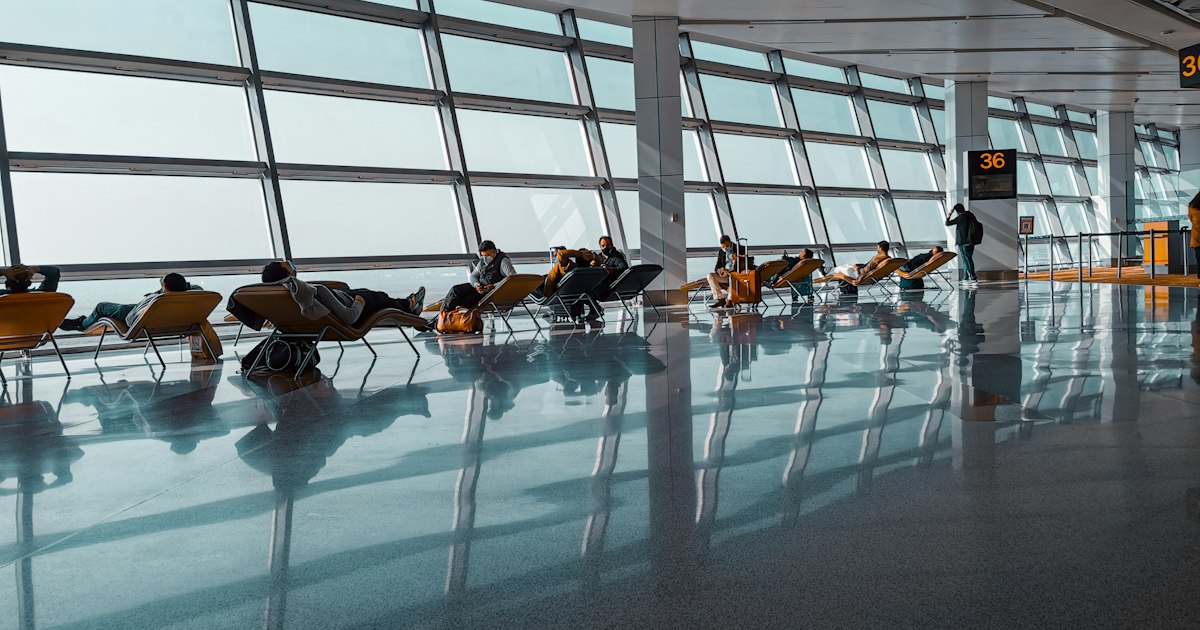
Photo by Ankur Khandelwal on Unsplash
If you’re flying out of Japan with a Priority Pass membership tucked into your wallet, the reality on the ground is messier than the app suggests. Narita, Haneda and Kansai each treat Priority Pass very differently — one airport has lounges scattered across every wing, another makes you pay a surprise top-up fee even with a “free” membership, and the third only works once you’re past passport control on the international side. Here’s what to actually expect at each one, so you’re not standing at a lounge desk at 6am arguing about a surcharge you didn’t know existed.
What Priority Pass Actually Gets You in Japan
Priority Pass membership itself costs around $99–$469 a year depending on the tier (Standard, Standard Plus, Prestige), with per-visit fees of about $35 on the cheaper tiers if you haven’t used up your included visits. In Japan, almost every Priority Pass lounge is on the international departures side, after you’ve cleared security and, in most cases, passport control. If you’re flying domestically within Japan, don’t expect to use your Priority Pass at all — domestic terminals here essentially have none of the independent lounges that accept it, since domestic lounge access is tied to airline status or paid “sakura lounge”-style memberships instead.
One practical habit worth building before every trip: open the Priority Pass app and check the live status of each lounge at your departure airport. Lounges here close for refurbishment, hit capacity caps during peak holiday weeks (Golden Week in late April/early May, Obon in mid-August, and the New Year period), or temporarily stop honoring Priority Pass without much public notice. The app usually reflects same-day closures faster than the main website does.
Narita Airport (NRT): The Best Coverage for Priority Pass
Narita is genuinely the strongest of the three for Priority Pass holders. Both Terminal 1 and Terminal 2 have independent lounges in the international departure areas that accept the card, typically open from around 6:30am to 9:00–9:30pm to match the bulk of long-haul departure times. They’re comfortable rather than luxurious: buffet-style snacks, alcohol, soft drinks, and reasonably quiet seating, but nothing close to a business-class airline lounge.
The catch at Narita isn’t access — it’s crowding. Because so many economy passengers on long-haul flights to North America and Europe carry a Priority Pass card (often from a travel credit card rather than a paid membership), lounges here fill up fast between 9am and noon and again from 4pm to 7pm, when most long-haul flights push back. If your flight is in that window, go straight to the lounge after security rather than browsing duty-free first — some locations cap entries and will turn you away at the door until someone leaves.
Haneda Airport (HND): Limited Lounges, Read the Fine Print
Haneda is the trickiest of the three. Its international terminal (Terminal 3) has lounges operated by TIAT (Tokyo International Air Terminal Corporation), and while some accept Priority Pass, they’re run as commercial pay lounges with a Priority Pass discount rather than lounges built around free membership access. In practice this can mean a supplementary charge of roughly ¥1,000–¥2,000 even when you tap your Priority Pass card, particularly during busy periods — it’s not a universal “free entry” the way Narita’s lounges work. Always confirm the current terms in the app before you queue, since policies here have shifted more than once.
Haneda’s domestic terminals (1 and 2) don’t offer Priority Pass lounges at all, since domestic lounge access in Japan runs almost entirely on airline status programs. If your itinerary connects through Haneda domestically before an international leg, plan your lounge time for after you reach the international terminal, not before.
Kansai Airport (KIX): Solid Options on the International Side
Kansai sits between the other two. Its international departures area has Priority Pass lounges airside, past passport control, generally open from early morning through the evening to cover the bulk of international wide-body departures to Asia, North America, and Europe. Coverage is decent but thinner than Narita’s — there are fewer separate lounges, so during the peak Kyoto/Osaka tourist season (spring cherry blossom season in late March–early April, and autumn foliage in November), expect a wait if you arrive during a cluster of departures.
Because Kansai serves both Kyoto and Osaka travelers, and because many visitors here are also weighing accommodation costs in those cities, it’s worth factoring your lounge plan into the same spreadsheet as other trip costs — see our breakdown of Kyoto, Osaka and Tokyo’s hotel accommodation tax if you’re still finalizing your overall budget.
Getting to Each Airport With Time to Spare
Lounge access is only useful if you actually get there with buffer time, and Japan’s airport transfers are reliable but not instant. To Narita from central Tokyo: the Narita Express (N’EX) runs about 60–90 minutes from Tokyo/Shinjuku/Shibuya stations for roughly ¥3,070 one-way, or the Keisei Skyliner from Ueno/Nippori takes about 40–50 minutes for around ¥2,570. To Haneda: the Tokyo Monorail from Hamamatsucho (around ¥500) or the Keikyu Line from Shinagawa (around ¥300–400) both take 15–30 minutes depending on your station. To Kansai from Kyoto: the JR Haruka limited express takes about 75 minutes, with non-reserved fares around ¥2,200 and reserved seats closer to ¥2,900–3,600; from Osaka’s Namba, the Nankai Rapi:t takes about 35–40 minutes for roughly ¥1,500.
Build in at least 3 hours before international departure if you actually want lounge time — 2 hours barely covers check-in, security, and passport control at any of these three airports during peak season, let alone a relaxed hour in a lounge.
Budget, Mid-Range and Splurge Alternatives
If a Priority Pass lounge is full or not worth the Haneda surcharge, you have other options. Budget: most terminals have free seating areas with charging ports and decent conbini/bakery food near the gates — perfectly fine for a short wait. Mid-range: several pay-per-use lounges at all three airports (not tied to Priority Pass) charge roughly ¥3,000–¥5,500 for a few hours, including showers, which is useful after a long domestic-to-international connection. Splurge: if you’re flying JAL or ANA in a premium cabin, their own first/business lounges (JAL First Class Lounge, ANA Suite Lounge) are a tier above anything Priority Pass offers, with proper hot meals and sake tastings — worth it if your fare already qualifies, not worth booking a higher fare purely to access one.
Common Mistakes to Avoid
The biggest mistake is assuming Priority Pass works the same way at every Japanese airport — it doesn’t, and Haneda’s surcharge catches a lot of travelers off guard. The second is cutting connection time too close and skipping security buffer entirely; if you’re also connecting onward to a domestic flight with carry-on-heavy luggage, it’s worth knowing how strictly Japan’s domestic low-cost carriers enforce bag sizing, covered in our guide to oversized carry-on enforcement on Japan’s domestic LCCs, since a gate-check delay can eat into any lounge time you planned. The third mistake is showing up to a lounge during the 9am–noon or late-afternoon rush expecting a quiet seat — at Narita especially, that’s exactly when capacity limits kick in, so earlier or later departures make for a far more relaxed Priority Pass experience.