Japan Trove

Author: JapanTrove Editorial

  • Sampuru: Japan’s Plastic Food Replicas and Where to Buy Them

    Sampuru: Japan’s Plastic Food Replicas and Where to Buy Them

    Photo by Clark Street Mercantile on Unsplash

    Walk past almost any restaurant window in Japan and you’ll see it: a glistening bowl of ramen, a perfectly browned tonkatsu, a parfait with condensation still “dripping” down the glass — all of it plastic. These hyper-realistic food replicas, called sampuru (サンプル, from the English “sample”), have been guiding hungry customers in Japan since the 1930s. They’ve also become one of the country’s most fun and genuinely useful souvenirs, ranging from 500-yen sushi keychains to museum-quality tempura platters. Here’s where sampuru actually come from, where to buy them, and how to avoid the rookie mistakes that trip up first-time buyers.

    What Is Sampuru, and Why Does It Exist?

    Before English menus, photo apps, and Google Translate, plastic food displays solved a real problem: how do you show a customer what “oyakodon” or “katsu curry” actually looks like? A Osaka-based craftsman named Takizo Iwasaki is usually credited with commercializing wax food models in the 1930s (the industry later switched to more durable and heat-stable PVC and vinyl chloride). Today, nearly every izakaya, department store restaurant floor, and train station soba shop in Japan still uses sampuru, and it remains one of the most visitor-friendly ordering systems in the world — you point at what looks good, no language needed.

    The craft itself is what makes sampuru collectible. Each piece of “lettuce” is individually shaped and painted by hand, sauce “drips” are poured in liquid resin and frozen mid-drip, and a single realistic-looking fried egg can take a trained craftsperson several attempts to perfect. That labor is exactly why a good sampuru costs real money and why buying one feels like buying a craft object, not a toy.

    Kappabashi, Tokyo: Japan’s Kitchen Supply Street

    The single best place to buy sampuru is Kappabashi Dougu Gai (合羽橋道具街) in Asakusa, Tokyo — a roughly 800-meter strip of restaurant supply shops selling everything a professional kitchen needs: knives, chef whites, noren curtains, tableware, and, at several dedicated stores, plastic food models. It’s easily combined with a visit to Senso-ji Temple, a 10-minute walk away.

    • Getting there: Tawaramachi Station (Ginza Line) is the closest, about a 5-minute walk. Asakusa Station is roughly 12–15 minutes on foot.
    • Hours: Most shops open around 9:30–10:00am and close by 5:30–6:00pm. Many independent shops close on Sundays, so a Tuesday–Saturday visit is safer if you want every store open.
    • What to look for: Maizuru (Ganso Shokuhin Sample-ya) is the best-known sampuru specialist on the street and also runs hands-on workshops. Tokyo Biken Kappabashi and a few smaller stalls carry cheaper mass-produced pieces alongside handmade ones.

    Since Kappabashi is a working trade street for chefs, not a tourist arcade, prices are transparent and there’s no haggling — but also no English signage in most shops, so bring a translation app if you want to ask about custom orders or shipping.

    Gujo Hachiman: The Birthplace of Plastic Food

    If you have more time, the small castle town of Gujo Hachiman in Gifu Prefecture is where a large share of Japan’s sampuru is actually manufactured, and it’s the best place to make your own. Sample Village Iwasaki, run by one of the industry’s oldest manufacturers, offers walk-in workshops where you dip real lettuce or tempura shapes into hot colored wax to build your own edible-looking souvenir — a genuinely fun 30–40 minute activity for kids and adults alike, generally priced in the low thousands of yen per piece depending on what you make.

    Gujo Hachiman is also worth the trip in its own right: clear spring-fed canals run through the old town, and it’s famous for the Gujo Odori summer dance festival. It pairs naturally with a Nagoya-based itinerary — if you’re already there for the food-replica factories, it’s worth carving out time for Nagoya’s own shopping streets, like Osu Shopping Arcade, before or after.

    • Getting there from Nagoya: JR to Mino-Ota, then transfer to the Nagaragawa Railway local line to Gujo-Hachiman Station (roughly 2 hours total), or take a direct highway bus from Nagoya or Gifu, which is usually faster and simpler with luggage.
    • Best timing: Weekday mornings are quietest for workshops; book or arrive early in peak summer travel weeks since school trip groups sometimes fill sessions.

    Budget, Mid-Range, and Splurge Options

    Sampuru shopping scales to almost any budget:

    • Budget (500–1,500 yen): Keychains and magnets shaped like a single piece of sushi, a slice of cake, or a fried egg. These are mass-produced but still hand-painted and make great, packable gifts.
    • Mid-range (2,000–8,000 yen): Standalone pieces like a realistic tempura shrimp, a bowl of curry, or a beer-and-edamame set — good for display at home, and the size most people actually take home.
    • Splurge (10,000 yen and up): Full ramen bowls, parfaits with “melting” ice cream, or made-to-order replicas of a specific dish, which some Kappabashi shops can produce for restaurants and serious collectors, though these take time and aren’t a same-day purchase.

    Common Mistakes to Avoid

    • Assuming it’s edible or a food product for customs purposes. Sampuru is PVC/vinyl resin, not food, so there’s no import restriction on the food side — but do treat it as a fragile item, not something to stuff in a checked bag unprotected.
    • Skipping the packaging check. Painted details (drips, glaze) can chip if items rattle around loose. Ask the shop for bubble wrap or a rigid box — most Kappabashi stores will do this for larger pieces if you ask.
    • Underestimating size and weight. A full-size ramen bowl replica is heavy and awkward in carry-on luggage. If you’re traveling onward by bullet train with a bulky box, check the rules in Shinkansen Oversized Luggage Rules before you buy something too big to carry comfortably.
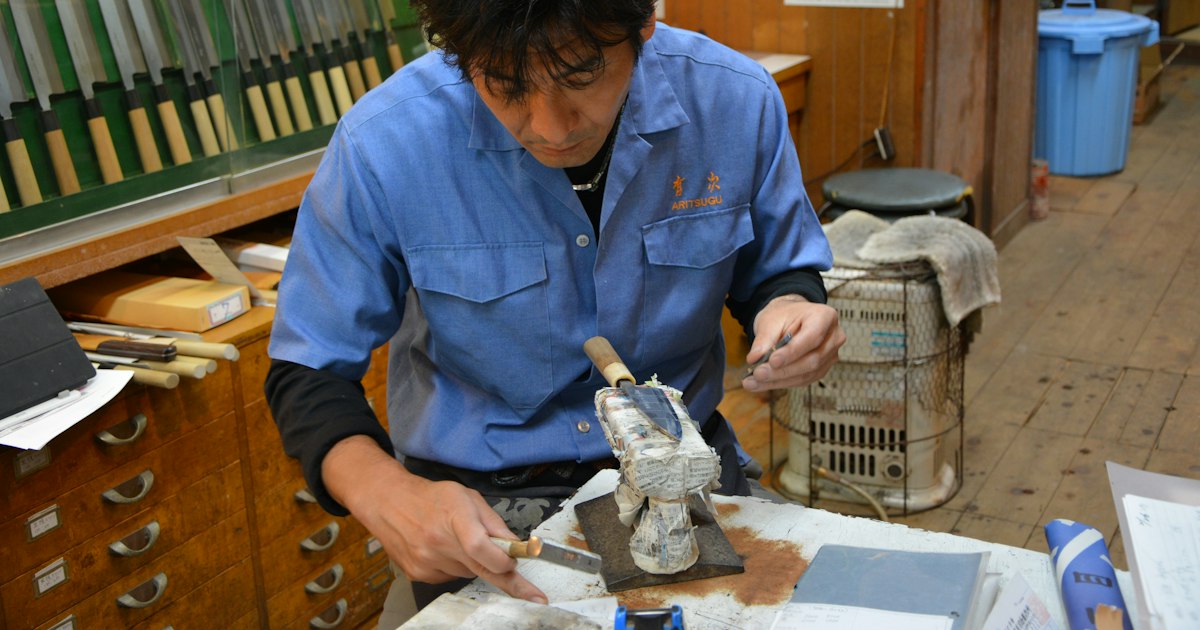
    • Only browsing sampuru and missing the rest of Kappabashi. The same street sells professional-grade kitchen knives, and if you’re already in a “Japanese craft” mindset, it’s worth reading up on Japanese whetstones before buying a knife you won’t know how to maintain.
    • Expecting fixed English pricing everywhere. Some shops price by weight or complexity for custom pieces; ask before assuming a sticker price covers customization.

    Best Time to Go

    Sampuru shopping isn’t seasonal in the way cherry blossoms or illuminations are, but timing still matters practically. Weekday mornings at Kappabashi mean shorter lines at the popular sample shops and staff with more time to explain custom orders. Avoid arriving right before closing if you want a shop to properly pack a fragile item. In Gujo Hachiman, spring through autumn is most pleasant for wandering the canal streets between workshop sessions, while winter is quieter but some smaller shops reduce hours.

    However you plan the trip, sampuru shopping is one of the rare souvenir categories in Japan that’s both inexpensive to start and genuinely collectible at the high end — a rare gift that looks like an in-joke to people who’ve never heard of it, and looks like edible art to everyone else.
  • Hakuba Valley: Japan’s Premier Ski Resort Guide

    Hakuba Valley: Japan’s Premier Ski Resort Guide

    Photo by Khoa Le on Unsplash

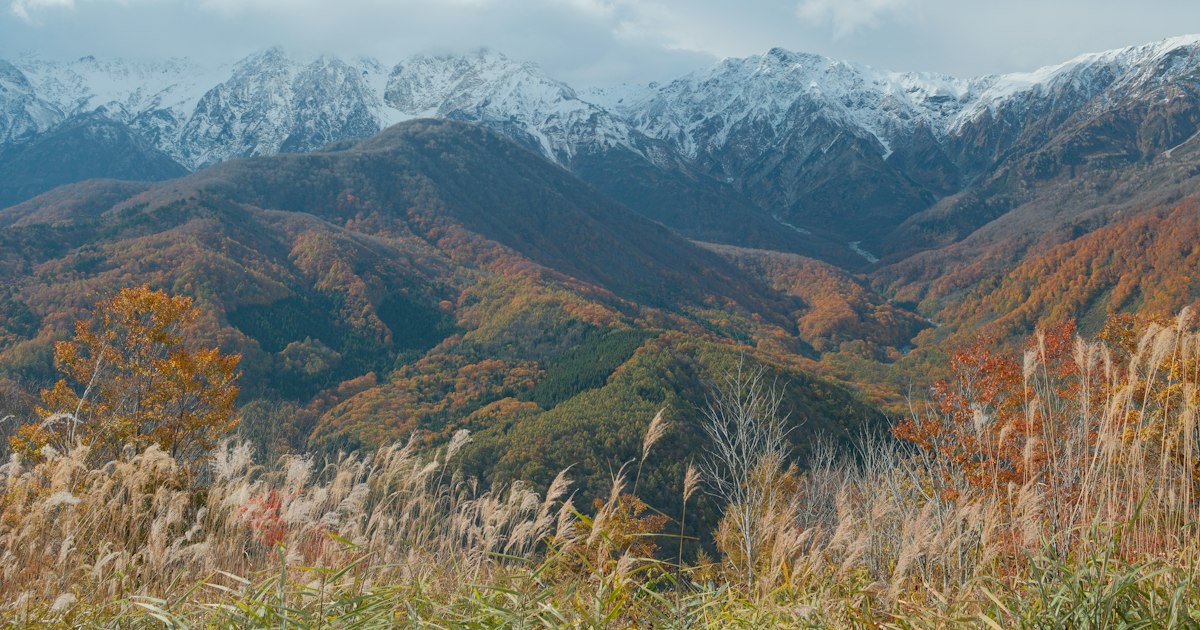
    Hakuba Valley isn’t one ski resort — it’s ten of them, strung along a single valley in the Northern Japan Alps that hosted the alpine events at the 1998 Nagano Winter Olympics. For foreign visitors, that scale is both the appeal and the confusion: which resort do you actually buy a lift ticket for, how do you get up there from Tokyo, and is it worth the trip compared to closer options? Here’s what you need to know before you book anything.

    Why Hakuba, Specifically

    Hakuba sits in Nagano Prefecture, roughly in the middle of Honshu, which means it catches heavy Siberian snowfall in a way that resorts closer to Tokyo simply don’t. The terrain is also more varied than most Japanese ski areas — steep alpine bowls and long vertical drops at Happo-One, tree runs and backcountry access at Cortina and Norikura, and gentle, wide-open slopes for beginners at Tsugaike Kogen. Unlike Hokkaido’s Niseko, which leans heavily into powder and nightlife for a mostly Australian crowd, Hakuba still feels more Japanese: onsen ryokan, small izakaya, and a village that functions as a real town outside ski season too.

    Getting There

    The fastest route from Tokyo is the Hokuriku Shinkansen from Tokyo Station to Nagano Station, which takes about 80–100 minutes. From Nagano Station, Alpico Kotsu runs direct buses to Hakuba (roughly 70 minutes, around ¥2,600–2,800 one-way). Door to door, budget 3 to 3.5 hours from central Tokyo.

    If you’re traveling with ski or snowboard bags, check your Shinkansen reservation rules before you go — oversized luggage on the Shinkansen requires a separate reservation and fee if your bag exceeds the standard size limits, and ski bags often do. Our Shinkansen oversized luggage guide covers exactly what counts and how to book the extra space in advance so you’re not turned away at the gate.

    The budget alternative is a direct overnight or daytime highway bus from Shinjuku or Ikebukuro straight to Hakuba, which takes about 5 hours and costs roughly ¥5,000–8,000 one-way depending on the operator and season. It’s slower but skips the transfer and often costs less than half the Shinkansen route. Renting a car from Tokyo is another option if you’re comfortable with mountain driving in snow — expect around 3.5–4 hours depending on traffic and conditions.

    Which Resort to Ski

    All ten resorts are covered by one multi-resort pass (see below), and a free shuttle bus connects most of them, so you’re not locked into one area for your whole trip.

    • Happo-One — the largest and most famous, with the Olympic downhill course. Best for intermediate-to-advanced skiers who want long runs and views of the Alps.
    • Hakuba47 & Goryu — linked resorts with a strong terrain park and tree-run access, popular with snowboarders.
    • Cortina & Norikura — smaller, less crowded, known among repeat visitors for reliably deep powder.
    • Tsugaike Kogen — wide, gentle slopes and a dedicated kids’ area; the best pick for beginners and families.
    • Iwatake — close to the village, good mountain-view gondola, decent for a shorter or half-day session.

    Best Season and Timing

    The season generally runs from early/mid-December through late April or early May, with higher-elevation areas like Tsugaike opening slightly earlier. Peak powder conditions are typically January and February, but this is also when the valley is busiest and priciest, especially over the New Year holiday and Chinese New Year. Late February into March brings milder temperatures, thinner crowds, and often discounted multi-day lift passes — a good window if flexible snow quality matters less to you than comfort and cost. Weekdays are noticeably quieter than weekends everywhere in the valley.

    Lift Tickets, Rentals, and Costs

    A single-resort day pass runs roughly ¥6,500–7,500 for an adult. The better value for most visitors is the Hakuba Valley multi-resort pass, which covers all ten resorts and the connecting shuttle for about ¥9,000–10,000 per day, with per-day rates dropping on 2-day, 4-day, and longer passes. Buy it online in advance or at ticket counters in the village.

    Budget: rent a full ski or snowboard set (boots, skis/board, poles) for around ¥5,000–6,000 a day at shops like Rhythm Hakuba or Petite Montagne in the village center; book online ahead of peak weeks to guarantee sizing. Mid-range: a private lodge or pension near Happo or Wadano with breakfast included, generally ¥15,000–25,000 per night for two. Splurge: ski-in/ski-out chalets and higher-end onsen ryokan in the valley run well above ¥40,000 a night in peak season and book out months ahead.

    Common Mistakes to Avoid

    The biggest one is treating Hakuba like a single resort and buying a single-mountain ticket, then realizing the run or terrain you wanted is at a different resort ten minutes down the road — the multi-resort pass avoids that regret for a relatively small price difference. Second, underestimating transfer time: the shuttle buses between resorts run on a schedule, not on demand, so build in buffer time rather than planning a tight multi-resort day. Third, skipping travel insurance or gear insurance — mountain rescue and injury costs in Japan are not trivial, and most standard travel policies don’t automatically cover skiing. Finally, don’t assume English is widely spoken at every rental shop or lift ticket counter; the busier resorts near the village (Happo-One, Hakuba47) are used to foreign visitors, but smaller resorts may require more patience or a translation app.

    After the Slopes

    Hakuba’s onsen culture is a real part of the experience, not an afterthought — several ryokan offer day-use hot spring bathing for outside guests, typically ¥800–1,500, which is worth it after a full day on the mountain. If you want a lower-key alternative Japanese mountain getaway to compare Hakuba against, or you’re extending your trip beyond ski season, Nagano’s other big draw is Karuizawa, which is closer to Tokyo and geared more toward shopping and cooler-weather retreats than serious skiing. And if your trip lands in December or January, it’s worth timing a night or two around Japan’s seasonal light displays — our guide to Japan’s winter illuminations lists the best festivals if you’re routing through Tokyo or Nagano city on the way in or out.

  • Okunoshima: Japan’s Rabbit Island in the Seto Inland Sea

    Okunoshima: Japan’s Rabbit Island in the Seto Inland Sea

    Photo by Da-shika on Unsplash

    Okunoshima is a small island in Hiroshima Prefecture’s Seto Inland Sea where several hundred wild rabbits roam freely across beaches, forest paths, and an abandoned World War II poison gas factory. It’s an easy half-day or full-day trip from Hiroshima, and unlike many “hidden gem” destinations, it genuinely delivers: rabbits will hop up to your feet within minutes of stepping off the ferry. Here’s how to plan the trip properly, including the details most guides skip.

    How to get to Okunoshima

    The island itself has no bridge — you reach it by ferry from Tadanoumi Port, a small port town between Hiroshima and Onomichi.

    • From Hiroshima Station: Take the JR Kure Line (local/rapid) directly to Tadanoumi Station, about 1 hour 20 minutes. Alternatively, ride the Sanyo Shinkansen or Sanyo Main Line to Mihara Station (about 20–40 minutes) and transfer to the JR Kure Line to Tadanoumi (about 15 minutes) — this combo is often faster overall and worth it if you’re already carrying a rail pass. If you’re routing through the Shinkansen with big suitcases, check Shinkansen oversized luggage rules before you book seats, since Mihara is a standard-car stop with limited oversized-baggage space.
    • From Tadanoumi Station to the port: It’s a flat 5-minute walk to Tadanoumi Port, well signposted with rabbit mascots.
    • Ferry: Setonaikai Kisen runs the Tadanoumi–Okunoshima ferry, a 12–15 minute crossing. Boats run roughly hourly (more frequently on weekends and holidays), with the first departure around 7:00 am and the last around 5:00–6:00 pm depending on the season. One-way fare is about ¥320 for adults (roughly ¥620 round-trip), with reduced fares for children. Schedules shift seasonally, so check the current timetable on the Setonaikai Kisen website before you go — missing the last boat back means an overnight stay is your only option.

    Total travel time from central Hiroshima is around 2 hours door-to-port each way, so budget a full day if you want more than a quick rabbit photo stop.

    Best time to visit

    Spring (April–May) and autumn (October–November) are ideal — mild temperatures keep the rabbits active and visible throughout the day. In midsummer, rabbits mostly hide in shade during the hottest hours (roughly 11 am–3 pm) and only come out in force early morning or late afternoon; if you’re visiting in July or August, plan around those windows and bring your own water, as shade is limited on the open hillside trails. Winter is quieter and colder but still workable, with rabbits clustering near the ferry terminal and picnic areas where visitors are most likely to feed them. Weekday mornings, right after the first or second ferry, are consistently the least crowded time to visit.

    Feeding and interacting with the rabbits

    This is where most visitors make avoidable mistakes:

    • Don’t bring cabbage, lettuce, or bread from the mainland. Rich, wet vegetables and bread can cause digestive problems in rabbits that survive on a fairly restricted island diet. Buy dry rabbit food (sold as small bags, roughly ¥100–¥200) at the shop near the ferry terminal or at the Kyukamura hotel shop instead.
    • Feed from an open palm, not by hand-holding food close to your body — rabbits can nip fingers by accident when several compete for one pellet.
    • Don’t pick the rabbits up. It stresses them and can injure them; signage around the island asks visitors not to chase or grab them. Kneeling to their level gets you just as good a photo.
    • Early morning and just before the last ferry are the calmest times — midday brings tour groups and the rabbits get overwhelmed with food, some visibly avoiding the crowds by that point.

    The island’s wartime history

    Okunoshima’s rabbits get the attention, but the island has a heavier backstory. From 1929 to 1945, the Imperial Japanese Army operated a secret poison gas factory here, producing mustard and tear gas — the island was deliberately removed from contemporary maps to keep the facility hidden. The Okunoshima Poison Gas Museum (Doku Gasu Shiryokan), a short walk from the ferry terminal, documents this history with equipment, photographs, and worker testimonies. Admission is around ¥100 for adults and ¥50 for students, and it’s open daily from 9:00 am to 5:00 pm (last entry 4:30 pm). It’s a sobering, worthwhile counterpoint to the island’s cuter reputation, and the overgrown concrete ruins of the old factory buildings — now rabbit shelters — are scattered along the coastal walking path.

    Getting around and what else to do

    A paved loop road circles the island, about 4.3 km, walkable in 1.5–2 hours at a relaxed pace, or you can rent a bicycle near the hotel for roughly ¥300–¥500 for a few hours. Along the way you’ll pass small beaches, a golf course, and several overgrown gun batteries and munitions storage ruins from the same wartime period. There are no shops or convenience stores beyond the ferry terminal and hotel, so pick up drinks and snacks before boarding if you’re staying past a couple hours — vending machines exist but are limited.

    Where to eat and stay

    Kyukamura Okunoshima is the only accommodation on the island, a public resort-style lodge run by Japan’s national park lodge chain.

    • Budget: The island has a small campground (roughly ¥500–¥1,000 per site) if you’re equipped with your own gear — a good option for early-morning rabbit access before day-trippers arrive.
    • Mid-range: Kyukamura’s standard rooms with two meals (Seto Inland Sea seafood-focused dinner and breakfast) run roughly ¥13,000–¥20,000 per person per night — reasonable for a hotel with essentially the whole island to itself after the last ferry leaves.
    • Splurge: There isn’t a luxury option on Okunoshima itself; if you want a higher-end stay, base yourself in Onomichi or Hiroshima city and treat Okunoshima as a day trip instead.

    The Kyukamura restaurant is the only real dining option on the island outside vending machines, so if you’re day-tripping, eat before or after in Tadanoumi or back in Hiroshima.

    Common mistakes to avoid

    • Missing the last ferry — there’s no way off the island afterward except the hotel, so double-check the return schedule before you disembark.
    • Visiting at midday in summer expecting rabbits everywhere — they’ll be resting in shade.
    • Skipping the Poison Gas Museum because it seems like a detour — it’s a five-minute walk from the terminal and adds real context to what you’re seeing.
    • Forgetting cash — the ferry, food shop, and museum are all cash-friendly but not guaranteed to take cards.

    If you’re building out a Hiroshima-area itinerary with a few offbeat stops, Okunoshima pairs well with a broader look at Japan’s lesser-visited destinations — the Tottori Sand Dunes and mountain escapes like Karuizawa show a similarly different side of the country from the usual temple-and-city circuit.

  • Basashi: Kumamoto’s Horse Meat Sashimi Tradition

    Basashi: Kumamoto’s Horse Meat Sashimi Tradition

    Photo by lin zhaohai on Unsplash

    In most of Japan, horse meat shows up as an occasional novelty. In Kumamoto, it’s a point of civic pride. Basashi — thin slices of raw horse meat dipped in soy sauce with ginger, garlic, and a dab of grated garlic or karashi mustard — has been part of the local diet since the samurai era, and today it’s one of the first things locals recommend to visitors before they’ve even asked. If the idea of raw horse sounds intimidating, this guide will tell you exactly what to order, what it costs, and how to eat it without the rookie mistakes.

    What Is Basashi?

    Basashi (馬刺し) means “horse sashimi.” The meat is served raw, sliced thin, and chilled — often on a bed of shredded onion or shiso leaf. It’s sometimes called sakura niku (“cherry blossom meat”) because of its deep pink-red color, which is more vivid than beef and noticeably leaner. The taste is mild and slightly sweet, closer to lean tuna or venison than to beef, and the texture is tender rather than chewy.

    Kumamoto Prefecture is widely regarded as Japan’s basashi capital, producing and consuming more horse meat than almost anywhere else in the country. The tradition is often traced back to the samurai general Kato Kiyomasa, who is said to have eaten horse meat during a food shortage on a military campaign in Korea and brought the custom home. Whether or not the legend is exact, Kumamoto has run with it for centuries.

    The Cuts: From Lean Akami to Fatty Tategami

    A proper basashi order isn’t just “horse meat” — it’s a menu of distinct cuts, and knowing them helps you order intelligently:

    • Akami — the standard lean red meat, mild and slightly sweet. This is the safe starting point.
    • Koune — a fattier cut from the neck, with visible marbling. Richer and more melt-in-the-mouth than akami.
    • Tategami — the mane fat, nearly pure white and extremely rich. It’s served in small portions because a little goes a long way; think of it as the horse-meat equivalent of pure fatback.
    • Reba sashi — raw horse liver. After raw beef liver sales were banned nationwide in 2012 over food-safety concerns, raw horse liver became one of the few legal ways to still get sashimi-style liver in Japan, and Kumamoto restaurants lean into it.

    Most izakayas sell a moriawase (assorted plate) with three or four of these cuts side by side, which is the best way to compare them on a first visit.

    Where to Eat Basashi in Kumamoto

    You’ll find basashi on the menu at almost any izakaya in central Kumamoto City, particularly around the Shimotori and Kamitori covered shopping arcades near Kumamoto Castle, and around Suizenji Jojuen garden.

    • Budget: A basic akami plate at a casual izakaya runs roughly ¥600–900, and an assorted moriawase plate is typically ¥1,200–2,500. Many lunch spots also serve a basashi-don (basashi over rice) for around ¥900–1,300, which is a cheap, low-commitment way to try it.
    • Mid-range: Specialist basashi restaurants — places that focus on horse meat rather than treating it as one izakaya item among many — charge more for graded, higher-quality cuts, generally ¥2,500–4,500 for a proper multi-cut set with drinks.
    • Splurge: A few dedicated basashi restaurants offer full course menus (kaiseki-style, pairing several cuts with local shochu or sake) in the ¥5,000–8,000 per person range. These are worth it if you want to taste the difference between commodity-grade and top-grade meat side by side.

    Most izakayas open for dinner from around 17:00 and serve until 23:00 or later; reservations aren’t usually necessary for walk-in izakaya dining, but it’s worth booking ahead for the dedicated basashi specialty restaurants, especially on weekends.

    How to Order and Eat It Like a Local

    The classic condiment is a small dish of soy sauce mixed with grated ginger and garlic; some restaurants also offer karashi mustard on the side. Dip lightly — the meat’s flavor is delicate, and drowning it in soy sauce is the single most common mistake visitors make. Take one piece at a time rather than pre-mixing everything into the sauce dish.

    Start with akami before working up to koune or tategami; going straight for the fattiest cut can be overwhelming if you’re not used to raw animal fat. If reba sashi is on the menu, ask staff whether it’s fresh that day — quality places rotate stock carefully and won’t hesitate to tell you if it’s not at its best. Basashi pairs naturally with cold beer, shochu, or a canned highball; if you want to explore Japan’s broader canned-drink culture while you’re at it, our guide to chu-hi and Japan’s canned cocktail culture is a good companion read.

    One more point of confusion: basashi is not the same as sakura nabe, a cooked horse meat hot pot associated with places like Kumagaya in Saitama. If you’d rather compare Japan’s hot pot traditions than eat things raw, our breakdown of shabu-shabu vs. sukiyaki covers the cooked side of the spectrum.

    Getting to Kumamoto and Best Time to Go

    Kumamoto City is reached via the Kyushu Shinkansen from Hakata Station in Fukuoka in about 33–50 minutes depending on the train, or by direct flight into Aso Kumamoto Airport (about 1 hour 45 minutes from Tokyo Haneda). If you’re routing through Fukuoka anyway, it’s worth pairing your trip with the city’s own signature dish — see our guide to motsunabe, Fukuoka’s offal hot pot, for another regional specialty on the way.

    Basashi is served year-round and doesn’t have a strict seasonal peak, so there’s no need to time a trip around it specifically. That said, many visitors combine a Kumamoto food stop with a visit to Kumamoto Castle or Suizenji Jojuen, both of which are especially pleasant in spring (cherry blossoms) and autumn (fall foliage), making those shoulder seasons a natural pairing rather than a requirement.

    Bringing Basashi Home as a Souvenir

    Vacuum-packed, frozen basashi is sold at Kumamoto Airport, department store food halls, and specialty shops around the city, usually as a combo pack of two or three cuts for roughly ¥1,500–3,500. It’s a genuinely popular omiyage (souvenir gift) among Japanese travelers themselves, not just something aimed at tourists.

    If you’re carrying a frozen or chilled pack onward by Shinkansen rather than flying straight home, keep in mind that insulated cooler bags and ice packs count toward your carry-on space, and oversized luggage on reserved seats has its own rules — our guide to Shinkansen oversized luggage rules explains what you need to book in advance. For international travel, note that fresh or frozen meat products are generally restricted or prohibited entry into many countries, including the US, EU, and Australia — check your destination’s customs rules before you pack a cooler bag full of basashi, since vacuum sealing alone doesn’t guarantee it will clear customs.

  • Motsunabe: Fukuoka’s Offal Hot Pot and Where to Eat It

    Motsunabe: Fukuoka’s Offal Hot Pot and Where to Eat It

    Photo by Roméo A. on Unsplash

    Fukuoka has given Japan two famous bowls of food: tonkotsu ramen and motsunabe. The ramen gets all the international attention, but ask any local what they’d order on a cold night with a group of friends, and the answer is almost always motsunabe — a bubbling hot pot of beef or pork offal, chives, cabbage, and garlic in a rich miso or soy broth. It’s cheap, communal, unbelievably flavorful, and one of the best reasons to spend an evening in Hakata or Tenjin.

    What Exactly Is Motsunabe?

    Motsu means “offal” or “innards” — specifically beef or pork small intestine (shoujou) and large intestine (daichou) in this case. Don’t let the ingredient list scare you off: the offal is cleaned and simmered until tender, with almost none of the gaminess you might expect. It has a texture somewhere between chewy and gelatinous, and it soaks up the broth beautifully.

    The pot itself is piled high with a mountain of garlic chives (nira) and cabbage, plus whole cloves of garlic and dried red chili, then simmered tableside on a portable burner. There are two main broth styles: shoyu (soy-based, clear and savory) and miso (richer and slightly sweet). Miso is the more traditional Fukuoka style and the one most first-timers should try. Some shops also do a mizutaki-style water-based broth, but that’s less common for motsunabe specifically.

    How to Order and Eat It

    Motsunabe is built for two or more people — most restaurants won’t serve a single portion, and honestly, the communal aspect is half the point. A standard course for two runs roughly ¥3,000–¥5,000 total, or about ¥1,500–¥2,500 per person, before drinks. Many restaurants offer set courses (often called “course” or “nabe set”) that include the hot pot plus a few small starters and sometimes a dessert, typically ¥3,500–¥5,000 per person.

    The single most important word to know is shime (締め) — the “ending.” After you’ve eaten the meat and vegetables, the leftover broth is far too good to waste, so you order either champon noodles or a bowl of rice to finish it. This is not optional in spirit; skipping the shime is like leaving half your meal on the table. Noodles are the classic choice and usually cost an extra ¥300–¥500.

    If you’re comparing this to other Japanese hot pots you may have tried, our guide to shabu-shabu vs. sukiyaki covers the more famous beef-focused styles — motsunabe sits in a different, funkier lane, closer in spirit to the wrestler-fueling chanko nabe than to a delicate shabu-shabu dinner.

    Where to Eat It in Fukuoka

    Budget: Motsunabe Rakutenchi — A long-running local chain with several branches around Tenjin and Nakasu. Course menus start around ¥3,500 per person, and it’s a reliable, no-frills introduction to the dish. English menus are available at the larger branches, which makes it a low-stress first stop.

    Mid-range: Motsunabe Yamanaka (もつ鍋 やま中) — One of the most respected names in the city, with a Tenjin branch that regularly has a line out the door on weekend evenings. Their miso-based broth is a benchmark for what motsunabe should taste like. Expect to pay ¥4,000–¥5,500 per person for a full course with drinks. Reservations are strongly recommended, especially Friday and Saturday nights — call ahead or book through your hotel’s concierge if you don’t speak Japanese.

    Mid-range: Ohashiya (大橋屋) — Popular with both locals and tourists, with a good balance of quality and approachability. Course sets run roughly ¥3,800–¥4,800 per person, and portions are generous.

    Splurge: Motsunabe Oyama (もつ鍋 おおやま) — Known for higher-grade offal and a refined take on the dish; a full course with drinks can run ¥6,000–¥8,000 per person. Worth it if you want to taste the difference good sourcing makes, but book ahead.

    For something looser and cheaper, the open-air yatai food stalls along the Nakasu riverside sometimes serve simplified motsunabe or motsuyaki (grilled offal skewers) for ¥1,000–¥2,000, alongside ramen and oden — a fun, informal way to sample the flavor if you’re stall-hopping rather than sitting down for a full dinner.

    Best Time to Go

    Motsunabe is eaten year-round, but it’s fundamentally cold-weather comfort food, and demand (and quality) peaks from late autumn through winter, roughly November through February. Restaurants are busiest on weekend evenings; if you’re visiting during peak winter months, aim to arrive right at opening (usually 17:00 or 17:30) or book a reservation, since walk-in waits of 30–60 minutes are common at the well-known spots.

    Getting There

    Almost every recommended restaurant is within walking distance of Tenjin Station or Nakasukawabata Station on the Fukuoka City Subway, both a few minutes from Hakata Station by train. If you’re arriving in Fukuoka by Shinkansen from Osaka, Hiroshima, or elsewhere on the Sanyo line, Hakata Station is the terminus — from there it’s a 5–10 minute subway ride into Tenjin. If you’re traveling with big suitcases straight off the bullet train, it’s worth checking our guide to Shinkansen oversized luggage rules before you go, so you’re not hauling bags through a packed dinner restaurant.

    Common Mistakes to Avoid

    • Ordering for one person. Most motsunabe restaurants require a minimum of two diners per pot. If you’re traveling solo, ask at the counter — a few casual spots will accommodate solo diners, but many will politely decline.
    • Skipping the shime. The broth is the reward for finishing the meat and vegetables — don’t fill up on cabbage and miss it.
    • Showing up hungry with no reservation on a Saturday. The famous shops genuinely sell out or run 45+ minute waits. If you have your heart set on a specific restaurant, call ahead or reserve online the day before.
    • Assuming all motsunabe tastes the same. Broth style (miso vs. shoyu), the ratio of chives to offal, and the cut of intestine used vary a lot between shops — it’s worth trying two different restaurants if you’re in Fukuoka for a few days.
    • Not pacing your drinks. A frosty beer or a canned highball pairs perfectly with the rich broth — if you want to explore Japan’s canned drink scene further, see our rundown of chu-hi and Japan’s canned cocktail culture.

    Motsunabe isn’t a dish you order on a whim in a hurry — it’s a slow, shared, sleeves-rolled-up kind of meal. Budget a full two hours, bring a friend or three, and let the pot simmer while you talk. That, as much as the broth itself, is why Fukuoka locals keep coming back to it all winter long.

  • Jingisukan: Hokkaido’s Grilled Lamb BBQ and Where to Eat It

    Jingisukan: Hokkaido’s Grilled Lamb BBQ and Where to Eat It

    Photo by Jay Wennington on Unsplash

    If you’ve spent any time in Sapporo, you’ve probably caught a whiff of it before you saw it: charred, garlicky, unmistakably meaty smoke drifting out of a restaurant doorway. That’s Jingisukan (ジンギスカン), Hokkaido’s signature grilled lamb and mutton barbecue, cooked on a distinctive domed skillet and eaten communally with beer in hand. It’s one of the few Japanese dishes that’s genuinely rare outside its home region, and it’s worth planning a meal around if you’re heading north.

    What Exactly Is Jingisukan?

    Jingisukan is thinly sliced lamb (and sometimes mutton) grilled on a convex cast-iron or steel dome, often called a “helmet grill” because of its shape — legend has it the design was inspired by the helmets of Mongolian warriors, which is also where the dish gets its name (a Japanese rendering of “Genghis Khan”). The meat cooks on the raised center while vegetables — cabbage, onion, bean sprouts, and pumpkin are common — sit around the rim, catching the flavorful fat and juices as they run down.

    There are two main styles you’ll encounter:

    • 味付き (ajitsuki) — meat pre-marinated in a soy-based, garlic-and-ginger sauce before grilling. This is the more traditional, everyday style and what most tourist-friendly restaurants serve.
    • 生ラム (nama-ramu) — unmarinated raw lamb, grilled plain and dipped afterward in a tare sauce at the table. This style lets you actually taste the lamb and is favored by connoisseurs.

    Lamb (young sheep, called “lamb” or specifically genghis using spring lamb) tends to be milder and more tender; mutton (older sheep) has a stronger flavor and is generally cheaper. Most restaurants offer both, so don’t hesitate to order a mix if it’s your first time.

    Where the Dish Actually Comes From

    Jingisukan isn’t ancient — it developed in Hokkaido in the early-to-mid 20th century, when the Japanese government promoted sheep farming on the island to supply wool for military uniforms. Lamb and mutton became abundant, and locals developed the grilling style to make use of the meat. Today Hokkaido still consumes more lamb per capita than anywhere else in Japan, and Jingisukan has become as central to the island’s food identity as fresh seafood or dairy.

    Best Places to Eat Jingisukan in Sapporo

    Sapporo is the easiest and most reliable place to try it, with options across every budget.

    • Budget: Daruma (Sumire Jingisukan or Daruma Honten, Susukino) — Small, smoky, no-frills counters in the Susukino nightlife district. Expect to pay roughly ¥1,200–1,800 for a plate of meat and sit shoulder-to-shoulder with locals. Cash is often preferred, and there may be a short wait after 7pm.
    • Mid-range: Sapporo Beer Garden (Sapporo Bier Garten), Higashi Ward — Set inside the red-brick former Sapporo Brewery buildings, this is the most famous Jingisukan destination for visitors. It runs an all-you-can-eat-and-drink course (typically around ¥4,000–5,500 for 100 minutes, depending on the plan and season) pairing lamb with the brewery’s own beer straight from the source. Open daily, roughly 11:30am–10pm, though hours shift seasonally, so check ahead if you’re planning a specific date.
    • Mid-range: Matsuo Jingisukan — A well-known chain with several branches around Sapporo (including one near Odori Park) that’s popular for its sweet-savory marinade. Expect roughly ¥1,500–2,500 per person for a satisfying meal; English menus are available at the more tourist-frequented locations.
    • Splurge: Specialty nama-ramu (raw lamb) restaurants — Higher-end spots serving unmarinated, carefully sourced lamb (sometimes imported New Zealand or Australian lamb, sometimes domestic) can run ¥5,000–8,000+ per person, especially with premium cuts or a course meal. These are worth it if you already know you like lamb and want to taste it without a heavy marinade masking the flavor.

    Outside Sapporo, Takikawa (a city in central Hokkaido) is considered something of a Jingisukan heartland with several respected local restaurants, and you’ll also find good options in Asahikawa and at ski resort towns like Niseko during winter season.

    How to Order and Eat It

    Most restaurants let you order set courses (a fixed amount of meat and vegetables) or à la carte plates. A typical solo portion is around 150–200g of meat. Grilling is usually self-serve at your table — staff will show you how if you look unsure, and it’s completely normal to ask. Put the vegetables around the rim first to render fat and prevent them from burning, then lay the meat on the dome’s high point. Don’t overcrowd the grill; cook in batches so everything gets proper contact with the heat.

    Beer is the near-universal pairing — the fattiness of the lamb cuts through a crisp Sapporo or Asahi lager beautifully — but if you’d rather try something distinctly Japanese and lighter, a canned chu-hi is also a common choice at casual spots; if you want to know what to look for, see our guide to Chu-Hi and Japan’s canned cocktail culture.

    Best Season and Timing

    Jingisukan is eaten year-round in Hokkaido, but it has a strong seasonal identity in two directions. In summer, outdoor beer-garden versions (like Sapporo Beer Garden’s rooftop and courtyard seating, and pop-up grills in Odori Park during the Sapporo Summer Festival, roughly late July through mid-August) are hugely popular and worth booking ahead for. In winter, it’s a classic après-ski meal in resort towns like Niseko and Furano, eaten indoors to warm up after a day on the slopes. If you’re visiting Hokkaido for the snow, pairing a ski day with a Jingisukan dinner is a natural combination — and if illuminated winter scenery is also on your list, check our guide to Japan’s winter illuminations for nearby light festivals to visit the same evening.

    Common Mistakes First-Timers Make

    • Assuming it’s beef or pork. Some visitors order Jingisukan expecting a generic yakiniku experience and are surprised by the distinct, slightly gamey flavor of lamb or mutton. If you’re unsure whether you like lamb, start with the ajitsuki (marinated) style — the sauce mellows the flavor considerably.
    • Overcooking the meat. Thin-sliced lamb cooks in well under a minute per side on a hot dome grill. Leaving it too long dries it out fast — pull pieces off as soon as they lose their pink color.
    • Skipping the vegetables. The cabbage and onion around the rim aren’t a garnish — they soak up rendered lamb fat and are often the best part of the meal. Don’t ignore them.
    • Not booking ahead in peak season. Popular spots like Sapporo Beer Garden get busy during summer festival season and around major holidays; a same-day walk-in can mean a long wait.

    Getting There

    Sapporo is most easily reached by flying into New Chitose Airport, with a roughly 40-minute rapid train into central Sapporo Station. If you’re coming from Tokyo or elsewhere on Honshu by rail via the Shinkansen and connecting service, note that Hokkaido Shinkansen routes currently terminate at Shin-Hakodate-Hokuto, requiring a transfer — and if you’re traveling with a lot of luggage for a ski or multi-city trip, it’s worth reviewing Shinkansen oversized luggage rules before you book seats. Once in Sapporo, both Susukino and the Sapporo Beer Garden area are easily reachable by subway or a short taxi ride from Sapporo Station.

    However you get there, Jingisukan is one of those dishes that rewards a little planning — book ahead for beer garden season, come hungry, and don’t be shy about asking your server how the grill works. It’s casual, communal food, and half the fun is the smoke, the sizzle, and the beer in your hand while you do it yourself.

  • Hoto Noodles: Yamanashi’s Miso Pumpkin Noodle Soup and Where to Try It

    Hoto Noodles: Yamanashi’s Miso Pumpkin Noodle Soup and Where to Try It

    Photo by Babs Gorniak on Unsplash

    If you’re spending a cold afternoon around Mt. Fuji or the Fuji Five Lakes and want something heartier than ramen, order hoto. It’s a thick, hand-cut noodle stewed straight in a miso broth with kabocha pumpkin and root vegetables, served bubbling in its own iron pot. It’s Yamanashi Prefecture’s signature comfort food, and unlike a lot of regional specialties, it’s genuinely easy for visitors to track down and try — you don’t need a reservation, a car is optional, and a full bowl rarely costs more than a fast-food combo meal in Tokyo.

    What Is Hoto, Exactly?

    Hoto (ほうとう) is flat, wide, udon-like noodles simmered directly in a miso-based vegetable soup — usually with kabocha squash, carrot, daikon, mushrooms, and sometimes pork or chicken. The dish is closely tied to Yamanashi’s mountainous terrain: wheat grew better than rice here historically, and pumpkin and root vegetables kept well through winter. Local legend credits the 16th-century warlord Takeda Shingen with popularizing it as a fast, one-pot meal for his troops (whether or not that’s strictly historical, it’s part of how every restaurant menu tells the story).

    Hoto is technically a type of nabe (hot pot) — if you enjoy Japan’s hot-pot culture, it’s worth comparing to the other major styles covered in Shabu-Shabu vs Sukiyaki: Japan’s Hot Pot Styles Explained. Hoto is less about dipping and more about one long, slow-simmered bowl that arrives already finished.

    What Makes the Noodles Different

    The key difference from udon or soba is that hoto noodles are never pre-boiled. They go into the soup pot raw, unsalted, and slightly thick and uneven by hand. As they cook, they release starch directly into the broth, which is what gives hoto its distinctive thick, almost stew-like consistency instead of a clear soup. This also means the noodles have a dense, chewy, sometimes slightly doughy bite — closer to a flat dumpling than a typical noodle. If you’re expecting udon’s smooth, springy texture, hoto will feel unfamiliar at first; that’s normal and part of the dish’s character, not a sign of a bad bowl.

    Because the noodles cook in the pot from raw, hoto also takes longer to prepare than most noodle dishes — expect 15–20 minutes from order to table at most restaurants, and it typically arrives still at a rolling boil in a cast-iron or clay pot set on a portable burner. Don’t rush the first bite.

    Where to Try It Near Mt. Fuji

    The Fuji Five Lakes area, especially around Kawaguchiko, is the easiest place for visitors to eat hoto, since it’s already a major tourist base with English-friendly signage.

    • Hoto Fudo (ほうとう不動) — A well-known local chain with several branches around Kawaguchiko and Fujiyoshida (the Kawaguchiko Interchange and Nishiko branches are the most visitor-accessible). Broth here tends to be on the lighter, saltier side. A bowl runs roughly ¥1,000–1,300. Most branches open around 11:00 and close by early evening (roughly 19:00), though hours shift seasonally, so check the current schedule if you’re planning a late lunch.
    • Kosaku (ほうとう小作) — Yamanashi’s most famous hoto chain, with a thicker, richer miso broth and generous portions. It has locations in Kawaguchiko, Fujiyoshida, and Kofu. Expect roughly ¥1,300–1,700 for the classic kabocha hoto, with heartier versions (adding pork, or a “special” mixed-vegetable version) closer to ¥1,800–2,000. Kosaku’s dining rooms are large and can seat groups easily, which makes it a reliable choice if you’re traveling with others.

    Both are walkable or a short taxi ride from Kawaguchiko Station, and neither typically requires a reservation outside of peak lunch hours (12:00–13:30) in high season.

    Where to Try It in Kofu

    Kofu, Yamanashi’s prefectural capital, is the more “local” alternative if you’d rather eat hoto away from the Fuji tourist crowds. Kosaku has a Kofu branch, and the area around Kofu Station has several smaller, family-run hoto shops that lean more traditional — thicker noodles, more rustic presentation, and prices generally in the same ¥1,200–1,700 range. Kofu is also a reasonable base if you’re combining hoto with a visit to nearby vineyards or the Shosenkyo Gorge, since the city sits at the geographic center of the prefecture.

    Best Season and How to Get There

    Hoto is served year-round, but it’s at its best from autumn through winter, when the weather makes a bubbling pot of hot broth genuinely appealing and kabocha from the summer harvest is at its sweetest after a few months of storage. Winter is also when the Fuji Five Lakes area runs seasonal illumination events, so a bowl of hoto pairs naturally with an evening out — see Japan’s Winter Illuminations: Best Light Festivals and Where to See Them if you’re building a cold-weather itinerary around the area.

    From Tokyo, the two main approaches are:

    • To Kawaguchiko: A direct highway bus from Shinjuku’s Busta Shinjuku terminal takes about 1 hour 45 minutes and costs roughly ¥2,000–2,200 one-way. Alternatively, take the JR Chuo Line to Otsuki and transfer to the Fujikyuko Line to Kawaguchiko Station (around 2 hours total).
    • To Kofu: The JR Chuo Line Limited Express (Azusa or Kaiji) runs direct from Shinjuku to Kofu in about 1.5 hours, with reserved seats typically costing ¥4,000–5,000 one-way.

    If you’re also stopping at an onsen town on the same trip — the Fuji Five Lakes area has several — a bowl of hoto afterward is a classic combination locals actually follow; you’ll often see the same restaurants full of people in yukata after a soak. For more on hot-spring food traditions, see Onsen Tamago: Japan’s Hot-Spring-Cooked Eggs and Where to Try Them.

    Budget, Mid-Range, and Splurge Options

    Hoto is inherently a budget-friendly dish, so the “splurge” tier here is modest compared to other Japanese specialties:

    • Budget (~¥1,000–1,300): Standard kabocha hoto at Hoto Fudo or a small local shop in Kofu.
    • Mid-range (~¥1,300–1,800): Kosaku’s signature bowl, or versions with added pork, mushroom, or extra vegetables.
    • Splurge (~¥2,000+): Ryokan or inn dinners in the Kawaguchiko/Fuji-Yoshida area that serve hoto as part of a multi-course kaiseki-style set, often with local Yamanashi wine, freshwater fish, or seasonal mountain vegetables alongside it.

    Common Mistakes to Avoid

    • Expecting udon. The noodles are intentionally thicker, denser, and less uniform — that’s not a quality issue.
    • Ordering it as a quick bite. Because noodles cook from raw in the pot, hoto takes noticeably longer than ramen or standard udon. Build in time, especially if you have a bus or train to catch.
    • Digging in immediately. The pot arrives at a full boil and stays hot for a while — the broth and noodles near the surface cool faster than what’s underneath, so stir gently before your first bite.
    • Assuming it’s a light meal. Portions are large and the broth is filling; one bowl is usually enough per person, even after a day of walking around the lakes.
    • Skipping it outside winter. Some travelers assume hot pot dishes are only for cold months and avoid it in summer — but the pumpkin and vegetable base makes it satisfying even in the shoulder seasons, and restaurants serve it year-round regardless of temperature.

    Hoto isn’t flashy, but it’s exactly the kind of dish that rewards a short detour — cheap, filling, tied to a specific place, and easy to fit around a Fuji-viewing day without needing advance planning.

  • Ryukyu Glass: Okinawa’s Colorful Handblown Glassware

    Ryukyu Glass: Okinawa’s Colorful Handblown Glassware

    Photo by Shutter Speed on Unsplash

    Thick-walled, bubble-flecked, and tinted in shades of Okinawan sea and sky, Ryukyu glass (琉球ガラス) is one of the few souvenirs from Japan that actually looks like where it’s from. Unlike the razor-precision of Edo Kiriko cut glass up in Tokyo, Ryukyu glass is deliberately imperfect — thick, weighty, full of tiny air bubbles, and hand-shaped in bold colors that owe more to postwar recycling than to refined tradition. Here’s what it is, where to see it made, and how to buy it without overpaying or breaking it on the way home.

    A Craft Born From Necessity, Not Tradition

    Ryukyu glass isn’t an ancient art like lacquerware or textiles — it’s barely 70 years old. After World War II, Okinawan glassmakers had no access to fine raw glass, so they melted down discarded Coca-Cola bottles, beer bottles, and glass left behind by the US military. The recycled glass was full of impurities and air bubbles, which glassmakers turned into a signature look rather than a flaw to hide. Cobalt blue bottles became the deep blue tones still common today; brown beer bottles became the amber and green pieces you’ll see everywhere. Modern Ryukyu glass is made with cleaner raw materials now, but the style — thick walls, bubbles, saturated color, slightly irregular shapes — is intentionally preserved.

    Where to Watch It Being Made

    The best reason to buy Ryukyu glass in Okinawa rather than at a Tokyo department store is that you can watch — or try — the glassblowing yourself.

    • Ryukyu Glass Village (琉球ガラス村), in Itoman City near Cape Kyan in the south of the main island, is the largest facility and the easiest for visitors without a car to reach via tour bus or rental car (about 30–40 minutes from Naha by car). Open daily, typically 9:00–17:30. Free to walk through the workshop and gallery; glassblowing experiences run roughly ¥3,300–¥5,500 depending on the item you make (cup, bowl, or paperweight), with finished pieces shipped to your home or hotel a few days later since they need time to cool and anneal properly.
    • Okinawa Glass Studio 6 and several smaller independent studios around Naha and Yomitan Village also offer hands-on sessions, often for similar prices, with more one-on-one time with the glassmaker since group sizes are smaller.
    • Kokusai Dori (International Street) in Naha has numerous retail shops selling finished Ryukyu glass without the workshop visit — convenient if you’re short on time but you’ll pay retail markup and won’t see how it’s made.

    If you only have time for one stop, Ryukyu Glass Village is the safe choice: it combines a large retail gallery, a working studio you can observe for free, and an easy booking process for the hands-on experience.

    What to Buy and What It Costs

    Budget (¥1,000–¥3,000): Small sake cups (guinomi), shot glasses, and chopstick rests are the most common starter pieces. A single small tumbler often runs ¥1,500–¥2,500 at village shops; sets of two matching cups in a gift box are a popular size for checked luggage.

    Mid-range (¥3,000–¥8,000): Highball or rock glasses, small bowls, and vases in signature Okinawan blue (“Ryukyu blue,” meant to evoke the surrounding sea) fall in this range. This is where the craftsmanship differences between mass-produced and artisan-signed pieces become noticeable — look for a maker’s mark etched or engraved on the base.

    Splurge (¥10,000 and up): Larger serving bowls, layered multi-color vases, and pieces by named glass artists (some studios sell signed one-off works) can run ¥15,000–¥50,000+. These are usually sold at the glassmaker’s own studio rather than souvenir shops, so ask staff at Ryukyu Glass Village if any resident artists have work on display.

    A quick way to gauge quality: hold the piece up to light. Bubbles should look intentional and evenly distributed, not clustered at a seam, which can indicate a weaker fusing point.

    Best Time to Go and How to Get There

    Okinawa is warm nearly year-round, but the most comfortable months for exploring outdoor glass villages and beach areas nearby are November through April, avoiding the intense heat and humidity of July–August and the typhoon risk of June and September–October. If you’re combining a glassblowing session with a beach day, aim for spring (March–May) when the ocean is calm and it’s not yet peak heat.

    Naha Airport is the arrival point for almost all visitors; from there, Ryukyu Glass Village and most studios in the south are a 30–45 minute drive or a combination of monorail plus bus/taxi. Rental car is by far the easiest way to visit multiple studios in one day, since public bus schedules to Itoman are infrequent. If you’re not driving, several day-tour operators in Naha bundle a glassblowing experience with other southern Okinawa stops like Okinawa World or the Peace Memorial Park.

    Common Mistakes to Avoid

    • Skipping the workshop for retail-only shopping. Kokusai Dori shops are convenient but the same cup can cost 20–30% more than at the source, with less certainty about who actually made it.
    • Not asking about shipping for hands-on pieces. Anything you personally blow needs to cool and anneal slowly — it cannot be handed to you the same day. Studios ship internationally, but confirm the cost and timeline (often 1–2 weeks) before you commit, especially if you’re traveling onward within Japan or flying home soon after.
    • Packing finished glass in checked luggage without protection. Ryukyu glass is thick and fairly forgiving compared to thin crystal, but it’s still glass. Ask the shop to wrap pieces in bubble wrap and box them — most will do this for free — and pack the box in the center of your suitcase surrounded by clothes.
    • Assuming all “Ryukyu glass” sold in Naha is handmade locally. Some souvenir-shop stock is machine-pressed and imported. Genuine handblown pieces have slight asymmetry, visible bubbles, and often a stamped or etched maker/studio name on the underside — mass-produced lookalikes tend to be too uniform and lighter in weight than they should be.

    Packing It Home

    If you’re checking a bag, wrapped glass inside a hard-sided suitcase, cushioned by clothing on all sides, generally survives fine — Ryukyu glass’s thickness actually works in its favor here compared to thinner crystal or porcelain. If you’re carrying on, note that Japan’s airport security allows wrapped glassware in carry-ons, but if you’re connecting onward by Shinkansen with a large suitcase, check the reservation and size rules at Shinkansen Oversized Luggage Rules: Reservations & What Counts before you buy anything oversized like a large vase or serving bowl.

    For travelers comparing Japan’s regional glass and craft souvenirs, it’s worth noting how differently each region approaches the material: Tokyo’s Edo Kiriko cut glass is precision-faceted and formal, while Ryukyu glass is deliberately loose and colorful — both make excellent, very different gifts from the same trip. If you’re building out a full Okinawa-to-Tokyo souvenir list, pairing a Ryukyu glass cup with something like a rice cooker or kitchen item from the mainland gives a nice contrast of island craft versus everyday Japanese design.

    Final Tip

    Buy the piece you’ll actually use. Ryukyu glass looks striking on a shelf, but its real appeal is functional — a cold glass of chu-hi or beer looks noticeably better in a thick, bubble-flecked Okinawan tumbler than in a plain one. If you’re curious about what to fill it with once you’re home, Japan’s canned cocktail culture (covered in Chu-Hi and Japan’s Canned Cocktail Culture: What to Try) pairs surprisingly well with a Ryukyu glass tumbler brought back from Itoman.

  • Edo Kiriko: Tokyo’s Cut-Glass Craft and Where to Buy

    Edo Kiriko: Tokyo’s Cut-Glass Craft and Where to Buy

    Photo by Beth Macdonald on Unsplash

    Look closely at the drinkware in a good Tokyo department store or a sake bar in Ginza and you’ll often spot glass with faceted, jewel-like patterns catching the light — deep red or blue on the outside, clear glass showing through in intricate cuts. That’s Edo Kiriko, Tokyo’s traditional cut-glass craft, and it makes one of the more distinctive, pack-worthy souvenirs you can bring home from Japan. Here’s what it actually is, how to tell the real thing from a machine-made imitation, and where to buy it without overpaying.

    What Is Edo Kiriko?

    Edo Kiriko dates back to 1834, when a glass merchant named Kagiya Kyubei began cutting patterns into glass surfaces in what was then the city of Edo (now Tokyo). The craft evolved over the following century, absorbing European cut-crystal techniques introduced in the Meiji era, and today it’s officially recognized as a traditional craft of Japan. Production is still concentrated in Tokyo’s old shitamachi (downtown) neighborhoods — Sumida, Koto, and Edogawa wards — where small family workshops cut each piece by hand against a spinning wheel.

    The signature look is “iro-kise” glass: a layer of colored glass (ruby red, cobalt blue, purple, amber, or green) fused over clear glass, then cut through so the pattern appears as clear lines against the color. Classic motifs include kiku (chrysanthemum), asanoha (hemp leaf), kagome (basket weave), and nanako (fish roe) — geometric, precise, and rooted in symbolism from nature and folk design.

    How to Spot the Real Thing (and Avoid Common Mistakes)

    The single most common mistake shoppers make is confusing Edo Kiriko with Satsuma Kiriko, a related but distinct cut-glass tradition from Kagoshima that uses thicker color layers and softer gradients. Both are beautiful, but if you’re specifically after Tokyo’s craft, check the label — reputable sellers will state “Edo Kiriko” and often name the workshop or artisan.

    The second mistake is buying a machine-pressed “kiriko-style” glass thinking it’s hand-cut. Genuine Edo Kiriko is cut by hand on a rotating wheel, which means every piece has tiny variations and the cuts feel sharp and slightly irregular to the touch — pressed glass patterns look uniform and slightly rounded. Price is a reliable signal: a real hand-cut guinomi (small sake cup) rarely sells for under about ¥5,000, and pieces with fine, dense cutting from a named artisan run considerably higher. If you see a “kiriko” rocks glass for ¥1,500 in a souvenir shop, it’s almost certainly machine-made.

    Also budget for weight and fragility when planning your trip home — these are solid, heavy pieces, and shops will wrap them well, but you’ll want to carry fragile glass in your carry-on rather than checked luggage. If you’re taking the shinkansen onward with a larger suitcase, it’s worth checking the Shinkansen oversized luggage rules ahead of time so your bags and your new glassware travel smoothly together.

    Where to Buy: Budget to Splurge

    Budget (¥3,000–¥8,000): Small guinomi sake cups or shot glasses are the most affordable entry point into genuine Edo Kiriko. Department store craft floors — Takashimaya Nihombashi, Isetan Shinjuku, and Mitsukoshi Ginza all carry curated selections — stock smaller pieces at this range, and staff can explain which workshop made each one.

    Mid-range (¥10,000–¥30,000): Rocks glasses, wine glasses, and small bowls with denser cutting patterns fall in this bracket. Hirota Glass (Hirota Garasu), founded in 1899 and one of Tokyo’s oldest glassmakers, has a shop and gallery in Sumida where you can see a wide range of both traditional and contemporary designs. Kagami Crystal, known for exceptionally fine cutting, is another respected name to look for at this level.

    Splurge (¥40,000 and up): Large vases, decanters, or pieces by well-known individual artisans (some hold the title of Traditional Craftsman) can run into the hundreds of thousands of yen. These are collector pieces — worth seeking out if you want something truly one-of-a-kind, but not necessary for a first taste of the craft.

    Where to See It Made: Sumida Edo Kiriko Museum

    For a deeper look, visit the Sumida Edo Kiriko Museum (Sumida Edo Kiriko-kan), run by a cooperative of local workshops. It functions as both a small museum showing historical and contemporary pieces and a shop selling work from multiple artisans under one roof, so you can compare styles and price points before buying. Hours and closed days vary by season and sometimes by workshop schedule, so check the current opening times before you go rather than assuming a fixed schedule.

    The museum sits in Sumida ward, an easy add-on if you’re already visiting the neighborhood for sumo. It’s a short walk or taxi ride from Ryogoku Station, so it pairs naturally with a morning at the sumo stadium and a chanko nabe lunch — see our guide to Ryogoku’s sumo district and where to eat chanko nabe for a full half-day itinerary that combines both.

    Best Season and Timing to Shop

    Edo Kiriko is sold year-round, but a few timing notes help. Department stores run gift fairs featuring traditional crafts around Ochugen (mid-summer, late June to mid-July) and Oseibo (year-end, early to mid-December), when selections are broadest and staff are used to explaining pieces to gift-buyers — useful even if you’re buying for yourself. Small workshops in Sumida and Koto sometimes hold open-studio weekends in autumn; these aren’t heavily advertised in English, so ask at the Sumida Edo Kiriko Museum or a local tourist information counter what’s on during your visit. Weekday mornings are the best time to shop unhurried at the smaller workshops, since weekends can draw domestic collectors specifically hunting for limited pieces.

    Caring for and Packing Your Glass

    Hand-cut edges are sharp by design, so hand-wash rather than using a dishwasher, which can dull the fine cutting over time and risks chipping against other items. Most reputable shops will pack pieces in a rigid box with cushioning suitable for air travel; if you’re buying several pieces, ask the shop to consolidate them into one well-padded box rather than several thin ones, which is both safer and easier to fit in a suitcase.

    Edo Kiriko sits alongside a handful of other Japanese crafts that reward the same kind of careful shopping — hand-forged, regionally rooted, and worth understanding before you buy. If cut glass has you interested in traditional Japanese tools more broadly, our guides to Nambu Tekki cast iron kettles from Iwate and Japanese whetstones (toishi) cover two more crafts worth seeking out on the same trip.

  • Nambu Tekki Cast Iron Kettles: Iwate’s Traditional Craft and Where to Buy

    Nambu Tekki Cast Iron Kettles: Iwate’s Traditional Craft and Where to Buy

    Photo by EJ Li on Unsplash

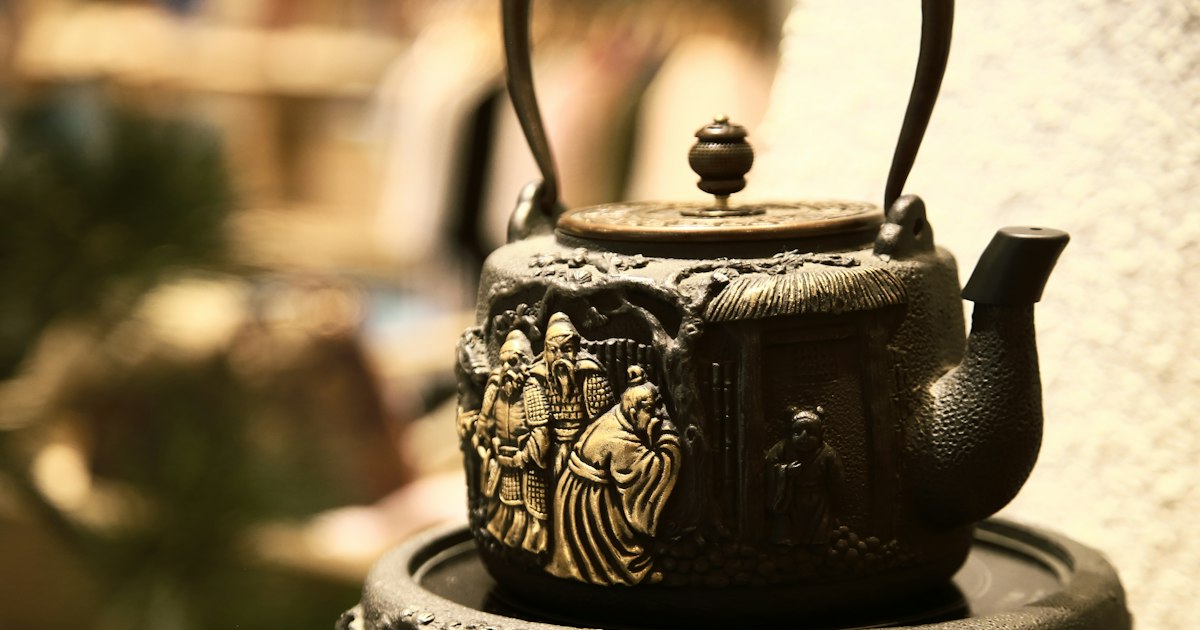
    If you’ve ever seen a heavy, dimpled black kettle in a Kyoto tea shop or a Tokyo department store’s kitchenware floor, chances are it was Nambu Tekki (南部鉄器) — the cast iron ware that has come out of Iwate Prefecture for around 400 years. These kettles are functional heirlooms: they distribute heat evenly, soften tap water by releasing trace iron, and, with basic care, last for generations. This guide covers what actually makes Nambu Tekki different from generic cast iron, what to expect to pay, and where to buy it — both in its Iwate homeland and back in Tokyo if your itinerary doesn’t stretch that far north.

    What Makes Nambu Tekki Special

    Nambu Tekki traces back to the 17th century, when the Nanbu clan that ruled the Morioka domain invited tea-ceremony kettle casters from Kyoto to produce chagama (tea kettles) for the local elite. A second, separate tradition of everyday cast-iron cookware developed around the same era in Mizusawa, in what’s now Oshu City, further south in Iwate. The two lineages eventually merged under the single “Nambu Tekki” name, and in 1975 the craft was designated a traditional craft (dentō kōgei) by Japan’s Ministry of Economy, Trade and Industry.

    What sets it apart from mass-produced cast iron is the casting process: molds are hand-carved with fine dot or arare (hail-drop) patterns, molten iron is poured at controlled temperatures, and pieces are often finished with a lacquer-like oxidized coating (called “shibu-nuri” or similar treatments) rather than paint, which is part of why the surface ages gracefully instead of just rusting. Look for two major workshop names as you shop: Iwachu (岩鋳), founded in 1902 in Morioka and now the most internationally recognizable name, and OIGEN (及源鋳造), founded in 1852 in Oshu, known for a slightly more rustic, artisanal look. Suzuki Morihisa Workshop, with roots going back over 400 years, is the oldest still-operating studio and focuses on traditional tea-ceremony pieces.

    Tetsubin vs. Cast-Iron Cookware: Know the Difference Before You Buy

    This trips up a lot of first-time buyers. A tetsubin (鉄瓶) is a kettle for boiling water — most modern ones sold to tourists have an enamel coating on the inside, which means you never need to season them and they won’t rust from water contact. A traditional chagama or unlined tetsubin has bare cast iron inside; it needs to be dried immediately after each use and occasionally “seasoned” with a light film of oxidation, or it will rust. Meanwhile, Nambu Tekki also makes cast-iron skillets, grill pans, and rice pots (kamado-style), which behave like any raw cast-iron cookware — season with oil, never soak, dry thoroughly.

    If you just want a nice-looking, low-maintenance souvenir for boiling water, buy an enamel-lined tetsubin and say so explicitly to the shop staff, who are used to the question. If you’re a tea enthusiast wanting the “real” unlined experience, expect more upkeep and ask about seasoning instructions in English — most shops that cater to foreign buyers keep a printed sheet.

    Where to Buy in Iwate: Morioka and Oshu

    Buying at the source gets you the widest selection and the chance to watch casting in progress. In Morioka, Morioka Handi-Works Square (もりおか手づくり村), a short bus ride from Morioka Station, houses dozens of craft workshops under one roof, including a Nambu Tekki foundry with a viewing area and a shop selling pieces directly from the studios — it’s typically open daily from around 9:00 to 17:00. Iwachu also runs its own showroom and factory shop on the outskirts of Morioka city, worth calling ahead about hours since it can vary with production schedules.

    In Oshu (formerly Mizusawa), reachable via the Tohoku Shinkansen to Mizusawa-Esashi Station (about 2 hours 40 minutes from Tokyo), OIGEN operates a factory shop near its foundry where you’ll find their full catalog plus factory-second pieces at a discount. This area is quieter and far less touristed than Morioka, so it’s worth combining with a stop at Morioka rather than a dedicated day trip. Both cities are compact enough to cover on foot or by short taxi from the station.

    Where to Buy Nambu Tekki in Tokyo

    If Iwate isn’t on your route, you don’t have to skip Nambu Tekki entirely. Kappabashi, Tokyo’s kitchenware wholesale district near Asakusa, has several shops stocking tetsubin and cast-iron cookware from Iwate makers, often at prices comparable to Iwate itself. The Japan Traditional Crafts Aoyama Square, near Aoyama-Itchome Station, curates traditional crafts from across the country, including Nambu Tekki, and is a good one-stop option if you’re also craft-shopping for other regional goods — it pairs well with a stop by Shigaraki Ware or other pottery pieces if you’re building out a Japanese kitchen and tableware collection. Major department stores like Isetan Shinjuku and Takashimaya Nihonbashi also carry curated Iwachu lines in their kitchenware sections, particularly the colorful enamel-exterior tetsubin designed for the export market.

    What to Expect to Pay: Budget, Mid-Range, and Splurge

    Prices scale with size, pattern complexity, and whether a named artisan signed the piece. As a rough guide:

    • Budget (¥3,000–¥8,000): Small trivets, chopstick rests, mini teapots, and furin wind chimes — good lightweight souvenirs.
    • Mid-range (¥8,000–¥25,000): Standard 0.5–1.4 liter enamel-lined tetsubin from Iwachu or OIGEN, including the popular colorful export-market designs. Most everyday cast-iron skillets and small pots also fall in this band.
    • Splurge (¥30,000–¥100,000+): Larger unlined tea-ceremony chagama, intricately patterned tetsubin, or pieces signed by a recognized craftsperson at a workshop like Suzuki Morihisa. Museum-quality historical pieces can run well beyond this.

    A common mistake is buying an unlined kettle without realizing it needs regular care, then being surprised when it develops rust spots within weeks — always ask “enamel-lined or not?” (hōrō-biki, in shop terms) before purchasing.

    Timing, Getting There, and Getting It Home

    Iwate is pleasant most of the year, but late April to early May (cherry blossoms) and mid-October to early November (autumn foliage, easily combined with a side trip to nearby gorges) are the most scenic times to visit Morioka. Morioka’s Sansa Odori festival in early August is also a lively time to be in town, though accommodation books up. Morioka is reached via the Tohoku Shinkansen in about 2 hours 10 minutes from Tokyo, making it a very doable day trip or overnight add-on to a Tohoku itinerary.

    One practical note before you buy: cast iron is heavy — even a modest 1-liter tetsubin can weigh 1.5–2 kg — and most shops will wrap it securely but won’t ship internationally as standard. If you’re bringing one home in checked luggage, wrap it in clothing to prevent rattling, and if you’re traveling onward by bullet train with a suitcase that’s grown a size larger, check the current Shinkansen oversized luggage rules before you book your seat. And if cast iron has you thinking about upgrading your kitchen game more broadly, it’s worth a look at Japan’s other iconic kitchen exports — from traditional whetstones for sharpening knives to the rice cookers that pair naturally with a Nambu Tekki kettle on the same countertop.