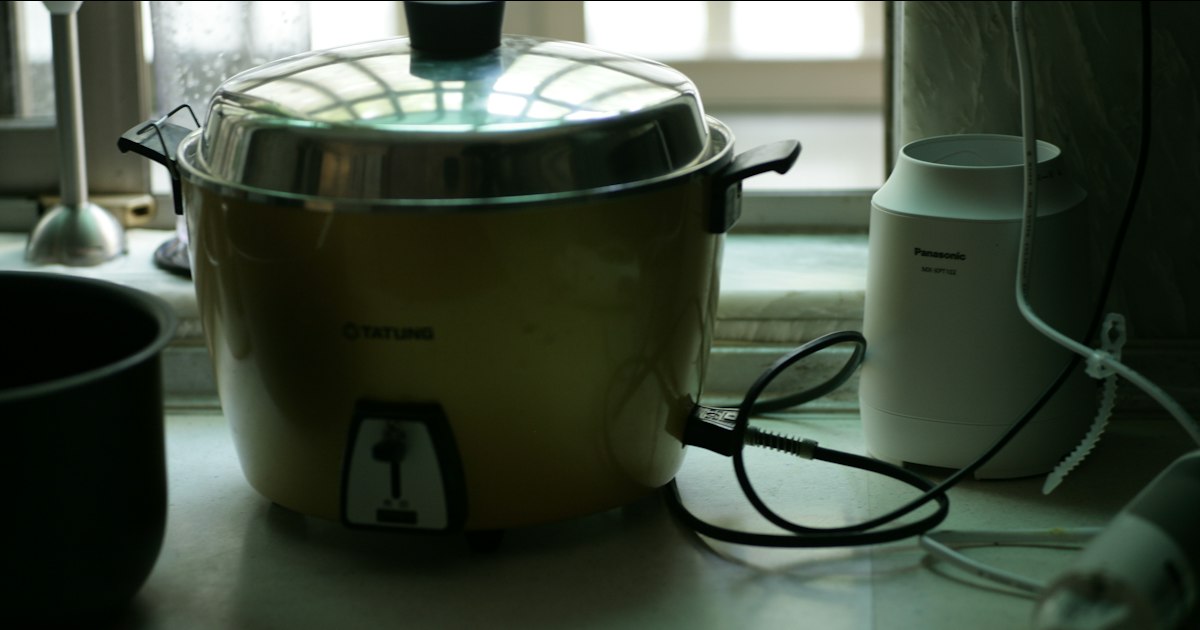
Ask any Japanese home cook what single appliance they’d never live without, and the answer is almost always the same: the rice cooker. What looks like a simple kitchen gadget to outsiders is, in Japan, a genuinely engineered product — brands like Zojirushi, Tiger, and Panasonic compete fiercely on pressure technology, heating precision, and even the shape of the inner pot. If you’re planning to bring one home, here’s what actually matters before you buy, what things really cost, and the mistakes that trip up most travelers.
Why buy a rice cooker in Japan instead of at home
The top-tier machines sold in Japan — especially Zojirushi’s and Tiger’s pressure-IH (“atsuryoku IH”) models — are frequently a generation or two ahead of what’s exported overseas, and the most advanced multi-pressure models are often Japan-market exclusives. You’ll also find far more variety in pot size, from single-person 3-go (roughly 3-cup) travel-friendly models up to large 1-sho (10-cup) cookers for big households, which is a range you rarely see on shelves in the US or Europe. Prices in Japan are also generally lower than importing the same model, once you factor in tax-free shopping (more on that below).
Zojirushi vs Tiger vs Panasonic: what’s actually different
All three brands make excellent cookers, and the real differences come down to texture philosophy and interface design rather than one being objectively “best.”
- Zojirushi is known for its “Umami” pressure cooking cycles and multiple rice-texture settings (softer, harder, sushi rice, porridge, etc.). Their pots are usually thick-walled for even heat, and menus increasingly include English display options on export-oriented models.
- Tiger leans into “Gozu” (5-layer or multi-layer) pot construction with very high pressure ranges, which fans say produces a slightly chewier, more distinct grain — popular with sushi restaurants and serious home cooks.
- Panasonic tends to be the most affordable of the three at equivalent tiers, with strong basic IH performance and reliable customer support, but fewer ultra-premium pressure options than Zojirushi or Tiger.
If you eat a lot of short-grain Japanese rice at home, any of the three will be a noticeable upgrade over a generic Western rice cooker. If you’re also cooking things like porridge, cake, or slow-cooked dishes, check the specific model’s “menu” list — Zojirushi and Tiger both include multi-cook functions on mid-to-high tiers.
IH, pressure IH, or basic microcomputer — what the tech actually means
Rice cookers in Japan are sold in three broad tiers, and understanding this saves you from overpaying or underbuying:
- Microcomputer (Micom), no IH: heats from a bottom plate only. Budget option, fine for everyday rice but less even. Roughly ¥8,000–¥15,000.
- IH (Induction Heating): heats the entire pot via induction, giving more even, controllable cooking. This is the mainstream mid-range choice most Japanese households actually buy. Roughly ¥25,000–¥45,000.
- Pressure IH: adds pressure cycling on top of induction heating, pushing moisture into each grain for a plumper, glossier result. This is where Zojirushi’s and Tiger’s flagship models live. Roughly ¥50,000–¥90,000, with some limited-edition or extra-large pressure models exceeding ¥100,000.
For most travelers, a mid-range IH model is the sweet spot — genuinely better rice than anything sold abroad, without flagship pricing.
Budget, mid-range, and splurge picks
Budget (¥8,000–¥15,000): A basic Panasonic or Tiger microcomputer model in the 3–5.5 cup range. Good as a dorm, apartment, or backup cooker; not going to wow anyone but reliably cooks decent rice.
Mid-range (¥25,000–¥45,000): A 5.5-cup Zojirushi or Panasonic IH model. This tier is where the jump in rice quality becomes obvious, and it’s the size most single travelers can still fit in checked luggage.
Splurge (¥50,000 and up): Zojirushi’s or Tiger’s pressure IH flagships with multiple pressure levels and specialty menus. Worth it if you cook rice daily and care about texture the way some people care about coffee brewing methods — otherwise it’s overkill for occasional use.
The voltage problem — read this before you buy
This is the single most common mistake: Japanese electronics run on 100V, and most rice cookers sold in Japan — especially the higher-wattage pressure IH models — are 100V-only, with a Japan-style Type A plug. Plugging one into a 120V outlet in North America will often still work but isn’t officially supported and can shorten the appliance’s life or void any warranty service outside Japan; plugging one into 220–240V (Europe, UK, Australia) without a proper step-down transformer can damage it or pose a fire risk. Pressure IH models draw significant wattage (often 1,200–1,400W), so a small universal travel adapter is not enough — you need a real voltage converter rated for that wattage, and even then, results vary. If you live outside Japan and want the top-tier experience without the voltage hassle, note that Zojirushi does sell a handful of export-specific 120V models directly in the US market, which may be a simpler option than converting a Japan-market unit.
Also worth knowing: Japan’s own domestic power is split between 50Hz (Eastern Japan, including Tokyo) and 60Hz (Western Japan, including Osaka), but virtually all modern rice cookers are dual-frequency internally, so this isn’t something you need to worry about while still in Japan.
Where to buy, and how to get the tax-free discount
The big electronics chains are the easiest and safest bet, since they stock the full current lineup, offer tax-free processing for tourists, and their staff are used to helping foreign buyers with export models.
- Yodobashi Camera Akiba (Akihabara, Tokyo) — the flagship store near JR Akihabara Station’s Electric Town exit, open roughly 9:30am–10pm daily, has the largest rice cooker floor space in the city with working display units you can compare side by side.
- Bic Camera — multiple locations including Yurakucho and Shinjuku, typically open 10am–9pm or 10pm, with competitive tax-free pricing and English-speaking staff at major branches.
For tax-free shopping, bring your passport (physical, not a photo) — purchases over ¥5,000 before tax qualify for 10% consumption tax exemption, processed at the counter or a dedicated tax-free desk at checkout. The store will seal your purchase in a bag; in general you shouldn’t open it until you’ve left Japan, since customs can theoretically check. If you’re combining rice cooker shopping with a day of exploring nearby neighborhoods, Ameyoko Market and Kichijoji are both worth the detour for the rest of your shopping list, and if you’d rather not carry a boxed rice cooker around all day, stashing it in one of Japan’s coin lockers while you continue sightseeing is a practical option — just check the locker’s size class first, since pressure IH boxes are bulkier than they look.
Common mistakes to avoid
- Buying the biggest pot “just in case.” A 1-sho (10-cup) cooker is designed for large families or events, not a couple — it’s heavier, pricier, and overkill for most travelers’ luggage allowance.
- Ignoring the box weight and size. Flagship pressure IH cookers can weigh 5–6kg boxed. Check your airline’s checked-baggage weight limit before committing to a splurge model.
- Assuming the display will be in English. Many Japan-market models are Japanese-only, though icons are usually intuitive enough with a quick look at the manual’s photos; if English matters to you, ask staff specifically before purchasing.
- Forgetting the inner pot’s coating warranty. Non-stick inner pots wear out over years of use, and replacement pots for Japan-market models can be hard to source once you’re back home — factor that into long-term cost.
Once you’ve got the rice sorted, the rest of a proper Japanese meal setup follows naturally — a good pair of chopsticks and a freshly cooked bowl of rice are really all you need to appreciate what these machines are built for, whether you’re pairing it with natto for breakfast or a proper A5 wagyu dinner.