Japan Trove

Author: JapanTrove Editorial

  • Sugamo: Tokyo’s Old-Fashioned Shopping Street Known as “Grandma’s Harajuku”

    Sugamo: Tokyo’s Old-Fashioned Shopping Street Known as “Grandma’s Harajuku”

    Photo by pen_ash on Unsplash

    Skip the neon and the crowds for a morning and head to Sugamo, a neighborhood in northern Tokyo where the shopping street still moves at a grandmother’s pace. Locals call it “Obaachan no Harajuku” — Grandma’s Harajuku — because it’s the place where Tokyo’s senior citizens come to shop, pray, and gossip over rice crackers, the same way teenagers flock to Harajuku’s Takeshita-dori. It’s unpolished, cheap, and one of the most genuinely local shopping experiences left in central Tokyo.

    Why Sugamo Is Called “Grandma’s Harajuku”

    The nickname isn’t just cute marketing — it’s an accurate description of the crowd. Jizo-dori, the roughly 800-meter covered-and-open shopping street at the heart of Sugamo, is lined with shops selling exactly what an older Japanese shopper wants: sensible clothing, folk remedies, traditional sweets, and religious goods, all at prices that haven’t caught up with inflation elsewhere in Tokyo. There’s no flagship fashion brand here and nothing aimed at tourists. That’s the appeal — you’re seeing how a Tokyo shopping street functioned before department stores and konbini took over, and how it still functions for the generation that grew up with it.

    If you enjoyed the gritty, deal-hunting energy of Ameyoko Market near Ueno, Sugamo scratches a similar itch but with a completely different clientele and merchandise — think slippers and salted rice crackers instead of sneakers and fresh seafood.

    Kogan-ji Temple and the Washing Kannon Statue

    The spiritual center of Sugamo is Kogan-ji Temple, better known as Togenuki Jizo-son (“the thorn-removing Jizo”). Legend holds that a maidservant swallowed a needle and was cured after praying to an image of the temple’s Jizo, and the temple has been associated with healing ever since. Most visitors don’t see the actual Jizo statue — it’s a hibutsu, a hidden image kept out of public view — but everyone lines up for the Arai Kannon, a stone Kannon statue in the temple courtyard. The custom is simple: buy a thin cloth (tenugui) from the stall nearby, dip it in water, and rub the part of the statue that corresponds to whatever ails you. Decades of grateful scrubbing have visibly worn down the statue’s face and shoulders.

    The temple grounds are free to enter and open from early morning to early evening; the main hall’s office for omamori and goshuin generally keeps daytime hours, roughly 9am to 4pm. The street and temple are busiest on “four days” — the 4th, 14th, and 24th of every month — when a temple market (ennichi) fills the street with extra stalls. If you want the full old-Tokyo atmosphere, time your visit for one of those dates; if you’d rather browse without the crowds, go on any other weekday morning.

    What to Shop For on Jizo-dori

    Sugamo’s signature souvenir is red underwear. Red has long been considered an auspicious, health-protecting color in Japanese folk belief, particularly for the lower back and hips, and multiple shops along the street sell nothing but red long johns, red socks, and red waistbands, typically priced from around ¥1,000 to ¥3,000. It sounds like a novelty until you realize half the shoppers around you are buying it in bulk for their own use, not as a joke gift.

    Food is the other reason to come. Look for shops selling shio daifuku (salt-flavored mochi with sweet bean paste) for around ¥120–200 apiece — the salt-sweet balance is a local specialty and lines form outside the most popular shops by mid-morning. There’s also a well-known senbei (rice cracker) shop on the street selling oversized, hand-grilled crackers in the ¥300–800 range per pack, plus general dagashi-style candy stalls where nothing costs more than a few hundred yen. If you like the idea of hunting down region-specific sweets, it pairs well with a stop at a taiyaki or imagawayaki stand — read our guide to taiyaki and imagawayaki before you go so you know what to order.

    Clothing shops here sell practical, generously cut basics — cardigans, house shoes, aprons — rather than fashion. It’s a good place to find a genuinely useful, inexpensive souvenir instead of another keychain.

    Getting There, Hours, and Best Time to Visit

    Sugamo Station is on the JR Yamanote Line and the Toei Mita Line, about 20–25 minutes from Tokyo Station or Shinjuku with no transfer needed if you’re already near a Yamanote Line stop. From the station, Jizo-dori is a two-minute walk and runs roughly 800 meters to Koshinzuka Station on the Toei Arakawa Line (the “Sakura Tram”), so you can walk the street in one direction and hop on a different train at the far end.

    Most shops open between 9:30am and 10am and close by around 6pm, with irregular closing days that vary shop to shop, so this is a daytime destination rather than an evening one. Weekday mornings are calm and pleasant; the 4/14/24 market days are lively but crowded, especially around the temple. Spring and autumn are the most comfortable seasons to walk the street, but Sugamo works year-round since most of it is covered or has awnings.

    Because it’s compact and low-key, Sugamo is easy to combine with another neighborhood in a single day — it pairs naturally with a stop in Kichijoji if you want to contrast old Tokyo with one of the city’s most popular residential shopping areas, though note they’re on opposite sides of the city, so pick one per day rather than rushing between them.

    Budget, Mid-Range, and Splurge Picks

    • Budget: A tenugui cloth for the Arai Kannon ritual (a few hundred yen) plus a bag of dagashi candy — you can have a full experience for under ¥1,000.
    • Mid-range: A red underwear set (¥1,000–3,000) and a box of shio daifuku or senbei to bring home (¥500–1,000) makes a satisfying, authentically local souvenir haul for ¥2,000–4,000.
    • Splurge: Some shops along the street sell higher-quality wool or cashmere cardigans and traditional textiles in the ¥5,000–15,000 range — good options if you want a genuinely warm, well-made piece of clothing rather than a trinket.

    Common Mistakes to Avoid

    Don’t visit expecting a fast, tourist-oriented experience — many shopkeepers are older and don’t speak English, menus and labels are almost entirely in Japanese, and cash is still king in a lot of the smaller stalls, so bring yen rather than relying on cards. Don’t skip the Arai Kannon ritual out of shyness; it’s normal and expected, and nobody will mind a foreign visitor joining in respectfully. Don’t come in the evening — this is a daytime, temple-market street, and by 6 or 7pm most shutters are down. Finally, don’t rush it: Sugamo rewards slow browsing far more than a quick photo stop, so budget at least 90 minutes to walk the full street, visit the temple, and actually eat something.

    If you’re carrying luggage on a day trip that includes Sugamo, it’s worth checking our guide to coin lockers in Japan so you’re not lugging a suitcase up and down a crowded temple market.
  • Ameyoko Market: Ueno’s Bargain Shopping Street Guide

    Ameyoko Market: Ueno’s Bargain Shopping Street Guide

    Photo by Luke Galloway on Unsplash

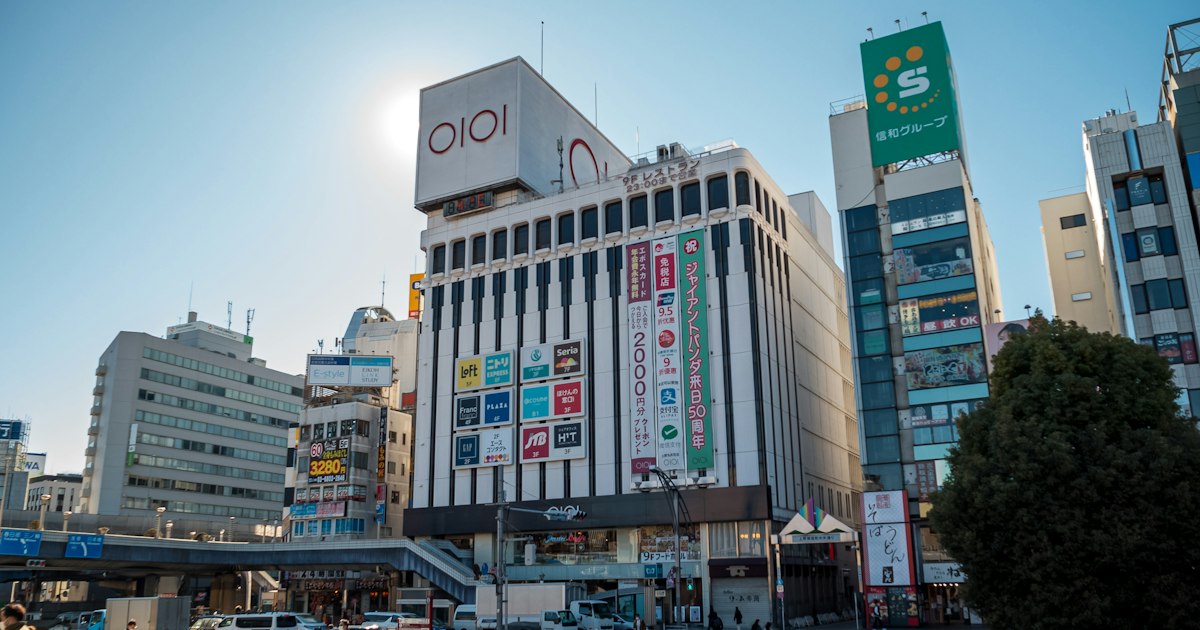
    Wedged into the elevated train tracks between Ueno and Okachimachi stations, Ameyoko is Tokyo’s loudest, cheapest, and most chaotic shopping street — and that’s exactly the point. Vendors shout out prices, dried fish and fresh tuna sit side by side with discount sneakers and knockoff sunglasses, and nobody minds if you just want to wander and snack your way through. Here’s how to actually shop it well.

    What Is Ameyoko Market?

    Ameyoko — short for Ameya-Yokocho, “candy shop alley” — grew out of the black markets that sprang up around Ueno Station after World War II. Some vendors sold homemade candy (ame) when sugar was scarce; others say the name comes from “America,” since imported American goods were a big part of the early trade. Either way, the bargain-market identity stuck. Today it’s about 500 meters of narrow street and covered arcade, packed with roughly 400 shops and stalls selling everything from fresh seafood and dried bonito flakes to cosmetics, luggage, army surplus jackets, and bags of imported snacks.

    It’s not a polished, curated experience — it’s a working market that locals still use for cheap groceries, especially around New Year’s. That’s part of the charm.

    How to Get There

    Ameyoko runs directly alongside and under the JR train tracks connecting Ueno and Okachimachi stations, so it’s easy to reach from several directions:

    • JR Ueno Station (Yamanote, Keihin-Tohoku, Utsunomiya, Takasaki, Joban lines) — use the Hirokoji exit or Shinobazu exit, about a 1-2 minute walk.
    • JR Okachimachi Station — exit and you’re at the south end of the market immediately.
    • Ueno-hirokoji Station (Ginza Line) or Naka-okachimachi Station (Oedo Line) also drop you within a couple minutes’ walk.

    If you’re coming straight from Narita or Haneda with luggage, it’s worth stashing your bags before you dive in — the alleys get narrow and crowded fast. See our guide to coin lockers in Japan for sizes and prices; Ueno Station has a large bank of lockers near most exits.

    What to Buy (and What It Costs)

    Ameyoko is really several markets stacked together:

    • Dried seafood and snacks: Bags of dried squid, small fish, and seaweed snacks typically run ¥300-800. This is one of the best places in Tokyo to buy bulk katsuobushi (dried bonito flakes) or niboshi for making dashi at home.
    • Fresh seafood: Whole tuna, uni, king crab legs, and sea urchin are sold by weight, with prices posted (and often shouted). Expect to pay a premium versus a supermarket for the best cuts, but well below department-store prices — a small tray of uni might run ¥1,000-3,000 depending on grade and season.
    • Fruit: Whole melons, strawberries, and mixed fruit cups are sold cheap by street-stall standards, often ¥300-500 for a cup.
    • Sneakers and bags: Several multi-floor stores sell brand-name sneakers and sports gear at discount prices, particularly worth checking if you wear common sizes.
    • Cosmetics and drugstore goods: A few shops specialize in discounted Japanese skincare and makeup — good for gift-buying, but compare a couple of stores since pricing isn’t always uniform.
    • Imported and ethnic foods: A legacy of the postwar import trade, several stalls sell spices, snacks, and ingredients from India, Southeast Asia, and beyond — unusual for a “Japanese souvenir” street and worth a look if you cook.

    Prices are mostly fixed and posted, but at the seafood and fruit stalls it doesn’t hurt to ask if there’s a deal on the last few pieces, especially later in the day.

    Street Food to Try Along the Way

    You don’t need a sit-down meal here — the fun is grazing. Look for grilled skewers, fried gyoza, fresh-cut fruit, and stalls doing takoyaki or okonomiyaki-style griddle snacks. If you want something sweet, keep an eye out for taiyaki and imagawayaki stands nearby; we cover both in our guide to Japan’s fish-shaped sweet snacks. Most street food here costs ¥200-600 per item, so it’s easy to sample five or six things without denting your budget.

    Best Time to Visit

    Most shops open around 10:00am and close between 7:00 and 8:00pm, though hours vary by vendor since almost every stall is independently owned — don’t expect uniform closing times, and a few shops close midweek. Weekday mornings and early afternoons are noticeably calmer than weekend afternoons, when the main strip can get shoulder-to-shoulder.

    The single busiest, most iconic time to visit is December 30-31, when Tokyo households descend on Ameyoko to buy osechi (New Year’s food) ingredients — crab, fish roe, mochi, dried goods — and vendors shout deals over a wall of noise. It’s a genuine spectacle and worth experiencing once, but go in expecting crowds, not a leisurely browse. If you want that energy without the peak crush, the last week of December generally is livelier than any other time of year.

    Common Mistakes to Avoid

    • Assuming card payment everywhere: Many stalls, especially food and small goods vendors, are cash-only. Carry yen in small bills.
    • Expecting to haggle everywhere: Some seafood and fruit vendors will deal, particularly near closing time, but most shops post fixed prices and haggling isn’t the norm — don’t push it at cosmetics or clothing stores.
    • Photographing vendors and stalls without asking: Some sellers don’t mind, others do, particularly at small family-run counters. Ask first.
    • Buying fresh seafood without a way to keep it cold: If you’re not eating it same-day, think twice before buying raw fish or uni — most hotel rooms don’t have proper refrigeration for it. Dried goods travel much better.
    • Only sticking to the main strip: The parallel side alleys (particularly toward Okachimachi) have some of the better bargains and are much less crowded than the central covered arcade.

    Budget, Mid-Range, and Splurge Picks

    Budget (under ¥1,000): A bag of dried snacks, a cup of cut fruit, and a couple of skewers or a taiyaki makes for a filling, cheap grazing session.
    Mid-range (¥1,000-5,000): A gift box of assorted dried seafood or bonito flakes, a pair of discount sneakers, or a modest tray of fresh seafood to eat that day.
    Splurge (¥5,000+): Premium uni, whole king crab legs, or a large seafood gift set for bringing home to family — just confirm it’ll survive your travel day before committing.

    Ameyoko pairs naturally with a broader Ueno day — the park, museums, and zoo are a short walk away — but if you want to compare it against Tokyo’s other great neighborhood-shopping experience, our guide to Kichijoji’s shops and Inokashira Park is a good next stop, and food lovers heading back toward the bay can follow up with Tsukishima’s monjayaki district for dinner.

  • Okonomiyaki Showdown: Osaka vs Hiroshima Style Explained

    Okonomiyaki Showdown: Osaka vs Hiroshima Style Explained

    Photo by Daniel Hooper 🌊 on Unsplash

    Okonomiyaki translates loosely as “grilled how you like it,” and that name causes more confusion than it solves. Ask for okonomiyaki in Osaka and you’ll get a thick, mixed batter pancake studded with cabbage and pork. Order the same dish in Hiroshima and you’ll get something else entirely: a tall, layered stack built around a bed of yakisoba noodles. Both are proudly regional, both are fiercely defended by locals, and neither city considers the other’s version to be “real” okonomiyaki. Here’s how to tell them apart, where to eat each, and how to order without fumbling the etiquette.

    The Core Difference: Mixed vs Layered

    Osaka-style okonomiyaki (also called Kansai-style) starts as a batter — flour, grated nagaimo yam, dashi, egg, and shredded cabbage — that gets mixed together in a bowl before hitting the griddle. Pork belly, squid, or shrimp go into the same mix, so every bite has a fairly even distribution of ingredients. It cooks into one cohesive pancake, roughly 3-4 cm thick.

    Hiroshima-style okonomiyaki never mixes the batter with the fillings. Instead, a thin crepe-like layer of batter is laid down first, then topped separately with a mountain of cabbage (often two to three times more than the Osaka version), bean sprouts, pork belly, and a full portion of yakisoba or udon noodles, with a fried egg either mixed in or placed on top at the end. It’s assembled in distinct layers and pressed down as it cooks, ending up taller and more structured — closer to a savory layer cake than a pancake. If you’ve tried Tokyo’s monjayaki, which uses a much runnier batter eaten straight off the griddle, it’s worth knowing that’s a third regional cousin entirely — see our guide to Monjayaki in Tsukishima if you’re curious how it compares.

    Osaka: Where and How to Eat It

    Dotonbori is the obvious starting point — the canal-side strip is lined with okonomiyaki chains and standalone shops, many with illuminated signs and picture menus for tourists. For a more local scene, head to Shinsekai or the backstreets around Namba, where prices run lower and portions are generous. A standard plate of pork or mixed-seafood okonomiyaki typically costs ¥900-1,400 at a casual shop; add cheese, mochi, or extra seafood and you’ll land closer to ¥1,600-2,000. Most okonomiyaki restaurants open around 11:00 or 11:30 for lunch, close for a mid-afternoon break, then reopen around 17:00-17:30 through 22:00 or later — check the specific shop, since hours vary more than you’d expect for a casual food category.

    Many Osaka shops let you cook your own okonomiyaki at a built-in teppan grill at your table, which is part of the fun but also where first-timers go wrong (more on that below). Staff will usually cook it for you on request if you’d rather not risk it, and there’s no shame in asking.

    Hiroshima: Where and How to Eat It

    The essential stop is Okonomimura, a narrow multi-floor building in the Shintenchi district near Hondori shopping arcade, packed with roughly 25 small okonomiyaki counters, each seating just a handful of people around its own griddle. There’s no single “best” stall — regulars have their favorites, and picking one mostly comes down to which counter has a seat free. A standard Hiroshima-style plate with noodles, egg, and pork runs about ¥1,000-1,500; piling on squid, cheese, or extra noodles (“double”) pushes it to ¥1,700-2,200. Most stalls are open through lunch and dinner, roughly 11:00-22:00, though individual counters set their own last-order times, often around 21:00-21:30.

    Unlike in Osaka, you almost never cook your own okonomiyaki in Hiroshima — the chef builds and flips the layered stack for you on a shared griddle built into the counter, then serves it directly onto a small plate in front of you on the same hot surface. This is largely a spectator dish here, which makes counter seating at Okonomimura genuinely entertaining even before the food arrives.

    How to Order Like a Local

    In Osaka, decide on your protein or seafood up front (pork = buta-tama, squid = ika-tama, mixed = mikkusu), and if the shop hands you a spatula (hera), that’s your cooking tool — use it to flip and to eat directly off the griddle instead of a fork. Don’t press down on the pancake while it cooks; that squeezes out moisture and makes it dense rather than fluffy. Let it cook undisturbed for several minutes per side.

    In Hiroshima, you’ll typically be asked whether you want soba or udon noodles, and whether you want the egg mixed in or fried flat on top (many locals prefer it folded underneath as a final layer). “Nikutama soba” — pork, egg, soba noodles — is the standard order if you’re not sure what to get. Sauce is applied generously by the chef before serving in both cities, so there’s usually no need to add more, though a squeeze bottle is normally on the table if you want extra, along with aonori (dried seaweed flakes) and katsuobushi (bonito flakes) to finish it.

    Best Time to Visit and Common Mistakes

    Okonomiyaki is a year-round comfort food, but it’s especially popular in the cooler months (November-March) when a hot griddle dish in a warm shop is genuinely appealing after a day of sightseeing. Lunchtime (11:30-13:00) is the easiest window to walk into a popular shop without a wait; dinner service, especially at Okonomimura and well-known Dotonbori spots, can mean a 20-30 minute queue after 18:30 on weekends.

    The most common mistake at DIY-grill shops in Osaka is flipping too early, before the underside has set — wait until the edges look dry and slightly crisp. The second is over-ordering: a single okonomiyaki plate is a filling meal on its own, closer to a large pizza than a side dish, so it’s rarely necessary to order more than one per person plus a shared side like yakisoba. If you’re carrying luggage between train stations while city-hopping between Osaka and Hiroshima, it’s worth stashing bags in a station locker rather than lugging them into a cramped okonomiyaki counter — our guide to coin lockers in Japan covers sizes and prices at major stations.

    Budget, Mid-Range, and Splurge

    Budget (¥800-1,200): a simple pork or vegetable okonomiyaki at a no-frills neighborhood shop in either city, often cash-only and counter-seating only. Mid-range (¥1,300-2,000): seafood-mixed versions with cheese or mochi add-ins, plus a drink, at well-reviewed shops in Dotonbori or Okonomimura. Splurge (¥2,500+): a full course at a teppanyaki-style restaurant pairing okonomiyaki with other griddled dishes like yakisoba and grilled seafood, sometimes alongside premium wagyu cuts — if you’re chasing that kind of grilled-meat experience elsewhere in Japan, our guides to yakiniku ordering etiquette and wagyu grades are useful companion reading. Either way, okonomiyaki remains one of the best-value hot meals in both cities, and trying both regional styles back to back is one of the more satisfying culinary comparisons you can make on a Kansai-to-Hiroshima itinerary.

  • Monjayaki: Tsukishima’s Tokyo-Style Griddle Dish and Where to Try It

    Monjayaki: Tsukishima’s Tokyo-Style Griddle Dish and Where to Try It

    Photo by Martijn Baudoin on Unsplash

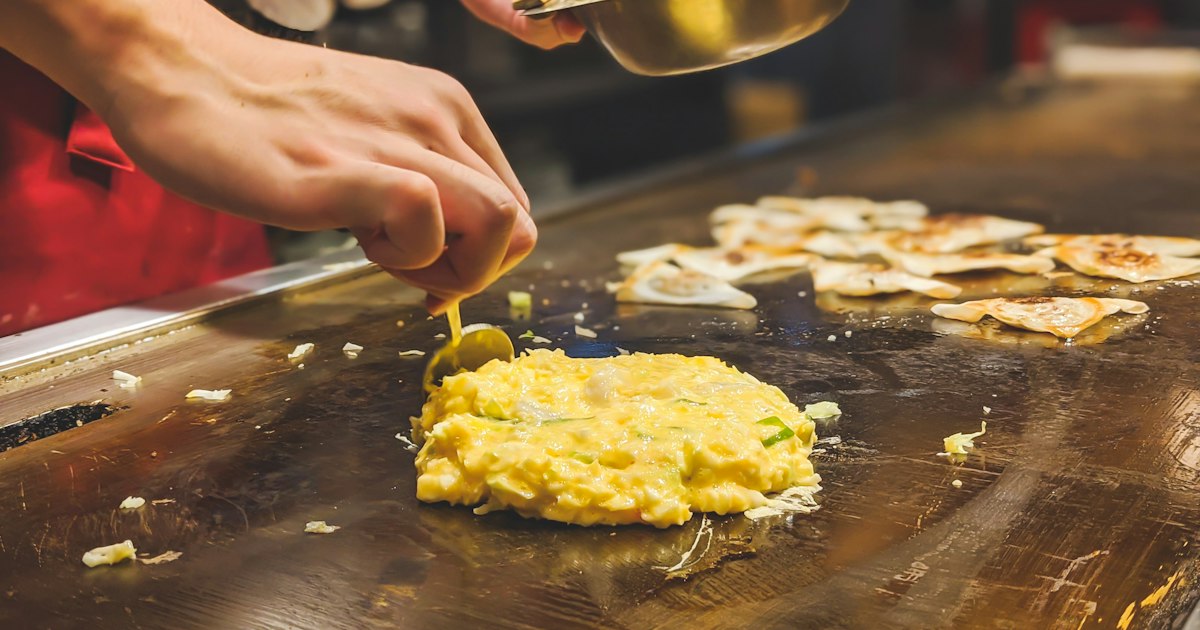
    Okonomiyaki gets all the international fame, but ask a Tokyoite what they crave on a rainy weeknight and there’s a good chance the answer is monjayaki — a runnier, stickier, distinctly Tokyo cousin of the savory griddle pancake, cooked and eaten directly off a hot teppan with a tiny metal spatula. It looks messy, sounds unfamiliar, and is one of the most fun, low-cost meals you can have in the city. This guide covers what monjayaki actually is, why the Tsukishima neighborhood became its unofficial capital, and how to order and eat it without feeling lost.

    What Is Monjayaki, Exactly?

    Monjayaki starts life as a thin, almost soupy batter of flour and dashi stock, mixed with shredded cabbage and whatever fillings you choose — classics include mochi cheese, pork and kimchi, corn and butter, mentaiko (spicy cod roe), and seafood mixes. Unlike okonomiyaki, which is flipped into a firm pancake, monjayaki is cooked in stages on a shared iron griddle (teppan) built into your table, and it never fully solidifies. The finished texture is closer to a thick, savory, slightly crispy-at-the-edges stew that you scrape up in small bites directly from the griddle.

    It originated as a cheap snack for Tokyo children in the early 20th century (the name is thought to come from “moji-yaki,” because kids would trace characters in the batter as it cooked) and later became a full sit-down restaurant meal, especially in the working-class districts east of the Sumida River.

    Why Tsukishima Is Tokyo’s Monja Capital

    Tsukishima, a former dockworkers’ district on reclaimed land in Chuo Ward, is where monjayaki restaurants cluster most densely. Its main strip, Tsukishima Nishinaka-dori — universally known as “Monja Street” — runs for about 400 meters and is lined with roughly 50-70 monjayaki restaurants, many family-run for two or three generations. The street is lit with paper lanterns and old-fashioned signage, and it fills with a mix of local families, salarymen, and increasingly, tourists in the evenings, especially Friday and Saturday nights and weekend lunches.

    Because the format is naturally communal — everyone cooks and shares off the same griddle — it’s a good choice for a group dinner, and most restaurants are set up with that in mind.

    Getting to Tsukishima’s Monja Street

    Tsukishima Station is served by the Tokyo Metro Yurakucho Line and the Toei Oedo Line. From the station, Monja Street is a 3-5 minute walk (exit 7 or 8 puts you close). It’s also a pleasant 15-20 minute walk or short taxi ride from Tsukiji, so it pairs naturally with a morning at the outer market followed by a monja dinner, or you can combine it with a visit to Ginza, which is about 15 minutes away by train or a 25-30 minute walk along the water.

    If you’re carrying luggage from elsewhere in the city, note that Tsukishima Station itself has limited storage, so it’s worth checking a guide to coin lockers in Japan and stashing bags at a larger nearby station like Tokyo or Ginza before you come.

    How to Cook and Eat Monjayaki Like a Local

    Most restaurants expect you to cook it yourself, and staff will usually demonstrate the first round if you look uncertain — don’t hesitate to ask, as fumbling this dish is a rite of passage even for Japanese first-timers.

    • Drain, then pour: The solid ingredients (cabbage, meat, toppings) come out first in a bowl with the liquid batter poured around them. Strain most of the liquid off using the bowl’s edge, and cook the solids first in a ring on the griddle, like building a dam.
    • Pour the batter into the well: Once the solids are sizzling, pour the reserved liquid into the center and let it bubble and thicken for a minute or two.
    • Mix and spread thin: Combine everything into a thin, even layer across the hot griddle — the thinner it’s spread, the better the crispy bits (called “okoge”) that form underneath.
    • Eat straight off the griddle: Use the small metal spatula (hera) provided to scrape up small portions and eat directly, letting it continue to crisp between bites. It stays hot on the teppan the whole meal, so there’s no rush.

    A useful tip: order one flavor per person or share two to three flavors across a group of four, since portions are modest and half the fun is trying different fillings.

    Where to Eat: Budget, Mid-Range, and Splurge Picks

    Prices across Monja Street are fairly uniform, which makes it easy to budget.

    • Budget (roughly ¥800-1,300 per monja serving): Standalone, unfussy shops along the main strip serving classic cabbage, pork, or seafood monja. A meal for two with a couple of plates and drinks typically runs ¥3,000-4,000 total. Many of these are cash-friendly local institutions with paper menus and no English signage — part of the charm.
    • Mid-range (roughly ¥1,300-2,200 per monja, plus sides): Larger, more tourist-comfortable restaurants with English or picture menus, additional yakisoba and teppan-grilled seafood options, and sometimes an all-you-can-eat course (tabehodai) in the ¥3,000-4,500 range per person for 90-120 minutes — good value if you’re hungry and want to sample several flavors.
    • Splurge: A handful of shops add premium seafood or wagyu beef to their monja and okonomiyaki menus, pushing individual dishes toward ¥2,500-3,500. If you’re curious how Japanese beef grading works before ordering a wagyu-topped monja or teppan side dish, it’s worth a quick look at this guide to wagyu grades first.

    Most restaurants are open for dinner from around 17:00 or 17:30 until 22:00-23:00, with a number also open for lunch from around 11:30. Hours vary shop by shop and some close one weekday, so it’s worth checking a specific restaurant’s listing on the day if you have your heart set on one particular spot.

    Best Time to Visit and Common Mistakes

    Weekday early evenings (before 18:30) are the easiest time to walk in without a wait. Weekend evenings can mean a 20-40 minute queue at the most popular shops, so arriving right at opening or going on a weekday lunch is the smartest move if you dislike lines. Winter is arguably the best season to try monja — the hot griddle and steamy, bubbling batter feel especially good on a cold night, though it’s enjoyable year-round.

    Common first-timer mistakes:

    • Flipping it like okonomiyaki: Monja is never flipped into a solid pancake — resist the urge, and just spread and eat in stages.
    • Eating with chopsticks only: Use the small hera spatula for scraping and eating; chopsticks are usually just for picking up solid ingredients beforehand.
    • Not asking about seating fees: Some shops add a small table or oshibori (wet towel) charge of a few hundred yen — not unusual in Japan, but worth knowing so the bill doesn’t surprise you.
    • Skipping the griddle cleanup between rounds: If you order a second flavor, staff or the table itself will usually scrape the griddle clean first; let the burnt bits get cleared so the next batch doesn’t taste off.

    Rounding Out a Tokyo Food Day

    Tsukishima works well as one stop in a broader Tokyo food itinerary. If you’re building out a day of casual, hands-on Japanese dishes, it pairs naturally with a yakiniku dinner on another night, a stop for taiyaki or imagawayaki as a sweet snack afterward, and — if you’re feeling adventurous — working up to trying natto at breakfast the next morning. None of these dishes are difficult to find, but Tsukishima remains the one place in Tokyo where monjayaki isn’t just available — it’s the entire point of the neighborhood, cooked, scraped, and shared one small spatula at a time.

  • Shigaraki Ware: Japan’s Tanuki Pottery Town and Where to Buy

    Shigaraki Ware: Japan’s Tanuki Pottery Town and Where to Buy

    Photo by Yunfan Li on Unsplash

    In the hills of Shiga Prefecture, about 90 minutes from Kyoto, sits a small town where thousands of pot-bellied raccoon dogs stand guard outside shops, train stations, and restaurants. Shigaraki (信楽) is one of Japan’s “Six Ancient Kilns,” a pottery tradition stretching back over 1,200 years, and today it’s best known internationally for the grinning tanuki statues that have become an unofficial mascot of Japanese folk luck. If you want ceramics with real history behind them — not just a souvenir shelf at the airport — Shigaraki is worth the day trip.

    What Is Shigaraki Ware?

    Shigaraki-yaki is unglazed or lightly glazed stoneware fired at high heat, prized for its rough, earthy texture and the natural ash-glaze effects (called bidoro, glassy green-blue streaks) that form when wood-ash melts onto the clay during firing. The local clay is coarse and full of tiny feldspar particles that burn out in the kiln, leaving a pitted, warm surface unlike the smoother porcelain you’ll find in places like Arita or Kutani. Historically the town produced everyday items — tea bowls, water jars, roof tiles — but from the 1950s onward it became famous almost exclusively for one product: tanuki statues.

    Why Tanuki? Japan’s Luckiest Raccoon Dog

    The tanuki boom traces back to 1951, when Emperor Showa visited Shigaraki and was greeted by rows of ceramic tanuki waving little Japanese flags. Photos of the visit ran nationwide, and the tanuki became inseparable from the town’s identity. Traditional Shigaraki tanuki carry eight symbolic items representing good fortune: a big hat (protection from bad weather), wide eyes (alertness), a sake bottle (virtue), a large belly (calm decisiveness), a promissory note or ledger (trustworthiness in business), a bushy tail (steadiness), and an ever-present smile (amiability). Shopkeepers across Japan display them by their entrance for exactly this reason — a tanuki is meant to bring in customers and good luck.

    Getting to Shigaraki

    From Kyoto Station, take the JR Biwako Line toward Maibara/Kusatsu and change if needed to reach Kibukawa Station (貴生川駅), roughly 60–70 minutes including the transfer. From Kibukawa, switch to the Shigaraki Kogen Railway (信楽高原鐵道), a single-track local line that winds through forest for about 25 minutes to Shigaraki Station — the fare is around ¥490 one way. Total travel time from Kyoto is about 90 minutes to two hours depending on connections; from Osaka, add another 30–40 minutes. There’s no need for a car, though driving from Kyoto takes about 75 minutes via the Shin-Meishin Expressway if you want more flexibility to visit multiple kiln sites. The moment you step outside Shigaraki Station, you’ll see dozens of tanuki statues lined up on the platform and forecourt — it’s the single most photographed spot in town and free to visit any time.

    If you’re coming straight from Kyoto sightseeing and have bags with you, it’s worth stashing them before the trip out — see this guide to coin lockers in Japan for sizes and prices at major stations.

    Where to Buy: Shops, Kilns, and the Ceramic Park

    The main shopping stretch runs along Nagano-dori (長野通り), a 15–20 minute walk uphill from Shigaraki Station, lined with dozens of independent kilns and retail shops selling everything from ¥300 chopstick rests to museum-grade tea ware. Most shops open around 9:00 or 9:30am and close by 17:00 or 17:30, and a fair number close on Wednesdays or Thursdays, so it’s worth checking ahead if you have a specific shop in mind. Two useful stops:

    • Shigaraki Ceramic Cultural Park (信楽陶芸の森) — a hillside complex with a ceramics museum, gallery space, and outdoor sculpture park, a short taxi or bus ride from the station. Museum admission is modest, typically in the ¥500–800 range depending on the exhibition, and the park grounds themselves are free to walk.
    • Shigaraki Traditional Industry Hall (信楽伝統産業会館) — a good first stop for an overview of techniques and historical pieces before you start shopping, with a small attached sales corner.

    Many working potters also sell directly from their own kiln showrooms, which is where you’ll find one-of-a-kind pieces rather than mass-produced tanuki. If you like hunting through craft towns for something with a maker’s story attached, this is similar territory to browsing the stalls at the Toji Temple flea market in Kyoto, just with everything made on-site rather than secondhand.

    Best Time to Visit

    Shigaraki holds its biggest event, the Shigaraki Ceramic Festival (信楽陶器まつり), twice a year — during Golden Week in early May and again in mid-October — when the main street fills with stalls selling seconds and studio overstock at discounted prices, often 20–40% below regular shop prices. Outside festival weekends, autumn (October–November) is the most pleasant season for walking the hilly shopping street, with cooler temperatures and good light for photos among the outdoor tanuki. Summer is workable but humid; winter is quiet and cold but shops stay open, and you’ll often have the street largely to yourself.

    Budget, Mid-Range, and Splurge Buys

    Shigaraki’s price range is enormous, which is part of the fun:

    • Budget (¥500–3,000): Palm-size tanuki figurines, chopstick rests, small sake cups, and unglazed incense holders. These pack easily and make good gifts.
    • Mid-range (¥5,000–30,000): Hand-thrown tea bowls (chawan), flower vases, and 20–40cm tanuki statues from named kilns. This is where you start seeing genuine bidoro ash-glaze effects rather than uniform factory glaze.
    • Splurge (¥50,000 and up): Large garden tanuki (life-size statues can run ¥150,000–300,000+ and weigh well over 20kg), and signed pieces from established studio potters, some of which are collector items sold with certificates.

    If you’re already thinking about how ceramics fit into the rest of your Japan souvenir shopping, it’s worth browsing other regional crafts for comparison — Shigaraki’s tanuki occupy a similar “lucky charm” niche to Daruma dolls or the folk-art appeal of Tohoku’s kokeshi dolls, so it’s easy to build a themed collection across regions.

    Common Mistakes to Avoid

    Shigaraki is a small town, and a few planning slips can waste half your day:

    • Underestimating the train connection. The Shigaraki Kogen Railway runs infrequently — often just one or two trains per hour — so check the timetable before you leave Kibukawa, not after you’ve missed one.
    • Not budgeting for shipping. Large or heavy tanuki won’t fit in a suitcase. Most established shops can arrange domestic or international shipping (kokusai takuhaibin), but ask before you buy — fees for a large statue can run several thousand yen or more.
    • Assuming every shop takes cards. Many small studio shops in Shigaraki are cash-only or have a minimum for card payments, so carry enough yen.
    • Treating it as a quick photo stop. The tanuki outside the station are free and fun, but the real value of Shigaraki is up on Nagano-dori and at the Ceramic Cultural Park — allow at least three to four hours to see both properly.

    Shigaraki rewards a slow visit: wander the kiln-lined streets, watch for the glassy green streaks that mark a well-fired piece, and pick something that will actually mean something back home — not just another tanuki keychain, though there’s nothing wrong with one of those too.

  • Toji Temple Market: Kyoto’s Best Flea Market for Vintage Kimono & Antiques

    Toji Temple Market: Kyoto’s Best Flea Market for Vintage Kimono & Antiques

    Photo by Rebecca Clarke on Unsplash

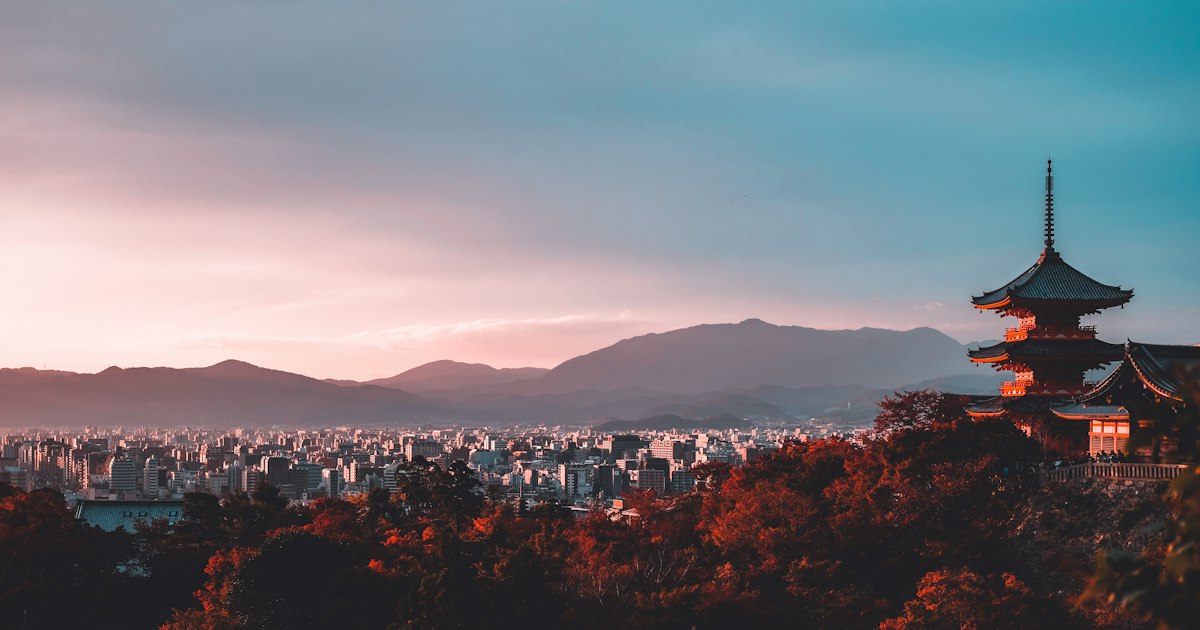
    Once a month, the grounds of Toji Temple in southern Kyoto fill with hundreds of vendors selling folded stacks of silk kimono, cast-iron kettles, ceramics, obi sashes, and boxes of unsorted trinkets under the shadow of Japan’s tallest wooden pagoda. Known locally as Kobo-san (弘法さん), it’s one of the largest and most reliable flea markets in the country — and for visitors hunting genuine vintage textiles and antiques rather than souvenir-shop reproductions, it’s hard to beat. Here’s what to know before you go.

    What Is Kobo-san, and Why Does It Happen at Toji?

    The market takes place on the 21st of every month, rain or shine, in honor of Kobo Daishi (the monk Kukai, founder of Shingon Buddhism), who died on that date in 835. Toji Temple, a UNESCO World Heritage site and the headquarters of Shingon Buddhism in Kyoto, has hosted the memorial market for centuries, and it has grown into a full-blown flea market with an estimated 1,000 to 1,200 stalls on a good month. Locals call it “Kobo-san” out of affection for the monk, and you’ll hear vendors and regulars use that name more than “Toji Market.”

    Two dates matter more than the rest: January 21st is Hatsu Kobo (the first market of the year, popular for New Year lucky charms and decorations) and December 21st is Shimai Kobo (the last market of the year), which draws the biggest crowds and the most stalls, often over 1,000, as vendors clear out stock before winter. If you can time a Kyoto trip around either of these, expect bigger selection but also bigger crowds and less room to browse comfortably.

    Getting There and Opening Hours

    Toji Temple sits about a 15-minute walk southwest of Kyoto Station’s Hachijo (south) exit — an easy walk if you don’t mind carrying purchases back. Alternatively, take the Kintetsu Kyoto Line one stop from Kyoto Station to Toji Station, then walk roughly 10 minutes to the temple gates. City buses also stop nearby, but on market day the streets around Toji get congested, so walking or the train is usually faster.

    Stalls generally open around sunrise (roughly 6:00–7:00am) and start packing up by mid-to-late afternoon, with most gone by 4:00–4:30pm. There’s no single official opening hour — vendors set their own pace — so don’t expect much before 7am even if a stall or two is already open. If you’re not an early riser, arriving by 9 or 10am still gives you a full market to explore, though the rarest antique pieces tend to sell within the first hour or two.

    What to Buy: Vintage Kimono, Obi, and Antiques

    This is the main draw for many visitors, and prices vary enormously depending on the stall and your bargaining. Rough benchmarks to calibrate expectations:

    • Casual cotton or synthetic kimono (yukata-weight): ¥500–1,500
    • Everyday silk kimono, gently worn: ¥2,000–8,000
    • Obi sashes: ¥500–3,000 for simple ones; ornate or vintage silk obi can run ¥5,000–15,000
    • Haori jackets: ¥1,000–4,000, a great lightweight souvenir that doubles as a kimono-style coat back home
    • Ceramics and lacquerware: ¥300 for a single bowl up to several thousand yen for signed or antique pieces
    • Small antiques (tea utensils, old coins, prints, wooden boxes): anywhere from ¥100 to well over ¥10,000

    You’ll also see vendors selling old noren doorway curtains and hand-painted folding fans mixed in among the textiles — worth a look if those are on your shopping list, since market prices usually beat department store prices for comparable secondhand quality. Condition varies stall to stall, so check for stains, tears, and odor before buying, especially with silk.

    Budget, Mid-Range, and Splurge Approaches

    If you’re on a tight budget, plan for ¥2,000–3,000 total and stick to the cotton kimono, small ceramics, and bric-a-brac tables — there’s genuinely interesting stuff at every price point. Mid-range shoppers (¥5,000–15,000) can walk away with a nice silk kimono-and-obi combination or a small piece of antique furniture or lacquerware. For a splurge, some vendors specialize in higher-end antique kimono, obi, and古美術 (kobijutsu, fine antiques) — a well-preserved formal silk kimono with hand-painted detail or a signed ceramic piece can run ¥20,000–50,000 or more. These specialist stalls tend to cluster closer to the pagoda and main hall, while the cheaper household-goods stalls spread out toward the temple’s outer edges.

    Bargaining Etiquette and Common Mistakes

    Light haggling is expected and welcomed, especially for multiple items or if you’re paying cash on the spot — a polite “sukoshi yasuku narimasu ka?” (“could you make it a little cheaper?”) often works, particularly in the afternoon when vendors would rather discount than repack unsold stock. Don’t expect big discounts on already-cheap items (under ¥1,000); save the negotiating for larger purchases.

    The most common mistakes visitors make: bringing only large bills (most stalls are cash-only and can’t break a ¥10,000 note early in the day — bring plenty of ¥1,000 notes and coins); assuming all kimono are wearable as-is (many are meant for display or fabric reuse, so ask if you plan to actually wear it); and underestimating how heavy and bulky purchases get. If you’re continuing to sightsee afterward, it’s worth stashing bags in a locker — see this guide to coin lockers in Japan for sizes and pricing at Kyoto Station, a short walk away.

    Nearby Markets Worth Combining

    If your trip dates don’t line up with the 21st, Kyoto has two solid alternatives. Kitano Tenmangu Shrine hosts Tenjin-san, a similarly sized antique and flea market on the 25th of each month. Toji itself also runs a smaller, more antique-focused market called Garakuta-ichi on the first Sunday of the month, with around 200–250 stalls and a slightly calmer browsing pace — good if crowds aren’t your thing.

    Pair a Kobo-san morning with an afternoon further west: Arashiyama’s bamboo grove and monkey park is about 30–40 minutes away by train and makes for a full, well-rounded Kyoto day that mixes shopping with nature.

    Practical Tips Before You Go

    Wear comfortable shoes and clothes you don’t mind getting a little dusty — this is an outdoor market on temple gravel, not a polished retail space. Bring a tote bag or two, since few vendors provide sturdy carrying bags. Entry to the market stalls themselves is free; if you also want to tour Toji’s Kondo Hall or climb up to view the five-story pagoda up close, there’s a separate small admission fee at the temple’s paid inner precinct. Finally, check the date before you plan around it — if the 21st falls on a day when the temple has a special closure, the market can shift; a quick search for “Toji Kobo-san [month] [year]” a week or two ahead will confirm the exact schedule.

  • Nagashi Somen: Japan’s Flowing Noodle Experience and Where to Try It

    Nagashi Somen: Japan’s Flowing Noodle Experience and Where to Try It

    Photo by Eleonora Albasi on Unsplash

    Somewhere between a meal and a game, nagashi somen sends thin, chilled wheat noodles shooting down a bamboo flume of cold running water, and you catch them with chopsticks before they slide past. It’s one of the most photogenic ways to eat in Japan during the hot, humid summer months, and it’s far easier to experience than most visitors assume. Here’s how it works, where to go, and how not to embarrass yourself at the flume.

    What Exactly Is Nagashi Somen?

    Somen are very thin wheat noodles, usually eaten cold with a light soy-and-dashi dipping sauce called tsuyu, often topped with grated ginger, sliced scallion, or a dab of wasabi. In the “nagashi” (flowing) version, a length of split bamboo is set up as a chute with water running through it, and noodles are fed in from the top in small batches. Diners sit along the sides with chopsticks ready, snag a few strands as they pass, dip them in a small cup of tsuyu, and eat. It’s communal, a little competitive, and genuinely refreshing on a sweltering afternoon — the water is usually drawn straight from a mountain stream, so it stays cold even in August.

    The exact origin is debated — several towns in Kyushu claim to have invented it in the postwar years — but it spread nationwide as a summer restaurant gimmick and is now a fixture of the season, alongside kakigori shaved ice as one of Japan’s classic warm-weather treats.

    Where to Try It: Kibune, Kyoto

    The single best-known spot for visitors is Kibune (貴船), a small riverside village in the mountains north of Kyoto. Several restaurants here build “kawadoko” — wooden platforms suspended directly over the Kibune River — so you dine with your feet almost skimming the water while the temperature drops several degrees below downtown Kyoto. The most famous is Hirobun (ひろ文), which runs a long bamboo flume down the middle of its riverside platform specifically for nagashi somen.

    • What it costs: Expect roughly ¥1,300–¥1,900 for an all-you-can-eat nagashi somen set (prices are revised most years, so treat this as a ballpark rather than a fixed figure).
    • How it works: You’re seated at the flume, noodles come down continuously in batches, and you signal for more (or stop) using a small marker or by simply waiting for the next batch to keep flowing. Portions are generous — most people find one round plenty.
    • Hours and season: The kawadoko platforms typically operate from around the first week of May through late September, with lunch service roughly 11:00–15:00 (an evening izakaya menu often continues later without the noodle flume). Exact dates shift year to year depending on weather and river conditions, so check ahead if you’re visiting at the very start or end of the season.
    • Reservations: Not always required for lunch, but weekends and August afternoons get busy — arriving right at opening or booking ahead avoids a wait in the heat.

    How to Get to Kibune

    From central Kyoto, take the Eizan Electric Railway from Demachiyanagi Station to Kibuneguchi Station (about 30 minutes, roughly ¥470 one-way). From Kibuneguchi, it’s either a short Kyoto Bus ride or a scenic 25–30 minute walk uphill along the river to Kibune village. The neighboring village of Kurama, one stop earlier on the same line, has its own onsen and the atmospheric Kurama-dera temple, so many visitors combine both into a half-day trip out of the city. If you’re coming from Kyoto Station and don’t want to haul luggage the whole way, it’s worth reading up on coin lockers in Japan to stash your bags before heading out.

    Best Season and Timing

    Nagashi somen is strictly a warm-weather food — most restaurants only run the flumes from late spring through early autumn, since the whole appeal is the contrast between icy water and summer heat. July and August are peak season and peak crowds; early May or September gives you cooler mountain air, thinner crowds, and (in Kibune specifically) fewer mosquitoes near the river. Aim for a weekday lunch if you can — weekend afternoons in July and August can mean a 30–60 minute wait for a table at the most popular kawadoko restaurants.

    Other Ways to Experience It

    Kibune isn’t the only option. Summer festivals, beer gardens, and department store rooftop events around the country frequently set up temporary bamboo flumes as a one-off attraction — keep an eye out at local matsuri if you’re traveling outside Kyoto in July or August. Some ryokan and mountain resorts with their own streams also offer it as a seasonal lunch add-on.

    If you want to try it at home, compact plastic or bamboo nagashi somen flume sets (some with a small circulating pump) are sold at Japanese home goods stores and larger supermarkets, and dried somen noodles themselves are cheap and available everywhere — a bundle at a discount grocery chain like the ones covered in this guide to gyomu super and local supermarkets in Japan typically costs a few hundred yen for enough to feed a family.

    Common Mistakes to Avoid

    • Grabbing too much at once. The etiquette is to take a modest few strands per pass and let others get their turn — the noodles keep coming, so there’s no need to scoop a whole clump.
    • Dipping the whole bite in the shared tsuyu pot. You’re given an individual cup; don’t double-dip communal sauce if it’s set up that way.
    • Wrong chopstick technique. Fast-moving wet noodles are genuinely harder to catch than they look. If your own chopstick skills are rusty, it’s worth a quick refresher — see this guide to Japanese chopsticks for grip basics before you’re racing cold noodles downstream.
    • Showing up starving. A single somen course, even all-you-can-eat, is light on calories. Many Kibune restaurants pair it with a small kaiseki-style set (tempura, rice, pickles) for a fuller lunch — worth asking about if you want more than noodles.
    • Assuming it runs year-round. Because the flumes depend on outdoor river platforms, most locations close for winter entirely. Don’t plan a trip around it outside roughly May–September.

    Budget, Mid-Range, and Splurge Options

    At the budget end, a bowl of ordinary chilled somen at any noodle shop or home-cooked with a store-bought flume kit costs next to nothing. Mid-range is the classic Kibune experience — around ¥1,500–¥2,000 for the all-you-can-eat nagashi somen course at Hirobun or similar kawadoko restaurants, plus transport. For a splurge, several Kibune ryokan and restaurants offer a full kawadoko kaiseki lunch (grilled river fish, seasonal vegetables, a small hot course) with nagashi somen served as the finale, running roughly ¥5,000–¥10,000 per person — a good option if you want the riverside atmosphere paired with a proper multi-course meal rather than noodles alone.

  • Ainu Culture in Hokkaido: Museums, Crafts & Japan’s Indigenous Heritage

    Ainu Culture in Hokkaido: Museums, Crafts & Japan’s Indigenous Heritage

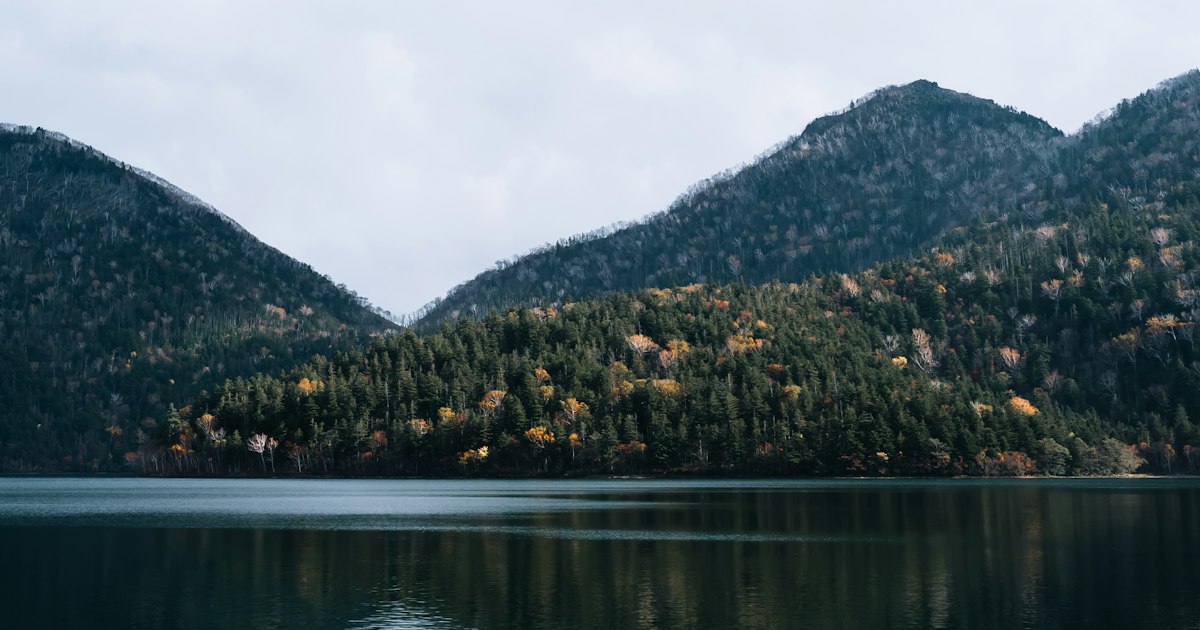
    Photo by pen_ash on Unsplash

    Most visitors to Japan leave with the impression that the country’s culture is a single, unbroken thread. Hokkaido tells a different story. The island is the traditional homeland of the Ainu, an Indigenous people with their own language, spiritual traditions, and craft heritage that developed independently from mainland Japanese culture for centuries. Ainu culture isn’t a museum piece frozen in the past — it’s actively practiced today, and Hokkaido has several excellent places to learn about it properly, respectfully, and in some depth. Here’s where to go, what it costs, and how to avoid the mistakes most first-time visitors make.

    Upopoy: Japan’s National Ainu Museum and Park

    Upopoy, which opened in July 2020 on the shore of Lake Poroto in Shiraoi, is the government-run flagship site for Ainu culture and by far the easiest to reach. The complex includes the National Ainu Museum, an outdoor park with reconstructed cise (traditional thatched dwellings), a reconstructed kotan (village) setting, and a performance theater where staff — many of them Ainu themselves — demonstrate traditional dance, music, and crafts throughout the day.

    • Hours: 9:00–17:00 (extended to 18:00 during peak summer months); closed most Mondays, with the closure shifting to the following weekday if Monday is a public holiday, plus a New Year closure.
    • Admission: around ¥1,200 for adults, ¥600 for university and high school students, and free for junior high students and younger.
    • Access: Shiraoi Station is roughly 25–40 minutes from New Chitose Airport and about an hour from Sapporo Station by JR limited express (Hokuto or Suzuran lines). From the station it’s about a 10-minute walk to the entrance.

    Budget at least 2.5–3 hours here — the museum’s core exhibits alone (language, spirituality, clothing, hunting and fishing tools) reward a slow pace, and the outdoor performances run on a schedule worth checking ahead. Shiraoi also sits conveniently between New Chitose Airport and Noboribetsu Onsen, so it works well as a stop on the way to or from a hot spring stay rather than a dedicated round trip from Sapporo.

    Akanko Ainu Kotan: A Living Ainu Village

    In eastern Hokkaido, on the shore of Lake Akan (also known for its marimo algae balls), Akanko Ainu Kotan is one of the largest Ainu communities in the country, with around three dozen households. Unlike Upopoy, this is a real residential neighborhood, not a purpose-built museum — the main street is lined with family-run craft shops selling wood carvings and embroidery, and in the evening the Ikor theater stages Ainu dance performances. Traditional Ainu dance was recognized by UNESCO as Intangible Cultural Heritage in 2009, and seeing it performed live by community members here carries more weight than any video.

    Akan is a genuine trip in itself: from Kushiro Airport it’s about an hour by bus, and from Sapporo it’s a 3.5–4 hour journey by car, bus, or train-and-bus combination. It’s not something to bolt onto a Sapporo-only itinerary — plan a night in the Akan hot spring area if you want to see the evening show without rushing back.

    Nibutani: The Heartland of Ainu Heritage

    The small settlement of Nibutani, in Biratori Town south of Sapporo, has outsized historical importance. It’s home to two neighboring museums — the Kayano Shigeru Nibutani Ainu Museum and the Biratori Town Museum of Nibutani Ainu Culture — both built around collections of everyday tools, ceremonial robes, and household items rather than staged reconstructions. Kayano Shigeru, who founded the first collection here, became the first Ainu member of Japan’s national Diet and was central to the modern movement for Ainu cultural recognition. Nibutani is also where you’re most likely to watch working artisans carve wooden trays or weave textiles in small home studios rather than in a retail display case. It’s remote and best reached by rental car; there’s no convenient train access, which is exactly why it stays quieter than Upopoy or Akan.

    Understanding Ainu Crafts: What to Look For and Buy

    A few craft forms show up repeatedly across all three sites, and knowing what you’re looking at makes shopping far more satisfying:

    • Attus: cloth hand-woven from the inner bark fiber of the Japanese elm tree — slow, labor-intensive work traditionally used for clothing.
    • Cut-work embroidery: swirling appliqué patterns called moreu, historically believed to ward off misfortune, now applied to modern accessories as well as traditional robes.
    • Ita: carved wooden trays and bowls with geometric or spiral motifs.
    • Mukkuri: a small bamboo mouth harp with a distinctive twangy sound — inexpensive, easy to pack, and usually demonstrated in museum shops before you buy.

    One nuance worth knowing: the carved wooden bears sold across Hokkaido souvenir shops are not an ancient Ainu tradition. The craft traces back to the 1920s in Yakumo, where a Swiss-inspired wood bear was brought back as a sample and local artisans — Ainu and non-Ainu — developed it into what became a regional specialty. That doesn’t make a well-carved bear a bad souvenir, but it’s a different story from the ita trays or embroidery you’ll see at Akan and Nibutani, which draw on genuinely older techniques. For authenticity, buy directly from the craft shops in Akanko Ainu Kotan or the artisan studios around Nibutani rather than generic gift shops in Sapporo or Otaru — you’re paying a fair price for hand work and can usually meet the maker. Shoppers who enjoy comparing regional Japanese craft traditions might also like our guides to Kokeshi Dolls from Tohoku and the pottery towns of Mashiko and Bizen, and our buying guide to Japanese chopsticks covers similar questions of artisan-made versus mass-produced.

    Budget, Mid-Range, and Splurge Options

    • Budget: Upopoy’s standard ¥1,200 ticket plus browsing the free-to-enter craft shops in Akan Kotan.
    • Mid-range: add a hands-on workshop at Upopoy, such as mukkuri-making or embroidery (typically a modest add-on fee beyond admission), plus a seat at the evening dance performance at Akan’s Ikor theater.
    • Splurge: commission a piece directly from a named artisan in Nibutani — a substantial hand-woven attus textile or a large carved ita tray can run well into the tens of thousands of yen, but you leave with something genuinely one-of-a-kind and a story about who made it.

    Best Time to Visit and Planning Tips

    Upopoy is a year-round destination since most of the museum is indoors, but summer (July–September) brings the fullest schedule of outdoor performances and the best weather for walking the Lake Poroto shoreline. Winter visits are quieter, with performances moved indoors — still worthwhile, just less atmospheric outside. If you’re arriving at New Chitose Airport with luggage and plan to visit Shiraoi before continuing to Sapporo or Noboribetsu, our guide to coin lockers in Japan is worth a look so you’re not dragging suitcases around the museum.

    Common Mistakes to Avoid

    The biggest one is treating Ainu culture as purely historical — the staff performing dances at Upopoy and Akan, and the artisans carving in Nibutani, are practicing a living culture, not re-enacting a dead one. Second, don’t rush Upopoy in under two hours; the exhibits are dense and the outdoor performance schedule is easy to miss if you’re moving too fast. Third, check the Monday closure before you build a tight itinerary around it. And finally, don’t assume a Sapporo-based trip automatically covers “Hokkaido’s Ainu heritage” — Upopoy is an easy add-on, but Akan and Nibutani require real travel time from the capital, so decide early whether they fit your schedule rather than discovering the distance too late.

  • Kichijoji: Tokyo’s Most Livable Neighborhood — Inokashira Park & Shopping

    Kichijoji: Tokyo’s Most Livable Neighborhood — Inokashira Park & Shopping

    Photo by Su San Lee on Unsplash

    Ask Tokyoites where they’d most like to live and Kichijoji comes up almost every time. This leafy, walkable neighborhood in western Tokyo has topped SUUMO’s annual “most desirable place to live” ranking for years running, and it’s easy to see why once you’re standing at the edge of Inokashira Park with a coffee in hand. For visitors, Kichijoji offers something the Shibuya-Shinjuku-Ginza circuit doesn’t: a genuine residential feel, a big green park, one of Japan’s most-loved small museums, and a shopping scene built around independent boutiques rather than flagship stores. It’s an easy half-day or full-day trip from central Tokyo, and it rewards slow wandering more than a checklist.

    Getting to Kichijoji

    Kichijoji Station is served by two lines, which makes it convenient from almost anywhere in the city. The JR Chuo Line rapid train from Shinjuku takes about 14 minutes (around ¥230). From Shibuya, hop on the Keio Inokashira Line — a semi-express (kyuko) train gets you there in roughly 16–17 minutes for about ¥200–250. There’s no need to reserve seats or use a limited express; these are regular commuter trains, so expect standing room during weekday rush hours (7:30–9:00am and 5:30–7:30pm).

    The station itself has a maze of exits, but signs for “Park Exit” (Koen-guchi) will point you toward Inokashira Park, while the “North Exit” (Kita-guchi) leads to Sun Road and Harmonica Yokocho. If you’re arriving with luggage before continuing elsewhere in Tokyo, the station and nearby Yodobashi Camera building both have coin lockers — for sizing and pricing before you go, see this guide to coin lockers in Japan.

    Inokashira Park: Boating, a Jealous Goddess, and Cherry Blossoms

    Inokashira Park (Inokashira Onshi Koen) is a five-minute walk south of the station and centers on a long, willow-lined pond. Rowboats and swan-shaped pedal boats are available for rent from a dock near the pond’s north side, typically for around ¥700–800 per 30 minutes; the rental booth generally operates from 9:30am until dusk, though hours shift seasonally, so check the signage on arrival. There’s a local legend attached to the boats worth knowing: Benzaiten, the goddess enshrined at the small shrine on the pond’s island, is said to grow jealous of couples who ride together, supposedly cursing them to break up. Most Tokyoites treat it as a fun superstition rather than a real deterrent, but you’ll hear it mentioned often.

    The park also has a modest zoo and aquarium section (adult admission around ¥400), wooded walking paths, and a wide grassy square that fills with picnickers on weekends. If you want to eat park-side, pick up onigiri from a convenience store or supermarket on your way in rather than searching for food once you’re inside — our guide to onigiri covers what to look for and how to read the fillings. Cherry blossoms typically peak in late March to early April, when the pond becomes one of Tokyo’s best hanami spots and gets genuinely crowded; November brings a quieter but equally striking wash of autumn color.

    The Ghibli Museum

    At the park’s southwestern edge (technically just over the border in Mitaka) sits the Ghibli Museum, designed by Hayao Miyazaki himself. It’s small, whimsical, and deliberately light on English signage — the idea is to explore and discover rather than read placards. Adult tickets cost around ¥1,000, but the catch is that tickets are not sold at the door. They go on sale on the 10th of each month for entry dates in the following month, through the Lawson Ticket system (either online or at a Loppi machine in any Lawson convenience store), and popular entry slots — especially weekends — often sell out within hours. If a visit here matters to you, build your Tokyo dates around ticket availability rather than the other way around. The museum is closed on Tuesdays and has fixed timed-entry slots (10am, 12pm, 2pm, and 4pm), so arrive on time. Photography is not allowed inside, which is part of what keeps the experience feeling intimate.

    Harmonica Yokocho: Retro Alleys for Eating and Drinking

    Just north of the station, Harmonica Yokocho is a tight grid of alleyways lined with tiny bars, yakitori counters, and standing-room izakaya, many seating only six to ten people. The name comes from the narrow, tightly packed stalls resembling harmonica reeds — it dates back to a black-market area that sprang up after World War II and never lost its scrappy charm. This is a good place for an early dinner or a post-park drink; most spots open around 5pm, though a handful of coffee and food stalls run in the daytime too. Expect cash-only counters in many of the smaller bars, and don’t expect English menus — pointing at what your neighbor is eating works fine. It’s atmospheric rather than polished, which is exactly the appeal.

    Shopping in Kichijoji

    Kichijoji’s shopping strength is its density of independent shops rather than any single mega-mall. Sun Road, the covered arcade running from the station’s north exit, mixes bakeries, drugstores, and casual fashion and is the easiest starting point. Just beyond it, Nakamichi-dori and the surrounding backstreets are where Kichijoji earns its reputation among Tokyo locals: secondhand clothing stores, small press bookshops, and zakka (lifestyle goods) boutiques selling ceramics, stationery, and homeware from independent Japanese makers. If you’re building a collection of everyday Japanese housewares to bring home, keep an eye out for noren doorway curtains or simple lacquer and wood pieces in these shops — browsing here is a nice complement to more specialized craft-town shopping.

    For groceries or self-catering, Kichijoji has several supermarkets within a few minutes of the station, including budget chains that are popular with residents rather than tourists — a good chance to shop the way locals actually do; see our guide to Gyomu Super and local supermarkets for what to expect and how to navigate one. On the department-store end, Kirarina Kichijoji sits directly above the station’s south side, and a Yodobashi Camera electronics store is a short walk away if you need chargers, SIM cards, or last-minute electronics.

    Best Time to Visit and Common Mistakes

    Weekday mornings and early afternoons are the calmest time to explore — Kichijoji is a residential neighborhood first, so it doesn’t have the 24-hour buzz of Shinjuku, and many smaller shops open around 11am rather than earlier. Weekends, especially with good weather, bring heavy crowds to both the park and Sun Road. The most common mistake visitors make is treating Kichijoji as a quick stopover on the way to the Ghibli Museum without checking ticket availability first — by the time many travelers think to book, their preferred dates are gone. Book Ghibli tickets as early as the sale window allows, and treat the park, alleys, and shopping streets as worth a dedicated half-day even without a museum slot. The second common mistake is rushing straight from the station to the park without wandering Harmonica Yokocho or the backstreets around Nakamichi-dori — that unplanned wandering is where Kichijoji’s actual character lives.

  • Coin Lockers in Japan: Sizes, Prices, Apps & Where to Store Your Luggage

    Coin Lockers in Japan: Sizes, Prices, Apps & Where to Store Your Luggage

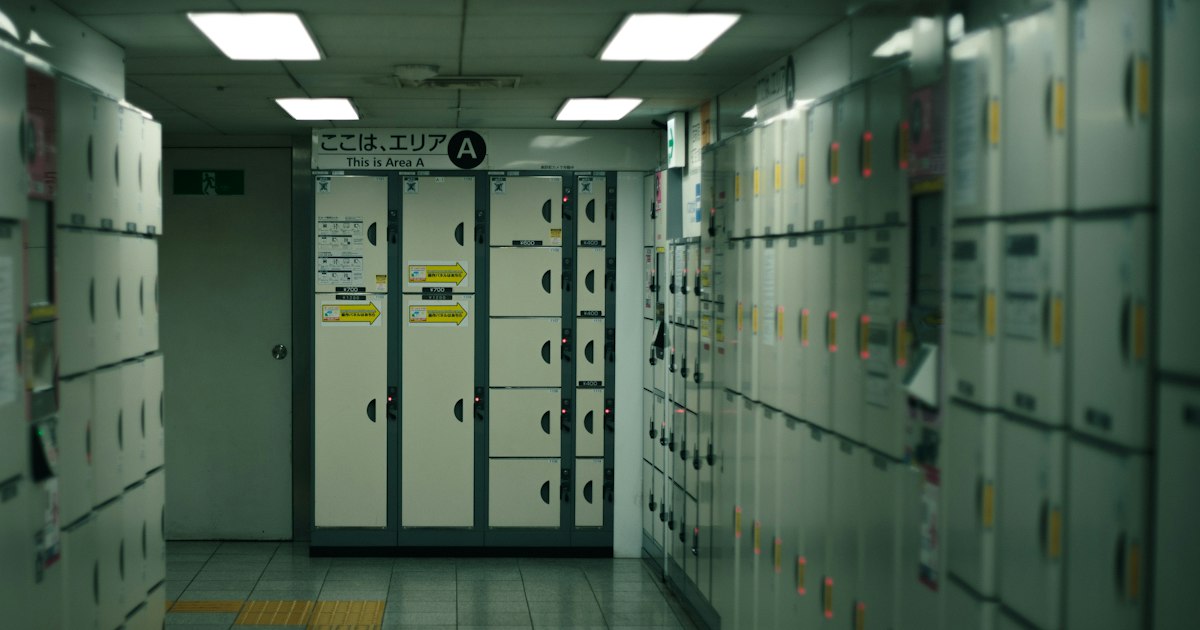
    Photo by Thiago Yonamine on Unsplash

    Nothing derails a good sightseeing day like dragging a suitcase up and down station stairs. Japan’s coin lockers solve this cheaply and reliably — but only if you know which size you need, how much cash (or IC card balance) to carry, and what to do when every locker at Kyoto or Shibuya Station is full, which happens more often than guidebooks admit. Here’s what actually works.

    How Coin Lockers Work in Japan

    Coin lockers are self-service, pay-on-entry storage units found at train and subway stations, airports, shopping malls, and tourist sites. You pick an empty locker, load your bag, pay, and take a key or a printed receipt with a QR code or PIN. Older lockers use physical keys; most stations have now switched to keyless systems where you pay by card, IC card (Suica, PASMO, ICOCA), or cash and unlock the locker later by scanning a receipt or entering a code at a touch panel.

    Almost all lockers accept 100-yen coins, and newer touch-panel units take IC cards and sometimes credit cards. Carry a stack of 100-yen coins anyway — rural stations and older locker banks are still coin-only, and change machines nearby aren’t guaranteed.

    One important rule: most coin lockers are day-use only, resetting at midnight or at the start of station operating hours (typically around 4:00-5:00 AM). If you leave a bag in overnight, you’ll usually owe an extra day’s fee, sometimes double, when you return. A few 24-hour lockers at major hubs like Tokyo, Shinjuku, and Osaka Station are built for multi-day storage and charge per calendar day instead.

    Locker Sizes and Prices

    Sizes are fairly standardized nationwide, though pricing varies slightly by operator (JR East, JR West, Kotsu Kaikan, and private mall operators all run their own networks):

    • Small (S) — roughly 34 x 34 x 57 cm, fits a backpack or small daypack. ¥300-¥500/day.
    • Medium (M) — roughly 57 x 34 x 57 cm, fits a carry-on suitcase (20-22 inch). ¥400-¥700/day.
    • Large (L) — roughly 57 x 57 x 57 cm or bigger, fits a large checked suitcase. ¥600-¥900/day.
    • Extra-large — found mainly at airports and Shinkansen hubs, big enough for oversized luggage or two suitcases. ¥800-¥1,200/day.

    Budget travelers: a small locker is enough for a day pack while you explore, freeing you from carrying souvenirs or a jacket. Mid-range: most visitors need a medium locker for one rolling suitcase. Splurge/family trips: at Tokyo, Shin-Osaka, or Kyoto Station, book the extra-large lockers early in the day — they’re the first to sell out, especially during cherry blossom season (late March-early April) and autumn foliage season (mid-November), when everyone is switching hotels mid-trip.

    Best Apps and Tools for Finding an Empty Locker

    The single biggest headache with coin lockers isn’t cost — it’s availability. Popular stations sell out of lockers by mid-morning during peak travel weeks. A few tools help:

    • Coin Locker Navi (coinlocker-navi.com) — a Japanese-run site and app showing real-time-ish locker locations and sizes at major stations in Tokyo, Osaka, Kyoto, and beyond. Not always live-updated for vacancy, but excellent for finding where locker banks physically are, since they’re often tucked behind concourses or on different floors than you’d expect.
    • Google Maps — search “coin locker” near your station; user-submitted photos often show whether a bank looked full recently.
    • Ecbo Cloak and Nimble Storage — apps that let you reserve luggage storage in advance at partner shops, cafes, and hotels rather than gambling on station lockers. Useful backup when lockers are the bottleneck, and bookable ahead of a big travel day.

    None of these apps show live vacancy for every locker bank — Japan doesn’t have a unified national system — so the real strategy is arriving early (before 9:00 AM) or having a backup plan ready.

    Where to Find Them: Stations, Airports, and Tourist Spots

    Coin lockers cluster around ticket gates, but the biggest banks are usually one level up or down from the platforms, near coin locker signage (a suitcase icon with a key). At sprawling stations — Tokyo, Shinjuku, Osaka, Kyoto — lockers are scattered across multiple exits (Yaesu vs. Marunouchi side at Tokyo Station, for example), so check a locker map before you start walking with a heavy bag.

    At airports, Narita and Haneda have locker banks in the arrival and departure lobbies, plus luggage forwarding counters (takkyubin) that can ship your suitcase ahead to your hotel or back to the airport for ¥2,000-¥3,000 — genuinely worth it if you’re doing a multi-city trip and don’t want to lug everything through every transfer.

    Tourist areas with heavy foot traffic — Kyoto Station (the gateway if you’re heading to the Arashiyama Bamboo Grove), Asakusa, Dotonbori — also have locker banks, though these fill fast on weekends. If you’re day-tripping somewhere remote, like Amanohashidate or the boathouses at Ine no Funaya, check locker availability before you go — smaller stations may have only a handful of units, or none at all, and the nearest tourist information center is often your best bet for staffed storage instead.

    Common Mistakes to Avoid

    • Losing your receipt or key. Keyless lockers print a receipt with a barcode or PIN — photograph it immediately as backup. Losing it means finding station staff, showing ID, and possibly paying a fee to prove the bag is yours.
    • Assuming 24-hour access. Many station lockers are only accessible during station operating hours, generally around 5:00 AM to midnight. If your locker is behind ticket gates, you’ll also need a valid ticket to reach it, which matters if you’re storing bags before an early Shinkansen and returning after using a different ticket.
    • Not carrying coins. Even in cashless-friendly Japan, plenty of locker banks — especially outside big cities — are coin-only. Keep a stash of 100-yen coins for this exact purpose, alongside vending machines and Setsubun-season shrine offering boxes.
    • Overpacking a locker last-minute. If you’re heading out shopping — for pottery in Mashiko or Bizen, or fountain pens in Jimbocho — remember lockers have fixed dimensions; fragile or oddly shaped purchases (a folded wagasa umbrella, boxed ceramics) may need to go in your carry bag instead, not jammed into a locker door.

    When Lockers Are Full: Backup Options

    If every locker at your station is taken, don’t panic. Larger stations often have a staffed baggage counter (temporarily storing bags for a flat daily fee, usually ¥500-¥1,000 per item, no size limit). Hotels — even before official check-in time — will almost always hold luggage for guests, and many now do so for non-guests too via the Ecbo Cloak network. Convenience stores don’t offer storage, but tourist information centers near major shrines and stations sometimes do, particularly in Kyoto and Nara.

    For longer stretches — say you want your bags gone for several days while you island-hop or take a long-distance ferry — luggage forwarding (takkyubin, run by Yamato or Sagawa) is more reliable than hoping a locker stays free. Drop your suitcase at a hotel front desk or convenience store in the morning, and it typically arrives at your next hotel by early evening the next day for ¥1,500-¥3,000 depending on size and distance.

    Plan your locker strategy the way you’d plan a train transfer: know the size you need, arrive early at busy stations, and always have a plan B. It’s a small detail, but it’s the difference between a relaxed day of sightseeing and an hour spent circling a station concourse with a suitcase.