Photo by Martijn Baudoin on Unsplash
Okonomiyaki gets all the international fame, but ask a Tokyoite what they crave on a rainy weeknight and there’s a good chance the answer is monjayaki — a runnier, stickier, distinctly Tokyo cousin of the savory griddle pancake, cooked and eaten directly off a hot teppan with a tiny metal spatula. It looks messy, sounds unfamiliar, and is one of the most fun, low-cost meals you can have in the city. This guide covers what monjayaki actually is, why the Tsukishima neighborhood became its unofficial capital, and how to order and eat it without feeling lost.
What Is Monjayaki, Exactly?
Monjayaki starts life as a thin, almost soupy batter of flour and dashi stock, mixed with shredded cabbage and whatever fillings you choose — classics include mochi cheese, pork and kimchi, corn and butter, mentaiko (spicy cod roe), and seafood mixes. Unlike okonomiyaki, which is flipped into a firm pancake, monjayaki is cooked in stages on a shared iron griddle (teppan) built into your table, and it never fully solidifies. The finished texture is closer to a thick, savory, slightly crispy-at-the-edges stew that you scrape up in small bites directly from the griddle.
It originated as a cheap snack for Tokyo children in the early 20th century (the name is thought to come from “moji-yaki,” because kids would trace characters in the batter as it cooked) and later became a full sit-down restaurant meal, especially in the working-class districts east of the Sumida River.
Why Tsukishima Is Tokyo’s Monja Capital
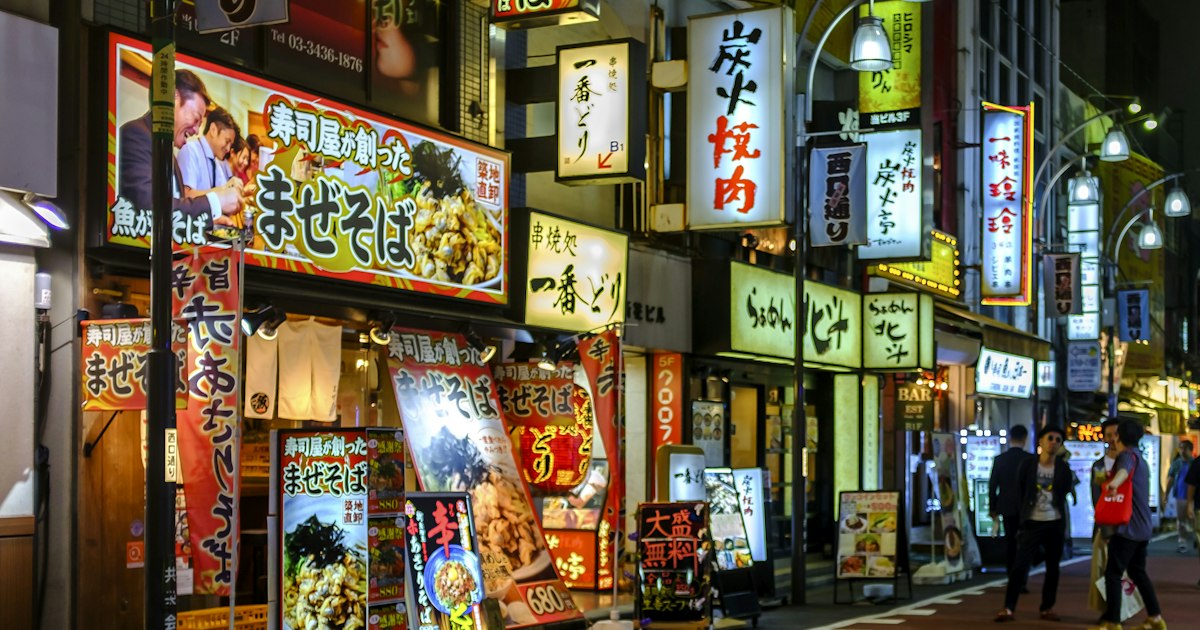
Tsukishima, a former dockworkers’ district on reclaimed land in Chuo Ward, is where monjayaki restaurants cluster most densely. Its main strip, Tsukishima Nishinaka-dori — universally known as “Monja Street” — runs for about 400 meters and is lined with roughly 50-70 monjayaki restaurants, many family-run for two or three generations. The street is lit with paper lanterns and old-fashioned signage, and it fills with a mix of local families, salarymen, and increasingly, tourists in the evenings, especially Friday and Saturday nights and weekend lunches.
Because the format is naturally communal — everyone cooks and shares off the same griddle — it’s a good choice for a group dinner, and most restaurants are set up with that in mind.
Getting to Tsukishima’s Monja Street
Tsukishima Station is served by the Tokyo Metro Yurakucho Line and the Toei Oedo Line. From the station, Monja Street is a 3-5 minute walk (exit 7 or 8 puts you close). It’s also a pleasant 15-20 minute walk or short taxi ride from Tsukiji, so it pairs naturally with a morning at the outer market followed by a monja dinner, or you can combine it with a visit to Ginza, which is about 15 minutes away by train or a 25-30 minute walk along the water.
If you’re carrying luggage from elsewhere in the city, note that Tsukishima Station itself has limited storage, so it’s worth checking a guide to coin lockers in Japan and stashing bags at a larger nearby station like Tokyo or Ginza before you come.
How to Cook and Eat Monjayaki Like a Local
Most restaurants expect you to cook it yourself, and staff will usually demonstrate the first round if you look uncertain — don’t hesitate to ask, as fumbling this dish is a rite of passage even for Japanese first-timers.
- Drain, then pour: The solid ingredients (cabbage, meat, toppings) come out first in a bowl with the liquid batter poured around them. Strain most of the liquid off using the bowl’s edge, and cook the solids first in a ring on the griddle, like building a dam.
- Pour the batter into the well: Once the solids are sizzling, pour the reserved liquid into the center and let it bubble and thicken for a minute or two.
- Mix and spread thin: Combine everything into a thin, even layer across the hot griddle — the thinner it’s spread, the better the crispy bits (called “okoge”) that form underneath.
- Eat straight off the griddle: Use the small metal spatula (hera) provided to scrape up small portions and eat directly, letting it continue to crisp between bites. It stays hot on the teppan the whole meal, so there’s no rush.
A useful tip: order one flavor per person or share two to three flavors across a group of four, since portions are modest and half the fun is trying different fillings.
Where to Eat: Budget, Mid-Range, and Splurge Picks
Prices across Monja Street are fairly uniform, which makes it easy to budget.
- Budget (roughly ¥800-1,300 per monja serving): Standalone, unfussy shops along the main strip serving classic cabbage, pork, or seafood monja. A meal for two with a couple of plates and drinks typically runs ¥3,000-4,000 total. Many of these are cash-friendly local institutions with paper menus and no English signage — part of the charm.
- Mid-range (roughly ¥1,300-2,200 per monja, plus sides): Larger, more tourist-comfortable restaurants with English or picture menus, additional yakisoba and teppan-grilled seafood options, and sometimes an all-you-can-eat course (tabehodai) in the ¥3,000-4,500 range per person for 90-120 minutes — good value if you’re hungry and want to sample several flavors.
- Splurge: A handful of shops add premium seafood or wagyu beef to their monja and okonomiyaki menus, pushing individual dishes toward ¥2,500-3,500. If you’re curious how Japanese beef grading works before ordering a wagyu-topped monja or teppan side dish, it’s worth a quick look at this guide to wagyu grades first.
Most restaurants are open for dinner from around 17:00 or 17:30 until 22:00-23:00, with a number also open for lunch from around 11:30. Hours vary shop by shop and some close one weekday, so it’s worth checking a specific restaurant’s listing on the day if you have your heart set on one particular spot.
Best Time to Visit and Common Mistakes
Weekday early evenings (before 18:30) are the easiest time to walk in without a wait. Weekend evenings can mean a 20-40 minute queue at the most popular shops, so arriving right at opening or going on a weekday lunch is the smartest move if you dislike lines. Winter is arguably the best season to try monja — the hot griddle and steamy, bubbling batter feel especially good on a cold night, though it’s enjoyable year-round.
Common first-timer mistakes:
- Flipping it like okonomiyaki: Monja is never flipped into a solid pancake — resist the urge, and just spread and eat in stages.
- Eating with chopsticks only: Use the small hera spatula for scraping and eating; chopsticks are usually just for picking up solid ingredients beforehand.
- Not asking about seating fees: Some shops add a small table or oshibori (wet towel) charge of a few hundred yen — not unusual in Japan, but worth knowing so the bill doesn’t surprise you.
- Skipping the griddle cleanup between rounds: If you order a second flavor, staff or the table itself will usually scrape the griddle clean first; let the burnt bits get cleared so the next batch doesn’t taste off.
Rounding Out a Tokyo Food Day
Tsukishima works well as one stop in a broader Tokyo food itinerary. If you’re building out a day of casual, hands-on Japanese dishes, it pairs naturally with a yakiniku dinner on another night, a stop for taiyaki or imagawayaki as a sweet snack afterward, and — if you’re feeling adventurous — working up to trying natto at breakfast the next morning. None of these dishes are difficult to find, but Tsukishima remains the one place in Tokyo where monjayaki isn’t just available — it’s the entire point of the neighborhood, cooked, scraped, and shared one small spatula at a time.