Japan Trove

Category: Shopping

Honest guides to shopping in and buying from Japan — skincare and cosmetics, snacks and sweets, whisky and sake, hobby and character goods, kitchenware and homeware, and exactly how to ship it all home. We recommend what is genuinely worth it and flag the catches, from voltage and region locks to tax-free rules.

  • Tobe Ware: Ehime’s Blue-and-White Porcelain and Where to Buy

    Tobe Ware: Ehime’s Blue-and-White Porcelain and Where to Buy

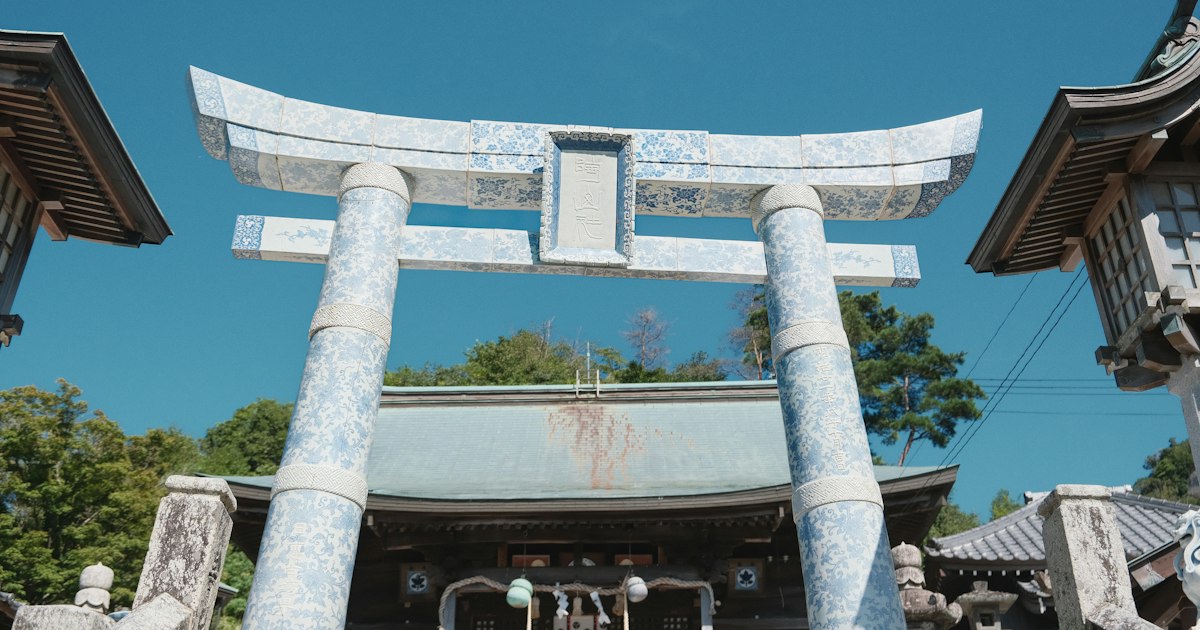
    Photo by wei on Unsplash

    In the hills just south of Matsuyama, the small town of Tobe has been turning out thick, hand-painted blue-and-white porcelain since the late 1700s. Tobe ware (砥部焼, Tobe-yaki) doesn’t have the fame of Arita or Kutani, which is exactly why it’s a satisfying find: sturdy, everyday-use porcelain with a distinctive chalky-white body and bold cobalt brushwork, sold direct from the kilns that make it at prices well below what similar craft pottery costs in Tokyo gift shops. Here’s what it is, where to buy it, and how to get there without wasting a day.

    What Makes Tobe Ware Distinctive

    Tobe ware started around 1777, when the local feudal lord ordered production of porcelain using pottery stone (toseki) quarried from the hills around Tobe. That stone gives Tobe ware its signature look: a slightly heavy, off-white or grayish-white body — distinct from the pure bright white of Arita porcelain — decorated with hand-painted underglaze cobalt blue (gosu). Designs lean toward bold, confident brushstrokes rather than fine detail: arabesque vines (karakusa), plants, fish, and abstract geometric patterns are common. It was designated a traditional craft (dentō kōgeihin) in 1976, and today around 100 kilns operate in and around Tobe town, most small, family-run operations with an attached shop.

    Practically speaking, this is porcelain meant for daily use — most pieces are dishwasher- and microwave-safe, which isn’t always true of Japanese ceramics, and it’s a genuine advantage if you’re shopping for something you’ll actually use at home rather than display.

    Best Places to Buy in Tobe Town

    The single best stop is the Tobe Ware Traditional Industry Hall (砥部焼伝統産業会館), which functions as both a museum and a sales showroom carrying work from dozens of different kilns under one roof — useful for comparing styles before you commit to a specific studio. It’s open daily except Mondays, roughly 9:00–17:00, with free or low-cost entry to the exhibition space.

    Beyond the hall, walk or bus around the kiln district and you’ll find shops attached to individual studios — Tozan-gama, Sadamitsu-gama, and Umenoki-gama are among the better-known names, each with its own house style within the blue-and-white tradition. Buying direct from a kiln shop is usually 10–20% cheaper than buying the same piece in a Matsuyama department store, and you can often see the painting studio through a window or open door.

    Buying in Matsuyama City (If You’re Short on Time)

    If a dedicated trip to Tobe doesn’t fit your itinerary, Matsuyama city itself carries a reasonable selection. The Iyotetsu Takashimaya department store has a Tobe ware corner, and souvenir shops around the Okaido/Gintengai covered arcades and near Dogo Onsen stock smaller pieces like teacups and sake cups aimed at travelers. Selection is narrower and prices run a bit higher than buying direct from the kilns, but it saves the bus trip if Dogo Onsen is already on your plan.

    The Tobe Ware Festival: Best Time to Buy

    Once a year, usually over several days in late April (dates shift slightly year to year, so check the current schedule before you plan around it), Tobe hosts the Tobe-yaki Matsuri — an outdoor festival where dozens of kilns set up stalls and sell seconds, overstock, and festival-only pieces at discounts of 20–30% off normal shop prices. It draws a large crowd from across Ehime, so go early in the day if you want first pick of the better pieces. Outside festival season, prices are fixed and consistent whether you buy on a Tuesday afternoon or a Saturday.

    Prices: Budget, Mid-Range, and Splurge

    Tobe ware is priced for daily use, not investment collecting:

    • Budget (¥1,000–3,000): small plates, teacups (yunomi), and sake cups (guinomi) — an easy, packable souvenir. If you’re already building a set of Japanese drinkware, a Tobe guinomi pairs well with anything from a broader sake cup and tokkuri collection.
    • Mid-range (¥3,000–8,000): rice bowls, medium serving bowls, and matched pairs of cups or small vases, often the sweet spot for a piece you’ll actually use at home.
    • Splurge (¥10,000–100,000+): larger vases, serving platters, and signed work from established kiln masters. These are sold mainly at kiln shops and the Traditional Industry Hall rather than in city souvenir shops.

    Most kiln shops accept cash and increasingly IC cards or credit cards, but smaller studios may be cash-only — bring some yen in case.

    Getting There and Practical Tips

    Tobe town is roughly 30–40 minutes from central Matsuyama by Iyotetsu bus bound for Tobe/Tonoura, with a one-way fare of a few hundred yen; buses run at reasonable but not frequent intervals, so check the timetable before heading out, especially on weekends. If you’re staying near Dogo Onsen, budget a half-day round trip including browsing time — it pairs naturally with a Matsuyama itinerary since both are reachable from the same city base.

    For breakage-free travel, ask the shop to wrap items securely (most do this automatically for porcelain) and consider carrying fragile pieces in your carry-on rather than checked luggage. Larger or bulk purchases can often be shipped domestically via takkyubin courier from the shop, and some of the bigger kilns can arrange international shipping — ask before you buy if you’re eyeing something too large to carry.

    Common Mistakes to Avoid

    Don’t assume every piece is flawless — small firing irregularities are normal in handmade porcelain and are sometimes sold as discounted “wake-ari” (has-a-reason) seconds; these are perfectly usable and a good way to save money, but check for actual functional cracks rather than just cosmetic glaze variation. Don’t buy the first shop’s price as final if you’re planning to visit multiple kilns — prices vary more between studios than you’d expect for what looks like a similar item. And don’t skip the Traditional Industry Hall even if you plan to buy elsewhere — seeing the range of styles from different kilns side by side makes it much easier to recognize what you actually like once you’re browsing individual shops.

  • Sampuru: Japan’s Plastic Food Replicas and Where to Buy Them

    Sampuru: Japan’s Plastic Food Replicas and Where to Buy Them

    Photo by Clark Street Mercantile on Unsplash

    Walk past almost any restaurant window in Japan and you’ll see it: a glistening bowl of ramen, a perfectly browned tonkatsu, a parfait with condensation still “dripping” down the glass — all of it plastic. These hyper-realistic food replicas, called sampuru (サンプル, from the English “sample”), have been guiding hungry customers in Japan since the 1930s. They’ve also become one of the country’s most fun and genuinely useful souvenirs, ranging from 500-yen sushi keychains to museum-quality tempura platters. Here’s where sampuru actually come from, where to buy them, and how to avoid the rookie mistakes that trip up first-time buyers.

    What Is Sampuru, and Why Does It Exist?

    Before English menus, photo apps, and Google Translate, plastic food displays solved a real problem: how do you show a customer what “oyakodon” or “katsu curry” actually looks like? A Osaka-based craftsman named Takizo Iwasaki is usually credited with commercializing wax food models in the 1930s (the industry later switched to more durable and heat-stable PVC and vinyl chloride). Today, nearly every izakaya, department store restaurant floor, and train station soba shop in Japan still uses sampuru, and it remains one of the most visitor-friendly ordering systems in the world — you point at what looks good, no language needed.

    The craft itself is what makes sampuru collectible. Each piece of “lettuce” is individually shaped and painted by hand, sauce “drips” are poured in liquid resin and frozen mid-drip, and a single realistic-looking fried egg can take a trained craftsperson several attempts to perfect. That labor is exactly why a good sampuru costs real money and why buying one feels like buying a craft object, not a toy.

    Kappabashi, Tokyo: Japan’s Kitchen Supply Street

    The single best place to buy sampuru is Kappabashi Dougu Gai (合羽橋道具街) in Asakusa, Tokyo — a roughly 800-meter strip of restaurant supply shops selling everything a professional kitchen needs: knives, chef whites, noren curtains, tableware, and, at several dedicated stores, plastic food models. It’s easily combined with a visit to Senso-ji Temple, a 10-minute walk away.

    • Getting there: Tawaramachi Station (Ginza Line) is the closest, about a 5-minute walk. Asakusa Station is roughly 12–15 minutes on foot.
    • Hours: Most shops open around 9:30–10:00am and close by 5:30–6:00pm. Many independent shops close on Sundays, so a Tuesday–Saturday visit is safer if you want every store open.
    • What to look for: Maizuru (Ganso Shokuhin Sample-ya) is the best-known sampuru specialist on the street and also runs hands-on workshops. Tokyo Biken Kappabashi and a few smaller stalls carry cheaper mass-produced pieces alongside handmade ones.

    Since Kappabashi is a working trade street for chefs, not a tourist arcade, prices are transparent and there’s no haggling — but also no English signage in most shops, so bring a translation app if you want to ask about custom orders or shipping.

    Gujo Hachiman: The Birthplace of Plastic Food

    If you have more time, the small castle town of Gujo Hachiman in Gifu Prefecture is where a large share of Japan’s sampuru is actually manufactured, and it’s the best place to make your own. Sample Village Iwasaki, run by one of the industry’s oldest manufacturers, offers walk-in workshops where you dip real lettuce or tempura shapes into hot colored wax to build your own edible-looking souvenir — a genuinely fun 30–40 minute activity for kids and adults alike, generally priced in the low thousands of yen per piece depending on what you make.

    Gujo Hachiman is also worth the trip in its own right: clear spring-fed canals run through the old town, and it’s famous for the Gujo Odori summer dance festival. It pairs naturally with a Nagoya-based itinerary — if you’re already there for the food-replica factories, it’s worth carving out time for Nagoya’s own shopping streets, like Osu Shopping Arcade, before or after.

    • Getting there from Nagoya: JR to Mino-Ota, then transfer to the Nagaragawa Railway local line to Gujo-Hachiman Station (roughly 2 hours total), or take a direct highway bus from Nagoya or Gifu, which is usually faster and simpler with luggage.
    • Best timing: Weekday mornings are quietest for workshops; book or arrive early in peak summer travel weeks since school trip groups sometimes fill sessions.

    Budget, Mid-Range, and Splurge Options

    Sampuru shopping scales to almost any budget:

    • Budget (500–1,500 yen): Keychains and magnets shaped like a single piece of sushi, a slice of cake, or a fried egg. These are mass-produced but still hand-painted and make great, packable gifts.
    • Mid-range (2,000–8,000 yen): Standalone pieces like a realistic tempura shrimp, a bowl of curry, or a beer-and-edamame set — good for display at home, and the size most people actually take home.
    • Splurge (10,000 yen and up): Full ramen bowls, parfaits with “melting” ice cream, or made-to-order replicas of a specific dish, which some Kappabashi shops can produce for restaurants and serious collectors, though these take time and aren’t a same-day purchase.

    Common Mistakes to Avoid

    • Assuming it’s edible or a food product for customs purposes. Sampuru is PVC/vinyl resin, not food, so there’s no import restriction on the food side — but do treat it as a fragile item, not something to stuff in a checked bag unprotected.
    • Skipping the packaging check. Painted details (drips, glaze) can chip if items rattle around loose. Ask the shop for bubble wrap or a rigid box — most Kappabashi stores will do this for larger pieces if you ask.
    • Underestimating size and weight. A full-size ramen bowl replica is heavy and awkward in carry-on luggage. If you’re traveling onward by bullet train with a bulky box, check the rules in Shinkansen Oversized Luggage Rules before you buy something too big to carry comfortably.
    • Only browsing sampuru and missing the rest of Kappabashi. The same street sells professional-grade kitchen knives, and if you’re already in a “Japanese craft” mindset, it’s worth reading up on Japanese whetstones before buying a knife you won’t know how to maintain.
    • Expecting fixed English pricing everywhere. Some shops price by weight or complexity for custom pieces; ask before assuming a sticker price covers customization.

    Best Time to Go

    Sampuru shopping isn’t seasonal in the way cherry blossoms or illuminations are, but timing still matters practically. Weekday mornings at Kappabashi mean shorter lines at the popular sample shops and staff with more time to explain custom orders. Avoid arriving right before closing if you want a shop to properly pack a fragile item. In Gujo Hachiman, spring through autumn is most pleasant for wandering the canal streets between workshop sessions, while winter is quieter but some smaller shops reduce hours.

    However you plan the trip, sampuru shopping is one of the rare souvenir categories in Japan that’s both inexpensive to start and genuinely collectible at the high end — a rare gift that looks like an in-joke to people who’ve never heard of it, and looks like edible art to everyone else.

  • Ryukyu Glass: Okinawa’s Colorful Handblown Glassware

    Ryukyu Glass: Okinawa’s Colorful Handblown Glassware

    Photo by Shutter Speed on Unsplash

    Thick-walled, bubble-flecked, and tinted in shades of Okinawan sea and sky, Ryukyu glass (琉球ガラス) is one of the few souvenirs from Japan that actually looks like where it’s from. Unlike the razor-precision of Edo Kiriko cut glass up in Tokyo, Ryukyu glass is deliberately imperfect — thick, weighty, full of tiny air bubbles, and hand-shaped in bold colors that owe more to postwar recycling than to refined tradition. Here’s what it is, where to see it made, and how to buy it without overpaying or breaking it on the way home.

    A Craft Born From Necessity, Not Tradition

    Ryukyu glass isn’t an ancient art like lacquerware or textiles — it’s barely 70 years old. After World War II, Okinawan glassmakers had no access to fine raw glass, so they melted down discarded Coca-Cola bottles, beer bottles, and glass left behind by the US military. The recycled glass was full of impurities and air bubbles, which glassmakers turned into a signature look rather than a flaw to hide. Cobalt blue bottles became the deep blue tones still common today; brown beer bottles became the amber and green pieces you’ll see everywhere. Modern Ryukyu glass is made with cleaner raw materials now, but the style — thick walls, bubbles, saturated color, slightly irregular shapes — is intentionally preserved.

    Where to Watch It Being Made

    The best reason to buy Ryukyu glass in Okinawa rather than at a Tokyo department store is that you can watch — or try — the glassblowing yourself.

    • Ryukyu Glass Village (琉球ガラス村), in Itoman City near Cape Kyan in the south of the main island, is the largest facility and the easiest for visitors without a car to reach via tour bus or rental car (about 30–40 minutes from Naha by car). Open daily, typically 9:00–17:30. Free to walk through the workshop and gallery; glassblowing experiences run roughly ¥3,300–¥5,500 depending on the item you make (cup, bowl, or paperweight), with finished pieces shipped to your home or hotel a few days later since they need time to cool and anneal properly.
    • Okinawa Glass Studio 6 and several smaller independent studios around Naha and Yomitan Village also offer hands-on sessions, often for similar prices, with more one-on-one time with the glassmaker since group sizes are smaller.
    • Kokusai Dori (International Street) in Naha has numerous retail shops selling finished Ryukyu glass without the workshop visit — convenient if you’re short on time but you’ll pay retail markup and won’t see how it’s made.

    If you only have time for one stop, Ryukyu Glass Village is the safe choice: it combines a large retail gallery, a working studio you can observe for free, and an easy booking process for the hands-on experience.

    What to Buy and What It Costs

    Budget (¥1,000–¥3,000): Small sake cups (guinomi), shot glasses, and chopstick rests are the most common starter pieces. A single small tumbler often runs ¥1,500–¥2,500 at village shops; sets of two matching cups in a gift box are a popular size for checked luggage.

    Mid-range (¥3,000–¥8,000): Highball or rock glasses, small bowls, and vases in signature Okinawan blue (“Ryukyu blue,” meant to evoke the surrounding sea) fall in this range. This is where the craftsmanship differences between mass-produced and artisan-signed pieces become noticeable — look for a maker’s mark etched or engraved on the base.

    Splurge (¥10,000 and up): Larger serving bowls, layered multi-color vases, and pieces by named glass artists (some studios sell signed one-off works) can run ¥15,000–¥50,000+. These are usually sold at the glassmaker’s own studio rather than souvenir shops, so ask staff at Ryukyu Glass Village if any resident artists have work on display.

    A quick way to gauge quality: hold the piece up to light. Bubbles should look intentional and evenly distributed, not clustered at a seam, which can indicate a weaker fusing point.

    Best Time to Go and How to Get There

    Okinawa is warm nearly year-round, but the most comfortable months for exploring outdoor glass villages and beach areas nearby are November through April, avoiding the intense heat and humidity of July–August and the typhoon risk of June and September–October. If you’re combining a glassblowing session with a beach day, aim for spring (March–May) when the ocean is calm and it’s not yet peak heat.

    Naha Airport is the arrival point for almost all visitors; from there, Ryukyu Glass Village and most studios in the south are a 30–45 minute drive or a combination of monorail plus bus/taxi. Rental car is by far the easiest way to visit multiple studios in one day, since public bus schedules to Itoman are infrequent. If you’re not driving, several day-tour operators in Naha bundle a glassblowing experience with other southern Okinawa stops like Okinawa World or the Peace Memorial Park.

    Common Mistakes to Avoid

    • Skipping the workshop for retail-only shopping. Kokusai Dori shops are convenient but the same cup can cost 20–30% more than at the source, with less certainty about who actually made it.
    • Not asking about shipping for hands-on pieces. Anything you personally blow needs to cool and anneal slowly — it cannot be handed to you the same day. Studios ship internationally, but confirm the cost and timeline (often 1–2 weeks) before you commit, especially if you’re traveling onward within Japan or flying home soon after.
    • Packing finished glass in checked luggage without protection. Ryukyu glass is thick and fairly forgiving compared to thin crystal, but it’s still glass. Ask the shop to wrap pieces in bubble wrap and box them — most will do this for free — and pack the box in the center of your suitcase surrounded by clothes.
    • Assuming all “Ryukyu glass” sold in Naha is handmade locally. Some souvenir-shop stock is machine-pressed and imported. Genuine handblown pieces have slight asymmetry, visible bubbles, and often a stamped or etched maker/studio name on the underside — mass-produced lookalikes tend to be too uniform and lighter in weight than they should be.

    Packing It Home

    If you’re checking a bag, wrapped glass inside a hard-sided suitcase, cushioned by clothing on all sides, generally survives fine — Ryukyu glass’s thickness actually works in its favor here compared to thinner crystal or porcelain. If you’re carrying on, note that Japan’s airport security allows wrapped glassware in carry-ons, but if you’re connecting onward by Shinkansen with a large suitcase, check the reservation and size rules at Shinkansen Oversized Luggage Rules: Reservations & What Counts before you buy anything oversized like a large vase or serving bowl.

    For travelers comparing Japan’s regional glass and craft souvenirs, it’s worth noting how differently each region approaches the material: Tokyo’s Edo Kiriko cut glass is precision-faceted and formal, while Ryukyu glass is deliberately loose and colorful — both make excellent, very different gifts from the same trip. If you’re building out a full Okinawa-to-Tokyo souvenir list, pairing a Ryukyu glass cup with something like a rice cooker or kitchen item from the mainland gives a nice contrast of island craft versus everyday Japanese design.

    Final Tip

    Buy the piece you’ll actually use. Ryukyu glass looks striking on a shelf, but its real appeal is functional — a cold glass of chu-hi or beer looks noticeably better in a thick, bubble-flecked Okinawan tumbler than in a plain one. If you’re curious about what to fill it with once you’re home, Japan’s canned cocktail culture (covered in Chu-Hi and Japan’s Canned Cocktail Culture: What to Try) pairs surprisingly well with a Ryukyu glass tumbler brought back from Itoman.

  • Edo Kiriko: Tokyo’s Cut-Glass Craft and Where to Buy

    Edo Kiriko: Tokyo’s Cut-Glass Craft and Where to Buy

    Photo by Beth Macdonald on Unsplash

    Look closely at the drinkware in a good Tokyo department store or a sake bar in Ginza and you’ll often spot glass with faceted, jewel-like patterns catching the light — deep red or blue on the outside, clear glass showing through in intricate cuts. That’s Edo Kiriko, Tokyo’s traditional cut-glass craft, and it makes one of the more distinctive, pack-worthy souvenirs you can bring home from Japan. Here’s what it actually is, how to tell the real thing from a machine-made imitation, and where to buy it without overpaying.

    What Is Edo Kiriko?

    Edo Kiriko dates back to 1834, when a glass merchant named Kagiya Kyubei began cutting patterns into glass surfaces in what was then the city of Edo (now Tokyo). The craft evolved over the following century, absorbing European cut-crystal techniques introduced in the Meiji era, and today it’s officially recognized as a traditional craft of Japan. Production is still concentrated in Tokyo’s old shitamachi (downtown) neighborhoods — Sumida, Koto, and Edogawa wards — where small family workshops cut each piece by hand against a spinning wheel.

    The signature look is “iro-kise” glass: a layer of colored glass (ruby red, cobalt blue, purple, amber, or green) fused over clear glass, then cut through so the pattern appears as clear lines against the color. Classic motifs include kiku (chrysanthemum), asanoha (hemp leaf), kagome (basket weave), and nanako (fish roe) — geometric, precise, and rooted in symbolism from nature and folk design.

    How to Spot the Real Thing (and Avoid Common Mistakes)

    The single most common mistake shoppers make is confusing Edo Kiriko with Satsuma Kiriko, a related but distinct cut-glass tradition from Kagoshima that uses thicker color layers and softer gradients. Both are beautiful, but if you’re specifically after Tokyo’s craft, check the label — reputable sellers will state “Edo Kiriko” and often name the workshop or artisan.

    The second mistake is buying a machine-pressed “kiriko-style” glass thinking it’s hand-cut. Genuine Edo Kiriko is cut by hand on a rotating wheel, which means every piece has tiny variations and the cuts feel sharp and slightly irregular to the touch — pressed glass patterns look uniform and slightly rounded. Price is a reliable signal: a real hand-cut guinomi (small sake cup) rarely sells for under about ¥5,000, and pieces with fine, dense cutting from a named artisan run considerably higher. If you see a “kiriko” rocks glass for ¥1,500 in a souvenir shop, it’s almost certainly machine-made.

    Also budget for weight and fragility when planning your trip home — these are solid, heavy pieces, and shops will wrap them well, but you’ll want to carry fragile glass in your carry-on rather than checked luggage. If you’re taking the shinkansen onward with a larger suitcase, it’s worth checking the Shinkansen oversized luggage rules ahead of time so your bags and your new glassware travel smoothly together.

    Where to Buy: Budget to Splurge

    Budget (¥3,000–¥8,000): Small guinomi sake cups or shot glasses are the most affordable entry point into genuine Edo Kiriko. Department store craft floors — Takashimaya Nihombashi, Isetan Shinjuku, and Mitsukoshi Ginza all carry curated selections — stock smaller pieces at this range, and staff can explain which workshop made each one.

    Mid-range (¥10,000–¥30,000): Rocks glasses, wine glasses, and small bowls with denser cutting patterns fall in this bracket. Hirota Glass (Hirota Garasu), founded in 1899 and one of Tokyo’s oldest glassmakers, has a shop and gallery in Sumida where you can see a wide range of both traditional and contemporary designs. Kagami Crystal, known for exceptionally fine cutting, is another respected name to look for at this level.

    Splurge (¥40,000 and up): Large vases, decanters, or pieces by well-known individual artisans (some hold the title of Traditional Craftsman) can run into the hundreds of thousands of yen. These are collector pieces — worth seeking out if you want something truly one-of-a-kind, but not necessary for a first taste of the craft.

    Where to See It Made: Sumida Edo Kiriko Museum

    For a deeper look, visit the Sumida Edo Kiriko Museum (Sumida Edo Kiriko-kan), run by a cooperative of local workshops. It functions as both a small museum showing historical and contemporary pieces and a shop selling work from multiple artisans under one roof, so you can compare styles and price points before buying. Hours and closed days vary by season and sometimes by workshop schedule, so check the current opening times before you go rather than assuming a fixed schedule.

    The museum sits in Sumida ward, an easy add-on if you’re already visiting the neighborhood for sumo. It’s a short walk or taxi ride from Ryogoku Station, so it pairs naturally with a morning at the sumo stadium and a chanko nabe lunch — see our guide to Ryogoku’s sumo district and where to eat chanko nabe for a full half-day itinerary that combines both.

    Best Season and Timing to Shop

    Edo Kiriko is sold year-round, but a few timing notes help. Department stores run gift fairs featuring traditional crafts around Ochugen (mid-summer, late June to mid-July) and Oseibo (year-end, early to mid-December), when selections are broadest and staff are used to explaining pieces to gift-buyers — useful even if you’re buying for yourself. Small workshops in Sumida and Koto sometimes hold open-studio weekends in autumn; these aren’t heavily advertised in English, so ask at the Sumida Edo Kiriko Museum or a local tourist information counter what’s on during your visit. Weekday mornings are the best time to shop unhurried at the smaller workshops, since weekends can draw domestic collectors specifically hunting for limited pieces.

    Caring for and Packing Your Glass

    Hand-cut edges are sharp by design, so hand-wash rather than using a dishwasher, which can dull the fine cutting over time and risks chipping against other items. Most reputable shops will pack pieces in a rigid box with cushioning suitable for air travel; if you’re buying several pieces, ask the shop to consolidate them into one well-padded box rather than several thin ones, which is both safer and easier to fit in a suitcase.

    Edo Kiriko sits alongside a handful of other Japanese crafts that reward the same kind of careful shopping — hand-forged, regionally rooted, and worth understanding before you buy. If cut glass has you interested in traditional Japanese tools more broadly, our guides to Nambu Tekki cast iron kettles from Iwate and Japanese whetstones (toishi) cover two more crafts worth seeking out on the same trip.

  • Nambu Tekki Cast Iron Kettles: Iwate’s Traditional Craft and Where to Buy

    Nambu Tekki Cast Iron Kettles: Iwate’s Traditional Craft and Where to Buy

    Photo by EJ Li on Unsplash

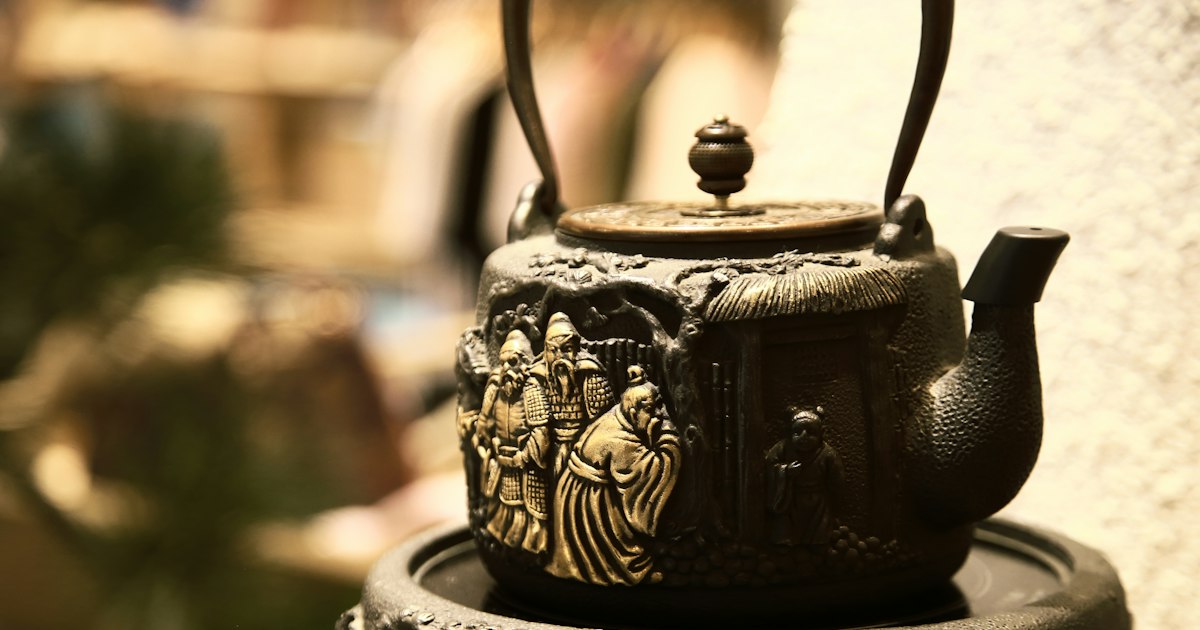
    If you’ve ever seen a heavy, dimpled black kettle in a Kyoto tea shop or a Tokyo department store’s kitchenware floor, chances are it was Nambu Tekki (南部鉄器) — the cast iron ware that has come out of Iwate Prefecture for around 400 years. These kettles are functional heirlooms: they distribute heat evenly, soften tap water by releasing trace iron, and, with basic care, last for generations. This guide covers what actually makes Nambu Tekki different from generic cast iron, what to expect to pay, and where to buy it — both in its Iwate homeland and back in Tokyo if your itinerary doesn’t stretch that far north.

    What Makes Nambu Tekki Special

    Nambu Tekki traces back to the 17th century, when the Nanbu clan that ruled the Morioka domain invited tea-ceremony kettle casters from Kyoto to produce chagama (tea kettles) for the local elite. A second, separate tradition of everyday cast-iron cookware developed around the same era in Mizusawa, in what’s now Oshu City, further south in Iwate. The two lineages eventually merged under the single “Nambu Tekki” name, and in 1975 the craft was designated a traditional craft (dentō kōgei) by Japan’s Ministry of Economy, Trade and Industry.

    What sets it apart from mass-produced cast iron is the casting process: molds are hand-carved with fine dot or arare (hail-drop) patterns, molten iron is poured at controlled temperatures, and pieces are often finished with a lacquer-like oxidized coating (called “shibu-nuri” or similar treatments) rather than paint, which is part of why the surface ages gracefully instead of just rusting. Look for two major workshop names as you shop: Iwachu (岩鋳), founded in 1902 in Morioka and now the most internationally recognizable name, and OIGEN (及源鋳造), founded in 1852 in Oshu, known for a slightly more rustic, artisanal look. Suzuki Morihisa Workshop, with roots going back over 400 years, is the oldest still-operating studio and focuses on traditional tea-ceremony pieces.

    Tetsubin vs. Cast-Iron Cookware: Know the Difference Before You Buy

    This trips up a lot of first-time buyers. A tetsubin (鉄瓶) is a kettle for boiling water — most modern ones sold to tourists have an enamel coating on the inside, which means you never need to season them and they won’t rust from water contact. A traditional chagama or unlined tetsubin has bare cast iron inside; it needs to be dried immediately after each use and occasionally “seasoned” with a light film of oxidation, or it will rust. Meanwhile, Nambu Tekki also makes cast-iron skillets, grill pans, and rice pots (kamado-style), which behave like any raw cast-iron cookware — season with oil, never soak, dry thoroughly.

    If you just want a nice-looking, low-maintenance souvenir for boiling water, buy an enamel-lined tetsubin and say so explicitly to the shop staff, who are used to the question. If you’re a tea enthusiast wanting the “real” unlined experience, expect more upkeep and ask about seasoning instructions in English — most shops that cater to foreign buyers keep a printed sheet.

    Where to Buy in Iwate: Morioka and Oshu

    Buying at the source gets you the widest selection and the chance to watch casting in progress. In Morioka, Morioka Handi-Works Square (もりおか手づくり村), a short bus ride from Morioka Station, houses dozens of craft workshops under one roof, including a Nambu Tekki foundry with a viewing area and a shop selling pieces directly from the studios — it’s typically open daily from around 9:00 to 17:00. Iwachu also runs its own showroom and factory shop on the outskirts of Morioka city, worth calling ahead about hours since it can vary with production schedules.

    In Oshu (formerly Mizusawa), reachable via the Tohoku Shinkansen to Mizusawa-Esashi Station (about 2 hours 40 minutes from Tokyo), OIGEN operates a factory shop near its foundry where you’ll find their full catalog plus factory-second pieces at a discount. This area is quieter and far less touristed than Morioka, so it’s worth combining with a stop at Morioka rather than a dedicated day trip. Both cities are compact enough to cover on foot or by short taxi from the station.

    Where to Buy Nambu Tekki in Tokyo

    If Iwate isn’t on your route, you don’t have to skip Nambu Tekki entirely. Kappabashi, Tokyo’s kitchenware wholesale district near Asakusa, has several shops stocking tetsubin and cast-iron cookware from Iwate makers, often at prices comparable to Iwate itself. The Japan Traditional Crafts Aoyama Square, near Aoyama-Itchome Station, curates traditional crafts from across the country, including Nambu Tekki, and is a good one-stop option if you’re also craft-shopping for other regional goods — it pairs well with a stop by Shigaraki Ware or other pottery pieces if you’re building out a Japanese kitchen and tableware collection. Major department stores like Isetan Shinjuku and Takashimaya Nihonbashi also carry curated Iwachu lines in their kitchenware sections, particularly the colorful enamel-exterior tetsubin designed for the export market.

    What to Expect to Pay: Budget, Mid-Range, and Splurge

    Prices scale with size, pattern complexity, and whether a named artisan signed the piece. As a rough guide:

    • Budget (¥3,000–¥8,000): Small trivets, chopstick rests, mini teapots, and furin wind chimes — good lightweight souvenirs.
    • Mid-range (¥8,000–¥25,000): Standard 0.5–1.4 liter enamel-lined tetsubin from Iwachu or OIGEN, including the popular colorful export-market designs. Most everyday cast-iron skillets and small pots also fall in this band.
    • Splurge (¥30,000–¥100,000+): Larger unlined tea-ceremony chagama, intricately patterned tetsubin, or pieces signed by a recognized craftsperson at a workshop like Suzuki Morihisa. Museum-quality historical pieces can run well beyond this.

    A common mistake is buying an unlined kettle without realizing it needs regular care, then being surprised when it develops rust spots within weeks — always ask “enamel-lined or not?” (hōrō-biki, in shop terms) before purchasing.

    Timing, Getting There, and Getting It Home

    Iwate is pleasant most of the year, but late April to early May (cherry blossoms) and mid-October to early November (autumn foliage, easily combined with a side trip to nearby gorges) are the most scenic times to visit Morioka. Morioka’s Sansa Odori festival in early August is also a lively time to be in town, though accommodation books up. Morioka is reached via the Tohoku Shinkansen in about 2 hours 10 minutes from Tokyo, making it a very doable day trip or overnight add-on to a Tohoku itinerary.

    One practical note before you buy: cast iron is heavy — even a modest 1-liter tetsubin can weigh 1.5–2 kg — and most shops will wrap it securely but won’t ship internationally as standard. If you’re bringing one home in checked luggage, wrap it in clothing to prevent rattling, and if you’re traveling onward by bullet train with a suitcase that’s grown a size larger, check the current Shinkansen oversized luggage rules before you book your seat. And if cast iron has you thinking about upgrading your kitchen game more broadly, it’s worth a look at Japan’s other iconic kitchen exports — from traditional whetstones for sharpening knives to the rice cookers that pair naturally with a Nambu Tekki kettle on the same countertop.

  • Jins & Zoff: Japan’s Budget Eyewear Brands and Where to Buy

    Jins & Zoff: Japan’s Budget Eyewear Brands and Where to Buy

    Photo by Na sen on Unsplash

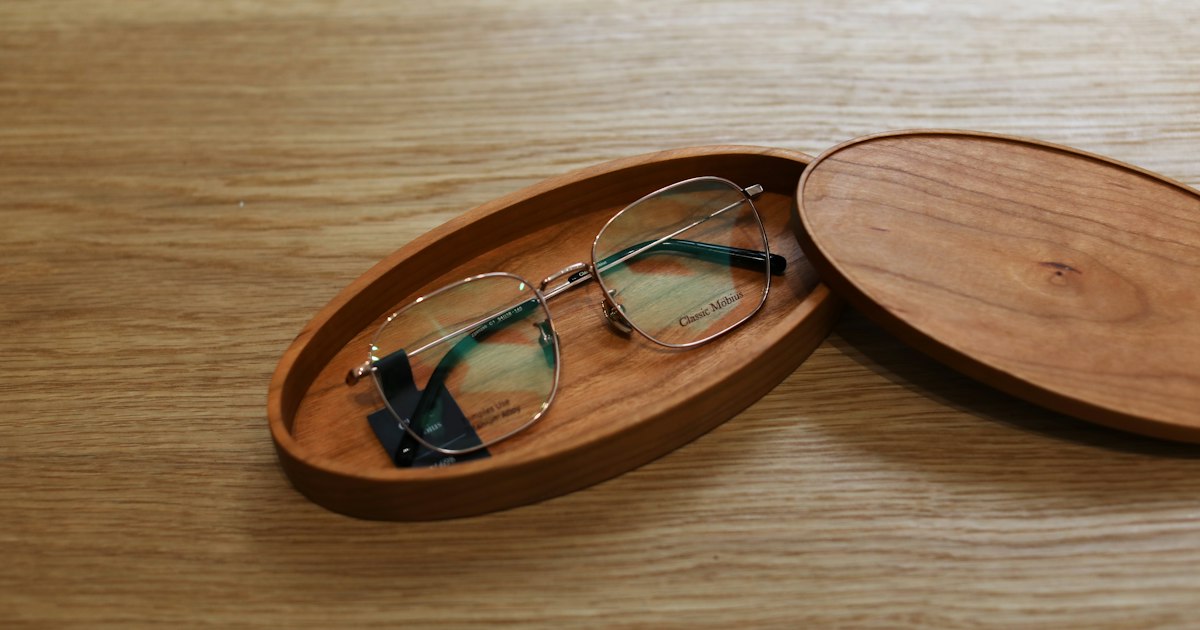
    If you’ve ever paid $300 for a pair of prescription glasses back home, Japan’s budget eyewear chains will feel like a glitch in the system. Jins and Zoff are the two biggest names in Japanese “fast fashion” eyewear — full prescription glasses, frame and lenses included, often ready the same day for less than the cost of a hotel dinner. They’re a favorite stop for travelers who broke their glasses mid-trip, forgot their spare pair, or just want a cheap, well-made pair of Japanese frames as a souvenir. Here’s how the two brands differ, what things cost, and how to buy a pair without wasting a day of your trip.

    Jins vs. Zoff: what’s the difference?

    Both brands were founded in Japan in the early 2000s and built their business on the same idea: cut out the middleman between manufacturing and retail, so a full pair of glasses — frame, lenses, fitting — costs a fraction of what an optician charges. In practice, they feel very similar in-store, but there are a few differences worth knowing:

    • Jins leans slightly more tech-forward. It popularized “Jins Screen” blue-light-cutting lenses and has an in-app vision test in some stores. Frame styling tends toward clean, minimal, unisex shapes, and Jins has a larger presence outside Japan (including the US and China), so you may already know the brand.
    • Zoff (run by a company called Intermestic) tends to skew a bit more fashion-forward, with frequent designer collaborations (Ne-Net, Kenzo, and various anime/character tie-ins have appeared over the years) and a slightly younger, trend-driven catalog under lines like “Zoff Smart.”
    • Pricing and turnaround time are nearly identical between the two, so in practice most people just buy from whichever store is closer.

    How much do glasses actually cost?

    This is the main draw. Entry-level frames with single-vision prescription lenses typically run from about ¥5,000 to ¥9,000 (roughly $35–$60) at both chains, tax included, lenses included — no extra “lens upgrade” fee for standard thin lenses the way you’d often see at Western opticians. Mid-range and designer-collaboration frames run ¥10,000–¥18,000. Add-ons like blue-light coating, photochromic (sunglasses-that-darken) lenses, or high-index thin lenses for strong prescriptions add roughly ¥3,000–¥8,000 on top. Sunglasses with prescription lenses and premium acetate frames — the “splurge” end for both brands — can reach ¥20,000–¥25,000, which is still well below what you’d pay for a comparable pair from a Western designer brand. Non-prescription reading glasses and sunglasses start even lower, often under ¥5,000.

    Getting a prescription made on the spot

    You don’t need to bring a prescription from home. Both chains have a free in-store eye exam using an autorefractor (the machine you look into while it clicks through focus) plus a quick manual check with a staff member. The whole exam takes about 10–15 minutes and requires no appointment at most locations — just take a numbered ticket at the counter. If you already wear glasses or contacts, bringing your current prescription or old glasses speeds things up but isn’t required.

    Turnaround is the other big selling point: standard single-vision lenses are usually ground and fitted in-store within 30–60 minutes, and many people finish the whole process — exam, frame selection, and pickup — in under an hour. Stronger or more complex prescriptions (high astigmatism, bifocals, very high index lenses) may need to be sent to a lab, which can take a few days to a week; ask at the counter before you commit if you’re on a tight itinerary.

    Where to buy: best store types for travelers

    Jins and Zoff stores are everywhere in Japan — easily 400+ locations each — which makes them genuinely convenient rather than a special pilgrimage. A few store types are especially useful for visitors:

    • Train station branches: Both chains have shops inside or right next to major JR and subway stations (Shinjuku, Tokyo, Shibuya, Ikebukuro, Umeda, Nagoya Station), which is ideal if you need a quick fix between train connections. Staff are used to fast, no-frills transactions here.
    • Department store and mall locations: Roomier stores with a bigger frame selection and slightly more patient staff — good if you want to actually browse. You’ll find these in most major malls and department store fashion floors.
    • Shopping arcades and discount streets: If you’re already exploring Japan’s bargain shopping districts, it’s worth checking whether a Jins or Zoff branch is nearby — areas like Ameyoko Market in Ueno, Osu Shopping Arcade in Nagoya, or Sugamo in Tokyo often have a branch on or near the main street, so you can knock out eyewear shopping alongside other errands.

    Most stores keep standard Japanese retail hours, roughly 10:00 or 11:00 AM to 8:00 or 9:00 PM, seven days a week, with no lunch closure — but hours vary by location (mall stores follow the mall’s hours), so check the specific branch on the Jins or Zoff website before heading out, especially on public holidays.

    Tax-free shopping and practical tips

    Both chains participate in Japan’s tax-free program for foreign tourists: spend over ¥5,500 (before tax) in a single transaction at a store with a “Tax-Free” sign, show your passport at checkout, and the 10% consumption tax is deducted on the spot — no separate refund counter needed, unlike the old system. Since most complete pairs of glasses clear that threshold easily, bring your passport.

    A few common mistakes to avoid:

    • Assuming every branch does same-day lenses. Smaller shops in train stations sometimes have limited on-site grinding equipment for complex prescriptions. If timing matters, ask before you pay, or call ahead if your Japanese/English allows.
    • Skipping the fitting adjustment. Staff will heat and bend the frame to fit your face for free — it only takes a minute and makes a real difference in comfort, especially with plastic frames.
    • Not checking your prescription’s expiry. If you’re bringing a prescription from home, some staff will ask when it was issued; very old prescriptions (2+ years) may prompt them to recommend the free in-store exam instead.
    • Buying non-prescription “fashion” frames by mistake. Display models are sometimes just frames — confirm with staff that lenses are being fitted, particularly if you’re communicating across a language gap.

    Best time to go

    Weekday mornings right after opening are the quietest time at both chains, especially in city-center branches that get crowded with local shoppers after work and on weekends. If you’re traveling in peak tourist seasons (spring cherry blossom weeks or the New Year and Golden Week holidays), expect longer waits, both for the fitting queue and for staff availability to help in English — some larger flagship stores in Tokyo and Osaka have English-speaking staff or translation tools, but it’s not guaranteed everywhere.

    For most travelers, Jins and Zoff aren’t a dedicated shopping destination so much as a genuinely handy safety net — and a nice souvenir if you spot a frame you like. Between the low prices, no-appointment eye exams, and same-day pickup, replacing a broken pair of glasses in Japan can end up being easier than it would be at home.

  • Osu Shopping Arcade: Nagoya’s Retro, Otaku & Bargain Street

    Osu Shopping Arcade: Nagoya’s Retro, Otaku & Bargain Street

    Photo by Lucrezia Carnelos on Unsplash

    Ask a Tokyoite about Nagoya and shopping rarely comes up first — but locals know better. Tucked a few subway stops from Nagoya Station, Osu Shopping Arcade (大須商店街) is a sprawling, covered maze of over 1,200 shops where retro video games, secondhand kimono, Taiwanese street food, and Akihabara-style otaku goods all sit within a few blocks of a 14th-century Buddhist temple. It’s less polished than Tokyo’s big-name districts and that’s exactly the appeal: real bargains, no crowds fighting you for sidewalk space, and a strong local Nagoya flavor.

    What Makes Osu Different from Akihabara or Ameyoko

    Osu often gets called “Nagoya’s Akihabara,” but it’s really a hybrid. The northern end, near Osu Kannon Temple, leans otaku — manga, anime figures, retro consoles, trading cards, and cosplay supply shops. The southern and central arcades feel more like Tokyo’s Ameyoko Market: dense rows of secondhand clothing, discount electronics, imported snacks, and street food stalls selling everything from Taiwanese fried chicken to Korean tteokbokki. What ties it together is the roof — Osu’s arcades are almost entirely covered, so it’s a genuinely good rainy-day or midsummer destination when other outdoor shopping streets become miserable.

    The whole district radiates out from Osu Kannon Temple (founded 1333, moved to its current site in 1612), which still hosts a used book and antiques flea market on the 18th and 28th of every month in the temple grounds — worth timing your visit around if you like hunting for old woodblock prints, ceramics, and curios.

    Getting to Osu Shopping Arcade

    From Nagoya Station, take the Higashiyama Subway Line to Fushimi Station, transfer to the Tsurumai Line, and get off at Osu Kannon Station — about 10-12 minutes total, with subway fare starting around ¥210-240 depending on distance. Alternatively, the Meijo Line stops at Kamimaesu or Yaba-cho, both a short walk into the arcades from the east side. If you’re coming straight off the Shinkansen with bags, note that Nagoya Station has plenty of coin lockers before you head out — our guide to coin lockers in Japan covers sizes and prices if you’d rather shop hands-free. And if you’re continuing on to Osu straight from a long-distance train ride, it’s worth reviewing Shinkansen oversized luggage rules before you buy anything bulky here that you’ll need to haul back.

    Most shops open around 10:00 or 11:00 and close by 19:00-20:00, though hours vary widely by store — secondhand and hobby shops tend to keep later hours than food stalls. Many independent shops close one weekday, often Wednesday, so if you have a specific store in mind, check before making a special trip.

    What to Buy: Otaku Goods, Retro Games & Secondhand Treasures

    Osu’s hobby shops cluster mainly along Niomon-dori and the streets just north of the temple. Retro game stores stock everything from Famicom cartridges (roughly ¥500-3,000 depending on rarity) to working CRT-era consoles, and several shops specialize in used trading cards — if you’re into Pokémon, One Piece, or Yu-Gi-Oh, it’s worth budgeting extra time here; see our guide to trading card games beyond Pokémon for what to look for and roughly what things should cost.

    For secondhand goods, Osu is home to Komehyo, a Nagoya-founded resale chain whose flagship multi-floor store here sells everything from used luxury handbags and watches to vintage kimono and jewelry — genuinely one of the best places in Japan to browse authenticated secondhand brand goods at a discount versus buying new. Smaller vintage clothing racks scattered through the arcades sell items for as little as ¥300-1,000, and cosplay and costume shops cater to the district’s strong ties to Nagoya’s cosplay scene (the World Cosplay Summit, held in Nagoya each summer, uses Osu as an informal gathering spot for costumed fans during the event).

    Best Time to Visit and Osu’s Festivals

    Weekday mornings are the quietest time to browse without crowds. Weekends bring out street performers, food stall lines, and noticeably more foot traffic — lively, but slower going if you’re trying to dig through bargain bins. Because the arcades are covered, Osu is a smart pick during Japan’s rainy season (tsuyu, roughly June into mid-July) or on brutally hot August afternoons when you want shade.

    The biggest event is the Osu Daido Chonin Matsuri, typically held over a weekend in mid-October, when the streets fill with samba dancers, taiko drummers, and food vendors — fun to experience, but expect the arcades to be packed shoulder-to-shoulder if you’re there primarily to shop. If quiet browsing is your priority, avoid that weekend; if you want atmosphere and don’t mind crowds, plan around it.

    Budget, Mid-Range & Splurge Shopping

    • Budget: Secondhand clothing racks (¥300-1,000 per item), street food (Taiwanese fried chicken, taiyaki, and skewers generally ¥300-600), and bargain-bin retro games and manga volumes.
    • Mid-range: Graded trading cards, curated anime figures and merchandise, mid-tier used cameras and electronics, and entry-level secondhand designer accessories at Komehyo (think ¥5,000-30,000).
    • Splurge: Komehyo’s higher-end floors carry authenticated luxury watches, fine jewelry, and rare vintage kimono that can run into six figures in yen — a legitimate alternative to Tokyo’s resale boutiques, often with less competition for the best pieces.

    Common Mistakes to Avoid

    The most common misstep is treating Osu like a compact, single-street district you can “do” in 30 minutes — it’s actually a sprawling grid of interconnected covered arcades, and it’s easy to miss entire otaku-focused side streets if you don’t wander deliberately north toward the temple. Second, bring cash: while larger stores like Komehyo take cards, a lot of the best bargain-bin and street food vendors are cash-only, and there are fewer international ATMs scattered through the arcade than in central Tokyo. Third, don’t assume every shop is open every day — irregular weekday closures (especially Wednesdays) catch visitors who show up expecting an Akihabara-style district that never closes. Finally, if antiques and vintage goods are your main interest, check the calendar before you go; showing up on a random Tuesday means missing the 18th/28th temple flea market entirely, which is genuinely one of the better vintage-hunting opportunities in the Nagoya area, comparable in spirit to markets like Kyoto’s Toji Temple Market.

    Osu rewards visitors who give it a full afternoon rather than a rushed stopover between Shinkansen connections. Pair it with a visit to Osu Kannon Temple itself, grab street food for lunch, and budget time to dig — the best finds here aren’t on display shelves, they’re in the ¥300 bins.

  • Shigaraki Ware: Japan’s Tanuki Pottery Town and Where to Buy

    Shigaraki Ware: Japan’s Tanuki Pottery Town and Where to Buy

    Photo by Yunfan Li on Unsplash

    In the hills of Shiga Prefecture, about 90 minutes from Kyoto, sits a small town where thousands of pot-bellied raccoon dogs stand guard outside shops, train stations, and restaurants. Shigaraki (信楽) is one of Japan’s “Six Ancient Kilns,” a pottery tradition stretching back over 1,200 years, and today it’s best known internationally for the grinning tanuki statues that have become an unofficial mascot of Japanese folk luck. If you want ceramics with real history behind them — not just a souvenir shelf at the airport — Shigaraki is worth the day trip.

    What Is Shigaraki Ware?

    Shigaraki-yaki is unglazed or lightly glazed stoneware fired at high heat, prized for its rough, earthy texture and the natural ash-glaze effects (called bidoro, glassy green-blue streaks) that form when wood-ash melts onto the clay during firing. The local clay is coarse and full of tiny feldspar particles that burn out in the kiln, leaving a pitted, warm surface unlike the smoother porcelain you’ll find in places like Arita or Kutani. Historically the town produced everyday items — tea bowls, water jars, roof tiles — but from the 1950s onward it became famous almost exclusively for one product: tanuki statues.

    Why Tanuki? Japan’s Luckiest Raccoon Dog

    The tanuki boom traces back to 1951, when Emperor Showa visited Shigaraki and was greeted by rows of ceramic tanuki waving little Japanese flags. Photos of the visit ran nationwide, and the tanuki became inseparable from the town’s identity. Traditional Shigaraki tanuki carry eight symbolic items representing good fortune: a big hat (protection from bad weather), wide eyes (alertness), a sake bottle (virtue), a large belly (calm decisiveness), a promissory note or ledger (trustworthiness in business), a bushy tail (steadiness), and an ever-present smile (amiability). Shopkeepers across Japan display them by their entrance for exactly this reason — a tanuki is meant to bring in customers and good luck.

    Getting to Shigaraki

    From Kyoto Station, take the JR Biwako Line toward Maibara/Kusatsu and change if needed to reach Kibukawa Station (貴生川駅), roughly 60–70 minutes including the transfer. From Kibukawa, switch to the Shigaraki Kogen Railway (信楽高原鐵道), a single-track local line that winds through forest for about 25 minutes to Shigaraki Station — the fare is around ¥490 one way. Total travel time from Kyoto is about 90 minutes to two hours depending on connections; from Osaka, add another 30–40 minutes. There’s no need for a car, though driving from Kyoto takes about 75 minutes via the Shin-Meishin Expressway if you want more flexibility to visit multiple kiln sites. The moment you step outside Shigaraki Station, you’ll see dozens of tanuki statues lined up on the platform and forecourt — it’s the single most photographed spot in town and free to visit any time.

    If you’re coming straight from Kyoto sightseeing and have bags with you, it’s worth stashing them before the trip out — see this guide to coin lockers in Japan for sizes and prices at major stations.

    Where to Buy: Shops, Kilns, and the Ceramic Park

    The main shopping stretch runs along Nagano-dori (長野通り), a 15–20 minute walk uphill from Shigaraki Station, lined with dozens of independent kilns and retail shops selling everything from ¥300 chopstick rests to museum-grade tea ware. Most shops open around 9:00 or 9:30am and close by 17:00 or 17:30, and a fair number close on Wednesdays or Thursdays, so it’s worth checking ahead if you have a specific shop in mind. Two useful stops:

    • Shigaraki Ceramic Cultural Park (信楽陶芸の森) — a hillside complex with a ceramics museum, gallery space, and outdoor sculpture park, a short taxi or bus ride from the station. Museum admission is modest, typically in the ¥500–800 range depending on the exhibition, and the park grounds themselves are free to walk.
    • Shigaraki Traditional Industry Hall (信楽伝統産業会館) — a good first stop for an overview of techniques and historical pieces before you start shopping, with a small attached sales corner.

    Many working potters also sell directly from their own kiln showrooms, which is where you’ll find one-of-a-kind pieces rather than mass-produced tanuki. If you like hunting through craft towns for something with a maker’s story attached, this is similar territory to browsing the stalls at the Toji Temple flea market in Kyoto, just with everything made on-site rather than secondhand.

    Best Time to Visit

    Shigaraki holds its biggest event, the Shigaraki Ceramic Festival (信楽陶器まつり), twice a year — during Golden Week in early May and again in mid-October — when the main street fills with stalls selling seconds and studio overstock at discounted prices, often 20–40% below regular shop prices. Outside festival weekends, autumn (October–November) is the most pleasant season for walking the hilly shopping street, with cooler temperatures and good light for photos among the outdoor tanuki. Summer is workable but humid; winter is quiet and cold but shops stay open, and you’ll often have the street largely to yourself.

    Budget, Mid-Range, and Splurge Buys

    Shigaraki’s price range is enormous, which is part of the fun:

    • Budget (¥500–3,000): Palm-size tanuki figurines, chopstick rests, small sake cups, and unglazed incense holders. These pack easily and make good gifts.
    • Mid-range (¥5,000–30,000): Hand-thrown tea bowls (chawan), flower vases, and 20–40cm tanuki statues from named kilns. This is where you start seeing genuine bidoro ash-glaze effects rather than uniform factory glaze.
    • Splurge (¥50,000 and up): Large garden tanuki (life-size statues can run ¥150,000–300,000+ and weigh well over 20kg), and signed pieces from established studio potters, some of which are collector items sold with certificates.

    If you’re already thinking about how ceramics fit into the rest of your Japan souvenir shopping, it’s worth browsing other regional crafts for comparison — Shigaraki’s tanuki occupy a similar “lucky charm” niche to Daruma dolls or the folk-art appeal of Tohoku’s kokeshi dolls, so it’s easy to build a themed collection across regions.

    Common Mistakes to Avoid

    Shigaraki is a small town, and a few planning slips can waste half your day:

    • Underestimating the train connection. The Shigaraki Kogen Railway runs infrequently — often just one or two trains per hour — so check the timetable before you leave Kibukawa, not after you’ve missed one.
    • Not budgeting for shipping. Large or heavy tanuki won’t fit in a suitcase. Most established shops can arrange domestic or international shipping (kokusai takuhaibin), but ask before you buy — fees for a large statue can run several thousand yen or more.
    • Assuming every shop takes cards. Many small studio shops in Shigaraki are cash-only or have a minimum for card payments, so carry enough yen.
    • Treating it as a quick photo stop. The tanuki outside the station are free and fun, but the real value of Shigaraki is up on Nagano-dori and at the Ceramic Cultural Park — allow at least three to four hours to see both properly.

    Shigaraki rewards a slow visit: wander the kiln-lined streets, watch for the glassy green streaks that mark a well-fired piece, and pick something that will actually mean something back home — not just another tanuki keychain, though there’s nothing wrong with one of those too.

  • Toji Temple Market: Kyoto’s Best Flea Market for Vintage Kimono & Antiques

    Toji Temple Market: Kyoto’s Best Flea Market for Vintage Kimono & Antiques

    Photo by Rebecca Clarke on Unsplash

    Once a month, the grounds of Toji Temple in southern Kyoto fill with hundreds of vendors selling folded stacks of silk kimono, cast-iron kettles, ceramics, obi sashes, and boxes of unsorted trinkets under the shadow of Japan’s tallest wooden pagoda. Known locally as Kobo-san (弘法さん), it’s one of the largest and most reliable flea markets in the country — and for visitors hunting genuine vintage textiles and antiques rather than souvenir-shop reproductions, it’s hard to beat. Here’s what to know before you go.

    What Is Kobo-san, and Why Does It Happen at Toji?

    The market takes place on the 21st of every month, rain or shine, in honor of Kobo Daishi (the monk Kukai, founder of Shingon Buddhism), who died on that date in 835. Toji Temple, a UNESCO World Heritage site and the headquarters of Shingon Buddhism in Kyoto, has hosted the memorial market for centuries, and it has grown into a full-blown flea market with an estimated 1,000 to 1,200 stalls on a good month. Locals call it “Kobo-san” out of affection for the monk, and you’ll hear vendors and regulars use that name more than “Toji Market.”

    Two dates matter more than the rest: January 21st is Hatsu Kobo (the first market of the year, popular for New Year lucky charms and decorations) and December 21st is Shimai Kobo (the last market of the year), which draws the biggest crowds and the most stalls, often over 1,000, as vendors clear out stock before winter. If you can time a Kyoto trip around either of these, expect bigger selection but also bigger crowds and less room to browse comfortably.

    Getting There and Opening Hours

    Toji Temple sits about a 15-minute walk southwest of Kyoto Station’s Hachijo (south) exit — an easy walk if you don’t mind carrying purchases back. Alternatively, take the Kintetsu Kyoto Line one stop from Kyoto Station to Toji Station, then walk roughly 10 minutes to the temple gates. City buses also stop nearby, but on market day the streets around Toji get congested, so walking or the train is usually faster.

    Stalls generally open around sunrise (roughly 6:00–7:00am) and start packing up by mid-to-late afternoon, with most gone by 4:00–4:30pm. There’s no single official opening hour — vendors set their own pace — so don’t expect much before 7am even if a stall or two is already open. If you’re not an early riser, arriving by 9 or 10am still gives you a full market to explore, though the rarest antique pieces tend to sell within the first hour or two.

    What to Buy: Vintage Kimono, Obi, and Antiques

    This is the main draw for many visitors, and prices vary enormously depending on the stall and your bargaining. Rough benchmarks to calibrate expectations:

    • Casual cotton or synthetic kimono (yukata-weight): ¥500–1,500
    • Everyday silk kimono, gently worn: ¥2,000–8,000
    • Obi sashes: ¥500–3,000 for simple ones; ornate or vintage silk obi can run ¥5,000–15,000
    • Haori jackets: ¥1,000–4,000, a great lightweight souvenir that doubles as a kimono-style coat back home
    • Ceramics and lacquerware: ¥300 for a single bowl up to several thousand yen for signed or antique pieces
    • Small antiques (tea utensils, old coins, prints, wooden boxes): anywhere from ¥100 to well over ¥10,000

    You’ll also see vendors selling old noren doorway curtains and hand-painted folding fans mixed in among the textiles — worth a look if those are on your shopping list, since market prices usually beat department store prices for comparable secondhand quality. Condition varies stall to stall, so check for stains, tears, and odor before buying, especially with silk.

    Budget, Mid-Range, and Splurge Approaches

    If you’re on a tight budget, plan for ¥2,000–3,000 total and stick to the cotton kimono, small ceramics, and bric-a-brac tables — there’s genuinely interesting stuff at every price point. Mid-range shoppers (¥5,000–15,000) can walk away with a nice silk kimono-and-obi combination or a small piece of antique furniture or lacquerware. For a splurge, some vendors specialize in higher-end antique kimono, obi, and古美術 (kobijutsu, fine antiques) — a well-preserved formal silk kimono with hand-painted detail or a signed ceramic piece can run ¥20,000–50,000 or more. These specialist stalls tend to cluster closer to the pagoda and main hall, while the cheaper household-goods stalls spread out toward the temple’s outer edges.

    Bargaining Etiquette and Common Mistakes

    Light haggling is expected and welcomed, especially for multiple items or if you’re paying cash on the spot — a polite “sukoshi yasuku narimasu ka?” (“could you make it a little cheaper?”) often works, particularly in the afternoon when vendors would rather discount than repack unsold stock. Don’t expect big discounts on already-cheap items (under ¥1,000); save the negotiating for larger purchases.

    The most common mistakes visitors make: bringing only large bills (most stalls are cash-only and can’t break a ¥10,000 note early in the day — bring plenty of ¥1,000 notes and coins); assuming all kimono are wearable as-is (many are meant for display or fabric reuse, so ask if you plan to actually wear it); and underestimating how heavy and bulky purchases get. If you’re continuing to sightsee afterward, it’s worth stashing bags in a locker — see this guide to coin lockers in Japan for sizes and pricing at Kyoto Station, a short walk away.

    Nearby Markets Worth Combining

    If your trip dates don’t line up with the 21st, Kyoto has two solid alternatives. Kitano Tenmangu Shrine hosts Tenjin-san, a similarly sized antique and flea market on the 25th of each month. Toji itself also runs a smaller, more antique-focused market called Garakuta-ichi on the first Sunday of the month, with around 200–250 stalls and a slightly calmer browsing pace — good if crowds aren’t your thing.

    Pair a Kobo-san morning with an afternoon further west: Arashiyama’s bamboo grove and monkey park is about 30–40 minutes away by train and makes for a full, well-rounded Kyoto day that mixes shopping with nature.

    Practical Tips Before You Go

    Wear comfortable shoes and clothes you don’t mind getting a little dusty — this is an outdoor market on temple gravel, not a polished retail space. Bring a tote bag or two, since few vendors provide sturdy carrying bags. Entry to the market stalls themselves is free; if you also want to tour Toji’s Kondo Hall or climb up to view the five-story pagoda up close, there’s a separate small admission fee at the temple’s paid inner precinct. Finally, check the date before you plan around it — if the 21st falls on a day when the temple has a special closure, the market can shift; a quick search for “Toji Kobo-san [month] [year]” a week or two ahead will confirm the exact schedule.

  • Wagasa: Japan’s Traditional Oil-Paper Umbrellas and Where to Buy

    Wagasa: Japan’s Traditional Oil-Paper Umbrellas and Where to Buy

    Photo by Yeh Xintong on Unsplash

    Walk through Kyoto’s Higashiyama district or a Gifu craft workshop and you’ll eventually spot one: a round, ribbed umbrella made of bamboo and paper, glowing amber when backlit by the sun. This is wagasa (和傘), Japan’s traditional oil-paper umbrella, and it’s one of the country’s most beautiful — and least understood — souvenirs. A good wagasa is a working piece of engineering as much as it is decor, and knowing what you’re buying makes the difference between a treasured object and a paper umbrella that falls apart in a Tokyo drizzle. Here’s what to know before you shop.

    What Actually Makes a Wagasa

    A wagasa’s frame is made from dozens of thin bamboo ribs (often 30-70, compared to 8 on a typical Western umbrella), lashed together with cotton or silk thread at the hub in patterns that are half structural, half decorative. The canopy is washi, Japanese mulberry paper, coated with kaki-shibu (fermented persimmon tannin) or perilla (egoma) oil to make it water-resistant and give it that glossy, faintly amber sheen. The handle and shaft are usually unlacquered bamboo or cedar.

    This construction is why wagasa are heavier and slower to open than a folding umbrella — and why the good ones are genuinely rain-worthy, not just photogenic. It’s also why they need different care: a wagasa should be opened fully and left to air-dry after rain, never furled up wet, or the paper will mildew and the thread will loosen.

    The Main Types You’ll See

    • Janome-gasa (蛇の目傘) — the “snake’s eye” umbrella, named for the concentric ring pattern on the canopy. Lighter and more refined-looking; the classic choice for rain use with kimono.
    • Bangasa (番傘) — sturdier, plainer, originally a workhorse umbrella for merchants and rickshaw drivers. Thicker ribs, often navy or indigo paper, built for actual daily rain.
    • Higasa (日傘) — a sun parasol rather than a rain umbrella, often more decorative, with painted florals or gold leaf. Not waterproofed the same way, so don’t take one out in a downpour.

    If you want something you can genuinely use back home in wet weather, ask specifically for a rain-use (雨傘, amagasa) janome or bangasa — shops will tell you plainly if a piece is decorative-only.

    Where to Buy in Kyoto

    Kyoto is the easiest city to shop for wagasa as a visitor, with several long-established makers clustered in the historic streets near Kiyomizu-dera and Gion. Kasagen, on the slope near Yasaka Shrine, is one of the best-known names — a small storefront stacked with janome and bangasa in the ¥8,000–¥30,000 range, plus smaller decorative pieces from around ¥3,000. Tsujikura, with a shop in Kyoto and another in Kanazawa, is another old maker worth comparing prices at, since styles and finishes vary noticeably between the two shops. Most of these shops keep daily hours roughly 10:00–18:00, though it’s worth checking ahead since small family-run stores sometimes close for a day mid-week or during obon and New Year.

    Because this area sits right along the walk up to Kiyomizu-dera, it pairs naturally with a half-day of craft shopping — if you’re also curious about other traditional textiles, the noren doorway curtains and tenugui hand towels sold in the same neighborhoods make lighter, cheaper, and far more packable souvenirs than an umbrella if luggage space is tight.

    Gifu: The Wagasa Capital

    If you want to see wagasa actually being made, head to Gifu City, which for decades has produced the large majority of Japan’s wagasa and is still home to several working ateliers, some of which allow visitors to watch craftsmen assemble the bamboo ribs and stretch paper over the frame. Gifu wagasa tend to be sold both at workshop storefronts and at local craft cooperatives, generally in a similar price band to Kyoto (roughly ¥7,000 for a simple janome up to ¥50,000+ for a large, elaborately patterned piece). Gifu is about 20 minutes by train from Nagoya, making it a workable day trip if you’re routing between Kyoto and Tokyo, or if you’re already exploring other regional crafts — the pottery towns covered in our guide to Mashiko and Bizen follow a similar model of small-city craft tourism worth building a day around.

    Shopping in Tokyo

    Tokyo has fewer specialist wagasa shops than Kyoto, but options exist. Wagasa Tsujikura operates a Tokyo location, and department stores like Takashimaya and Isetan occasionally carry a curated wagasa selection in their crafts or kimono-accessory floors, especially around early summer when rainy-season goods are stocked. Expect Tokyo department store prices to run slightly higher than buying direct from a Kyoto or Gifu maker, since you’re paying for the retail markup, but it’s a reasonable option if your itinerary doesn’t include Kansai.

    Budget, Mid-Range, and Splurge

    • Budget (¥2,000–¥5,000): Small decorative wagasa or higasa parasols, often mass-produced rather than hand-assembled. Fine as a display piece or interior photo prop, not meant for daily rain use.
    • Mid-range (¥8,000–¥25,000): A genuine hand-assembled janome-gasa or bangasa from a Kyoto or Gifu maker, oiled and usable in real rain. This is the sweet spot for most visitors who want an authentic, functional piece.
    • Splurge (¥30,000–¥100,000+): Large, intricately patterned janome-gasa with fine thread work at the hub, sometimes made to order. These are collector pieces and traditionally part of formal kimono or tea-ceremony dress.

    Common Mistakes to Avoid

    The biggest mistake is treating a wagasa like a folding travel umbrella: cramming it into a suitcase will crack the bamboo ribs, and rolling it up wet will mildew the paper within days. Buy one near the end of your trip if possible, carry it upright in a bag or its original wrapping, and let it dry fully open indoors after any rain exposure before storing it. Second, don’t assume every pretty wagasa is rainproof — many higasa sun parasols are not oiled for water resistance, so confirm with the shop if you intend to use it as a working umbrella rather than a display piece. Finally, rainy season (tsuyu, mid-June to mid-July) is genuinely the best time to buy, since it’s when shops restock and when you’ll actually get to test yours in Japanese rain before flying home.