Japan Trove

Category: Shopping

Honest guides to shopping in and buying from Japan — skincare and cosmetics, snacks and sweets, whisky and sake, hobby and character goods, kitchenware and homeware, and exactly how to ship it all home. We recommend what is genuinely worth it and flag the catches, from voltage and region locks to tax-free rules.

  • Wagashi: Japan’s Traditional Sweets — A Beginner’s Guide

    Wagashi: Japan’s Traditional Sweets — A Beginner’s Guide

    Long before Western-style chocolate arrived in Japan, there was wagashi — traditional confections built around red bean paste, mochi, and seasonal motifs rather than butter and sugar. If you’ve only tried the Kit Kats and Royce’ chocolate that fill souvenir shelves (our chocolate and sweets guide covers those), wagashi is the older, quieter tradition worth seeking out — and it pairs perfectly with a bowl of matcha.

    What makes wagashi different

    Wagashi is built around a small set of core ingredients: anko (sweetened red bean paste, either smooth “koshian” or chunky “tsubuan”), mochi (pounded glutinous rice), agar-based jellies, and seasonal fruit or floral flavoring. It’s typically far less sweet than Western confectionery and designed to be eaten in small portions alongside tea — the bitterness of matcha and the sweetness of wagashi are meant to balance each other, which is why the two are almost always served together.

    Types worth knowing

    • Namagashi — “fresh” wagashi, delicate and highly seasonal, often shaped to resemble cherry blossoms, autumn leaves, or seasonal flowers. These are the most artistic and the most perishable, usually eaten within a day or two.
    • Daifuku — soft mochi stuffed with sweet red bean paste; strawberry daifuku (ichigo daifuku), with a whole strawberry inside, is a beloved seasonal spring version.
    • Dorayaki — two small pancake-like discs sandwiching red bean paste, famous as the favorite food of the character Doraemon.
    • Yokan — a firm, sliceable jellied bar made from red bean paste and agar, dense and not overly sweet; it travels well and keeps for weeks, making it one of the best wagashi to bring home.
    • Monaka — thin, crisp wafer shells filled with red bean paste, assembled fresh so the wafer stays crunchy.
    • Taiyaki — a fish-shaped waffle cake, usually filled with red bean paste (though custard and chocolate versions are common street-food variants), sold hot from street stalls.
    • Higashi — dry, pressed sugar sweets used in formal tea ceremony, delicate and often shaped into small seasonal molds.

    Where to find good wagashi

    • Kyoto is the spiritual home of wagashi, thanks to its centuries of tea-ceremony culture; long-established shops near temples and in the Nishiki Market area specialize in namagashi made fresh daily. Pair a visit with our green tea guide to shop for matcha at the same time.
    • Depachika food halls in any major department store carry a rotating, beautifully packaged selection — a good one-stop option if you’re short on time or want gift boxes.
    • Specialty wagashi shops with generations of history exist in most historic cities; look for shopfronts with simple wooden signage and a small glass case rather than flashy displays.
    • Convenience stores and supermarkets carry mass-produced daifuku and dorayaki that are perfectly good everyday versions, at a fraction of the price of artisan shops.

    Prices and what to expect

    • Individual pieces of namagashi from a quality shop typically run 300–600 yen each, reflecting the handwork involved.
    • Daifuku, dorayaki, and taiyaki from a casual shop or street stall are much cheaper — often 150–300 yen.
    • Gift boxes of yokan or assorted wagashi make excellent packable souvenirs, generally 1,000–3,000 yen depending on the shop’s reputation and packaging.
    • A proper tea-ceremony experience that includes wagashi and matcha typically costs 1,500–3,000 yen at casual tea houses in Kyoto, less formal than a full ceremony but a good introduction.

    Seasonal wagashi to look for

    • Spring — sakura mochi (pink mochi wrapped in a pickled cherry leaf) and ichigo daifuku.
    • Summer — mizu yokan (a lighter, more chilled version of standard yokan) and kingyokukan, a translucent jelly meant to look cooling.
    • Autumn — chestnut-based sweets (kuri) and namagashi shaped like maple leaves.
    • Winter — yuzu-flavored confections and New Year’s wagashi shaped like pine, bamboo, and plum, Japan’s traditional lucky symbols.

    Bringing wagashi home

    This is the catch: fresh namagashi doesn’t travel well and is meant to be eaten within a day or two, so it’s not a realistic souvenir for anyone flying home. For gifts, stick to shelf-stable options — yokan, dried higashi, and vacuum-packed monaka all survive a long flight fine. If you want the fresh experience, treat it the way locals do: buy it the same day you plan to eat it, ideally alongside a hot cup of matcha or sencha, and think of it as something to enjoy in Japan rather than to pack in your suitcase.

    Trying a wagashi-making class

    Several cities, especially Kyoto and Tokyo, offer short hands-on wagashi-making workshops for visitors, usually lasting 60–90 minutes and running 3,000–6,000 yen per person. An instructor guides you through shaping namagashi with small wooden and metal tools, and you get to eat what you make alongside a proper cup of matcha at the end. It’s a good rainy-day activity or a calmer alternative to a full tea ceremony, and unlike most souvenirs, the skill (if not the sweet itself) travels home with you. Many classes are run in English or with an interpreter on hand specifically for tourists, so no Japanese is required to join.

  • Shochu: Japan’s Other Spirit — A Beginner’s Guide

    Shochu: Japan’s Other Spirit — A Beginner’s Guide

    Some links below are affiliate links. If you buy through them, Japan Trove may earn a small commission at no extra cost to you.

    Sake gets most of the attention, but shochu is what a lot of Japanese people actually drink on a regular Tuesday night. It’s a distilled spirit, usually lower in alcohol than whisky or vodka, made from a surprising range of ingredients, and it’s central to izakaya culture across the country — especially in Kyushu, where it outsells sake by a wide margin. If you’ve only tried sake or Japanese whisky, shochu is worth a detour.

    What shochu actually is

    Shochu is a distilled spirit, typically 25% ABV (compared to sake’s roughly 15–16%, which isn’t distilled at all — see our sake guide for that side of things). Traditional “honkaku” (authentic) shochu is single-distilled, which preserves more flavor from its base ingredient, while cheaper blended shochu is column-distilled for a lighter, more neutral taste closer to vodka.

    The main types, by base ingredient

    • Imo-jochu (sweet potato) — the most distinctive style, earthy and full-bodied, sometimes with a funky, almost savory edge. Kagoshima Prefecture in Kyushu is the heartland; look for the label “芋” (imo).
    • Mugi-jochu (barley) — lighter and smoother, closer to a mild whisky in character, often the easiest entry point for newcomers. Oita Prefecture is well known for this style.
    • Kome-jochu (rice) — clean and mild, sometimes similar in aroma to sake but with a spirit’s kick. Kumamoto is a key production area.
    • Kokuto-jochu (brown sugar) — made only in the Amami Islands (south of Kyushu, administratively part of Kagoshima), with a rounder, slightly sweet character.
    • Soba-jochu (buckwheat) — nutty and delicate, a niche but well-loved style, particularly from Miyazaki.

    How to drink it

    Unlike sake, shochu is rarely drunk straight and small. The classic serving styles are:

    • On the rocks (rokku) — over ice, letting it open up slowly as it dilutes.
    • Mizuwari — mixed with water, often pre-mixed and rested overnight at good izakaya to mellow the spirit before serving.
    • Oyuwari — mixed with hot water, a popular winter style that brings out aroma more than ice ever could.
    • Chuhai — mixed with soda and flavored syrup or fruit juice, the base of Japan’s ubiquitous canned “chu-hi” drinks sold at every konbini.

    Ask any izakaya staff for a recommendation on ratio — it’s a completely normal question, and shochu is meant to be adjusted to taste rather than drunk at a fixed strength.

    Where to try it

    • Izakaya menus almost always have a shochu section, often organized by base ingredient with several bottles available by the glass.
    • Kyushu is the best region to explore shochu seriously — bars in Fukuoka and across Kagoshima and Kumamoto often stock dozens of regional labels you won’t find elsewhere in Japan.
    • Depachika and liquor shops sell bottles for travel, and duty-free shops at major airports carry well-known brands.

    Bottles worth buying

    • Iichiko — a widely available, smooth barley shochu that’s a safe, well-made starting point.
    • Kuro Kirishima — a black-koji sweet potato shochu with more depth, a reasonable step up once you know you like the imo style.
    • Mao (魔王) and Mori Izo — sought-after, harder-to-find premium sweet potato shochu that serious enthusiasts chase down; don’t expect to find these on a regular shelf.
    • Most standard bottles run 1,500–3,000 yen for 720ml–1.8L, making shochu one of the better value spirits to bring home; check Amazon if you want to sample styles before you travel.

    Bringing it home

    • Duty-free allowances vary by country — typically one to three liters of spirits per adult, so check your destination’s customs rules before buying multiple bottles.
    • Glass bottles should go in checked luggage, well wrapped; duty-free liquor bought after security can usually be carried on if it stays sealed in its tamper-evident bag for connecting flights.
    • Shochu doesn’t need refrigeration and keeps well for years unopened, unlike some sake styles.

    Shochu vs. whisky vs. sake at a glance

    • Sake — brewed, not distilled, around 15–16% ABV, made only from rice; best served slightly chilled or warm depending on grade.
    • Shochu — distilled, typically 25% ABV, made from sweet potato, barley, rice, or buckwheat; almost always diluted with ice, water, or soda before drinking.
    • Japanese whisky — distilled from malted grain and aged in wood casks, generally 40%+ ABV, and priced much higher than shochu at the premium end.

    Because it’s usually diluted, a glass of shochu often ends up with less alcohol per serving than a glass of wine, which is part of why it works as an everyday drink rather than an occasional splurge the way premium sake or whisky can be.

    A quick tasting note for beginners

    If you want one bottle to understand what the fuss is about, start with a mugi (barley) shochu on the rocks — it’s the style closest to whisky in profile, so it won’t feel like a completely foreign flavor. Once you’re comfortable, move to imo (sweet potato) to experience the more distinctive, uniquely Japanese side of the category. Pair either with grilled skewers (yakitori) or a Kyushu-style tonkotsu ramen night, and you’ll understand why it’s the house spirit in so many izakaya. Most izakaya offer a “bottle keep” system for regulars — buy a full bottle, and the shop stores it with your name on it for your next visit — a sign of how central shochu is to repeat, everyday drinking rather than one-off tourist novelty.

  • Buying Audio Gear in Japan: Headphones & Hi-Fi

    Buying Audio Gear in Japan: Headphones & Hi-Fi

    Some links below are affiliate links. If you buy through them, Japan Trove may earn a small commission at no extra cost to you.

    Japan is an audiophile’s paradise — home to legendary audio brands, specialist shops, and gear you can’t easily find elsewhere. If you love headphones and hi-fi, here’s what to know and where to buy.

    Why buy audio in Japan

    • Japan-exclusive models and colorways from major brands.
    • Deep specialist stores where you can audition dozens of headphones and IEMs.
    • Tax-free savings for tourists, plus a strong used market.

    Brands & gear to explore

    • Headphones & IEMs — famous Japanese audio houses and boutique in-ear brands.
    • Portable players & DACs — high-res audio players and amps.
    • Vinyl & hi-fi — turntables and components; pair with our vinyl records guide.

    Where to shop

    • e-earphones (Akihabara/Osaka) — a legendary headphone/IEM store with huge audition walls; see our Akihabara guide.
    • Yodobashi & Bic Camera — big tax-free selections; see our electronics guide.
    • Fujiya Avic and used shops for pre-owned bargains; see secondhand shopping.

    Before you buy

    • Audition first — bring your own music; staff are used to careful listeners.
    • Warranty may be domestic-only — ask for international if it matters.
    • Bring your passport for tax-free; some gear is on Amazon or via a proxy service for Japan-only items.

    Typical prices & what counts as a deal

    • Flagship over-ear headphones from Japanese brands often launch JPY 5,000-15,000 cheaper in Japan than their US/EU retail price, before tax-free savings are even applied.
    • Entry-level IEMs (in-ear monitors) from boutique Japanese and Chinese-import brands start around JPY 3,000-8,000 at specialist shops like e-earphones — a good way to try the hobby without committing to a flagship price.
    • Used and demo-unit gear at shops like Fujiya Avic can run 20-40% below new retail, and is a normal, well-regarded way to buy hi-fi in Japan, not a last resort.

    Common mistakes to avoid

    • Buying sealed without auditioning — nearly every specialist shop has open demo units on the audition wall; use them, since Japanese tuning preferences (often brighter or more detailed) can surprise buyers used to warmer Western tunings.
    • Assuming tax-free pricing applies everywhere — smaller specialist shops sometimes require a minimum purchase amount to process the tax refund; ask before you commit to multiple smaller items across different visits.
    • Forgetting voltage/plug compatibility for desktop amps and DACs — Japan runs 100V, which most modern chargers and small amps handle fine, but check the label on anything with a larger power brick.

    Best time and place to shop

    Weekday afternoons at e-earphones and similar shops are far quieter than weekends, giving you real time on the audition wall without feeling rushed. If you’re combining audio shopping with a wider electronics run, pair it with a stop at Yodobashi or Bic Camera for mainstream gear and save the specialist shops for anything niche or Japan-exclusive.

    Budget, mid-range & splurge shopping tiers

    • Budget: entry IEMs and used cables/accessories at specialist secondhand counters, JPY 2,000-8,000.
    • Mid-range: a well-regarded over-ear headphone or portable DAC/amp combo, JPY 20,000-60,000, often with meaningful tax-free savings.
    • Splurge: flagship reference headphones or a desktop tube amp setup, JPY 100,000+, best bought after auditioning several competitors on the same demo wall.

    Shipping gear home

    Larger or fragile purchases (turntables, floor-standing speakers, boxed amps) can usually be shipped internationally from the shop itself or via a forwarding service for a reasonable fee, which is worth asking about before you decide to check a bulky item as luggage. Keep your tax-free receipt and passport-linked purchase record until you clear customs at departure, since Japan’s tax-free system requires the paperwork to match the item leaving the country with you.

  • Buying a Camera in Japan: Tax-Free & Used Gear

    Buying a Camera in Japan: Tax-Free & Used Gear

    Some links below are affiliate links. If you buy through them, Japan Trove may earn a small commission at no extra cost to you.

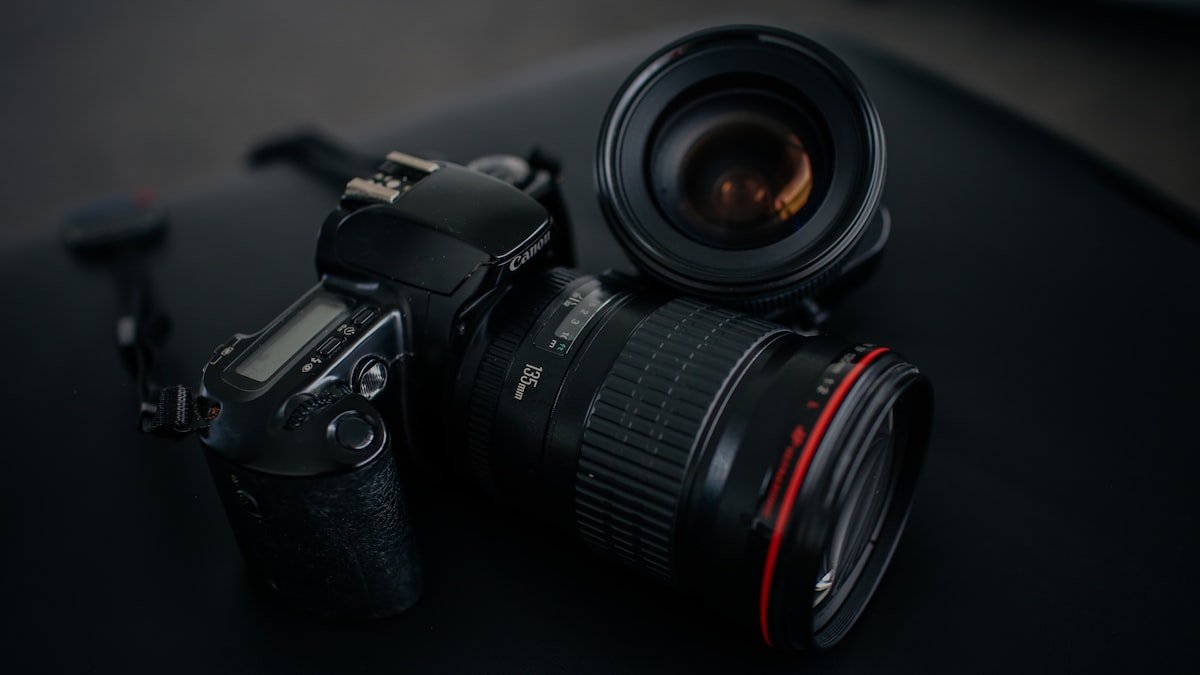
    Japan is a dream destination for camera shopping — huge selection, tax-free savings, and a legendary used-gear scene. Here’s how to buy a camera or lens without the pitfalls.

    Why buy a camera in Japan

    • Selection — enormous stock of bodies, lenses, and accessories under one roof.
    • Tax-free savings for tourists on top of competitive prices.
    • World-class used market — honestly graded, often near-mint gear at great prices.

    Where to shop

    • Yodobashi Camera & Bic Camera — giant tax-free electronics stores with English support; see our electronics guide.
    • Map Camera, Fujiya Camera, and Kitamura — famous for used gear (Shinjuku/Nakano).
    • Nakano Broadway & secondhand shops for vintage finds; see secondhand shopping.

    Before you buy

    • Warranty: many Japanese warranties are domestic-only — ask about international warranty for new gear.
    • Menus & markings are usually switchable to English, but confirm.
    • Voltage: chargers are typically universal, but check.
    • Bring your passport for tax-free.

    Used-gear tips

    • Learn the shop’s grading system (e.g. AB, B) — conditions are reliable.
    • Inspect the sensor and test the shutter where possible.
    • Can’t visit? A proxy service can bid on Japanese used-camera sites; some gear is on Amazon .

    What cameras and lenses typically cost

    • New mirrorless bodies often price JPY 20,000-50,000 below US/EU retail before tax-free savings, especially for Japan-market color variants and kit lens bundles not sold abroad.
    • Well-graded used lenses at Map Camera or Kitamura commonly run 20-40% below new price, with condition grading reliable enough that many professional photographers buy used gear exclusively in Japan.
    • Budget an extra 30-60 minutes at the register for tax-free processing during busy periods — Yodobashi and Bic Camera have dedicated tax-free counters, but they queue up on weekends.

    Common mistakes to avoid

    • Assuming all accessories are tax-free — consumables like batteries and cleaning supplies are sometimes excluded from the tax refund even when bought alongside a camera body.
    • Not testing the specific unit before leaving the store — reputable used shops allow this, and it takes only a few minutes to check the shutter count display and sensor for dust.
    • Buying a camera with a region-locked firmware feature (rare but possible on some accessories) without checking compatibility with software back home.

    Which shop for which need

    New, tax-free, English-speaking-staff purchases point toward Yodobashi or Bic Camera; if you want the widest possible used selection and don’t mind browsing without much English support, Map Camera and Fujiya Camera in Shinjuku have the deepest inventories. Nakano Broadway rewards patient browsers hunting for vintage film cameras and unusual lenses rather than a specific model on a list.

    International shipping for camera gear

    If you buy more than you want to carry, most large electronics stores can arrange international shipping for an added fee, and specialist used-camera shops are used to overseas buyers who return home and later regret not picking up one more lens — ask about their mail-order service for future purchases even after you’ve left Japan.

  • Buying Vinyl Records in Japan: A Collector’s Guide

    Buying Vinyl Records in Japan: A Collector’s Guide

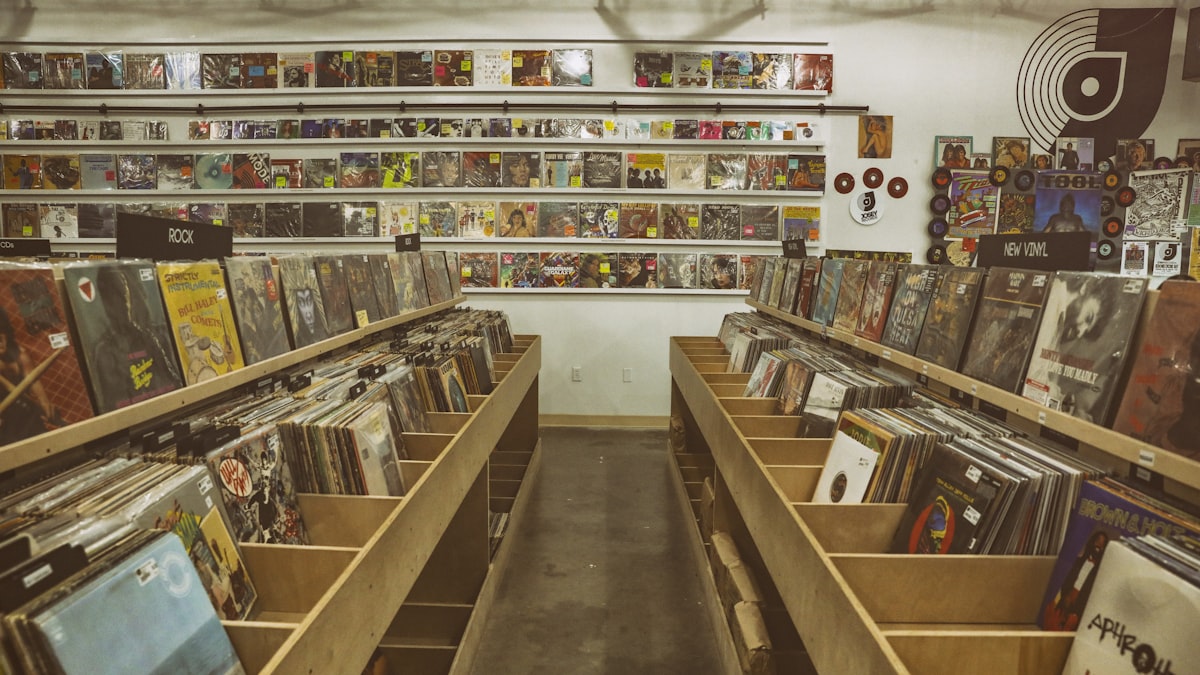
    Japan is a paradise for record collectors — pristine pressings, deep back catalogs, legendary city pop, and some of the best-stocked shops on earth. Here’s a collector’s guide to buying vinyl in Japan.

    Why Japan is a vinyl mecca

    Japanese pressings are famous for their quality and careful handling, and the country’s used-record scene is unrivaled — meticulously graded, often near-mint, and organized to a fault. From jazz to city pop to Western rock, the digging is world-class.

    What to hunt for

    • City pop & Japanese jazz — the sought-after genres that draw collectors worldwide.
    • Japanese pressings (OBI strips) — the paper “obi” band adds value; keep it intact.
    • Audiophile pressings and rare Western imports in mint condition.

    Where to shop

    • Disk Union — the legendary chain with genre-specific stores (Tokyo especially).
    • Shimokitazawa & Koenji — Tokyo neighborhoods packed with independent record shops.
    • HMV record shops, Face Records, and countless indies.
    • Akihabara & Nakano for collectibles; see our Akihabara guide.

    Buying tips

    • Learn the grading — shops grade sleeve and vinyl separately; conditions are honest.
    • Keep the OBI — it matters for value.
    • Bring your passport for tax-free on bigger hauls.
    • Pack carefully — records are heavy and warp in heat; consider forwarding or a proxy service to ship home.

    Tip

    Give yourself time — the best finds come from patient digging in the indies. A rare record makes a unique souvenir.

    What records typically cost

    • Common used Western rock and pop pressings run JPY 500-2,000 in good condition, genuinely cheap by international collector standards, especially at large chains like Disk Union that turn over huge volumes.
    • Sought-after city pop and Japanese jazz pressings, especially with an intact OBI strip, can run JPY 5,000-30,000+ depending on rarity — prices have risen sharply over the past decade as international collector interest grew.
    • New reissue vinyl from Japanese pressing plants typically runs JPY 3,000-4,500, often praised for pressing quality even when the underlying release is a foreign artist.

    Common mistakes to avoid

    • Buying a record with a damaged OBI expecting full value — collectors pay a real premium for an intact strip, so a torn or missing OBI should be reflected in a lower price; ask if it’s unclear.
    • Skipping the genre-specific Disk Union branches — the chain splits stock across specialized stores (jazz, rock, club music, etc.) in the same neighborhood, and browsing the wrong branch means missing most of the relevant stock.
    • Not asking to hear a needle-drop on an expensive used record — most shops will play a portion on request, which is standard practice, not an imposition.

    Shipping records home safely

    Vinyl warps in heat and can crack if bent, so pack purchases flat, never at an angle, and avoid leaving a bag of records in a hot car or direct sun while sightseeing. For a large haul, a specialist shipping service or your hotel’s front desk can often arrange a properly padded box home cheaper than checking them as fragile airline luggage.

    Where digging pays off most

    Shimokitazawa’s dense cluster of independent shops rewards slow, unhurried browsing over a single big-name store, since small owner-run shops often price stock more idiosyncratically than the chains — genuine bargains and mispriced rarities still turn up. Set aside at least half a day if crate-digging is a trip priority rather than treating it as a quick errand between other stops.

  • Japanese Denim: The World’s Best Jeans & Where to Buy

    Japanese Denim: The World’s Best Jeans & Where to Buy

    Some links below are affiliate links. If you buy through them, Japan Trove may earn a small commission at no extra cost to you.

    Japan is the global capital of premium selvedge denim — prized worldwide for its craftsmanship, vintage looms, and deep indigo. If you love jeans, here’s what to know and where to buy.

    Why Japanese denim is special

    Japanese mills (many in Okayama) weave denim on old shuttle looms, creating dense, characterful selvedge fabric that ages beautifully. Natural indigo dyeing and obsessive attention to detail make these some of the best jeans in the world.

    Brands to know

    • Momotaro, Iron Heart, Studio D’Artisan, Full Count — cult heavyweight labels.
    • The Flat Head, Samurai, Oni, Sugar Cane — beloved by denim enthusiasts.
    • Kojima (Okayama) — the denim heartland, with a famous “Jeans Street.” More Japanese labels in our fashion brands guide.

    What to look for

    • Selvedge edge and heavyweight (14oz+) fabric for character and fades.
    • Raw (unwashed) denim if you want to create your own fades over time.
    • Fit and inseam — try in person; many offer chain-stitch hemming.

    Where to buy

    • In Japan: specialty denim shops in Tokyo (Ura-Harajuku), Osaka, and Kojima’s Jeans Street; bring your passport for tax-free.
    • Vintage & secondhand — great deals; see our secondhand shopping guide.
    • From abroad: many brands ship worldwide, or use a proxy service for Japan-only releases; some on Amazon .

    Tips

    • Raw denim guidance: wear before first wash for sharper fades (follow the maker’s advice).
    • A great pair is a lasting souvenir — for yourself.

    What Japanese denim typically costs

    • Entry-level raw selvedge jeans from respected brands start around JPY 15,000-25,000; heavyweight cult labels like Studio D’Artisan or The Flat Head often run JPY 30,000-50,000.
    • Limited or collaboration releases from brands like Momotaro or Iron Heart can sell out fast and command resale premiums well above retail, so buying in-store at release is worth planning around if a specific model matters to you.
    • Vintage and secondhand Japanese denim shops sometimes carry older runs at 20-40% below current retail, a good way to try a cult brand before committing to full price.

    Common mistakes to avoid

    • Sizing raw denim like pre-shrunk jeans — unwashed selvedge typically shrinks noticeably after the first wash; ask staff for size guidance specific to the brand rather than relying on your usual size.
    • Machine-hemming a pair meant to keep its original chain-stitch roping — ask the shop to hem in-house if you want the fade pattern to look authentic over time.
    • Washing raw denim too early — most enthusiasts recommend 3-6 months of wear before a first wash to develop personal fade lines; washing on day one erases that potential.

    Visiting Kojima’s Jeans Street

    If denim is a genuine trip priority, Kojima in Okayama Prefecture is worth the detour — an entire street of denim shops, a denim-themed bridge, and even indigo-dyed vending machines celebrating the town’s manufacturing history. It pairs naturally with a wider Okayama stop en route to Naoshima or western Japan.

    Caring for raw denim while traveling

    If you plan to wear a new pair through the rest of your trip, avoid getting them soaked in rain or onsen steam before they’ve had a chance to mold to your body — a light misting to remove odor is fine, but a full wash resets the fading process you’re trying to build. Spot-cleaning with a damp cloth is the safest option while traveling.

  • Japanese Perfume & Fragrance: Subtle Scents to Buy

    Japanese Perfume & Fragrance: Subtle Scents to Buy

    Some links below are affiliate links. If you buy through them, Japan Trove may earn a small commission at no extra cost to you.

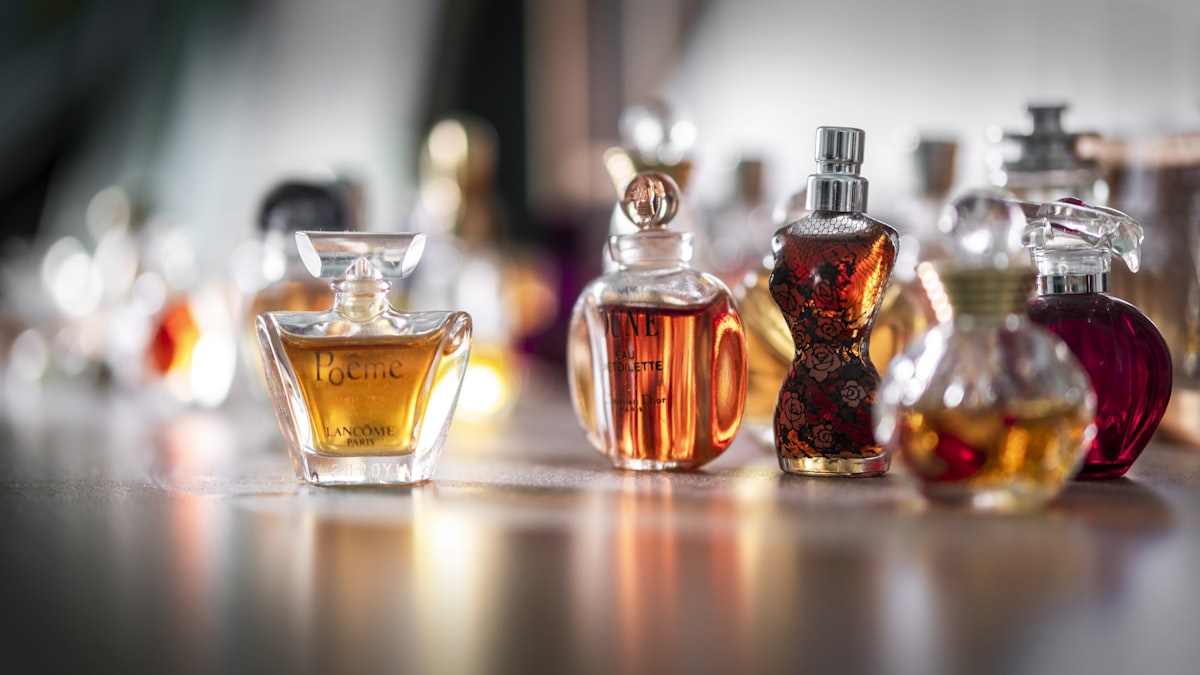
    Japanese fragrance leans subtle, clean, and refined — a lovely contrast to bolder Western perfumes. If you like understated scents, here’s what to explore and buy.

    The Japanese fragrance style

    Japanese scents often favor soft, clean, “quiet luxury” profiles — think fresh cotton, green tea, yuzu, sakura, hinoki (cypress) and incense notes — designed to sit close to the skin rather than fill a room.

    What to look for

    • Niche & department-store brands — Japanese houses and boutiques with delicate signature scents.
    • Traditional incense (o-koh) — Kyoto’s centuries-old incense makers; a beautiful, affordable gift.
    • Yuzu, sakura, and green-tea fragrances and body mists — very Japanese, easy to wear.
    • Hinoki (cypress) scents that capture the smell of an onsen town.

    Where to buy

    Tips

    • Test on skin — clean Japanese scents can be faint on paper.
    • Incense is a lightweight, unbreakable gift that packs flat.
    • Pair with Japanese skincare and makeup for a full J-beauty haul.

    Typical costs

    • Traditional incense (o-koh) starter sets from established Kyoto makers run JPY 1,500-4,000, a genuinely affordable and lightweight gift that survives packing far better than glass bottles.
    • Niche Japanese fragrance houses typically price a full bottle JPY 8,000-25,000, competitive with mid-tier Western niche perfume once tax-free savings are applied.
    • Department-store beauty floor samples are usually free to request, making it easy to build a small testing set of 4-5 scents before committing to a full bottle purchase.

    Common mistakes to avoid

    • Buying based on the paper test alone — Japanese fragrances are formulated to develop close to skin, and many genuinely change character over the first 15-20 minutes on skin versus how they read on a test strip.
    • Assuming incense is only for religious use — most Japanese households burn incense simply for the scent, no ritual required, and buying a starter set with a small ceramic holder makes for an easy home upgrade.
    • Overpacking glass bottles in checked luggage — wrap them in clothing at the center of your bag, or consider a smaller travel-size bottle if it’s offered, since breakage in transit is a real risk.

    Building a full J-beauty gift set

    Fragrance pairs naturally with other understated Japanese beauty categories — a hinoki-scented soap or bath salt, a subtle skincare mist, and a small incense set together make a cohesive, distinctly Japanese gift far more interesting than a single bottle of perfume alone. See our Japanese skincare guide for complementary picks.

    Where to find the best incense

    Kyoto is the center of Japan’s centuries-old incense industry, with several makers running shops that double as small museums of the craft — worth a stop even if you don’t plan to buy, since staff often explain the different wood and resin bases (sandalwood, aloeswood, cinnamon) in a way that makes later purchases feel far more informed.

  • Cheap Souvenirs from Japan: Best Budget Gifts

    Cheap Souvenirs from Japan: Best Budget Gifts

    You don’t need to splurge to bring home great gifts from Japan. Some of the best souvenirs cost just a few hundred yen. Here’s where to find cheap, cheerful, unmistakably-Japanese finds.

    Best budget souvenirs

    • Kit Kats & regional snacks — fun flavors that travel well; see our Kit Kat guide.
    • Cute stationery — pens, sticky notes, washi tape; see stationery.
    • Chopsticks, tenugui cloths, folding fans, and small ceramic dishes.
    • Face masks & beauty samples — see drugstore buys.
    • Character goods & gachapon — see our capsule toy guide.

    Where to shop cheap

    • 100-yen shops (Daiso, Seria) — the champion of cheap souvenirs; see our 100-yen shop guide.
    • Don Quijote for snacks and novelties; see the Donki guide.
    • Konbini for last-minute edible gifts; see konbini must-buys.
    • Station & temple stalls for regional omiyage.

    Smart tips

    • Buy multipacks of individually wrapped sweets — perfect for sharing at work.
    • Prices are before tax; over 5,000 yen, shop tax-free with your passport.
    • Pack a foldable bag for the haul. For pricier picks, see our best gifts from Japan.

    Realistic budget for souvenir shopping

    • A well-stocked 100-yen shop haul of 10-15 small items (chopsticks, stationery, snacks) runs JPY 1,500-2,500 total including tax, making it possible to cover a whole gift list for under JPY 3,000.
    • Individually wrapped sweet multipacks at Don Quijote or a supermarket run JPY 500-1,200 per box and typically contain 8-16 pieces, ideal for splitting among coworkers without buying separate gifts for each person.
    • Station omiyage counters price regional specialty snacks slightly higher than supermarkets (JPY 800-1,500 per box) but offer flavors and packaging genuinely unique to that city or region, which can justify the premium for a memorable gift.

    Common mistakes to avoid

    • Buying all your souvenirs on the last day — popular regional snacks and limited items can sell out at station shops during a busy travel weekend; buy as you go rather than saving everything for departure day.
    • Forgetting the 5,000 yen tax-free minimum applies per store, per day, not across your whole trip — consolidating a big souvenir run at one store on one visit maximizes your chances of qualifying.
    • Overpacking glass or liquid items (sauces, drinks) without checking your airline’s carry-on liquid rules — these are safer in checked luggage, well-wrapped in clothing.

    Gifts that double as packing-friendly

    Flat items travel best: washi tape, tenugui cloths, and folding fans pack into almost no extra space and rarely break, unlike ceramics or bottled items. If you’re buying for a large group back home, prioritize these flat, lightweight categories over anything fragile to keep your luggage weight and stress down.

    Where budget souvenirs cluster together

    Station-adjacent shopping is the most efficient place to knock out most of your list at once — a big Don Quijote or a 100-yen shop near a major train station lets you compare regional snacks, everyday goods, and character merchandise side by side, which beats hunting through several smaller specialty shops across a city if time is limited near the end of a trip.

  • Loft & Hands: Japan’s Variety Store Souvenir Guide

    Loft & Hands: Japan’s Variety Store Souvenir Guide

    Loft and Tokyu Hands (now “Hands”) are Japan’s beloved variety/lifestyle stores — floors of clever gadgets, stationery, beauty, travel goods, and quirky finds. They’re souvenir goldmines. Here’s what to look for.

    What are Loft & Hands?

    Both are multi-floor “variety stores” packed with well-designed everyday goods — think a curated, mid-range step up from a 100-yen shop. Loft leans stationery, beauty, and lifestyle; Hands leans DIY, tools, travel, and hobby — but they overlap a lot.

    Best things to buy

    • Stationery — pens, planners, and washi tape galore; see Japanese stationery.
    • Beauty & self-care — tools, masks, and gadgets; see beauty tools.
    • Travel goods — packing organizers, compact umbrellas, gadgets.
    • Kitchen & home gadgets — clever tools that make great gifts.
    • Quirky novelties — the “only in Japan” section is a rabbit hole.

    Where to find them

    • Flagship and large branches in Shibuya, Shinjuku, Ginza, and major cities — often in or near stations and malls.

    Shopping tips

    • Bring your passport for tax-free over the threshold.
    • Great one-stop shops for practical, giftable souvenirs that pack flat.
    • Cheaper basics? Compare with 100-yen shops and Muji; for rock-bottom prices try Don Quijote.

    A relaxed hour here yields half your souvenir list. More in our best gifts from Japan guide.

    What things typically cost

    • Most Loft and Hands items run JPY 300-2,000, with the sweet spot for gift shopping around JPY 500-1,200 for stationery, beauty tools, or small kitchen gadgets.
    • Both stores skew slightly pricier than Daiso but noticeably cheaper than department store equivalents — a genuine middle ground worth browsing before deciding where to spend on a specific item.
    • Flagship branches (Shibuya Loft, Shinjuku Hands) are large enough that a thorough browse takes 45-90 minutes if you’re actually reading labels and comparing options rather than skimming.

    Common mistakes to avoid

    • Assuming Loft and Hands stock the same things — Loft leans more toward beauty, stationery, and lifestyle goods, while Hands leans toward DIY, hobby, and outdoor gear; if you’re hunting for something specific, check which one is more likely to carry it before wasting time in the wrong store.
    • Not comparing prices with Daiso or Muji before buying basics — some overlapping items (simple stationery, storage boxes) are genuinely cheaper at 100-yen shops, while Loft/Hands wins on more unique or higher-quality gadgets.
    • Skipping the seasonal sections — both chains rotate limited seasonal goods (sakura-themed items in spring, Halloween novelties in autumn) that disappear once the season ends.

    Building a souvenir haul efficiently

    A single hour at a large Loft or Hands branch can realistically cover half a gift list — stationery for coworkers, a beauty gadget for a friend, and a quirky novelty item for yourself. Pair the visit with a nearby 100-yen shop stop for the cheaper basics to round out the list without overspending on everything.

    Tax-free thresholds in practice

    Since individual items tend to be inexpensive, reaching the tax-free minimum purchase threshold in one visit is easier if you consolidate a full shopping list into a single transaction rather than making several smaller purchases across return visits — ask staff about the current threshold, since it can change, and always bring your passport in case you cross it unexpectedly.

  • Japanese Department Stores & Depachika Food Halls

    Japanese Department Stores & Depachika Food Halls

    Japanese department stores (depato) are an experience in themselves — impeccable service, whole floors of food, and everything from luxury to souvenirs under one roof. Here’s how to shop them, especially the legendary food halls.

    The depachika (food hall)

    The basement food floors, or depachika, are the highlight: dazzling counters of bento, wagashi sweets, chocolates, deli, and gifts. Don’t miss:

    • Beautiful boxed sweets and chocolate — perfect gifts.
    • Ready-to-eat bento and deli — great value, superb quality.
    • Closing-time discounts — fresh items get marked down late afternoon/evening.

    The main chains

    • Isetan, Mitsukoshi, Takashimaya, Daimaru, Matsuya — the big names, each with flagship stores.
    • Often located right at or above major stations for easy access.

    What else to buy

    • Ceramics & homeware — see our homeware guide.
    • Cosmetics counters — J-beauty brands; see makeup and skincare.
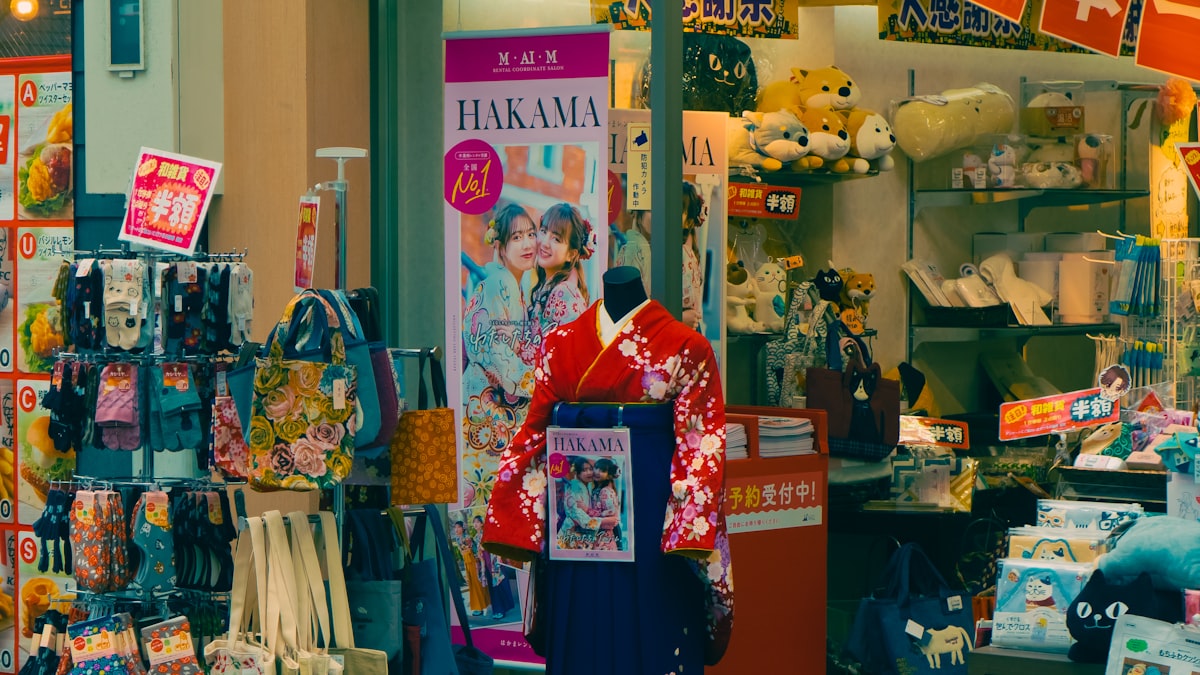
    • Kimono & traditional goods, plus seasonal gift corners.

    Shopping tips

    • Bring your passport for tax-free (dedicated counters handle it).
    • Service is famously polite — staff may bow and even escort you; enjoy it.
    • Rooftops sometimes have gardens or shrines; top floors often have restaurant districts (restaurant “resutoran-gai”).
    • Go to the depachika hungry — free samples abound.

    Find them in Ginza, Shinjuku, and every major city. More in our Tokyo guide.

    What things cost at a depachika

    • Ready-made bento boxes run JPY 800-2,500 depending on quality; a good rule of thumb is that a busy counter with a visible line usually signals better value and freshness.
    • Boxed sweets and chocolate gift sets run JPY 1,000-5,000, with the higher end reserved for beautifully packaged, individually wrapped assortments meant specifically as formal gifts (omiyage).
    • Timing your visit for 60-90 minutes before closing can mean 20-50% discounts on prepared food as staff mark down items that won’t be sold fresh the next day — a genuinely useful budget dinner strategy in any major city.

    Common mistakes to avoid

    • Rushing through without sampling — many counters offer small free samples, especially for sweets and pickles; trying before buying is normal practice, not an imposition on staff.
    • Assuming all department stores are equally tourist-friendly for tax-free processing — flagship branches of Isetan, Takashimaya, and Mitsukoshi have dedicated tax-free counters with English support, while smaller branches may not.
    • Skipping the upper floors entirely — restaurant districts (resutoran-gai) on top floors often have excellent set-lunch deals with fewer crowds than street-level restaurants nearby.

    Best time to visit a depachika

    Late morning on a weekday is the quietest and most pleasant time to browse without crowds, while early evening (just before the discount window) offers the best combination of full selection and an emerging bargain hunt as staff start marking down the day’s unsold items.

    Depachika as a solo-friendly dinner option

    For solo travelers or anyone tired after a full day of sightseeing, a depachika bento eaten back at your hotel is a genuinely excellent, no-reservation-needed dinner option — restaurant-quality food without the logistics of finding and sitting alone at a sit-down restaurant.