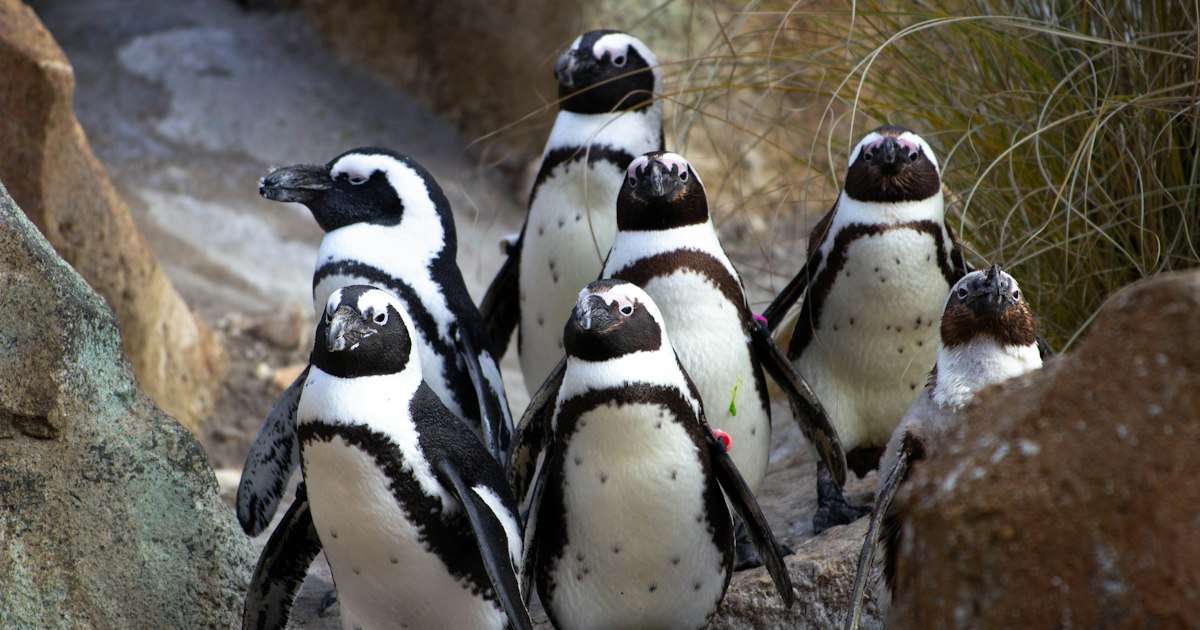
Photo by Jen Dries on Unsplash
Most zoos close their outdoor exhibits down in winter. Asahiyama Zoo in Asahikawa, Hokkaido, does the opposite — it treats sub-zero temperatures as the main attraction. From roughly mid-December through late March, the zoo’s king penguins waddle out of their enclosure and down a snow-packed path while visitors line up three and four deep to watch. It’s one of the few reasons to plan a Hokkaido trip specifically around winter, and it’s become one of the island’s most photographed animal encounters. Here’s what actually happens, when to go, and how to get there without wasting half a travel day.
What makes Asahiyama Zoo different
Asahiyama Zoo built its reputation on “behavioral exhibition” (koudou tenji) — designing enclosures so animals act naturally instead of just sitting on display. The seal house has a vertical glass cylinder the seals swim straight up through; the polar bear enclosure has an underwater viewing dome where you can watch a bear paddle a few feet above your head; and the orangutans move between buildings on an elevated rope line strung high over a visitor path. The zoo is mid-sized and walkable in 3–4 hours, which makes it realistic as a half-day stop rather than a full day commitment.
The penguin walk is the headline act specifically because of Asahikawa’s climate. Asahikawa regularly sees some of the coldest temperatures of any city in Japan, and the zoo leans into it rather than fighting it.
The penguin walk: when it happens and when it doesn’t
The walk runs during the zoo’s winter season, which has typically spanned mid-December to late March, with walks held once or twice a day (commonly around late morning and again in early afternoon). It is not a daily guarantee — it’s canceled on days that are too warm (above roughly 0°C the snow gets slushy and the walk is called off to protect the penguins) or in genuinely dangerous conditions like heavy wind or blizzard-level snow. Moderate snowfall, on the other hand, is exactly when the walk looks best in photos.
Because the schedule shifts year to year and is announced closer to the date, check the official Asahiyama Zoo website or its social media the morning of your visit rather than relying on an old blog post’s exact times. If the walk is central to your trip, build in a two-day buffer in Asahikawa rather than a single day trip from Sapporo, so a cancellation on day one doesn’t sink the whole plan.
Hours and admission
The zoo runs on two seasonal schedules. The summer season (late April to early November) typically has hours around 9:30 am to 5:15 pm, with last entry around 4:00 pm. The winter season (November through early April) runs shorter hours, roughly 10:30 am to 3:30 pm, with last entry around 3:00 pm — plan to arrive well before closing since some indoor exhibits start closing earlier.
Admission is inexpensive by zoo standards: adults (age 16 and up) pay around ¥1,000, and visitors 15 and under enter free. There’s no need to pre-book tickets online — gate admission is standard, though lines can form on weekends during peak snow season.
Getting there from Sapporo and Asahikawa Station
Asahiyama Zoo sits on the outskirts of Asahikawa, not in the city center, so getting there is a two-leg trip:
- Sapporo to Asahikawa: JR limited express trains (“Kamui” or “Lilac”) run roughly hourly and take about 1 hour 25 minutes from Sapporo Station to Asahikawa Station.
- Asahikawa Station to the zoo: City buses run from the station to the zoo in around 40–50 minutes depending on the route and traffic; a taxi takes roughly 25–30 minutes. In winter, Asahikawa Denki Kido operates seasonal direct buses timed to the penguin walk schedule — these are worth checking for first, since they save the hassle of transferring on a regular city route in heavy snow.
If you’re coming straight from Sapporo in one day, you’re looking at roughly 2–2.5 hours of one-way travel, so a full round trip plus zoo time eats most of a day. Many visitors instead stay a night in Asahikawa to catch the morning walk without rushing — when booking that stay, a site like Rakuten Travel, Jalan, or Booking.com will show you which of those three tends to have better rates for regional Hokkaido cities versus Tokyo or Kyoto.
Best timing and common mistakes
Late December through February gives the most reliable snow cover and the coldest, most dramatic-looking penguin walks, but also the coldest visitor experience — dress for temperatures well below freezing, including good boots, since the outdoor paths get icy. March is a reasonable middle ground: still cold enough for walks, slightly milder for visitors, with smaller crowds than the New Year holiday period.
The most common mistake is treating the penguin walk like a scheduled show you can show up for at the last minute. Spots along the path fill up, and families stake out positions 15–20 minutes ahead. A second mistake is assuming the zoo is a quick stop — between the seal cylinder, the polar bear dome, and the indoor penguin pool (the king penguins and humboldt penguins are viewable year-round even when the outdoor walk isn’t running), most visitors need at least three hours to see the highlights without rushing.
A third mistake: assuming summer visits are a letdown. Without snow, there’s no walking penguin parade, but the behavioral exhibits — the elevated orangutan walkway, the seal tank, the wolf and tiger enclosures — run year-round and summer hours give you far more daylight to see everything at an easy pace.
Budget, mid-range, and splurge approaches
On a tight budget, a day trip from Sapporo using the regular JR limited express and city bus covers round-trip transport and admission for well under ¥10,000 per person. A mid-range plan adds one night in Asahikawa, letting you catch an 11 am walk without a 6 am start from Sapporo. For a splurge version, some visitors pair the zoo with a broader eastern or central Hokkaido winter itinerary — drift ice near Abashiri, the Sounkyo ice festival, or Furano’s ski season — using Asahikawa as a hub city rather than a single-destination day trip.
However you build the itinerary, confirm the penguin walk is actually running before you lock in train and bus times — it’s the one detail that turns this from “zoo visit” into “the reason we came to Hokkaido in winter.”