Photo by Kei Selma on Unsplash
If you’ve spent any time scrolling Japanese fashion or beauty content, you’ve probably noticed the eyes — unusually large, soft-edged irises that make the whole face look different. That’s the circle lens effect, and it’s one of the easiest beauty souvenirs to bring home from Japan, as long as you understand a few rules before you buy. Unlike most drugstore cosmetics, these are medical devices under Japanese law, and that changes where you can buy them, what you need to bring, and what to watch out for.
What Makes Circle Lenses Different
Circle lenses are colored contact lenses with a printed ring around the edge that enlarges and softens the look of the iris. Standard contacts run about 13.8–14.2mm in diameter; circle lenses typically start around 14.0mm and go up to 14.5–15.0mm for a more dramatic “dolly eye” look. They come in two basic types: zero-power (plano) lenses for people with normal vision who just want the cosmetic effect, and prescription (power) lenses that correct nearsightedness while also changing eye color. Japanese brands like CandyMagic, Lilmoon, and EverColor 1-Day dominate the market and are popular with both locals and visiting shoppers precisely because the designs and base curves are engineered for East Asian eye shapes, which tends to mean a more comfortable, natural-looking fit than lenses designed elsewhere.
Japan’s Rules on Cosmetic Contact Lenses
This is the part most tourists don’t expect: in Japan, even zero-power cosmetic contact lenses are classified as “highly controlled medical devices” (高度管理医療機器), a category that also covers prescription contacts. Retailers need a specific license to sell them, which is why you won’t find circle lenses at a general drugstore or convenience store the way you might find snoring strips and mouth tape on an open shelf. Legitimate shops sell lenses in sealed, labeled packaging with lot numbers and expiry dates, and reputable stores will ask basic questions about your eyes even for zero-power lenses. If a stall or kiosk is selling loose lenses with no packaging information, skip it — this is where counterfeit and unsterilized product tends to show up, mostly aimed at tourists who don’t know better.
Where to Buy Them in Tokyo and Osaka
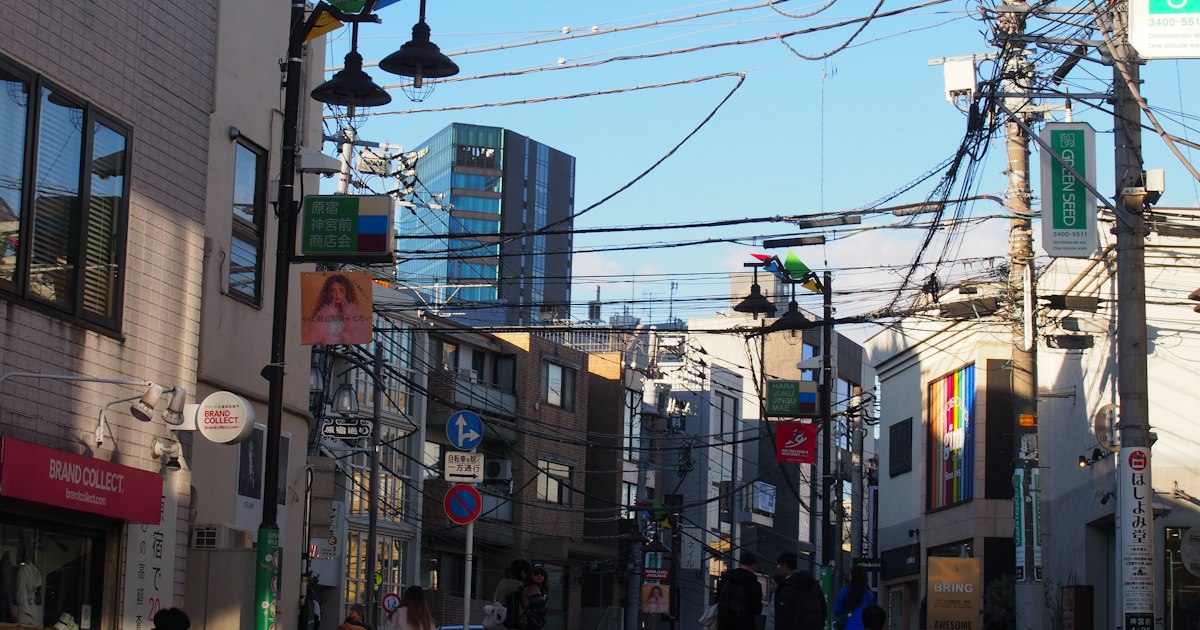
Harajuku’s Takeshita Street is the single best place to start — it has several dedicated colored-lens and cosmetic-eyewear shops within a five-minute walk of Harajuku Station (JR Yamanote Line) or Meiji-jingumae Station, most open roughly 11:00 to 20:00. Shibuya, especially the backstreets around Shibuya 109, has a similar cluster aimed at the gyaru and kawaii fashion crowd. In Osaka, Shinsaibashi and Amerikamura have an equivalent scene. These shops usually display lenses by brand and diameter with sample photos on the packaging, and staff can help you compare a “natural” 14.2mm ring against a bigger 14.5mm one before you commit. Opticians inside shopping centers (the kind that also sell glasses) sometimes carry a smaller colored-lens selection and are a safer bet if you want someone to actually check your eyes rather than just ring up a sale. Buying online from Japanese retailers is cheaper per pair but usually requires a Japanese shipping address, so it’s more practical for residents than for a short visit.
Budget, Mid-Range, and Splurge Picks
- Budget (¥1,000–¥1,800): A box of ten 1-day disposable circle lenses, zero power. Good for a trip, a festival, or a single photoshoot since there’s no case or solution to carry.
- Mid-range (¥2,000–¥3,500 per pair): Monthly-wear circle lenses from established brands like Lilmoon or EverColor, zero power or low-to-mid prescription. Best value if you plan to wear them more than a handful of times and don’t mind cleaning and storing them.
- Splurge (¥4,000–¥6,000+): Multi-layer pigment lenses with more complex color patterns, higher prescriptions (including astigmatism/toric lenses), or a proper fitting session with an optician beforehand (around ¥3,000–¥5,000), which is worth it if you have a strong prescription or sensitive eyes.
If your total purchase at one shop passes ¥5,000, ask about tax-free (duty-free) processing — many Harajuku and Shinsaibashi shops that cater to tourists can deduct consumption tax at the register if you show your passport, the same way it works for general souvenir shopping.
Best Time to Buy and Try Them
There’s no strict season for circle lenses the way there is for, say, cherry blossoms or plum blossoms — if you’re curious about seasonal sightseeing timing elsewhere, our guide to ume blossom season is a good example of how specific that kind of timing can get. Lens shopping, by contrast, is steady year-round, but two periods see noticeably more foot traffic and seasonal collections: late October, when stores stock bolder sclera and special-effect lenses for Halloween costume looks, and March–April, around graduation and the start of the new school/work year, when many young Japanese shoppers refresh their everyday look. Outside those windows you’ll get calmer stores, more staff attention, and the full regular lineup rather than limited-edition sellouts.
Common Mistakes Tourists Make
The most frequent error is buying zero-power lenses without realizing you actually need correction — if you normally wear glasses or contacts, tell the shop your approximate prescription or bring your current lens packaging so they can match the power. Second is treating a 1-day disposable as reusable to save money; these are thinner and not designed to survive repeated disinfection, and reusing them is a real route to eye infection. Third is skipping any eye check entirely — a five-minute fitting conversation at a shop catches base-curve mismatches before they cause discomfort, not after. Fourth, if you’re buying lens solution to take with you, remember it counts as a liquid for carry-on purposes (100ml limit) unless it’s checked. And finally, don’t assume every seller is equally trustworthy: a shop with sealed boxes, listed lot numbers, and a storefront is a different proposition from a loose display at a market stall.
Taking Them Home Safely
Check your home country’s rules before you fly back with a stash of circle lenses. Some countries, including the US, classify colored contacts — even zero-power ones — as a medical device requiring a prescription to import, and customs can occasionally ask questions about quantity if you’re carrying a large amount for personal use. Keeping the original packaging with brand, lot number, and power clearly printed makes this a non-issue in almost every case, and it also means you’ll have the exact specs on hand if you want to reorder once you’re home. For travelers who enjoy tracking down specialty Japanese goods in general, the same “know the rules before you buy” logic applies to other niche shopping categories, like our breakdown of riichi mahjong tile sets for visiting enthusiasts — different product, same principle of doing a little homework so the purchase actually works once you’re home.