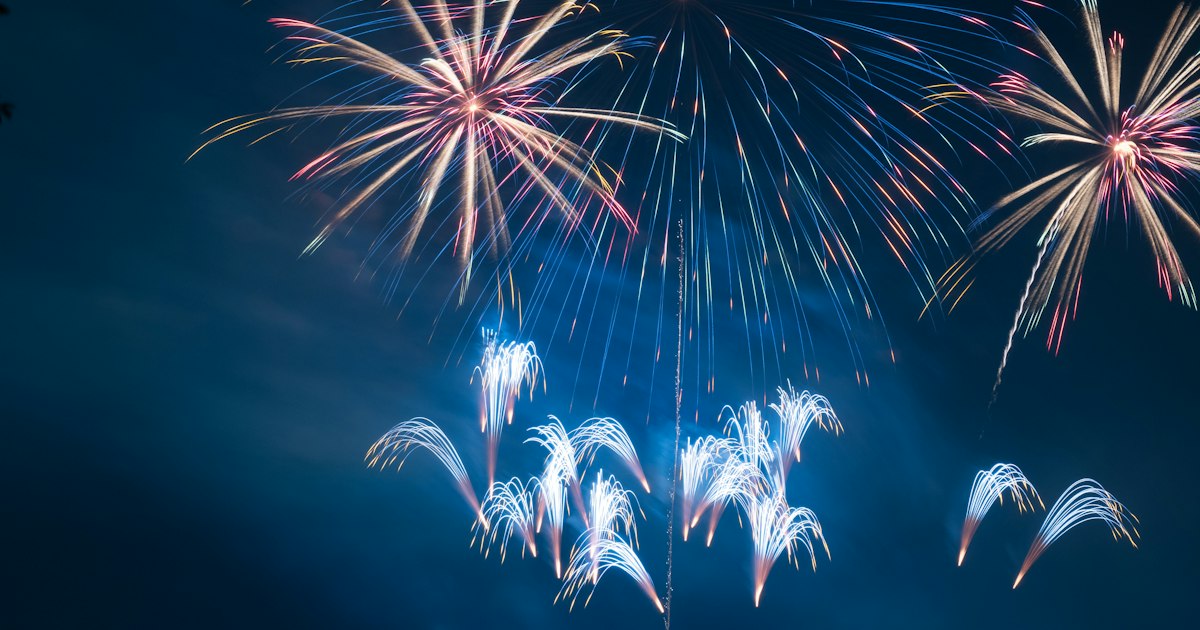
Every July, Japanese supermarkets, convenience stores, and Don Quijote outlets quietly roll out boxes of paper-wrapped sparklers next to the seasonal mosquito coils and watermelon-flavored snacks. These are senko hanabi (線香花火) — literally “incense-stick fireworks” — and they’re one of the cheapest, lightest, and most quietly moving souvenirs you can bring home from a Japan trip. Unlike the loud bottle rockets and fountains sold alongside them, senko hanabi are a slow, meditative ritual: a tiny ember that blooms, drips, and fades over about 60-90 seconds. This guide covers what to look for, what they cost, where to find the good ones, and how to actually use them without the fireball dropping off two seconds in.
What Makes Senko Hanabi Different
There are two distinct types sold in Japan, and knowing the difference matters when you’re shopping. The first and far more common type is suteyaki — a sparkler with a twisted wire or paper stem and the gunpowder packed at one end, the same basic format sold worldwide. These are mass-produced, often imported, and sold in bags of 20-30 for as little as ¥300-600 at any convenience store or supermarket in summer.
The second, more special type is nerite senko hanabi — hand-rolled in washi (Japanese paper) around a pinch of black powder, with no wire at all. You hold the twisted paper tail, and as it burns, a glowing orange ball of liquid fire forms at the tip and goes through four visually distinct stages before it drips and dies: botan (peony), matsuba (pine needle), yanagi (willow), and chirigiku (scattering chrysanthemum). Nerite sparklers are the traditional craft version, and most of the ones still made by hand in Japan today come from a small number of workshops, including long-running producers in Yanagawa, Fukuoka Prefecture, who still twist each one by hand using domestic washi. If you want the “real” version rather than a generic import, look for the word 手すき (hand-made) or 国産 (domestically produced) on the box, and check that the stick itself is paper, not metal wire.
Where to Buy: Budget, Mid-Range, and Splurge
Budget (¥300-800): Convenience stores (7-Eleven, Lawson, FamilyMart) and supermarkets stock basic mixed firework packs in summer that usually include a handful of wire-stem senko hanabi along with fountains and smoke items. Don Quijote has the widest selection and best prices for this tier — look in the seasonal aisle, not the toy section.
Mid-range (¥800-2,000): Department store toy floors and seasonal pop-up “hanabi” corners (common at Tokyu Hands/Hands, Loft, and depachika basements from late June through July) sell boxed sets of 10-20 nerite-style or higher-quality suteyaki sparklers, often in a nicer presentation box that travels well. This is the sweet spot for a souvenir you’d actually want to give as a gift rather than just burn through yourself — worth keeping in mind if you’re navigating omiyage etiquette for coworkers back home, since a small, inexpensive, individually wrapped box like this fits the unwritten rules well.
Splurge (¥2,000-5,000+): Artisan nerite senko hanabi from named workshops, sold in lacquered or washi-wrapped gift boxes of 10-20 sticks, show up at specialty craft stores, some department store craft fairs, and online direct from the makers. These are genuinely a different experience to light — longer burn times, more consistent fireball formation, and a satisfying ritual quality. If you’re the type of traveler who already collects small traditional crafts, this pairs naturally with browsing something like the regional kite traditions guide — both are seasonal, handmade, and tied to specific towns rather than mass production.
For something more unexpected, variety stores are worth a look too. Village Vanguard often stocks novelty and retro-packaged sparkler sets alongside its usual mix of odd souvenirs, which makes for a fun browse even outside summer.
Best Season — and When They Vanish
Senko hanabi are strictly seasonal retail items. Shelves start filling in mid-to-late June, peak through July and August, and are largely gone by early September, replaced by autumn goods. If you’re visiting outside June-August, your best bet is a specialty fireworks or craft store in a city, or ordering from a workshop’s own site before you arrive. Don’t expect to find them in a random konbini in November — they simply aren’t stocked.
How to Light Them Without Losing the Fireball
The single most common mistake is holding the stick horizontally. Senko hanabi need to be held at roughly a 30-45 degree downward angle — tail up, burning end down — so the molten powder ball can hang and grow instead of sliding off the end. Other frequent mistakes:
- Lighting it from a candle, not a lighter flame directly in wind. A gust at the moment of ignition is the most common cause of a sparkler fizzling out in the first five seconds. Light it from a steady candle flame if you can, especially outdoors.
- No water nearby. Always have a bucket, cup, or bottle of water next to you — not just for safety, but because you’ll want somewhere to drop the spent stick once it’s done rather than leaving ash on the ground.
- Using them where fireworks aren’t allowed. Many Tokyo parks and most apartment building grounds prohibit any fireworks, including hand sparklers, due to fire risk and noise complaints. Check signage or ask — riverbanks, designated beach areas, and ryokan gardens with staff permission are usually safe bets.
- Treating cheap wire sparklers and nerite paper sparklers the same way. Wire suteyaki burn hotter and faster and are more forgiving of angle; delicate nerite ones reward patience and a steady hand, and will disappoint you if you’re expecting the same brightness as a Western sparkler.
Where to Actually Use Them in Japan
If you want the classic experience — not just buying a box to take home — look for a quiet riverside spot, a ryokan garden, or a coastal town in the evening. Hot spring towns with a slower pace, like Noboribetsu Onsen in Hokkaido or anywhere along the Izu Peninsula, are well suited to it since many ryokan have a garden, riverside path, or beach area where guests can light sparklers after dinner — ask at the front desk, as some properties provide a bucket of water and point you to a permitted spot as a small seasonal touch.
Packing, Disposal, and Taking Them Home
Unused senko hanabi pack flat and light, and a sealed box of 10-20 is a fine carry-on or checked-bag souvenir (they contain only a small, non-restricted amount of black powder consistent with consumer fireworks, but if you’re uncertain, check your airline’s specific policy before flying, since rules vary by carrier and country). Once you’ve used them, spent sticks should go in burnable waste after being fully soaked and cooled — if you’re unsure how a municipality sorts this kind of item, the general principles in Japan’s trash-sorting guide apply here too: rinse off any ash, let it dry, and bin it as burnable (moeru gomi) rather than leaving it for someone else to deal with.
Senko hanabi are not a flashy souvenir, and that’s the point — they’re inexpensive, meaningful to light with family or friends, and genuinely unique to Japan’s summer culture. A ¥1,000 box from a department store pop-up will outlast almost any other souvenir purchase in terms of the story it comes with.