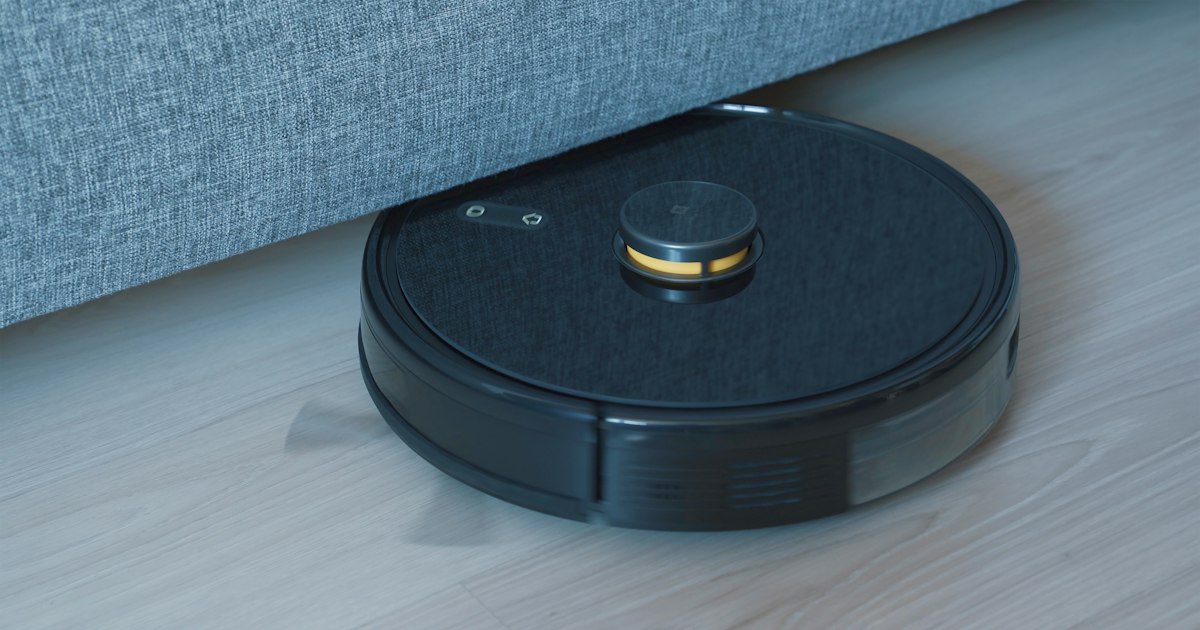
Photo by Onur Binay on Unsplash
Japan’s domestic appliance makers took a different path with robot vacuums than the global brands most visitors already know. Panasonic and Hitachi build theirs around Japanese apartment layouts, tatami-friendly suction, and mopping features tuned for how Japanese households actually clean — and because they’re rarely sold outside Japan, they’ve become a surprisingly popular souvenir for travelers who want something genuinely useful waiting for them at home. This guide covers what makes these machines different, what they cost, where to buy one tax-free, and the voltage and warranty issues that trip up first-time buyers.
Why Panasonic and Hitachi robot vacuums are worth a look
Unlike iRobot or Ecovacs, Panasonic’s RULO series and Hitachi’s “ROBOCLEANER” miNiZ line are designed around small Japanese rooms, low-clearance furniture, and genkan (entryway) thresholds. Panasonic’s RULO uses a distinctive triangular body that gets into corners a round robot can’t reach — a real difference if you’ve ever watched a Roomba leave a dust line along a baseboard. Hitachi’s miNiZ models are built thinner (some under 6.6cm) specifically to slide under Japanese-style low beds and kotatsu tables, the kind described in our guide to kotatsu, Japan’s heated low table — if you own one, you already know the under-table gap is tight. Both brands also build in strong anti-tangle brush designs, which matters more than it sounds in households with long hair or pet fur.
What they cost: budget, mid-range, and splurge
Prices below are typical retail in late 2025/2026 at major electronics chains (Yodobashi Camera, Bic Camera, Yamada Denki); expect roughly 10–20% off at seasonal sales.
- Budget (¥25,000–¥40,000): Entry Hitachi miNiZ models without mopping, basic suction and scheduling only. Good for a studio apartment or single room.
- Mid-range (¥50,000–¥90,000): Panasonic RULO mid-tier models (e.g. the MC-RSF series) with mopping attachments, app control, and better dust sensors. This is the sweet spot most visitors buy.
- Splurge (¥100,000–¥150,000+): Top RULO and Hitachi flagship models with self-emptying stations, combined vacuum-and-mop wet systems, and AI obstacle recognition. These rival (and in Japan, often outsell) Dyson and Roborock at the high end.
Where to buy: stores, timing, and tax-free shopping
Yodobashi Camera and Bic Camera are the safest bets because staff can process duty-free paperwork on the spot and stock the widest range of both brands side by side for comparison.
- Yodobashi Camera Akiba (Akihabara): 1-1 Kanda-Hanaokacho, Chiyoda-ku, Tokyo. Open 9:30am–10pm daily. The Akihabara flagship has the deepest robot vacuum floor space in Tokyo.
- Bic Camera Yurakucho: near Yurakucho/Hibiya station, open 10am–9pm daily, English-speaking staff on the appliance floor most hours.
- Yamada Denki LABI Shinjuku: good for price-matching against the camera chains — Japanese consumers often negotiate a small discount here, and tourist staff will usually honor the same ask.
Tax-free shopping removes the 10% consumption tax for tourists spending over ¥5,000 (before tax) at participating stores, provided you show your passport at checkout and the item leaves Japan unused within 30 days. Keep the sealed tax-free bag intact until you’re through security — opening it domestically can void the exemption at departure if customs checks it.
Timing-wise, Japanese retailers run two major appliance sales windows: early summer (bonus season, mid-June) and year-end (December, ahead of New Year cleaning). Both periods bring real discounts, not just marketing. Avoid late March, when new fiscal-year models launch and older stock gets pulled rather than discounted.
The voltage and warranty problem — read this before you buy
This is the single biggest mistake visitors make: Japanese robot vacuums are built for Japan’s 100V electrical system. If you’re from a 220–240V country (most of Europe, Australia, most of Asia outside Japan), the included charging dock will not work safely on your home outlet without a step-down transformer — and even with one, continuous appliance use on a transformer isn’t ideal long-term. US and Canada travelers (120V) are generally fine, since 100V-rated electronics tolerate 120V without issue in almost all cases, though it’s worth checking the specific model’s rating plate.
Warranty is the second issue: Panasonic and Hitachi’s Japan warranty is valid only within Japan. There’s no international service network for these domestic-market appliances, so if the motor or sensor fails after you’re home, you’re on your own for repairs. Buy from a reputable chain, keep your receipt, and treat the purchase as “no warranty once you leave” even though the hardware itself is generally reliable.
Shipping instead of carrying
Robot vacuums are heavy (3–5kg) and awkward in carry-on luggage, especially the charging dock. Most visitors either check it in a reinforced suitcase or use the store’s international shipping service — Yodobashi and Bic Camera both offer EMS or courier shipping to most countries, typically ¥8,000–¥15,000 depending on destination and weight, taking 5–10 business days. This is worth it if you’re already stretching luggage space with other finds, the way shoppers do at stores like Plaza by Sony for smaller gift items. If you ship, confirm the store includes tracking and request an itemized customs declaration with a realistic value — undervaluing electronics can trigger a customs hold on arrival.
Common mistakes to avoid
- Buying the Japan-app-only model without checking language support. Some older RULO and miNiZ app interfaces are Japanese-only; newer flagship models (2024+) usually support English. Ask staff to show you the app in-store before buying.
- Assuming it works like a Roomba. Japanese robot vacuums are typically gentler on carpets and stronger on hard flooring and tatami — if you have thick Western carpet at home, test suction settings in-store if possible, or check reviews for your specific flooring type.
- Forgetting replacement parts aren’t sold abroad. Filters, brushes, and mop pads for these models are Japan-market only. Buy 1–2 years of spare filters and brush heads at the same time — they’re compact and cheap (¥1,500–¥4,000 per set) compared to re-ordering from Japan later.
- Skipping the demo. Both Yodobashi and Bic Camera run live demo units on the floor. Ask to see the mopping function run on a tile sample — it’s the feature most different from what you may be used to.
A Panasonic RULO or Hitachi miNiZ makes a genuinely practical souvenir rather than a novelty one — but only if you plan around the voltage, skip the warranty myth, and budget for parts. Buy mid-range, buy from a store that’ll do the tax-free paperwork properly, and you’ll come home with an appliance that actually gets used.