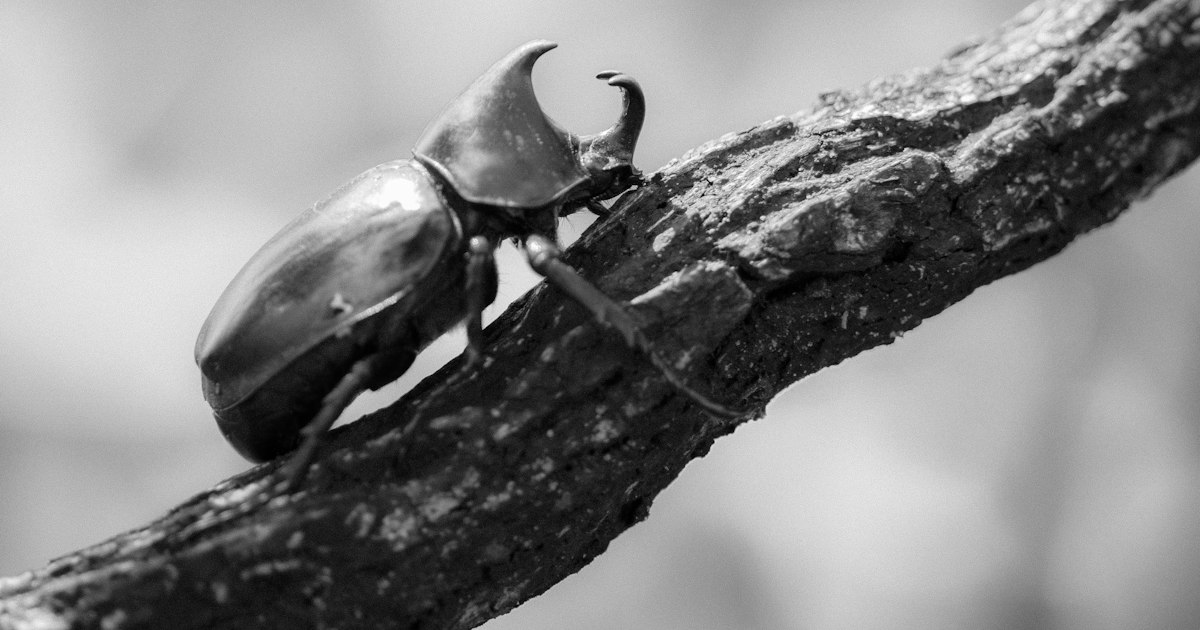
Photo by Henry Lai on Unsplash
Every summer, long before cicadas start droning and convenience stores stock up on barley tea, Japanese kids are already checking the sap trees at the local park before school. Kabutomushi (rhinoceros beetles) and kuwagata (stag beetles) are as much a fixture of the Japanese summer as fireworks and shaved ice, and the hobby around them — hunting, breeding, trading, and buying — runs surprisingly deep. If you’re visiting in June, July, or August, it’s a genuinely fun rabbit hole to fall into, even if you have zero interest in bugs back home.
What Is Kabutomushi Culture, Anyway?
Beetle-collecting (mushi-tori) has been a childhood rite of passage in Japan for generations, and it never really faded the way it has elsewhere. Toy makers still sell kabutomushi-themed card games and figures, pet shops carry breeding tanks and larval food blocks year-round, and it’s completely normal for a grown adult to have a few stag beetle larvae quietly maturing in a plastic case in their closet. There’s even a competitive edge to it: certain kuwagata species with unusually large mandibles or kabutomushi with long horns command real money among collectors, similar to how a rare stamp or coin gets valued. If you enjoy Japan’s other quiet collecting hobbies, like the eki stamp rallies at train stations, this is the same impulse aimed at the natural world instead.
Meet the Beetles: Kabutomushi vs. Kuwagata
The two stars are easy to tell apart. Kabutomushi (Trypoxylus dichotomus), the Japanese rhinoceros beetle, is glossy reddish-brown with a single large curved horn on the male’s head — it’s the one most tourists picture. Kuwagata is a catch-all term for stag beetles, identified by their pincer-like mandibles; common species include nokogirikuwagata (sawtooth stag beetle) and the prized ohkuwagata (giant stag beetle, Dorcus hopei binodulosus), which can reach 7–8 cm and is the most expensive domestic species. Both are strictly seasonal as adults — they emerge from underground pupation in early summer and typically live only four to eight weeks, though kuwagata adults can occasionally overwinter. The larval stage, by contrast, lasts one to three years, which is why breeding shops sell larvae in clear cases at all times of year.
Best Season and Time to Go Beetle Hunting
Late June through mid-August is peak season nationwide, with early July usually the sweet spot in most of Honshu (Hokkaido runs a few weeks later, Kyushu and Okinawa a bit earlier). Beetles feed on tree sap at night and retreat by mid-morning, so the two reliable windows are just after dark (around 8–10pm) and at dawn (5–6am) before joggers and crows beat you to the trees. Hot, humid, still nights right after rain tend to be best — wind and cool temperatures suppress activity. Avoid nights around the full moon if you can; beetles are less active when there’s ambient light competing with your flashlight.
How to Catch Your Own
You don’t need special equipment — a flashlight (ideally red-filtered, which disturbs beetles less), a net, and a small ventilated case will do. Head for satoyama-style secondary forest with kunugi and konara oak, the two tree species whose sap the beetles feed on; you’re looking for dark wet patches on the bark, usually a meter or two off the ground. Many public parks in suburban Tokyo, Saitama, and Chiba have known “beetle trees” that locals return to year after year — ask at a nearby konbini or park office and staff will often point you in the right direction.
The classic DIY method is a banana trap: mash a ripe banana with a splash of sake or beer and a spoonful of brown sugar, seal it in a pantyhose foot or mesh bag, and tie it to a tree trunk in the early evening. Check it after dark or at dawn — the fermented smell reliably pulls beetles in from a distance. If you’re staying somewhere rural for this, a night in a traditional kominka farmhouse near satoyama woodland puts you right next to good hunting grounds instead of commuting out from a city hotel.
Where to Buy Live Beetles
If hunting at night isn’t your idea of a vacation activity, buying is easy and completely normal in Japan.
- Specialty insect shops (konchu-ten): Long-established stores like Mushisha in Kunitachi, Tokyo, sell live kabutomushi and kuwagata alongside breeding supplies, and staff are used to explaining care to beginners. Hours are typically 11am–7pm, closed one weekday.
- Department store “insect fairs”: Big department stores and complexes such as Sunshine City in Ikebukuro run a “World Insect Exhibition” (世界の昆虫展) most summers, usually late July through August, with a sales corner for both native and imported species alongside the exhibits. Check current-year dates locally, as they shift slightly year to year.
- Home centers and pet sections: Chains like Kohnan and Cainz stock live beetles in a dedicated summer corner from June onward, usually the cheapest reliable source for common species.
- Novelty vending machines: A handful of roadside stations (michi-no-eki) and rural shops have installed vending machines that dispense live beetles in small cases — a fun photo op, though the selection is limited to a couple of common species and you’re paying a premium for novelty.
Budget, Mid-Range, and Splurge Prices
Prices vary a lot by species, size, and where you buy:
- Budget (¥500–1,500): A common male kabutomushi or small kuwagata from a home center or supermarket summer stand.
- Mid-range (¥1,500–5,000): Larger, well-matched pairs from a specialty shop, or larvae sets for breeding at home.
- Splurge (¥10,000–100,000+): Prize-quality ohkuwagata with jaw length well above average, or imported giants like Hercules beetles — these are sold and auctioned like show animals, with size in millimeters driving the price.
Before You Buy: A Customs Reality Check
This is the part most tourists miss: you almost certainly cannot take a live beetle home. The US, EU, UK, Australia, and most other countries have strict biosecurity laws banning the import of live insects without specialized permits, precisely to prevent invasive species and agricultural pests from spreading — and Japanese customs takes the export side seriously too for certain protected native species. Treat buying a beetle as something to enjoy and release (or gift to a Japanese friend) before you fly out, not a souvenir to pack. If you do go wild-collecting, it’s also worth knowing that removing insects is prohibited in many national parks and protected forests, and releasing any foreign-bought beetle into the wild in Japan is discouraged, since escaped non-native stag beetles have already caused real problems by interbreeding with native populations.
Timed right, a beetle-hunting evening pairs naturally with the rest of a Japanese summer trip — the season overlaps almost exactly with fireworks festival season, so it’s easy to spend a humid evening checking sap trees and still make it to a hanabi show by nine.