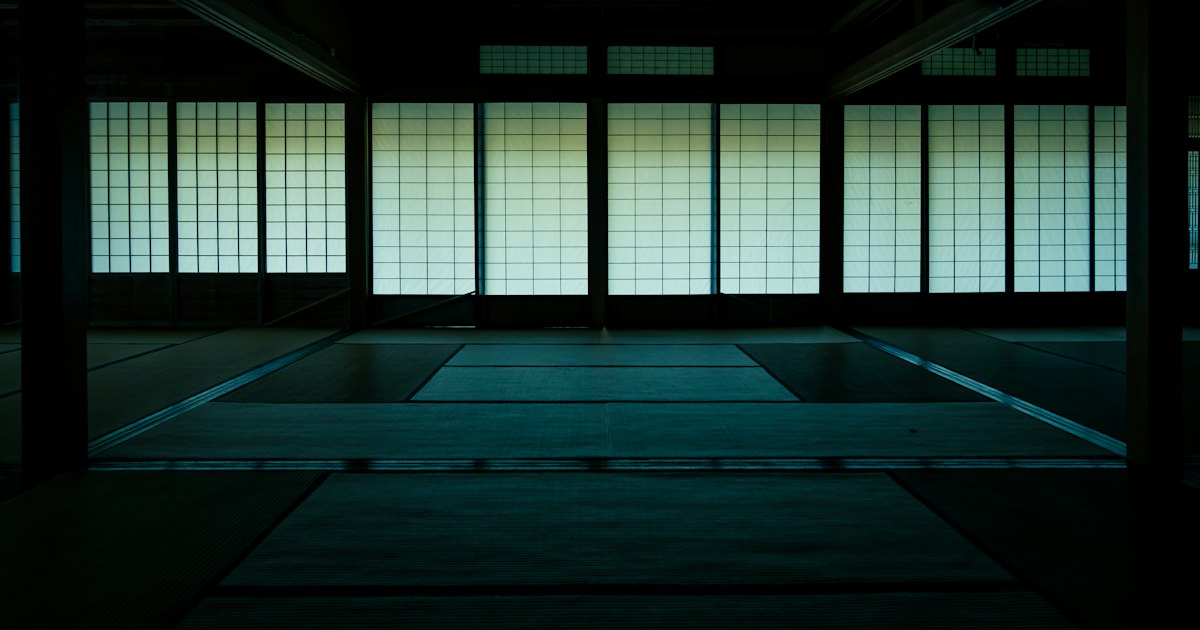
Photo by Diego Guzmán on Unsplash
If you’re renting a Japanese apartment with even one tatami room, you’ll eventually face the question every long-term tenant runs into: the mats are fading, smelling faintly of mildew, or fraying at the edges, and you’re not sure whether that’s your problem to fix, how much it costs, or who you even call. Tatami maintenance is one of those quietly essential parts of living in Japan that almost no English-language resource explains clearly. Here’s what actually happens, what it costs, and how to avoid the mistakes that cost renters their deposits.
The Three Levels of Tatami Service — They’re Not the Same Thing
Tatami shops (tatami-ya, 畳屋) offer three distinct services, and knowing which one you need saves real money:
- Ura-gaeshi (裏返し) — flipping the mat to expose the unused underside of the rush weave. Only possible if the mat is less than about 4-5 years old and was woven with rush on both faces (most mass-market tatami today is). This is the cheapest fix and looks almost like new if the mat hasn’t been sun-bleached unevenly.
- Omote-gae (表替え) — replacing just the woven rush surface (omote) and the cloth edging (heri), while reusing the existing core (doko). This is the standard “re-covering” job most renters end up booking.
- Shin-cho (新調) — a brand new mat, core and all. Needed when the core has gone soft, uneven, or water-damaged.
What It Actually Costs
Prices vary by region, rush quality, and whether the core is standard straw-and-insulation board (most common now) or genuine all-straw. As a rough guide per standard-size mat (roughly 90 x 180cm, one “jo”):
- Budget — Ura-gaeshi flip: around ¥2,500–¥4,000 per mat. Fastest and cheapest, but only an option on younger mats.
- Mid-range — Omote-gae with standard Chinese or domestic blended rush: roughly ¥4,000–¥7,000 per mat.
- Splurge — Omote-gae with premium domestic rush (Kumamoto-grown igusa is the benchmark, prized for color retention and scent) or full shin-cho replacement: ¥8,000–¥15,000+ per mat, sometimes more for thicker, higher-density cores.
Most six-mat rooms therefore run somewhere between ¥25,000 and ¥60,000 for a full omote-gae job, plus a callout/pickup fee in some areas (often waived if the shop is nearby). Get a written quote before committing — reputable tatami-ya will measure on-site for free.
Best Timing: Don’t Book in the Rainy Season
Tatami-ya get their biggest rush in late autumn through early winter, as households re-cover ahead of New Year house-cleaning (osoji) — see our guide on why Japan shuts down for New Year for why that period gets booked solid. If you want a slot, call in September or October rather than waiting until December.
Avoid scheduling work during the rainy season (tsuyu, roughly mid-June to mid-July) or Japan’s humid midsummer. Fresh rush needs to dry out and settle; installing it into a damp room invites the exact mold problem you’re probably trying to fix in the first place. Early spring (March–April) or crisp autumn (October–November) are the ideal windows — both for drying conditions and for avoiding the year-end rush. If your current mats already smell musty, a dehumidifier running in that room for a few weeks before the job can meaningfully cut down surface mold the shop has to deal with.
How to Find and Book a Tatami-ya
Standalone tatami-ya still exist in most cities and suburbs — look for a shop with a sign reading 畳 and often a wholesaler smell of fresh rush drifting from the doorway. Opening hours are typically 9:00–18:00, closed Sundays or one weekday, very much a small-business schedule rather than retail hours. Many don’t have English-language websites; the fastest route for non-Japanese speakers is:
- Ask your real estate agent or property management company directly — many have a tatami-ya they already use for the building, which simplifies scheduling and billing.
- Search Google Maps for “畳 [your ward/city name]” — reviews and photos usually give a sense of quality even if the listing itself is Japanese-only.
- Large home centers (Shimachu, Komeri, Cainz) in suburban and rural areas often run a tatami re-covering counter or can arrange a contractor visit — convenient if you’re outside a city center.
Turnaround is usually 1–3 days once the shop collects the mats, since the core stays with you less time than you’d expect — many shops swap in loaner mats or do it room-by-room so you’re never without flooring overnight.
The Renter-Specific Rules That Catch People Out
Before booking anything, check your lease (chintai keiyaku). In most standard Japanese rental contracts, tatami re-covering at move-out is explicitly the landlord’s or management company’s responsibility under normal wear-and-tear (tsuujou no shimou) — you shouldn’t be billed for it just because the mats faded over a few years of normal living. However, damage from pet claws, spilled liquids left to soak in, or furniture left sitting in one place for years (which crushes and discolors the weave) is typically billed to the tenant at move-out under the Ministry of Land, Infrastructure, Transport and Tourism’s restoration-cost guidelines.
If you want to proactively re-cover tatami mid-tenancy for your own comfort, get written confirmation from your landlord or agent first — doing unapproved work on a rented structure, even cosmetic, can complicate your deposit return later. This is the same instinct worth applying to anything else that affects shared or landlord-owned infrastructure in a rental — similar to the quiet-hours expectations covered in our piece on Japan’s apartment noise rules: unwritten norms matter as much as the contract text.
Common Mistakes Long-Term Renters Make
- Dragging furniture across tatami instead of lifting it. This is the single biggest cause of premature wear and is almost always billed to the tenant as damage, not normal use.
- Keeping heavy furniture in one spot for years. Rotate rugs, futons, or furniture placement periodically — permanent indentations don’t bounce back with a flip or re-cover.
- Ignoring musty smell until mold sets in. Tatami is porous rush over a fibrous core; moisture gets trapped and mold can migrate into the core, turning a cheap ura-gaeshi flip into an expensive shin-cho replacement. Air the room and run a dehumidifier during tsuyu.
- Laying a futon directly on tatami every night without airing it. Trapped moisture under bedding is one of the most common causes of localized mold spots. If you sleep on tatami regularly, picking the right futon weight for the season and airing it out each morning does more for your tatami’s lifespan than any repair service will.
- Assuming all tatami-ya speak English or take walk-ins. Most are appointment-based, Japanese-only small shops — go through your agent or use a translation app to call ahead.
Handled on the right schedule and through the right channel, tatami maintenance is a minor, predictable cost — not the mysterious deposit-eating surprise it feels like the first time you notice a mat going soft underfoot.