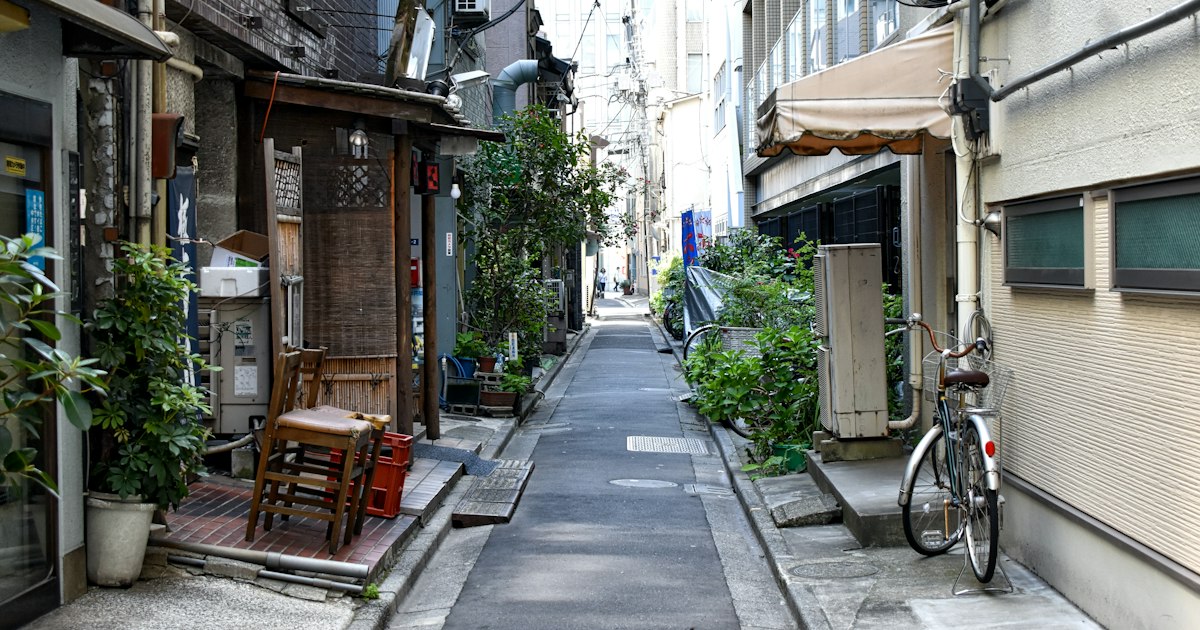
Photo by Rob Maxwell on Unsplash
If you’re staying in Japan for more than a few weeks — studying, working, or just settling into a rental apartment with a kid in tow — a mamachari (the sturdy, upright “mom’s bike” with a front basket and often a child seat or two) stops being a novelty and starts being essential infrastructure. Buying new runs anywhere from 15,000 yen for a bare-bones model to well over 100,000 yen for an electric-assist cargo version with two child seats. Buying secondhand can cut that by half or more, but mamachari-shaped cargo bikes carry a few Japan-specific traps that trip up newcomers: a registration system most tourists have never heard of, batteries that quietly die, and tires that look fine but crumble under load. Here’s what actually matters before you hand over cash.
Why a Secondhand Mamachari Makes Sense
Mamachari are built for exactly the kind of daily grind that short-term rentals, commuting, and grocery runs demand — low gearing, a sturdy kickstand that holds the bike upright while loaded, and a basket or child seats front and back. The “cargo” versions with electric assist (denki assist jitensha) are the ones parents actually use to haul two kids and a week of groceries up a slope, and they’re also the ones that lose the most value fastest, which is good news for a secondhand buyer. A three-year-old Panasonic Gyutto or Bridgestone Bikke that cost 100,000+ yen new can often be found for 35,000–55,000 yen in decent condition, because Japanese sellers replace bikes often and rarely haggle hard on something they just want gone before a move.
Where to Actually Find One
Local recycle shops (chari-ya or general secondhand chains with a bicycle corner) are the safest starting point because reputable ones already handle the registration transfer for you — ask for a shop with a “jitensha” (bicycle) section specifically, not just any recycle shop. Shutaro, Cycle Base Asahi outlets, and independent neighborhood bike shops near train stations frequently stock used mamachari, sometimes refurbished with new tires and a tune-up included in the price.
For a wider selection and lower prices, Mercari and Rakuma are where most individual sellers list bikes — see our guide to Rakuma vs Mercari for which app tends to have better deals in which categories. Bicycles are almost always listed as jika uketori (pickup only) because of their size, so you’ll need to arrange a meetup, usually near the seller’s station. The best timing window is late February through March, when students and transferred workers are moving out before the new fiscal year and want bikes gone fast — some are even given away free on local “sayonara sale” Facebook groups aimed at departing expats.
What It Should Actually Cost
- Budget (5,000–15,000 yen): A basic non-electric mamachari, 3-speed, from a recycle shop or private seller. Fine for flat areas and no cargo beyond a basket.
- Mid-range (20,000–40,000 yen): Non-electric cargo mamachari with a reinforced frame and front-and-rear child seats, or an older electric-assist model with a tired but still-functional battery.
- Splurge (40,000–65,000 yen): A well-maintained electric-assist cargo bike (Panasonic, Bridgestone, or Yamaha) under five years old with a battery that still holds a meaningful charge — these are the ones that make hilly neighborhoods bearable with two kids aboard.
Anything priced noticeably above these ranges at a shop catering to tourists is a markup, not a bargain — walk a few more blocks to a regular neighborhood shop instead.
The Pre-Purchase Checklist
Inspect these before any money changes hands, ideally outdoors in daylight:
- Tires: Check sidewalls for hairline cracks, not just tread depth — mamachari tires perish from UV exposure even when barely ridden, and a bike that’s sat outside for two years can have tires ready to fail under cargo weight.
- Chain and frame rust: Light surface rust on the chain is normal and fixable with oil; flaking rust on the frame tubes or around the welds, especially near the rear rack, suggests the bike lived outdoors uncovered and may have weakened joints.
- Battery health (electric-assist only): Ask the manufacture date on the battery pack, not just the bike. Lithium battery performance drops sharply after 4–5 years, and a replacement pack costs 15,000–25,000 yen — factor that into your offer, or walk away if the seller can’t tell you the battery’s age.
- Child seat straps and shell: Look for a JIS compliance mark, cracked plastic, or frayed harness straps. These aren’t a place to compromise.
- Brakes, bell, and lights: Squeeze both brake levers, ring the bell, and spin the front wheel to confirm the dynamo or battery light works — Japanese traffic law requires a working front light after dark, and police checks do happen.
- Center kickstand stability: Load-bearing cargo bikes use a double-leg center stand. Make sure it holds the bike firmly upright without tipping when you push on the handlebars — a wobbly stand with a loaded child seat is a real hazard.
The Registration Step You Cannot Skip
Every bicycle sold in Japan is supposed to carry a bōhan tōroku (防犯登録) crime-prevention registration sticker, tied to the original owner’s name through local police records. When you buy secondhand, that registration needs to be transferred into your name — skip this and you risk being stopped and questioned by a police officer doing a routine bicycle check, since an unregistered or mismatched bike is the first thing they look for, foreigners included.
Ask the seller for a jōto shōmeisho (transfer certificate) or at minimum a dated receipt with their name, and bring your residence card. Most neighborhood bicycle shops will transfer the registration for around 500–700 yen if you bring the bike, the old registration info, and ID. If you buy from a recycle shop, ask them to handle the transfer as part of the sale — reputable ones do this automatically and will say so without being asked.
Common Mistakes Buyers Make
- Buying sight-unseen through an online listing’s photos alone. Tire cracks, rust, and battery swelling rarely show up clearly in listing photos — always inspect in person before paying.
- Forgetting the registration transfer entirely. This is the single most common issue for foreign residents and the easiest to fix if you just ask at purchase time.
- Not negotiating down for a dead or dying battery. Sellers often price electric-assist bikes as if the battery is new; if it’s five-plus years old, treat it as a bike you’ll need to spend 15,000+ yen on soon.
- Paying in cash for a private sale without getting any paper record. Keep a photo of the receipt or chat transcript — it’s your only proof of legitimate ownership if questioned later, and if your card gets declined or frozen mid-trip for an unrelated reason, see our guide on emergency card replacement in Japan so a payment hiccup doesn’t derail the sale.
Once you’ve got the bike settled and registered, the rest of apartment life tends to follow the same “learn the local system” pattern — figuring out how the gas water heater panel actually works or why everyone seems to own a dehumidifier comes with the same territory. A good secondhand mamachari, properly checked and registered, will likely outlast your stay and still be worth something when it’s your turn to sell it on.