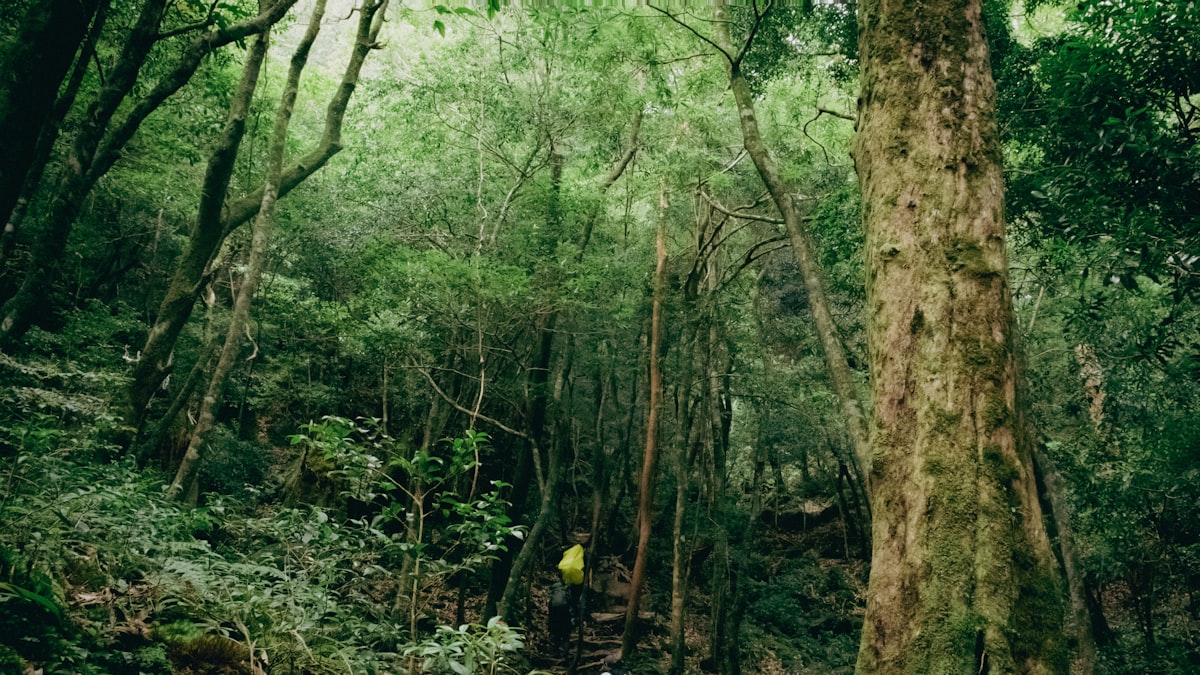
The Kumano Kodo is an ancient network of pilgrimage trails through the forested mountains of the Kii Peninsula — one of the world’s few UNESCO-listed pilgrimage routes. Here’s how to walk it.
What it is
For over a thousand years, pilgrims have walked these mossy stone paths to the three Kumano grand shrines (Kumano Sanzan). Today it’s a soul-restoring hike through cedar forests, past small shrines, teahouses, and hot springs.
Popular routes
- Nakahechi — the most popular route, with good infrastructure and manageable day sections.
- Kohechi & Ohechi — tougher, remote routes for experienced hikers.
- Many walkers do 2–4 days, staying in guesthouses (minshuku) along the way.
Highlights
- Kumano Nachi Taisha & Nachi Falls — Japan’s tallest waterfall beside a pagoda.
- Hongu Taisha & Oyunohara — the giant torii gate.
- Yunomine & Kawayu Onsen — soak your tired legs in riverside hot springs (see onsen etiquette).
Planning tips
- Book lodging in advance — small guesthouses fill up; luggage-shuttle services help you walk light.
- Bring proper hiking gear and rain protection; see our packing list.
- Combine with a temple stay at Koyasan — the two UNESCO sites connect via the Kohechi.
Getting there
Access via Kii-Tanabe or Shingu, reachable from Osaka/Kyoto. It’s remote — carry cash and check bus times. A tranquil counterpoint to the cities in any longer itinerary.
How long it takes & what it costs
- A full Nakahechi through-hike (Takijiri to Hongu) typically takes 3-4 days of walking, averaging 4-7 hours a day; a popular shorter taste is the 1-day Takijiri-to-Chikatsuyu or Hosshinmon-oji-to-Hongu section (about 2-3 hours, mostly flat).
- Minshuku and small guesthouses along the trail run roughly JPY 8,000-15,000 per person per night with two meals included — book directly or through the Tanabe City Kumano Tourism Bureau, which specializes in foreign visitors.
- Luggage-shuttle services between lodges cost around JPY 1,000-2,000 per bag per transfer, which is what makes multi-day walking practical without a full pack.
Best season & what to avoid
- Spring (April-May) and autumn (October-November) offer the most comfortable hiking temperatures and the best foliage or greenery.
- Summer is hot, humid, and brings the risk of typhoons along this stretch of coast; winter sections can ice over at higher elevations, so check conditions before a winter attempt.
- The trail is far less crowded than Japan’s famous city sights even in peak season — but that also means fewer amenities, so plan meals and water stops around what the trail actually offers rather than assuming convenience stores nearby.
Common first-timer mistakes
- Underestimating the terrain — sections are genuine forest trail with roots, stone steps, and elevation change, not paved paths; trail runners are fine for easy days, but proper hiking shoes matter for the steeper stretches.
- Not booking lodging far enough ahead — there are only a handful of rooms per village, and they fill months out in peak spring and autumn weeks.
- Forgetting cash — many minshuku, teahouses, and vending machines along the route do not take cards.
Budget, mid-range & splurge options
- Budget: minshuku with shared bathrooms and simple meals, walking the shorter Hosshinmon-oji-to-Hongu section as a day hike rather than the full multi-day route.
- Mid-range: a 2-3 night guided or self-guided package with luggage forwarding included, staying in family-run guesthouses along the Nakahechi.
- Splurge: finishing the walk with a night at a high-end onsen ryokan in Kawayu or Yunomine with a private riverside bath to soak out the soreness.
What to pack for the trail
Beyond hiking shoes, pack a rain shell (mountain weather changes quickly even in good forecasts), a headlamp for early starts, hiking poles if your knees need help on the steeper descents, and enough small-denomination cash for teahouses that only take exact change. Phone signal is patchy in the deeper forest sections, so download offline maps before you set out and let your accommodation know your rough arrival time each day.