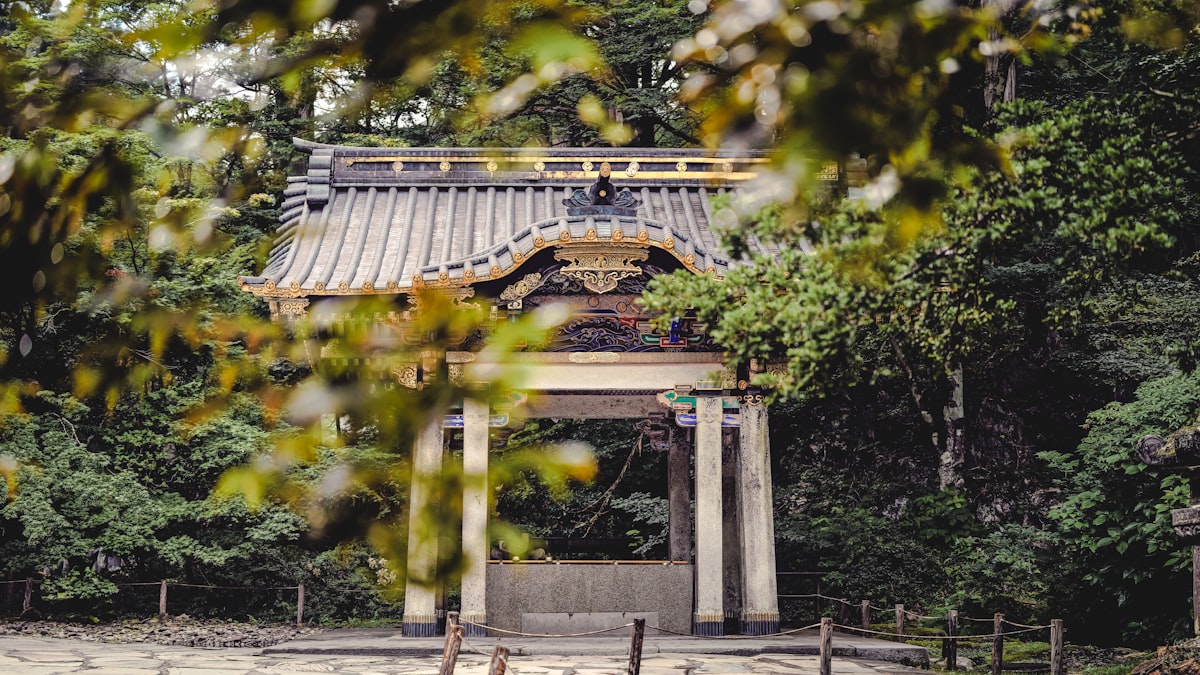
Nikko is one of the best day trips (or overnights) from Tokyo — a mountain town where ornate shrines meet waterfalls, lakes, and hot springs. Here’s how to do it.
What to see
- Toshogu Shrine — the lavishly decorated mausoleum of shogun Tokugawa Ieyasu; look for the famous “hear/see/speak no evil” monkeys and the sleeping cat.
- Rinnoji Temple and the surrounding UNESCO-listed shrine complex.
- Shinkyo Bridge — the iconic vermilion bridge over the river.
- Kegon Falls — a dramatic 97-meter waterfall near Lake Chuzenji.
- Lake Chuzenji & Irohazaka — a scenic highland area up a hairpin road (spectacular in autumn).
Day trip vs overnight
You can see the shrines as a day trip, but adding the lake and falls (a bus ride up the mountain) makes for a long day — an overnight lets you enjoy the highlands and an onsen too. See other day trips from Tokyo.
Getting there
- From Tokyo (Asakusa), the Tobu line runs direct to Nikko in about 2 hours; JR routes also work with the JR Pass.
- Consider a Nikko area pass if you’ll use the local buses to the lake and falls.
- Buy an IC card for the trains.
When to go
- Autumn is legendary for foliage — and very busy; go early. See autumn leaves in Japan.
- Spring and summer are lush and cooler than the city.
- Winter is cold and snowy up the mountain — beautiful but check bus schedules.
Tips
- Start early — the shrines and the mountain together fill a full day.
- The Irohazaka road and buses get congested in peak autumn weekends.
- Bring layers; the highlands are much cooler than Tokyo. Add it to your itinerary.
What things cost
- A combined ticket for Toshogu, Rinnoji, and Futarasan shrines runs about JPY 1,300-1,600, cheaper than paying each entry separately if you plan to see all three.
- The bus up to Lake Chuzenji and Kegon Falls (via the famous Irohazaka switchback road) costs around JPY 1,150-1,700 one-way from Nikko Station, plus a further JPY 570 for the elevator down to Kegon Falls’ base viewing platform.
- An overnight stay at a Nikko-area onsen ryokan runs JPY 15,000-30,000 per person with dinner and breakfast, a comfortable way to split the shrine complex and the highlands across two more relaxed days.
Common mistakes to avoid
- Underestimating Irohazaka’s traffic on autumn weekends — the switchback road up to the lake becomes a genuine bottleneck during peak foliage, sometimes adding an hour or more to what’s normally a 45-minute bus ride; a weekday visit avoids most of this.
- Trying to see the shrine complex, the lake, and the falls all in one rushed day trip — it’s technically possible but leaves little time to enjoy any single stop; an overnight is genuinely worth it here more than at many other day-trip destinations.
- Skipping the sleeping cat carving at Toshogu because it’s small and easy to miss — it’s one of the shrine’s most famous details, tucked above a side gate, and worth specifically looking for.
Combining Nikko with an onsen stay
Nikko’s Yumoto Onsen area, further up the mountain past Lake Chuzenji, offers a genuinely quiet alternative to Hakone’s busier hot-spring scene — a good pick if your Tokyo itinerary already includes a different onsen town and you want variety rather than repetition on a longer trip.
Nikko in each season
Spring brings fresh greenery and thinner crowds than autumn’s famous foliage rush, summer offers a genuinely cool escape from Tokyo’s heat given the elevation, and winter transforms the highlands into a quiet, snow-dusted scene — each season gives a meaningfully different character to the same shrine complex, worth considering if autumn dates aren’t an option.