Sado Island, off the coast of Niigata Prefecture in the Sea of Japan, is Japan’s sixth-largest island and one of its least-visited major destinations. It has a strange, layered history — a place of exile for emperors and monks in the medieval era, then Japan’s largest gold mine for over 400 years — plus rice paddies restored specifically to bring back the crested ibis, and one of the country’s most famous taiko drumming groups. It’s a genuine off-the-beaten-path trip, not a polished tourist stop, and that’s the appeal.
A quick history
For centuries, Sado was Japan’s official place of exile — Emperor Juntoku and the Buddhist monk Nichiren were both sent here, which left the island with an unusually dense concentration of temples and shrines for its size. Everything changed in 1601 with the discovery of gold at Aikawa, and the Sado Gold Mine became the largest in Japan, operated continuously until 1989. The mine complex and its surrounding mining town were inscribed as a UNESCO World Heritage Site in 2024, giving the island a fresh reason to visit.
What to see and do
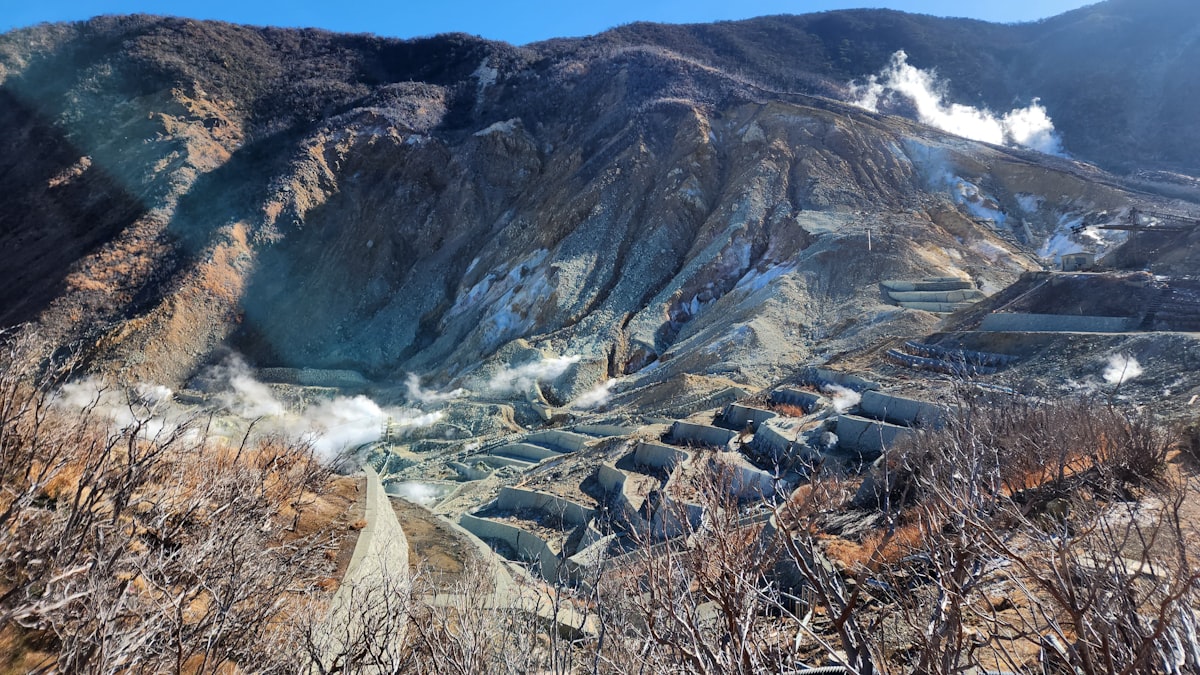
- Sado Gold Mine (Sado Kinzan) — walk through actual mining tunnels dating from the Edo period, with animatronic dioramas showing historical mining techniques, plus the newer Doyu-no-Warito open-pit site, a dramatic V-shaped cleft carved into the mountain by centuries of digging.
- Taraibune (tub boats) — round, tub-shaped wooden boats originally used by local women to gather seaweed and shellfish among the rocky coves near Ogi; short rides are now a popular, slightly whimsical tourist activity.
- Toki Forest Park — dedicated to the crested ibis (toki), a bird that went extinct in the wild in Japan before a captive-breeding and reintroduction program on Sado brought it back; you can see the birds up close and, with luck, spot reintroduced ones in the surrounding rice paddies.
- Sado’s rice and sake — the island’s ibis-friendly farming methods (avoiding pesticides to protect the birds’ food source) have become a selling point for its rice, and several small breweries produce sake worth seeking out; if you’re building out a sake trip, pair this with our sake guide.
- Ogi and traditional villages — quiet fishing towns and the Shukunegi preserved district, a cluster of Edo-period wooden houses built by shipwrights, packed tightly into a narrow cove.
- Kodo — the world-renowned taiko drumming ensemble is based on Sado and trains at a dedicated village on the island; their summer Earth Celebration festival draws visitors from well beyond Japan, though tickets and accommodation sell out months ahead.
Getting there
- By ferry from Niigata — the main gateway. A car ferry takes about 2.5 hours to Ryotsu port; a faster jetfoil covers the same route in around 1 hour.
- By ferry from Naoetsu (Joetsu, south of Niigata) — a car ferry runs to Ogi port, seasonally, taking roughly 2 hours 40 minutes.
- Reaching Niigata — the Joetsu Shinkansen connects Tokyo to Niigata Station in about 2 hours; from there it’s a short bus or taxi to the ferry terminal.
Getting around the island
Sado is large — about the size of Tokyo’s 23 wards combined — and public transport is sparse. A rental car is by far the easiest way to see more than one corner of the island in a day; cars can be rented at the ferry terminals in Ryotsu or Ogi. Limited bus routes connect the main towns for travelers without a license, but expect long waits between services, and plan around the timetable rather than around your itinerary.
Planning your visit
- How long to stay — a rushed day trip from Niigata is possible for the gold mine alone, but two nights lets you cover the mine, the toki park, and at least one coastal village without rushing between ferry times.
- Best time to visit — late spring through early autumn for the mildest weather and calmest ferry crossings; the Sea of Japan side can get rough and cold in winter, and some ferry schedules are reduced.
- Where to stay — Ryotsu and Aikawa have the most accommodation options, from business hotels to small family-run inns; compare options on Booking.com before you go, since choices thin out compared to mainland cities.
- Budget — the gold mine entry runs around 1,300 yen, taraibune rides around 800–1,000 yen per person, and a rental car for a full day is typically 6,000–9,000 yen — reasonable compared to more touristed regions.
Who it’s for
Sado isn’t a first-Japan-trip destination — it rewards travelers who’ve already covered Tokyo and Kyoto and want somewhere genuinely quiet, with real history and no crowds. If you’re already planning a Niigata detour (skiing in winter, or the Echigo-Tsumari art triennial in summer), adding two or three days on Sado turns a regional trip into something memorable rather than a simple add-on.