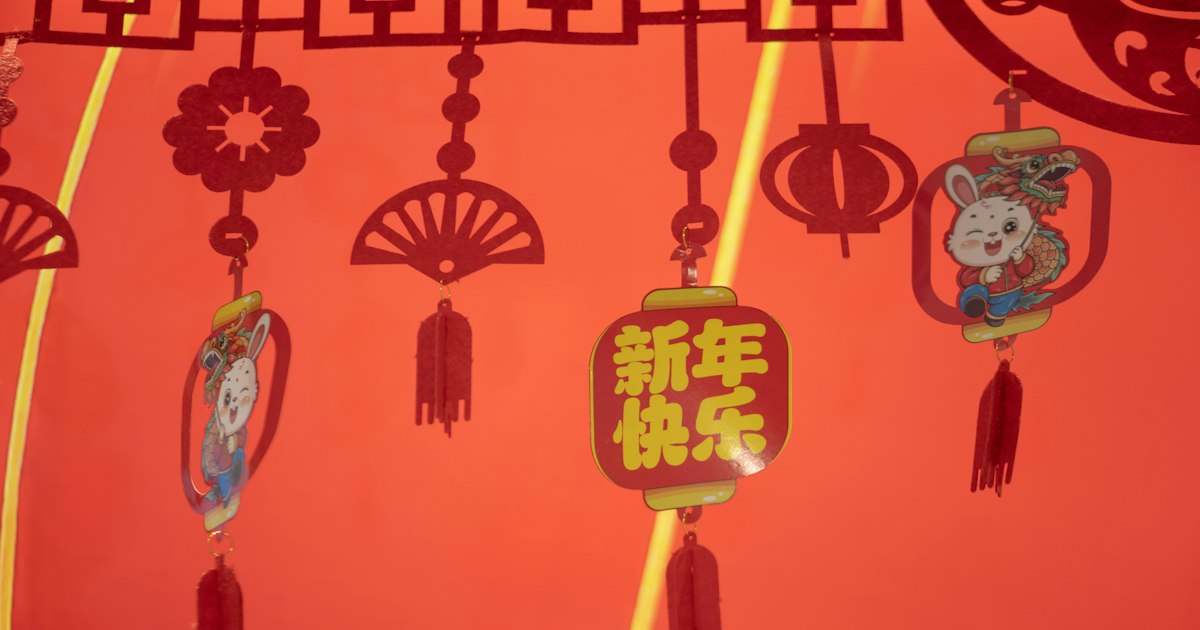
Photo by Shawn Rain on Unsplash
Walk into almost any Japanese shop in November or December and you’ll notice the same creature popping up everywhere — on postcards, ceramic figurines, cookies, and shrine charms. That’s eto (干支), Japan’s twelve-year zodiac cycle, and it drives one of the most visible and shoppable seasonal traditions in the country. If you’re visiting Japan over the New Year period, understanding eto will help you make sense of the goods filling store shelves and let you bring home something more meaningful than a generic souvenir.
What Is Eto, and Why Does It Take Over Every Shop in December?
Eto assigns one of twelve animals to each year in a repeating cycle: Rat (ne), Ox (ushi), Tiger (tora), Rabbit (usagi), Dragon (tatsu), Snake (mi), Horse (uma), Goat/Sheep (hitsuji), Monkey (saru), Rooster (tori), Dog (inu), and Boar/Pig (i). The animal isn’t just a horoscope curiosity here — it’s treated as the unofficial mascot of the year, printed on New Year’s cards, bank calendars, confectionery boxes, and shrine amulets nationwide. As 2026 (the Year of the Horse) winds down, shops are already stocking goods for 2027, the Year of the Goat/Sheep (hitsuji), which makes late November through December the exact window to see both the outgoing and incoming animal on shelves side by side.
The custom has roots in the Chinese zodiac but has been localized into distinctly Japanese forms — ceramic figurines, origami, and above all, nengajou New Year’s postcards, which almost always feature that year’s animal in some stylized, often adorable, form.
Nengajou: The Postcards That Define the Season
Nengajou are New Year’s greeting postcards mailed to arrive on January 1st, and they’re the single biggest eto-driven purchase most Japanese households make. Japan Post sells official pre-stamped nenga hagaki (New Year’s postcards) at any post office from early November through late December for ¥85 each (the standard postcard rate) — many come with a built-in lottery number for a small New Year’s prize drawing. Stationery shops, Loft, and convenience stores also sell blank or pre-designed nengajou sets featuring that year’s zodiac animal, typically ¥300–800 for a pack of 5–10 cards.
Timing tip: Post your own nengajou by December 25th if you want them to arrive by New Year’s Day — Japan Post guarantees delivery for cards posted within that window. If you’re only in Japan briefly, buying a few as design souvenirs (rather than mailing them) is a nice, flat-packable gift option.
Where to Buy Eto-Themed New Year Goods
Budget (¥100–500): Daiso is the easiest starting point — eto figurines, chopstick rests, stickers, and mini ornaments featuring the year’s animal appear on seasonal end-caps from early November and sell out by late December. These are exactly the kind of short-window items covered in our guide to Daiso’s seasonal-only products — if you see it, grab it, because it won’t be restocked once the New Year display comes down in early January.
Mid-range (¥1,000–4,000): Loft and Hands (formerly Tokyu Hands) run dedicated New Year’s zakka sections with higher-quality ceramic zodiac figurines, hand towels, and seasonal tableware. The Shibuya Loft (open 11:00–21:00, directly connected to Shibuya Station) and Ginza Loft are reliable for this. Starbucks Japan and department store cafes also release zodiac-themed mugs and tumblers each December, usually ¥1,800–2,600, which sell out fast among collectors.
Splurge (¥8,000+): Traditional craft regions produce collectible eto figurines in clay, wood, or lacquer — Kyoto’s Fushimi clay dolls and Hakata ningyo from Fukuoka both issue an annual zodiac piece aimed at serious collectors, often ¥8,000–30,000 depending on the artisan. These are sold at specialty craft shops and department store craft floors (depachika-adjacent craft sections), not souvenir stands, so ask staff specifically for “eto no okimono.”
Shrines, Ema, and the Zodiac at Hatsumode
Hatsumode — the first shrine or temple visit of the New Year, typically made January 1st–3rd — is where eto imagery is most concentrated. Shrines sell wooden ema plaques (around ¥500–800) pre-painted with the year’s zodiac animal, on which visitors write a wish before hanging them on a dedicated rack. Omamori charms (¥500–1,000) and hamaya ceremonial arrows are also often decorated or boxed with zodiac motifs for the year. Major shrines like Meiji Jingu in Tokyo or Fushimi Inari in Kyoto draw enormous crowds in the first three days of January specifically for this; if you want the goods without the crush, visiting on January 4th–7th gets you the same stock with a fraction of the line.
Some visitors mark the first shrine visit by wearing kimono. If you’re considering that, it’s worth knowing the formality rules — our guide to furisode, houmongi, and tomesode explains why younger women are often seen in furisode specifically around New Year and the January Coming-of-Age Day (Seijin no Hi), the second Monday of January. If you’re a larger-size visitor hoping to rent something for the occasion, see our piece on plus-size kimono and yukata rental for shops that stock bigger sizes — standard rental counters near shrines frequently run out of larger options first during this peak season.
Eto in Food: Sweets and Treats Shaped Like the Year’s Animal
Japanese confectionery makers treat the zodiac animal as a design brief every December. Depachika (department store basement food halls) in Tokyo and Osaka sell wagashi — traditional Japanese sweets — molded or stamped with the year’s animal from early December through early January, usually ¥200–500 per piece or ¥1,500–3,500 for a gift box of six to eight. Look for namagashi (fresh wagashi) counters specifically, as these are the ones that rotate designs seasonally rather than selling a fixed year-round lineup.
If you’d rather make one yourself than just buy it, Japan’s wagashi-making classes are a good match for this trip. As covered in our guide to wagashi-making classes in Kyoto and Tokyo, several studios let you shape and color your own seasonal sweet in a single 60–90 minute session (typically ¥3,000–6,000), and instructors will often adapt the design to that year’s zodiac animal if you visit in December.
Common Mistakes to Avoid
- Buying the wrong year’s design by accident. Stores often sell down the outgoing year’s stock at a discount right alongside the new year’s goods in late December — double-check which animal is printed before buying if the specific year matters to you (for instance, as a birth-year gift).
- Assuming eto goods last all year. Most zodiac-specific merchandise is pulled from shelves by mid-January and isn’t restocked — this is a hard seasonal window, not a year-round product category.
- Skipping the post office for “just a postcard.” Japan Post’s official nenga hagaki are inexpensive, officially licensed, and often the most authentic (and cheapest) zodiac design you’ll find, compared to stationery-shop versions at 3–5x the price.
- Visiting shrines on January 1st expecting a quiet, easy shopping experience. The biggest shrines are genuinely packed for the first three days; if you want ema, omamori, or charms without the wait, go slightly later in January.
Eto is one of those details that’s easy to walk past if you don’t know what you’re looking at, but once you do, it turns a December or January trip into a small scavenger hunt — spot the animal, find the shop, and bring home something that’s genuinely tied to that specific year rather than a generic “Japan” souvenir.