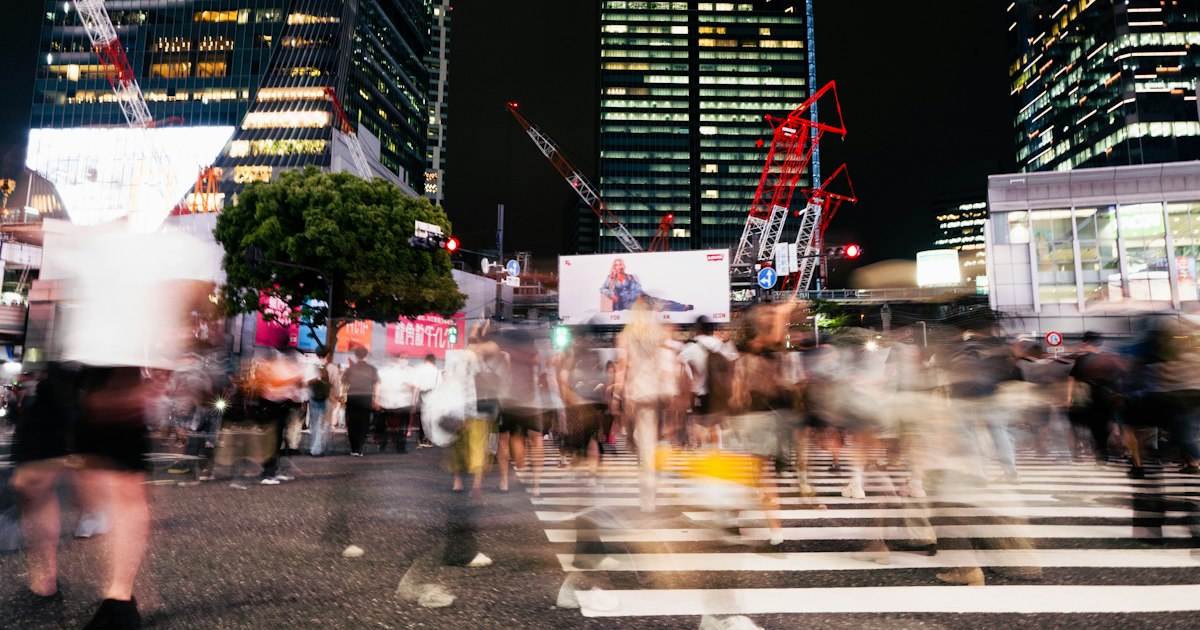
Photo by Ishaan Sen on Unsplash
Japan’s running calendar runs on two very different tracks. On one side are the famous lottery marathons — Tokyo, Osaka, Nagoya — that get tens of thousands of applicants for a few thousand spots. On the other are hundreds of smaller city fun runs, charity 10Ks, and resort-town half marathons that will take your entry the same week you ask. If you’re visiting Japan and want to run while you’re here, knowing which category you’re dealing with saves a lot of wasted hope. Here’s how the system actually works and where a visitor realistically fits in.
The big lottery races: Tokyo, Osaka, Nagoya
The Tokyo Marathon (early March) is the one most visitors have heard of, and it’s also the hardest to get into. General entry runs through a lottery via the official race site (RUNNET or the Tokyo Marathon portal), with applications opening in July/August the year before and winners notified around October. Entry fees are roughly ¥23,000 for overseas applicants (domestic runners pay less), and the lottery odds have been as low as 1-in-10 to 1-in-12 in recent years — over 300,000 people apply for around 38,000 spots, many of which go to charity-entry runners and local lottery winners first.
Osaka Marathon (late October/November) and Nagoya Women’s Marathon (March, women only) run similar lottery systems with slightly better odds than Tokyo, generally in the 1-in-4 to 1-in-8 range depending on the year. Both also sell a smaller allotment of guaranteed overseas-entry packages through official travel agencies, which cost more (often ¥60,000–¥150,000 bundled with a hotel) but skip the lottery entirely — this is the realistic route for a visitor who wants a big-city marathon on a fixed trip date rather than gambling on a lottery result that arrives months later. If you’re coordinating this with a multi-week stay, a weekly mansion or monthly apartment near the race start is often cheaper than a hotel block for the week surrounding race day.
Charity and guaranteed-entry routes
Every major lottery marathon reserves entries for runners who commit to fundraising for an official charity partner — for Tokyo Marathon this is typically a minimum donation around ¥120,000–¥140,000 (varies by charity and year) in exchange for a guaranteed bib, no lottery required. It sounds steep, but compare it to the odds: if you only have one shot at visiting Japan during marathon season, paying for certainty can be worth it. Applications for charity entries usually open earlier than the general lottery and fill up, so check the official race charity page as soon as dates are announced, not after the general lottery results come out.
Smaller city fun runs don’t need a lottery
This is the part most visitors miss: outside the three or four headline marathons, almost none of Japan’s races use a lottery. City-run half marathons, riverside 10Ks, and tourism-board fun runs in places like Kamakura, Yokohama, Beppu, and dozens of smaller cities open entries on a first-come basis, often months in advance, and foreigners are welcome. Entry fees are modest — typically ¥3,000–¥6,000 for a 10K, ¥6,000–¥9,000 for a half marathon — and you register directly through sites like RUNNET or Sports Entry (both have English-adjacent interfaces, though Google Translate on the browser helps). These races rarely sell out instantly, so booking 2-3 months ahead is usually enough.
Local tourism offices and hotels sometimes know about these races before they’re widely listed online, so if you’re already using a travel agent or a local booking platform for other activities, it’s worth asking what’s running during your dates — smaller races are often bundled with a local food or sightseeing event at the finish line.
Best season and what to expect on race day
Japan’s running calendar splits around the climate. The main season is autumn through spring — late October through early April — when temperatures sit in a runnable 5–18°C range. Summer races exist but are mostly short evening fun runs (5K “night runs” along rivers or coastlines) because daytime heat and humidity make longer summer races genuinely dangerous; race organizers take this seriously and will cancel or shorten courses if the forecast is bad.
Arrive at the start area early — Japanese races are famously punctual, with corrals closing well before the gun and bag-drop trucks leaving on a strict schedule. Baggage trucks at big marathons move your bag to the finish area, so you don’t need to carry anything, but if your race morning involves a day trip before or after, the station lockers covered in our guide to stashing bags at the station are a good backup when lockers at the venue itself are full, which happens often on race mornings.
Getting to the start line
Most city marathons start near a major station (Tokyo Marathon starts near the Metropolitan Government Building in Shinjuku; Osaka starts near Osaka Castle), and organizers typically ask runners to use trains rather than taxis, since roads close hours before the gun. Buy or top up an IC card before race day — lines at ticket machines on race morning get long, and if your card ever fails to tap through a gate on the way there, our guide on what to do when an IC card won’t open a train gate walks through the fix without costing you your start window. Trains do occasionally run late even on race morning — if that happens, know that a train delay certificate is mostly useful for Japanese commuters’ employers, not for race organizers, so build in buffer time rather than relying on one.
Budgeting the trip around a race
For a budget approach, stick to one of the smaller city races (¥3,000–¥9,000 entry), stay in a business hotel or guesthouse near the start, and eat from convenience stores and supermarkets — the end-of-day discount window described in our jikan wari biki guide is a legitimately good way to stock up on pre-race carbs cheaply the night before. Mid-range runners typically go for Osaka or Nagoya’s general lottery or official travel packages, landing total costs (entry + flights + a few hotel nights) somewhere in the ¥150,000–¥300,000 range. The splurge tier is a guaranteed Tokyo Marathon charity or travel-agency package, which with a central hotel can run ¥300,000–¥500,000+ once flights are included — but it removes all the lottery uncertainty, which for a once-in-a-trip visitor is often the point.
Common mistakes to avoid
- Applying to the Tokyo Marathon lottery expecting a quick answer. Results take months; don’t book non-refundable flights around a lottery entry you haven’t won yet.
- Assuming English support at the expo or start line. Bib pickup instructions, course maps, and announcer updates are often Japanese-first; download the race app and translate the athlete guide in advance.
- Skipping travel insurance that covers race-related injury. Most Japanese race organizers provide basic on-course medical support but not travel insurance — bring your own.
- Underestimating the cold at a March start. Early spring marathons in Japan start chilly; throwaway layers are common and accepted (volunteers collect and donate them) at major races.
- Not checking cutoff times. Japanese marathons enforce strict course cutoffs (often 6-7 hours for a full marathon) with sweep vehicles that pull runners from the course — know your pace before committing to a lottery entry.
Whether you land a Tokyo Marathon bib or just sign up for a ¥4,000 riverside 10K the week you arrive, running gives you a view of a Japanese city most sightseeing itineraries miss entirely — closed streets, cheering crowds, and a finish-line snack table usually involving something distinctly local. Start checking entry calendars as soon as your trip dates are set, since the gap between “lottery closes” and “race day” is where most visitors lose their shot.