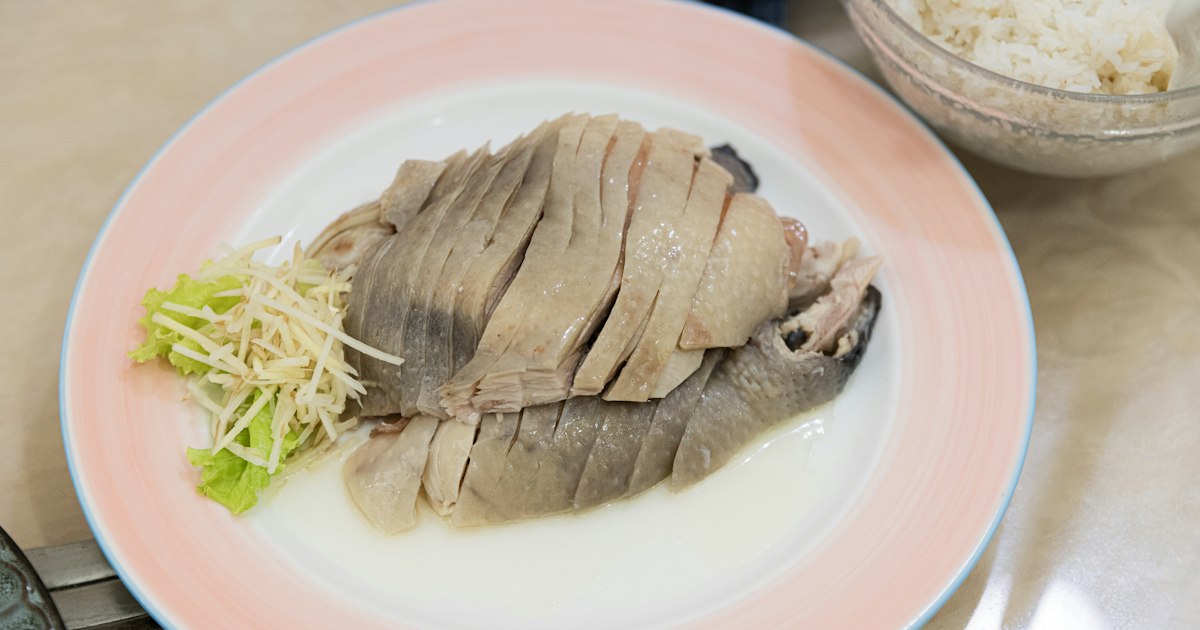
If you’ve eaten at a Japanese teishoku (set-meal) restaurant and seen a thick, glossy fillet of fish sitting in a dark brown sauce next to your rice and miso soup, there’s a good chance it was saba no misoni — mackerel slow-simmered in miso, sugar, sake, and ginger until the flesh falls apart and the sauce turns almost caramel-sweet. It’s one of the most ordinary dishes in Japan, which is exactly why it’s worth seeking out: this is what people actually eat at home, not a dish built for tourists or Instagram.
What Saba no Misoni Actually Is
Saba (mackerel) is simmered whole-fillet in a mixture of miso (usually a blend of red and white), sugar, mirin, sake, and sliced ginger, which cuts the fish’s natural oiliness and rounds out its strong flavor. The result is rich, slightly sweet, and deeply savory — closer to a braise than a soup. Mackerel is an oily, affordable fish in Japan, and this dish is the classic way home cooks tame that oiliness rather than fight it. Good versions use fresh, firm fillets with the skin left on; the skin helps the fillet hold together through a 20-30 minute simmer and adds a little textural contrast.
This is squarely a home-cooking (katei-ryori) dish, not a refined kaiseki one, which puts it in the same category as other dishes built for comfort rather than presentation — similar in spirit to suiton, the hand-pulled dumpling soup from Gunma and Tochigi.
Where to Try It: Teishoku Chains Are Your Best Bet
You don’t need a reservation or a special trip — saba no misoni shows up on the menu at Japan’s major teishoku chains almost everywhere. Ootoya (大戸屋) and Yayoiken (やよい軒) both run it as a rotating or standing set-meal option, typically priced between ¥900 and ¥1,200 for the full set: fish, rice, miso soup, a small side dish, and pickles. These chains are in nearly every mid-sized train station and shopping district, open roughly 11:00 to 22:00 daily, and have English or picture menus in most urban locations, which makes them an easy first stop if you’re nervous about ordering unfamiliar dishes.
Standalone izakaya and small set-meal restaurants (shokudo) near fish markets or in older shopping streets often make a better version, since they tend to simmer the fish in smaller batches rather than holding a large pot all day. If you’re near a fish market — Tsukiji’s outer market in Tokyo or similar markets in port towns — look for shokudo with handwritten menus; saba no misoni is a near-guaranteed menu item at places serving a daily teishoku lunch.
Budget, Mid-Range, and Splurge Options
For a quick, cheap taste, check the prepared-food section (sozai corner) of any supermarket or department store basement (depachika). A single packaged fillet with sauce runs roughly ¥400-¥600, meant to be reheated at a hotel microwave or eaten cold — it’s a decent introduction but won’t have the depth of a freshly simmered version.
Mid-range means the teishoku chains above, or a neighborhood shokudo lunch set for ¥900-¥1,300. For a splurge, look for it as part of a multi-course kaiseki or ryokan dinner, where a small, exceptionally well-balanced portion might appear as one dish among many in a ¥5,000-¥10,000+ course — here the miso glaze tends to be lighter and the fish higher quality, since it isn’t the main event.
Best Season and Timing to Order It
Mackerel has a clear season in Japan: autumn through early winter (roughly October to January) is when saba is fattiest and most flavorful, thanks to the fish bulking up before winter. This is called “aki saba” (autumn mackerel) and is when restaurants are most likely to tout the dish as a seasonal recommendation on handwritten boards. You can still get good saba no misoni year-round since most restaurants use frozen or frozen-at-sea fillets for consistency, but if you want the best version, aim for a trip between October and January, much as you’d time a visit around seasonal tempura menus featuring sansai mountain vegetables in spring.
Order it at lunch if you can. Teishoku chains cycle through daily specials, and the fish set is more reliably available and freshly simmered during the lunch rush (roughly 11:30-14:00) than late at night.
How to Order and Common Mistakes
At a teishoku chain, you’ll usually order by pointing at a food ticket machine or photo menu — look for “さばの味噌煮” (saba no misoni) written out, since “saba” alone might get you grilled salted mackerel (shiozaki) instead, which is a completely different, drier dish.
A few things to watch for:
- Don’t skip the skin. First-timers sometimes peel it off; the skin holds the fillet together and carries a lot of the simmered flavor.
- Watch for small pin bones. Mackerel fillets, even deboned ones, can have a few thin bones near the center — eat slowly, especially with kids.
- The sauce is meant for your rice. Pour or spoon leftover miso sauce over the rice rather than leaving it in the dish; this is standard practice, not bad manners.
- It’s naturally quite salty and sweet. If you’re ordering multiple dishes, pair it with something plain, like plain grilled vegetables, rather than another heavy, sweet-savory dish.
If You Want to Go Further Into Japanese Fish Dishes
Saba no misoni is a gentle entry point if you’re building confidence with Japanese fish before trying more adventurous items. Once you’ve got your footing, dishes like shiokara (salted fermented squid) or shirauo (live dancing whitebait sashimi) sit at the opposite end of the spectrum — far more polarizing, but part of the same izakaya culture that treats fish as something to be eaten whole, simply, and without much fuss. If you’re working your way through an izakaya menu, it’s also worth pairing fish dishes with something like nankotsu, the crunchy fried chicken cartilage skewers that show up on nearly every izakaya menu alongside simmered fish sets.
None of this requires planning ahead — saba no misoni is one of the easiest “real Japan” dishes to stumble into, simply by walking into any teishoku restaurant during lunch and pointing at the right ticket.