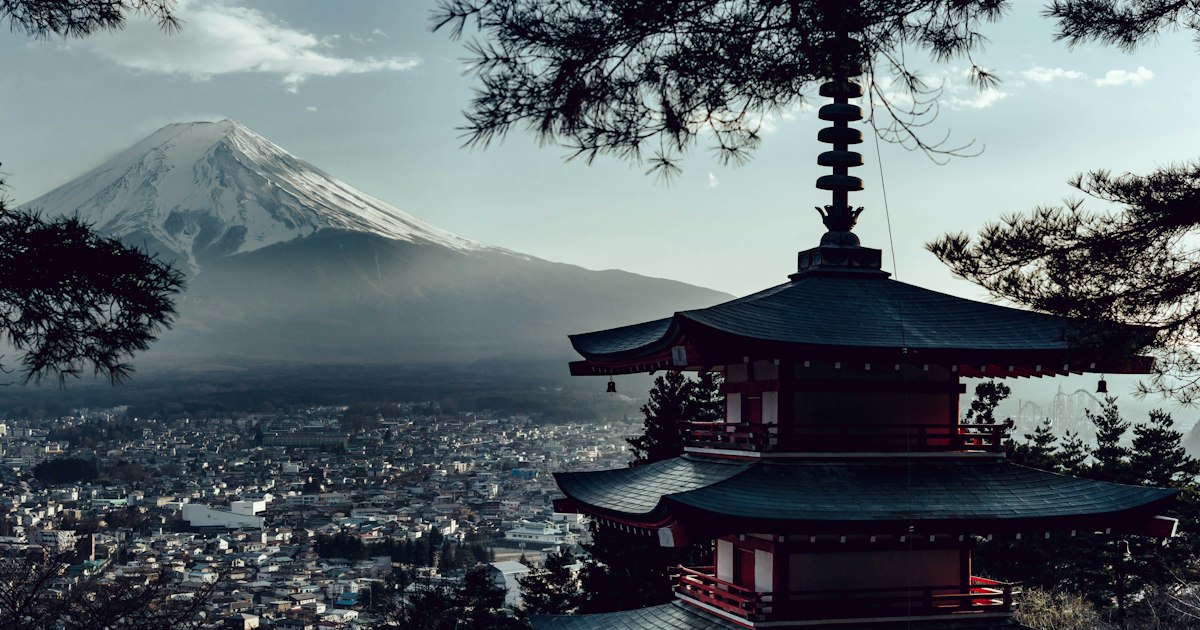
Photo by Gregoire Jeanneau on Unsplash
Perched on a 353-meter mountaintop in rural Hyogo Prefecture, Takeda Castle Ruins (竹田城跡) looks like something out of a fantasy film — a sprawl of stone walls floating above a blanket of cloud, with nothing but valley and forest below. On a good morning, it’s one of the most striking sights in Japan, and because it still sees far fewer visitors than Himeji or Kinosaki, it feels like a genuine discovery. Getting the “castle in the sky” photo takes some planning, though — the clouds are seasonal, the viewpoint is a hike away, and the ruins themselves keep limited hours. Here’s what you need to know.
What Takeda Castle Ruins Actually Is
Takeda Castle was built in the 15th century and rebuilt in stone in the late 1500s under the Toyotomi-era lord Akamatsu Hirohide. It was abandoned in 1600 after the Battle of Sekigahara and never rebuilt, which is exactly why it looks the way it does today — there’s no reconstructed keep, just bare stone ramparts following the natural contours of the ridge, overgrown with grass and open sky. Historians sometimes call it the “Machu Picchu of Japan” for that reason. The ruins sit above the small town of Asago, in the mountainous interior of Hyogo, roughly two hours northwest of Osaka and Kyoto by train.
The Sea of Clouds: When It Actually Happens
The “unkai” (sea of clouds) phenomenon isn’t guaranteed on any given day — it depends on a specific combination of weather: clear skies, high humidity, light wind, and a big gap between daytime and nighttime temperatures. That combination is most common from late September through early December, with October and November generally considered the best window. Early morning is essential — the clouds form overnight in the valley and typically burn off within an hour or two of sunrise, so you want to be in position around sunrise, often as early as 5:30–6:30am depending on the month.
Realistically, plan for a two- or three-night stay in the area if you want a real shot at seeing it, since even in peak season the clouds don’t form every morning. Check the weather forecast the night before — cold, calm, clear nights after a warm day are the best sign. If conditions look wrong, it’s perfectly fine to visit the ruins later in the day instead and just enjoy the walls and the view without the clouds.
Where to Watch From
There are two distinct experiences here, and many visitors do both:
- Standing on the ruins themselves — you walk among the stone walls, but on a cloudy morning you’re inside the cloud layer rather than looking down on it.
- Mt. Ritsuunkyo observation deck — across the valley, facing the castle, this is the classic shot of the ruins floating above the clouds. It requires its own uphill walk (about 30–40 minutes from the trailhead) and a separate admission, roughly ¥300 for adults. During peak unkai season, the narrow mountain road up to the Ritsuunkyo trailhead is often closed to private cars in the early morning, and a shuttle bus or taxi from Takeda Station runs instead — expect to pay somewhere in the ¥500–1,000 range one-way for the shuttle. Confirm current shuttle times locally, since they shift year to year with the season.
If you only have time for one, the Ritsuunkyo view is the one you’ve seen in photos; walking the ruins themselves is better if your main interest is the castle history and the 360-degree valley panorama rather than the clouds specifically.
Getting There
The gateway is Takeda Station on the JR Bantan Line. From Himeji, it’s a direct ride of roughly 1.5 hours on the Bantan Line. From Kyoto or Osaka, take a JR train toward Fukuchiyama and Wadayama (via the Kinosaki Onsen limited express or local connections), then change at Wadayama for the short hop to Takeda — total travel time is typically around two to two and a half hours. There’s no shinkansen access, so build in a full travel day if you’re coming from Tokyo.
From Takeda Station, the castle ruins are reached either by a steep hiking trail directly from town (about 40–50 minutes on foot, with real elevation gain — wear proper shoes, not sandals) or by taxi, which is available from a small taxi stand near the station and takes you most of the way up for around ¥1,500–2,000. There’s no large parking lot right at the summit, so day-trippers driving in should expect to park lower down and walk the last stretch.
Tickets, Hours, and Costs
Admission to the castle ruins themselves is ¥500 for adults (free for junior high age and under), payable at an entrance building partway up the trail. Opening hours vary by season — roughly 8am to 5pm in the warmer months, with shorter hours and earlier closing in winter — and the ruins typically close for a stretch in the coldest part of winter for snow and safety reasons. Because these dates shift slightly year to year, check the official Asago City tourism site or ask at Takeda Station’s tourist information desk for that season’s exact hours before you plan an early-morning visit.
Budget for the day: ¥500 castle admission + ¥300 Ritsuunkyo admission + shuttle/taxi costs, so most visitors spend somewhere between ¥1,500 and ¥3,500 total depending on how much walking versus riding they do.
Common Mistakes to Avoid
- Visiting mid-day in summer expecting clouds. The unkai is an autumn-to-early-winter phenomenon; a July visit will get you the castle but not the cloud sea.
- Underestimating the walk. Both the castle trail and the Ritsuunkyo path are uphill with uneven stone steps, and they’re done in darkness or near-darkness during peak unkai hours. Bring a flashlight or phone light, and dress warmer than you think you need to — mountain mornings in October and November are genuinely cold.
- Not checking the shuttle schedule in advance. If you drive your own rental car and the Ritsuunkyo road is closed that morning, you’ll need to backtrack to the shuttle pickup point, costing you precious cloud-watching time.
- Treating it as a quick stop. Because it’s remote and weather-dependent, Takeda rewards travelers who build in a buffer night rather than a single rushed morning between train connections. If something goes wrong on a remote mountain trail — a fall, an injury, altitude-related illness — it’s worth knowing in advance how to reach help; see our guide to calling 110 and 119 as a tourist.
Where to Stay and What Else to See Nearby
Takeda itself is a tiny town with a handful of guesthouses and small ryokan right near the station — convenient for a pre-dawn start, and budget-friendly at roughly ¥6,000–10,000 a night. For more comfort, the hot spring town of Kinosaki Onsen is about an hour further up the same rail line and makes a good base if you want a proper onsen soak after an early castle morning. For splurge travelers building a broader Hyogo–Kansai nature itinerary, Takeda pairs well conceptually with other dramatic mountain viewpoints covered on this site, like the Shin-Hotaka Ropeway in the Japan Alps or the boardwalk trails of Oze National Park — both reward the same kind of early-start, weather-dependent planning that makes Takeda worth the effort.
Takeda won’t work as a rushed half-day add-on to a Kyoto itinerary, but for travelers willing to chase the right weather window, it delivers one of the most memorable views in Japan — and almost none of the crowds you’d find at a better-known castle.