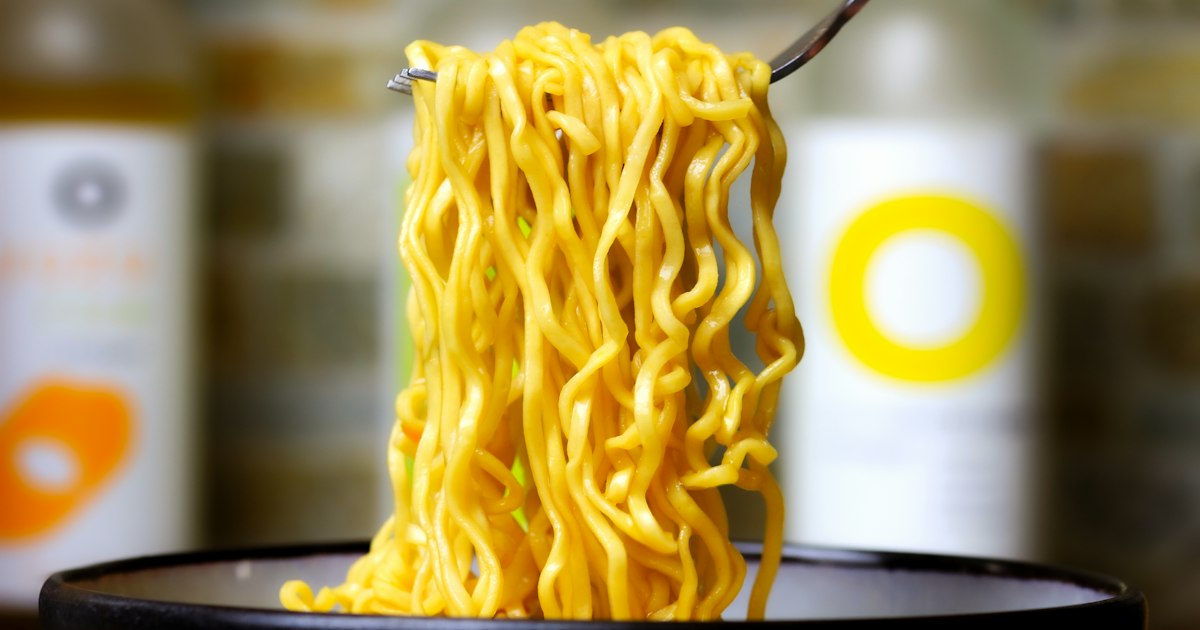
Photo by Mario Verduzco on Unsplash
If you’re in Japan on December 31st, you’ll notice something strange happening around dinnertime: noodle shops fill up, supermarkets sell out of buckwheat noodles by mid-afternoon, and even convenience stores start stocking pre-packaged soba sets days in advance. This is toshikoshi soba — literally “year-crossing noodles” — and it’s one of the few food traditions in Japan that almost everyone, regardless of region or age, still observes. Here’s what it is, why it matters, and how to join in without making the usual tourist mistakes.
What Is Toshikoshi Soba?
Toshikoshi soba is a bowl of buckwheat noodles eaten on New Year’s Eve, typically as a late dinner or a light meal right before midnight. The custom dates back to the Edo period (1603–1868), and the symbolism is baked into the noodle itself: soba strands are long and easy to bite through cleanly, which is said to represent “cutting off” the hardships and bad luck of the old year before the new one begins. A secondary, less consistent belief ties the noodle’s length to wishes for a long life — either way, the point is the same: eat it before midnight, not after. Eating soba after the New Year has already turned is considered to undo the symbolism, so this isn’t a dish you casually order on January 1st for the same effect.
When and Where to Eat It
The tradition is nationwide, but how it’s served varies by region. In Tokyo and much of eastern Japan, toshikoshi soba is often topped with tempura — usually a shrimp (ebi tempura) — making it a slightly indulgent version of an everyday noodle dish. In Osaka and parts of western Japan, you’ll more often see it served simply with kamaboko (fish cake) and scallions in a lighter dashi broth. In Okinawa, soba isn’t even buckwheat — “Okinawa soba” is a wheat noodle, but locals still eat it on December 31st under the same name and tradition.
Timing matters more than toppings: most households and restaurants eat toshikoshi soba in the few hours before midnight, often after returning from shopping or cleaning, and before heading out to a shrine for hatsumode (the first shrine visit of the new year). Many standing soba counters near train stations — the fast, cheap chains like Fuji Soba or Yudetaro — stay open later than usual on December 31st specifically to serve this rush, sometimes until 11pm or later, though hours vary by branch and it’s worth checking the specific location since some close early for staff to get home.
Where to Try It as a Visitor
You don’t need a reservation or a special restaurant — that’s part of the point of this dish. A few realistic options depending on your budget and comfort level:
- Budget (¥390–¥700): Standing soba chains like Fuji Soba, Komeda, or station-based “tachi-soba” counters serve a basic bowl of kake soba (noodles in broth, no toppings) for around ¥390–¥500, with tempura versions running ¥600–¥800. These are self-service, fast, and the most authentic way most Tokyo office workers eat the dish on a normal day — on December 31st itself, expect a line.
- Mid-range (¥900–�v1,800): Sit-down soba restaurants (soba-ya) serve a more refined version with hand-cut noodles, better dashi, and a proper tempura or duck (kamo) topping. Many of these restaurants take pre-orders for toshikoshi soba sets around late December — if you’re staying somewhere with a kitchen or a ryokan, ask the front desk whether a local shop does takeaway orders, as this is extremely common.
- Splurge (¥3,000+): Some high-end soba restaurants, particularly ones specializing in jyuwari soba (100% buckwheat, hand-made), offer a New Year’s Eve course that pairs the noodles with otoshi (small starters), sake, and seasonal sashimi. These usually require a reservation well in advance of December 31st, as tables fill up weeks ahead.
If you’d rather eat somewhere low-key with a local feel afterward, a neighborhood like Sangenjaya has the kind of small, unpretentious noodle and izakaya spots where this tradition plays out every year without any tourist markup.
The Convenience Store and Supermarket Route
Not everyone cooks or eats out on December 31st — many people grab a pre-packaged soba set from a supermarket or convenience store and eat it at home while watching Kohaku Uta Gassen (the famous year-end music broadcast on NHK). Supermarkets sell fresh or dried soba noodle kits with broth packets from around ¥300–¥600 per set, and these sections get picked over fast, so shop by December 30th if you want a decent selection. Convenience stores like 7-Eleven, Lawson, and FamilyMart also carry simplified chilled soba sets in the days leading up to New Year’s Eve, usually for ¥500–¥800, though stock is limited and sells out hour by hour on the 31st itself. If you’re already building a conbini routine for your trip, this pairs naturally with grabbing a coffee from the machine — see our guide to using convenience store coffee machines — for a cheap, fast, very Japanese New Year’s Eve at your hotel.
Common Mistakes Visitors Make
- Eating it on January 1st thinking it’s the “New Year noodle.” Toshikoshi soba is specifically a December 31st, pre-midnight dish. On January 1st, the relevant food tradition is osechi ryori (New Year’s boxed dishes) and ozoni soup, not soba.
- Assuming every restaurant will be open. Many independent restaurants close early on December 31st, and some shut entirely from January 1st to 3rd for New Year’s holiday. Chains and station-based soba counters are the safer bet if you’re arriving late.
- Confusing it with ramen. Toshikoshi soba is always buckwheat (or wheat, in Okinawa’s case) noodles in a clear dashi-based broth — not the richer, often pork-based broth of ramen. If a shop’s picture menu shows tonkotsu or miso ramen, that’s a different dish entirely.
- Not finishing the noodles before midnight. If you’re eating at a restaurant that’s timing service around the countdown, don’t dawdle — the symbolic cutoff is literally the clock striking twelve.
A Regional Side Trip: Soba and Sake Country
If toshikoshi soba piques your interest in Japanese noodle culture more broadly, pairing it with a sake-focused trip is a natural extension — soba and sake have a long shared history in regions known for both buckwheat farming and rice cultivation. Niigata, for instance, is better known for sake but also has a strong soba-growing tradition in its mountain areas, and visiting in the snowy season gives you a feel for the cold-weather context that makes a hot bowl of noodles so appealing on December 31st in the first place.
The Bottom Line
Toshikoshi soba is cheap, easy to find, and one of the most approachable seasonal traditions you can take part in as a visitor — no reservation, no dress code, no special knowledge required beyond ordering a bowl before midnight. Whether you grab a ¥450 bowl standing up at a station counter or splurge on a hand-made jyuwari soba course, the ritual is the same: eat the noodles, let the old year go, and head out to welcome the new one.