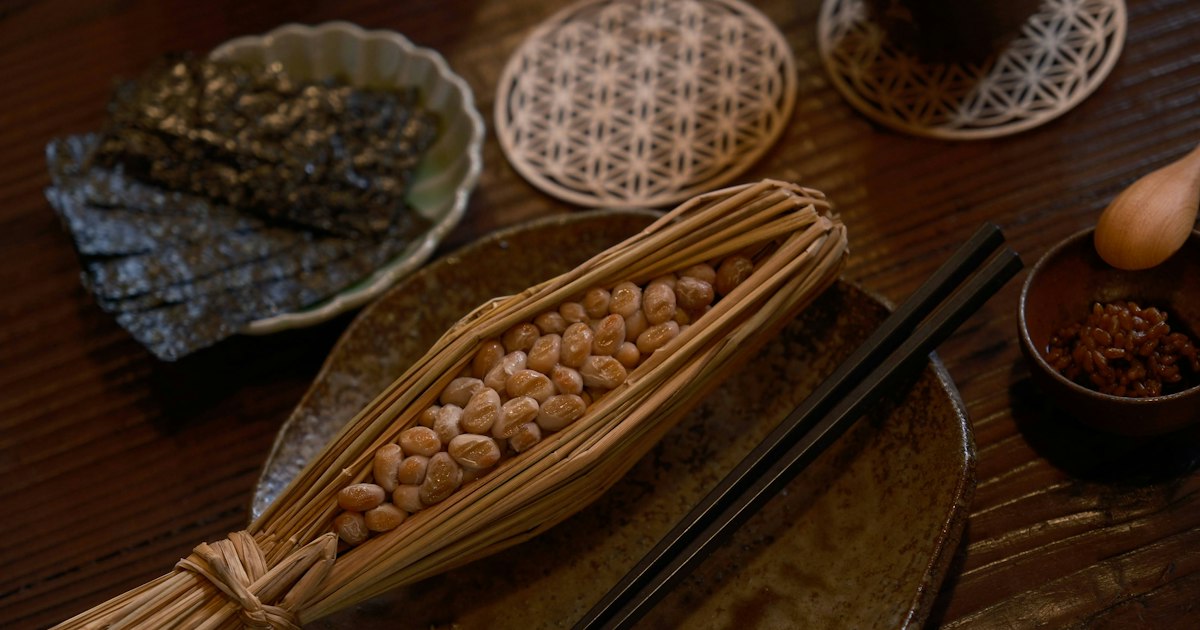
Photo by Seiya Maeda on Unsplash
Walk into almost any Japanese supermarket or convenience store in the last days of January and you’ll notice small paper bags of roasted soybeans suddenly taking over an entire end-cap display, often next to demon masks and triangular sushi rolls. This is setsubun mame, one of the most specific “blink and you’ll miss it” seasonal products in Japan — on shelves for roughly a week, then gone until next year. If you happen to be visiting Japan in late January or early February, it’s a cheap, easy, and genuinely fun souvenir to pick up, and understanding what it is will help you make sense of a street scene that otherwise looks baffling: people throwing beans at family members while shouting at demons.
What Is Setsubun, and Why Beans?
Setsubun (節分) marks the day before the start of spring under Japan’s old lunar calendar. Depending on the year’s astronomical calculations it falls on February 2, 3, or 4, though February 3rd is the most common date and the one most people associate with the holiday. The tradition is called mamemaki, or “bean scattering”: family members throw roasted soybeans (called fukumame, or “lucky beans”) around the house and sometimes at a person wearing an oni (demon) mask, chanting “Oni wa soto! Fuku wa uchi!” — “Demons out, good fortune in!” The idea is to drive out bad luck and disease for the coming year and welcome good fortune in their place. Afterward, everyone eats one bean for each year of their age, plus one extra for good luck in the year ahead.
Where to Buy Setsubun Mame
You don’t need to seek out anything special — the beans are everywhere during the right week:
- Convenience stores (7-Eleven, Lawson, FamilyMart): small bags of roasted soybeans with a paper demon mask printed on the back, typically ¥108–216.
- Supermarkets (Life, Seiyu, Ito-Yokado): larger multipacks, often bundled with a small wooden or cardboard masu (measuring box) for scattering, ¥300–600.
- Department store food halls (depachika): this is where it gets interesting — Isetan Shinjuku, Takashimaya, and Mitsukoshi stock artisanal roasted beans, chocolate-dipped versions, and oni-themed gift boxes, usually ¥500–1,500. If you’re navigating one of these basements for the first time, the station complexes above them can be genuinely disorienting; the Shinjuku Station wayfinding guide is worth a look before you go hunting for the Isetan basement.
- 100-yen shops (Daiso, Seria): not usually the beans themselves, but cheap plastic oni masks and decorations if you want to do the full ritual.
What’s Actually in the Bag
Classic setsubun mame are iri-mame — soybeans dry-roasted until hard and nutty, similar in texture to a roasted chickpea. A few regional and product variations are worth knowing:
- Peanuts-in-shell: in Hokkaido, Tohoku, and parts of Kyushu, whole peanuts (still in the shell) are often scattered instead of soybeans — easier to sweep up afterward, and still eaten for the ritual.
- Chocolate-coated versions: major confectioners like Meiji and Fujiya release seasonal chocolate-covered soybean packs around setsubun, aimed more at snacking and gift-giving than the actual throwing ritual.
- Gift sets: department stores sell decorative tins or ceramic masu boxes filled with beans, sometimes paired with a small sake bottle — a nice splurge souvenir in the ¥1,500–3,000 range if you want something that lasts beyond the holiday.
Mamemaki Events Worth Seeing
Several major Tokyo-area temples turn the bean-throwing ritual into a public event, with celebrities, sumo wrestlers, or local officials throwing beans into the crowd:
- Sensoji Temple (Asakusa): one of the best-known public mamemaki events, held on February 3rd with ceremonies typically around midday and again in the afternoon. Expect large, cheerful crowds.
- Zojoji Temple (near Tokyo Tower): a smaller, more low-key version of the same ritual.
- Narita-san Shinshoji (Narita): famous for inviting sumo wrestlers and entertainers to throw beans, drawing big crowds given its proximity to Narita Airport.
Exact times shift slightly year to year, so check the temple’s own announcements a few days beforehand if you plan to attend — but simply being in the neighborhood on February 3rd is usually enough to stumble into the atmosphere, free of charge.
How to Eat Them (and a Safety Note)
The ritual is simple: eat one bean for every year of your age, plus one more for luck in the coming year. In practice, most adults just eat a small handful rather than counting precisely. One real caution worth knowing: Japan’s consumer safety agencies issue an annual reminder around setsubun that hard roasted soybeans are a choking hazard for young children (especially under age 5) and elderly people, because of their size and hardness. If you’re sharing a bag with kids, consider the softer chocolate-coated version instead, or supervise closely.
The Companion Snack: Ehomaki
Alongside the beans, you’ll see uncut sushi rolls called ehomaki sold at the same time, meant to be eaten whole while facing that year’s “lucky direction” (which changes annually based on the zodiac). Convenience stores and supermarkets sell these for roughly ¥500–1,500 depending on the fillings, and they make a fun, filling lunch if you’re in Japan on the day itself. If you’re building out a wider soy-based food tour while you’re exploring, Japan has plenty of other soy-forward dishes to try, from agedashi dofu and other deep-fried tofu dishes to Nagasaki-style soy-braised pork belly (kakuni).
Common Mistakes to Avoid
- Assuming you can find them any time in winter. Shelves are stocked for roughly a week before February 3rd and cleared out almost immediately after — if you arrive mid-February expecting to buy some, you’ll be out of luck until the following year.
- Buying the cheapest bag without checking for a mask or instructions. If you want the mask/box included for photos or to actually try the ritual, look at supermarket multipacks rather than the plain convenience-store bags, which sometimes include only beans.
- Not budgeting for ehomaki too. If you want the full experience, plan for both the beans and an uncut sushi roll on the same day — stores sell out of popular ehomaki fillings by early afternoon on February 3rd.
- Forgetting it’s a one-day product in most households. Unlike year-round snacks, setsubun mame is bought, used, and eaten within a day or two — buying a large bag “to save for later” isn’t really how it’s meant to be enjoyed, though the beans themselves don’t spoil quickly if sealed.
Setsubun mame is a small thing — a ¥100–300 bag of roasted beans — but it’s a neat window into how closely Japan’s retail calendar tracks its traditional one. If your trip happens to land in late January or early February, picking up a bag, throwing a few at a willing travel companion, and eating one per year of your age is a five-minute cultural experience that costs almost nothing.