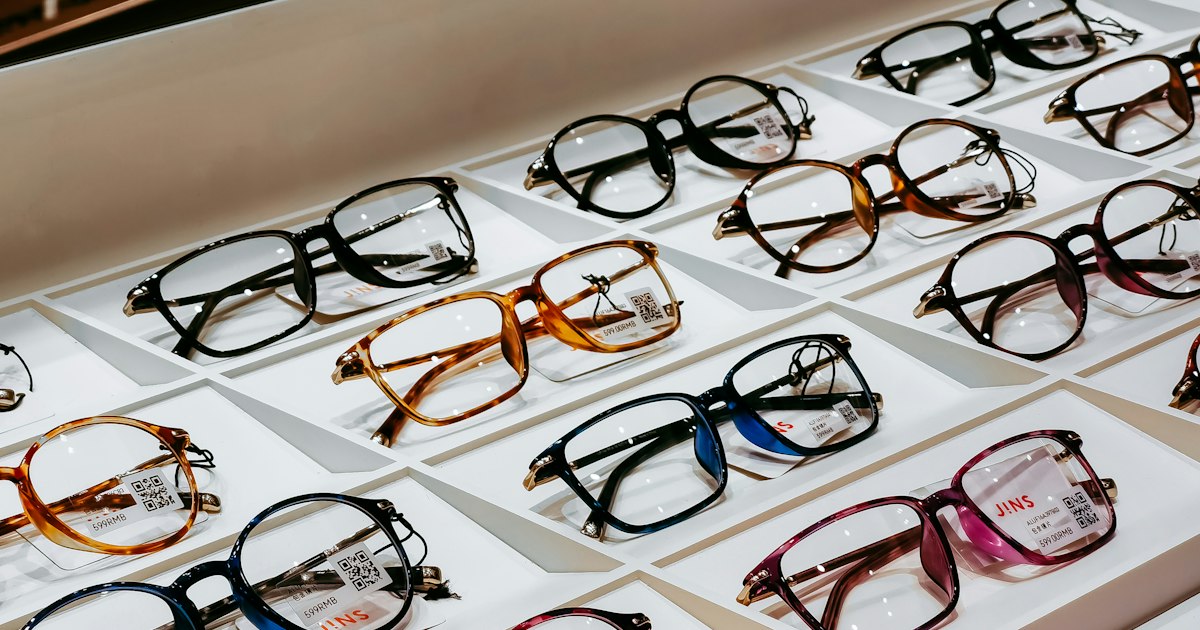
Japan quietly supplied some of the best eyewear acetate in the world for decades, and a lot of that stock never made it onto a single face. Boxes of unsold 1960s–80s frames sat in optician storerooms and manufacturer warehouses until collectors, stylists, and secondhand dealers started digging them out in the 2000s. Today, Tokyo has a small but serious scene of shops specializing in this “deadstock” — new-old-stock frames that are decades old but have literally never been worn. If you’re building a wardrobe around one great pair of glasses instead of ten disposable ones, this is where to look.
Why Japanese Deadstock Frames Are Worth Seeking Out
Japan’s eyewear industry centers on Sabae, in Fukui Prefecture, which has manufactured frames — including OEM work for European and American brands — since the early 20th century. The acetate and hinge work from that era is a big reason vintage Japanese frames have a cult following among eyewear nerds abroad: thicker, higher-grade cellulose acetate that ages better and holds its shape, paired with construction details (saddle bridges, riveted hinges) that modern mass production rarely bothers with. A lot of what circulates as “vintage Japanese eyewear” is genuinely old inventory, not reproductions, which is part of the appeal and part of why prices have crept up over the last decade.
Shimokitazawa: The Center of Gravity
If you only have time for one neighborhood, make it Shimokitazawa (下北沢), a few minutes from Shinjuku on the Keio Inokashira Line or Odakyu Line. It’s Tokyo’s densest concentration of secondhand and vintage shops generally, and eyewear is a specific strength here — several shops carry racks or glass cases of unworn old stock alongside their vintage clothing.
- Megane Ichiba is the budget entry point: bins and walls of deadstock frames, mostly Japanese-made from the 1970s–90s, priced roughly ¥2,000–¥6,000 for most frames. Selection is huge but unsorted by quality, so expect to spend real time trying pairs on.
- Globe Specs curates more tightly — a mix of Japanese and European deadstock, cleaned and checked, with prices generally running ¥8,000–¥30,000+ depending on the maker and condition. This is the better stop if you want someone to talk through what you’re looking at rather than dig blind.
Most Shimokitazawa vintage shops open around noon and close by 8–9pm, and several take an irregular weekday off, so it’s worth treating this as an afternoon-into-evening outing rather than a morning one. Weekends get crowded with local shoppers, so a weekday afternoon gives you more room at the mirror and more patience from staff.
Koenji: Rougher Digging, Better Surprises
One stop further out on the JR Chuo Line, Koenji has a similar secondhand-shop density to Shimokitazawa but a slightly grittier, less tourist-aware feel. Eyewear here tends to show up inside general vintage clothing stores rather than in dedicated optical shops, mixed in with accessories. You won’t always find a specialist, but when you find a good frame here it’s often underpriced simply because the shop isn’t marketing itself as an eyewear destination. Budget extra time and don’t expect English signage.
What “Deadstock” Actually Looks Like on the Shelf
Not everything labeled vintage is deadstock, and it’s worth knowing the difference before you pay vintage prices for a frame that’s actually just secondhand and worn. True deadstock usually shows:
- Uncut demo lenses still in the frame (flat plastic lenses with no prescription ground in)
- No scratches on the temple tips or nose pads, which wear quickly with actual use
- Original packaging, tags, or a manufacturer stamp — look for “JAPAN” stamped inside the temple arm, often with a size code like 52□18
- Spring hinges or screws that feel tight, not loose from years of opening and closing
This same logic — condition grading, originality checks, knowing what separates “new old stock” from merely old — comes up constantly in Japan’s secondhand gear culture generally. If you’re also hunting for used cameras while you’re in town, the grading codes explained in this guide to buying a used camera lens in Japan use a similar logic and are a good primer on how Japanese secondhand retailers think about condition.
Budget, Mid-Range, and Splurge Picks
Budget (¥2,000–¥6,000): Megane Ichiba and similar bin-shops in Shimokitazawa. Expect to try on 20+ pairs to find one that fits well; frames are rarely adjusted for you at this price point.
Mid-range (¥8,000–¥20,000): Globe Specs and comparable curated shops, where staff have already filtered for condition and can usually tell you the maker and rough era.
Splurge (¥25,000+): Rare branded deadstock — Japanese-made frames from defunct makers, or OEM runs for well-known European houses — show up occasionally in Shimokitazawa’s pricier cases or at specialist eyewear boutiques elsewhere in Tokyo. These are collector pieces, priced accordingly, and worth it only if the frame genuinely fits your face.
Common Mistakes First-Time Buyers Make
- Buying before checking fit in a mirror with your own face shape — vintage frame sizing runs smaller than most modern Western frames, especially temple length and bridge width.
- Assuming the shop will fit your prescription lenses on the spot. They won’t. Buy the frame, then take it to any optician (or back home) to have lenses cut — ask the shop if they can remove the demo lenses for you first, since some older frames are brittle around the rim.
- Expecting returns or holds. Deadstock shops in Japan are almost universally final-sale and cash-or-card-on-the-spot; there’s no “I’ll think about it and come back tomorrow” with one-of-a-kind stock.
- Not budgeting for lens costs. The frame might be ¥5,000, but new prescription lenses from a Japanese optician can add ¥10,000–¥30,000+ depending on your prescription and coatings.
Timing Your Visit
There’s no strong seasonal pattern to deadstock eyewear the way there is with, say, kimono resale around festival season — stock turns over based on what dealers source, not the calendar. That said, shops restock after estate and warehouse buys, so asking staff “when did new stock come in?” is a legitimate way to gauge whether you’re seeing fresh inventory or the same picked-over shelf as last month. If you’re combining this with a broader vintage-shopping day, pair Shimokitazawa with a trip to Amerikamura in Osaka on a different leg of your trip — it’s the closest thing Japan has to a second vintage-fashion capital, and worth comparing against Tokyo’s scene if you’re serious about the hunt.
Finally, if eyewear turns out to be a gateway into Japan’s broader secondhand retail culture, it’s worth knowing that chains built around resale aren’t limited to clothing — the same model shows up in Japan’s recycle-kimono shop chains, which follow comparable grading and pricing logic to what you’ll see on an eyewear shelf.