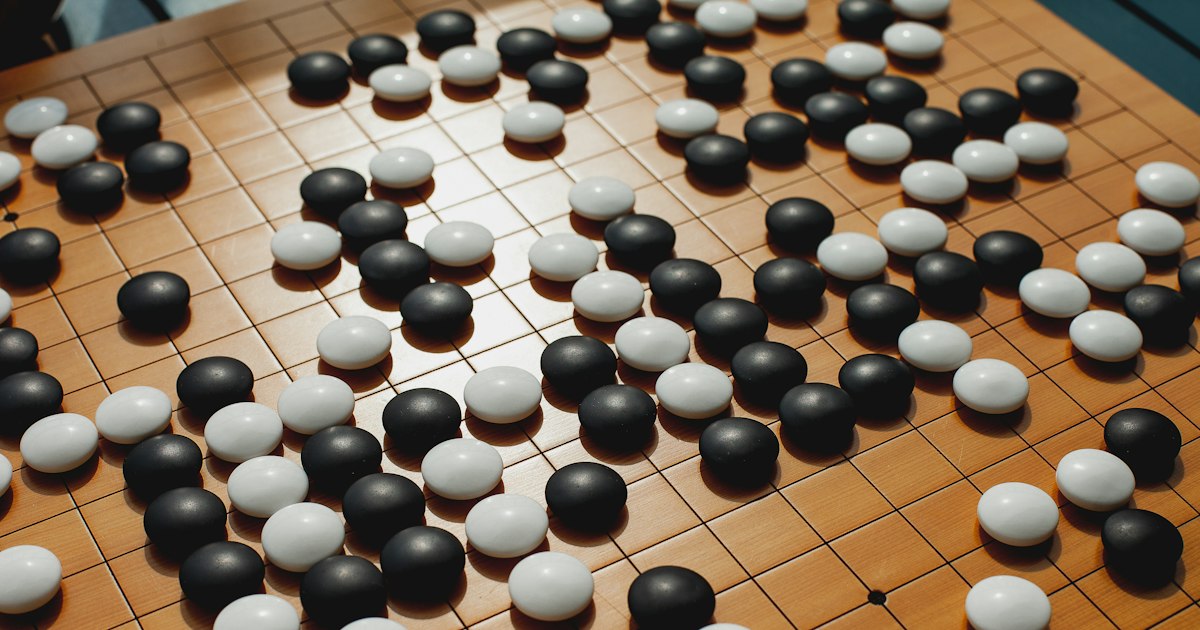
Photo by Elena Popova on Unsplash
Long before video games, Japan had shogi and go — two board games so deeply embedded in the culture that professional matches are still broadcast on national TV and studied like chess grandmaster games. For travelers, a shogi or go set is one of the most satisfying souvenirs you can bring home: it’s functional, beautifully made, and rarely available outside Japan in genuine quality. This guide covers where to actually buy one, what separates a JPY 2,000 toy from a JPY 200,000 heirloom, and the mistakes first-time buyers make.
Shogi vs. Go: What You’re Actually Buying
Shogi is Japanese chess, played on a 9×9 board with wedge-shaped pieces (koma) inscribed with kanji. Go (igo) is played on a 19×19 grid with flat black and white stones. They’re sold in completely different ways, which matters when you’re shopping:
- Shogi sets are priced mainly by the pieces — the wood species, whether the characters are printed, stamped, carved, or lacquer-inlaid by hand, and the calligraphy style used.
- Go sets are priced mainly by the stones and the board separately. Board thickness and wood (kaya wood being the most prized) drive board price; stone material (glass, ceramic, slate/clamshell, or the rarer Naichi slate and shell) drives stone price.
A beginner set with printed pieces or glass stones runs roughly JPY 2,000–6,000. A solid mid-range set with carved wooden pieces or slate-and-clamshell stones is JPY 15,000–50,000. Collector-grade pieces — hand-carved and lacquered by a named craftsman, or a single-plank kaya board — can run JPY 300,000 and well beyond JPY 1,000,000 for the finest boards.
Tokyo: The Two Federation Shops
The single most reliable starting point in Tokyo is visiting the game federations directly, since both sell equipment to the public.
Shogi Kaikan (将棋会館) in Sendagaya, Shibuya Ward, is the Japan Shogi Association’s headquarters, where professional title matches are sometimes held. Its ground-floor shop sells official boards, pieces, clocks, and books, with staff used to helping non-players choose a beginner set. It’s a short walk from Sendagaya Station (Chuo-Sobu Line) or Kokuritsu-Kyogijo Station (Oedo Line). Hours run roughly 10:00–18:00; check ahead, as the shop occasionally closes for tournament days.
Nihon Ki-in (日本棋院) in Ichigaya is the equivalent for go. Its go salon and pro shop stock everything from plastic starter boards to serious slate-and-clamshell stone sets, and the building itself is worth seeing if you’re curious about the game — amateur players use its salons daily. It’s about a 5-minute walk from Ichigaya Station.
Neither location requires an appointment for shopping, and both are genuinely used by Japanese players, not tourist-facing gift shops, so prices are fair and stock is authentic.
Tendo, Yamagata: The Shogi Piece Capital
If you want to go deeper than a Tokyo shop visit, Tendo City in Yamagata Prefecture produces roughly 90–95% of all shogi pieces made in Japan, a tradition dating back to the samurai of the Edo-era Oribe domain. The city leans into this identity hard: manhole covers are shaped like koma, there’s a Shogi Piece Museum (Tendo Ningyo Shogi Piece Museum) explaining the carving and lacquering process, and several workshops sell direct from the maker. Prices for hand-carved, lacquer-filled pieces here start around JPY 20,000 for a set and climb steeply with calligraphy style and wood grade (kaya and tsuge/boxwood are top-tier).
Tendo is reachable by Yamagata Shinkansen from Tokyo (around 2.5–3 hours to Tendo Station, sometimes with a transfer). The best time to visit is early April, during the Tendo Ningen Shogi Matsuri, when the city stages a human shogi match with people in period costume moving across a giant board — a fun, low-key festival that’s easy to combine with cherry blossom viewing in the region. Outside festival dates, workshops keep normal retail hours, but it’s worth calling ahead in Japanese or via a hotel concierge, since some are small family operations that close without notice.
Budget and Convenience Options
Not everyone needs a museum-piece board. For a cheap, easy-to-pack souvenir:
- Don Quijote stores carry compact plastic or thin-wood travel sets for JPY 1,500–4,000, often magnetic or foldable — good for actually playing on a trip.
- Tokyu Hands / Loft stock slightly nicer beginner sets with printed (not carved) pieces, typically JPY 3,000–8,000.
- Yodobashi Camera and large toy floors sometimes carry mass-produced sets from major Japanese game manufacturers, reliable if unglamorous.
If your Japan trip includes a stop at somewhere like Nagoya’s Osu Shopping Arcade, it’s worth a browse — the arcade’s mix of secondhand and hobby shops occasionally turns up used shogi and go sets, sometimes older wooden ones, at bargain prices. It’s the same instinct that makes the arcade good for hunting other Japanese tabletop and hobby goods, similar to the secondhand card shops covered in our guide to trading card games beyond Pokémon.
Common Mistakes to Avoid
- Buying a “legged” board without checking the size. Traditional floor-standing go and shogi boards (with tapered legs, called ashi) are surprisingly heavy and bulky — some are 40–60cm thick blocks of wood. If you’re set on one, budget for international shipping (many Tokyo and Tendo shops handle overseas shipping for a fee) rather than trying to carry it home. A folding tabletop board is far more realistic as checked luggage, and if you do bring a boxed board on the Shinkansen, check our Shinkansen oversized luggage rules guide first, since an unfolded legged board can exceed the size limits for standard seating.
- Assuming printed pieces are “fake.” They’re not — printed and stamped pieces are legitimate entry-level products, just not the hand-carved, lacquer-inlaid pieces collectors chase. Ask the shop directly which category you’re buying; the price gap between the two is enormous for what can look similar in photos.
- Ignoring board thickness for go. A thin (2–3cm) board is fine for casual play but won’t produce the distinctive “click” sound serious players value. If sound and feel matter to you, ask for at least a 6–8cm board, which also costs proportionally more.
- Skipping the rules. Both games are genuinely difficult to pick up from a box insert alone. Shogi Kaikan and Nihon Ki-in both sell English-language rule booklets, and it’s worth grabbing one even if you plan to learn from apps later.
Best Time to Shop
There’s no strict shopping season, but two windows are worth knowing. Early April lines up with the Tendo human shogi festival if you want the full craft-town experience. And if you’re combining a board game souvenir hunt with a wider crafts trip — say, alongside stops for Japanese whetstones or other traditional goods — aim for weekday mornings at the specialty shops, when staff have time to talk through the different grades of wood and stone without a queue behind you.