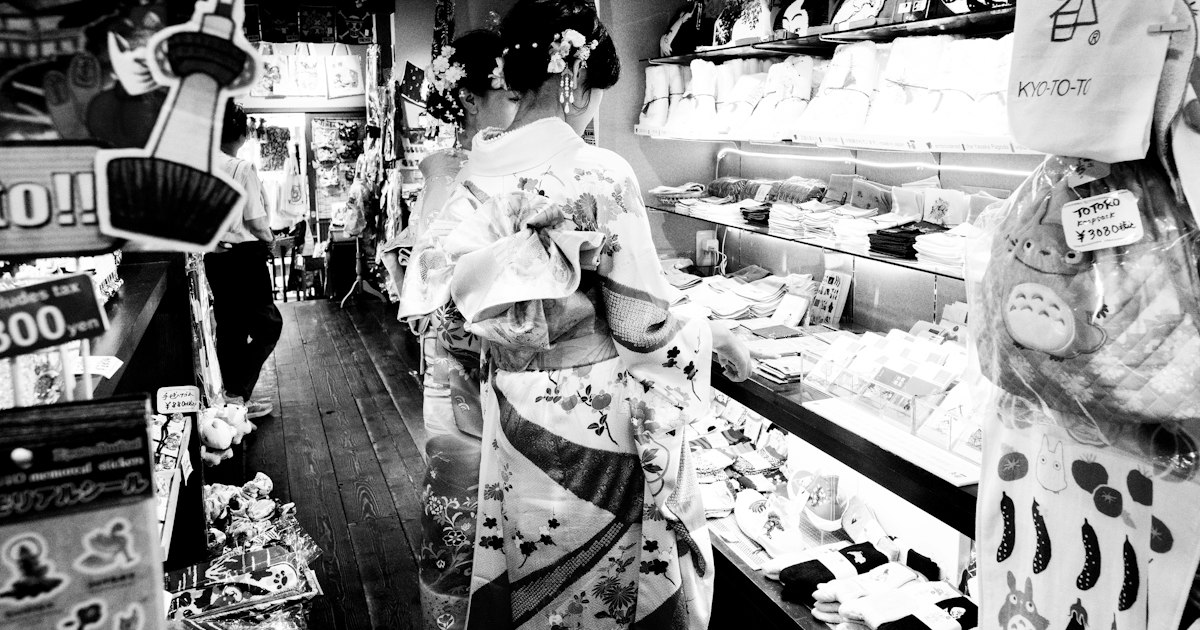
Photo by EMANUELE Ricciardi on Unsplash
Somewhere between a bookstore, a toy shop, a costume rental, and a flea market stall run by someone with very strong opinions, you’ll find Village Vanguard. Founded in Nagoya in 1986 and now scattered across shopping malls and youth-culture neighborhoods nationwide, Village Vanguard (ヴィレッジヴァンガード) calls itself a “shugeki-teki na hon-ya” — an “exciting bookstore” — though books are only a fraction of what’s piled, stacked, and crammed onto its shelves. For visitors, it’s one of the most entertaining 30-minute browses in the country, and a genuinely good source of only-in-Japan souvenirs that aren’t temple keychains or KitKats.
What Exactly Is Village Vanguard?
Picture a maze of narrow aisles under dim, warm lighting, with merchandise stacked floor to ceiling and little regard for category: manga sits next to taxidermy-style novelty toys, which sit next to incense, which sits next to a rack of ironic graphic T-shirts, which sits next to imported snacks. The chain’s signature is the hand-written “POP” card — a small cardboard sign with a staff member’s scrawled, often very funny or deadpan commentary explaining why a product is worth your money. Reading the POP cards is half the fun, even if your Japanese is limited; the enthusiasm usually translates even when the jokes don’t.
This isn’t a tourist-oriented shop — it’s a genuine subculture institution for young Japanese shoppers into zines, indie music, horror movies, retro games, and offbeat humor. That’s exactly what makes it worth a visit: you’re browsing what locals actually buy for fun, not what’s been curated for foreigners.
What to Buy
Stock varies wildly store to store, but a few categories are reliable:
- Novelty goods and gag gifts — weird socks, bizarre bath salts, prank items, and desk toys, typically ¥500–1,500.
- Character and anime merchandise — acrylic stands, badges, and keychains tied to current anime and games, usually ¥400–1,200 each.
- Graphic T-shirts and apparel — original or pop-culture-parody designs you won’t find at Uniqlo, generally ¥2,500–4,500.
- Books, manga, and zines — a curated, idiosyncratic selection rather than a full bookstore catalog; manga volumes run the standard ¥500–700.
- Imported and novelty snacks — American cereal, oddball flavored chips, and candy from around the world, often ¥300–900.
- Horror, occult, and retro-game ephemera — a Village Vanguard specialty; expect everything from tarot decks to used Famicom cartridges in glass cases, priced individually and often collector-marked up.
- Small interior goods (“zakka”) — quirky mugs, stationery, and room decor in the ¥800–2,500 range.
Budget shoppers can walk out with a handful of stickers, candy, and a keychain for under ¥2,000. Mid-range shoppers tend to land on a graphic tee plus a couple of novelty items, around ¥5,000–7,000. The splurge territory is usually vintage games, imported collectibles, or limited-run anime goods, which can run ¥5,000–20,000 for rarer pieces — treat the glass display cases as the place to slow down and actually read the price tags, since they’re easy to miss amid the clutter.
Where to Find the Best Branches
Village Vanguard has locations in shopping malls across Japan, but mall branches tend to be smaller and more mainstream. For the full chaotic experience, visitors should prioritize standalone urban stores:
- Shimokitazawa, Tokyo — the branch most locals point visitors to, multiple floors deep in a neighborhood already known for vintage clothing and indie music shops. It pairs naturally with a visit to Koenji’s vintage clothing and punk rock scene if you want a full day of Tokyo subculture shopping.
- Shibuya and Shinjuku, Tokyo — smaller but convenient if you’re already sightseeing in central Tokyo.
- Nagoya — the chain’s birthplace, with a strong concentration of stores in the Aichi region and a sense of shopping at the “original.”
- Suburban Aeon Malls and station-front buildings nationwide — not flashy, but useful if you’re outside the major cities and just want a quick browse between trains.
Store names and exact addresses change often as leases turn over, so search “ヴィレッジヴァンガード” plus the area name on Google Maps right before you go rather than relying on an old list — a surprising number of branches have closed or relocated in recent years as the chain has restructured.
Timing, Hours, and Getting There
Most urban branches open around 11:00 and close between 20:00 and 22:00, matching typical Japanese retail hours; mall locations follow the mall’s own hours, usually 10:00–21:00. There’s no real “best season” — unlike seasonal craft shops or festival stalls, Village Vanguard’s appeal is constant, though stock rotates with anime seasons (new merchandise tends to land when a hit show airs) and around Halloween, when the novelty and costume sections expand noticeably. Weekday afternoons are far less crowded than weekend evenings, which is worth knowing given how narrow the aisles are — two people with shopping baskets can struggle to pass each other in the busier stores.
Common Mistakes to Avoid
- Assuming it’s a normal bookstore. If you’re looking for current bestsellers or English-language books, you’ll be disappointed — the book selection is small and deliberately odd.
- Skipping the upper or lower floors. Multi-floor branches like Shimokitazawa hide their best novelty and horror sections away from the street-level entrance.
- Not reading the POP cards. They’re often the only indication of what a mystery item actually does or why it’s priced the way it is.
- Expecting tax-free shopping everywhere. Not every branch is set up for duty-free purchases for tourists; larger stores in Tokyo are more likely to offer it than small mall locations, so ask at the register if it matters to you.
- Treating it as a quick stop. The density of merchandise means a “five-minute look” routinely turns into forty-five minutes — budget accordingly if you’re on a tight sightseeing schedule.
Who Will Love This Shop
Village Vanguard rewards travelers who already enjoy Japan’s hobbyist and collector subcultures — the same instinct that draws people to train station stamp rallies or Japan’s beetle-collecting hobby culture will feel right at home sifting through its shelves of niche, enthusiast-made ephemera. It’s less about finding one perfect souvenir and more about the hunt itself — digging through a chaotic, lovingly curated pile until something makes you laugh or genuinely surprises you. For a country often associated with minimalist design and quiet shrines, Village Vanguard is a useful reminder that Japan does maximalist, weird, and funny just as well.