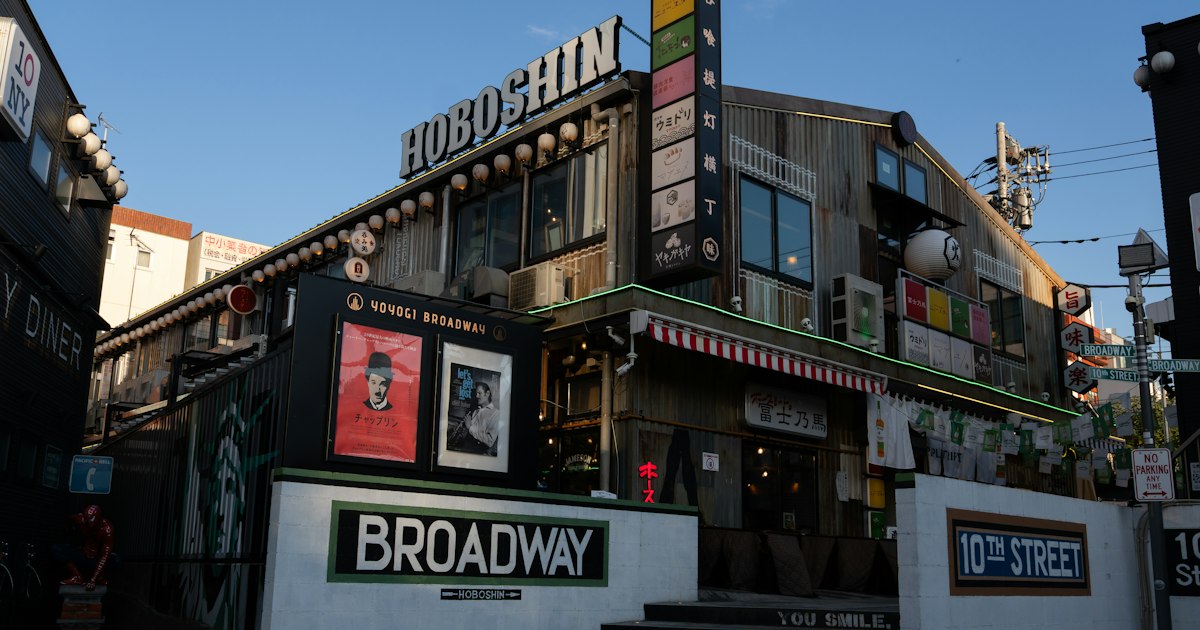
Photo by Ivan Yurkin on Unsplash
While tour buses idle outside Harajuku, Koenji quietly gets on with being Tokyo’s real vintage-clothing capital. This low-rise neighborhood in Suginami Ward, about ten minutes west of Shinjuku, has spent five decades collecting secondhand clothing dealers, punk and hardcore live houses, and a街-level DIY energy that Shimokitazawa’s gentrification has largely traded away. There’s no single “sight” to check off — the appeal is wandering narrow arcades, flipping through 500-yen bins and rare Levi’s alike, and ending the night in a sweaty basement club. Here’s how to do it properly.
Where Koenji Is and How to Get There
Koenji Station is on the JR Chuo-Sobu Line, the orange local (each-station) train — about 10 minutes from Shinjuku and 4 minutes from Nakano. From Tokyo Station, a direct local train takes roughly 25–30 minutes; alternatively, ride the faster Chuo Rapid Line to Nakano or Shinjuku and transfer to the local line, since most rapid services don’t stop at Koenji. There’s no need for a taxi or bus — everything worth seeing is within a 10-minute walk of the station’s north and south exits.
The neighborhood splits cleanly: the north side (Kitaguchi) has the PAL and Look shopping arcades plus the famous “Kitakore” building, a cluster of tiny punk and vintage boutiques stacked on top of each other; the south side (Minamiguchi) is quieter, with more record shops, cafes, and standing bars tucked into back alleys.
Vintage Shopping: Where to Dig for Treasure
Koenji has an unusually high density of used-clothing stores for a neighborhood this size — easily 50+ shops within a 15-minute walk. A few reliable anchors:
- Kinji Used Clothing — a long-running secondhand chain (also in Harajuku and Shimokitazawa) with a huge, densely packed Koenji branch. Basic tees and shirts start around 500–1,500 yen; jackets and outerwear run 2,000–6,000 yen.
- Flamingo — another chain staple, strong on Americana, work jackets, and band tees, similarly priced to Kinji.
- Kitakore Building — a ramshackle multi-story building on the north side housing a handful of independent punk-fashion and one-of-a-kind vintage shops. Prices here skew higher and more curated — think 5,000–30,000 yen for standout pieces like military surplus, leather, or rare band merch.
Budget for a full afternoon: 3,000–8,000 yen gets you a couple of solid finds at the chain stores. Mid-range shoppers hunting curated vintage denim, band tees, or 90s streetwear should expect 5,000–20,000 yen per item. Splurge territory — rare vintage Levi’s (pre-1970s), original tour merch, or vintage designer pieces — can run 20,000–100,000+ yen at the more specialized boutiques.
Cash matters here: many of the smaller independent shops are cash-only or have low card minimums, so carry at least 10,000–15,000 yen in cash if you’re planning to buy. Convenience store ATMs (7-Eleven, Family Mart) near the station accept foreign cards.
Most vintage shops open around 12:00–13:00 and close by 20:00, and quite a few keep irregular closing days (futeikyū), especially midweek. If you’re making a special trip for one specific shop, check its Instagram or Twitter/X the morning of — hours shift often and aren’t always reflected on Google Maps.
The Punk Rock Scene: Live Houses and Record Shops
Koenji has been a punk and underground-rock hub since the late 1970s, and it still hosts a cluster of small live houses (raibuhausu) within a few blocks of the station — venues like UFO CLUB, 20000V, and Koenji SHOW BOAT regularly book local punk, hardcore, and garage-rock acts. Tickets for a weeknight show typically run 2,000–3,500 yen, often with an additional one-drink charge (500–700 yen) paid at the door. Shows usually start early by Western standards — doors around 18:00–19:00 — so you can catch a set and still make a late train home.
Alongside the live houses, Koenji has a strong scattering of used-record shops specializing in vinyl — punk, rockabilly, reggae, and Japanese underground pressings are all easy to find, often at better prices than the bigger record stores in Shibuya or Shimokitazawa.
Koenji Awa Odori: Tokyo’s Biggest Street Dance Festival
If you can time your visit for the last weekend of August, Koenji hosts its Awa Odori — a dance festival modeled on the original event from Tokushima, and now one of the largest in the Kanto region, drawing well over a million spectators across two days. Dozens of dance troupes (ren) in traditional costume parade through the shopping streets to taiko drums and shamisen, and the whole neighborhood turns into a street party. It’s free to watch from the sidelines, though the best viewing spots along the main route fill up fast — arrive at least an hour before a parade slot if you want a clear view. For background on the original festival this one draws from, see our guide to Awa Odori in Tokushima.
Best Time to Visit and Practical Tips
Weekday afternoons (roughly 13:00–17:00) are the quietest time to browse shops without crowds. Weekends bring more foot traffic and more shops staying open into the evening, which is useful if you also want to catch a live show. Avoid the very end of December through early January — a large share of small independent shops close for New Year’s, sometimes for a week or more.
Aside from Awa Odori weekend, Koenji doesn’t get uncomfortably crowded, and there’s no need to book anything in advance for shopping. If you’re staying out late for a show and don’t want to worry about the last train, Koenji is close enough to Shinjuku that a manga kissa near the station makes a cheap, workable overnight fallback.
Common Mistakes to Avoid
- Showing up before noon — most vintage shops simply aren’t open yet, and you’ll be stuck looking at shuttered doors.
- Confusing Koenji with Shimokitazawa — both are vintage-shopping neighborhoods on rail lines out of Shinjuku, but Koenji is grittier, cheaper, and more punk-focused, while Shimokitazawa has become more polished and theater-adjacent. If you only have time for one and want the rawer, less touristy experience, pick Koenji.
- Assuming cards work everywhere — bring cash, especially for the smaller independent boutiques.
- Skipping the arcades off the main street — the PAL and Look shopping streets get the foot traffic, but some of the best-priced finds are in the quieter alleys branching off them.
Where to Eat and Drink After Shopping
Koenji’s south side has a good concentration of cheap izakaya and standing bars, a great fit if you want a quick, casual drink between shops or before a live show — our guide to tachinomi standing bar culture covers the etiquette if you haven’t tried one. Expect to spend 1,500–3,000 yen for a couple of drinks and small plates at a typical standing bar here, noticeably cheaper than equivalent spots in Shinjuku or Shibuya.
Koenji rewards slow wandering more than a checklist. Budget half a day minimum, wear comfortable shoes for uneven arcade pavement, and don’t be afraid to duck into shops that look closed-for-business from the outside — in this neighborhood, that’s often just the aesthetic.