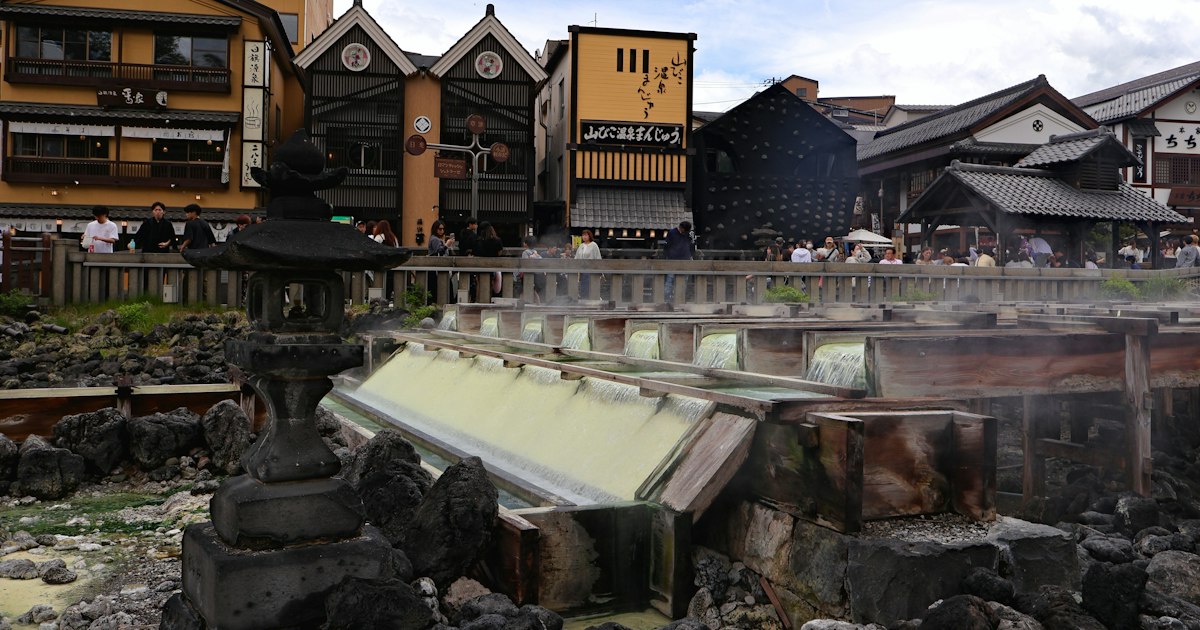
Photo by waa towaw on Unsplash
An hour from Tokyo Station, the Shinkansen slips through a tunnel and suddenly the Pacific is right there, with a tiered seaside town of ryokan and onsen hotels climbing the hillside above it. That’s Atami — a hot spring resort that boomed during Japan’s postwar honeymoon era, faded a little in the 1990s, and has spent the last decade clawing its way back into fashion with renovated ryokan, a lively retro shopping street, and some of the most frequent fireworks shows in the country. It’s an easy day trip if you’re short on time, but it rewards an overnight stay far more than most destinations this close to Tokyo.
Why Atami, and When to Go
Atami’s hot springs have been documented since at least the 8th century, and the modern town took shape as a rail-accessible resort once the Tokaido line arrived in the early 20th century. The result is a slightly time-warped atmosphere: Showa-era hotel towers, a covered shopping arcade, steep stairstep streets, and a harbor view that looks a bit like a smaller, mellower version of the Amalfi coast.
Seasonally, two windows stand out. Mid-January through early March brings the Atami Plum Festival (Atami Ume Matsuri) at Atami Baigaien, one of the earliest plum blossom displays in Japan (entry around ¥300, free before the festival opens some years — check the current dates). Summer and early autumn bring Atami’s famous fireworks: the city runs roughly 10 or more large fireworks displays a year over Atami Bay, far more than most towns manage, including a dramatic winter countdown show. If you want to see one, check the schedule before booking, since hotel rates spike and rooms sell out on fireworks nights.
Getting There from Tokyo
Atami is one of the simplest side trips from Tokyo. The JR Tokaido-Sanyo Shinkansen (Kodama or Hikari trains) covers Tokyo Station to Atami in about 45-55 minutes, with an unreserved seat running roughly ¥3,600-4,000 one-way. It’s not covered by a flat commuter pass, but reserved and unreserved seats can both be bought at any JR ticket machine or the JR East/Central apps.
The cheaper, slower option is the regular JR Tokaido Line, which takes about 1 hour 45 minutes from Tokyo Station and costs around ¥1,980 one-way — and this one you can simply tap through with a Suica or Pasmo IC card, no ticket needed. If you haven’t set one up yet, it’s worth doing before you go; see our guide on adding Suica or Pasmo to Apple Wallet so you can tap in at the gate rather than queuing for a paper ticket. Either way, note the last Tokyo-bound Shinkansen from Atami typically leaves around 9:30-10pm — don’t assume you can linger at dinner and still make a late train without checking times first.
The Hot Spring Experience: Day Baths to Ryokan Stays
You don’t need to stay overnight to soak. Several facilities near Atami Station offer day-use bathing (higaeri onsen) for roughly ¥1,000-1,500, including small public bathhouses and hotel baths that open their doors to non-guests for a few hours in the afternoon. This is the easiest way to experience Atami’s naturally salty, slightly brown spring water if you’re only passing through for the day.
For the full experience, though, stay the night. Ryokan here range from simple family-run inns to oceanfront resort hotels, and most include kaiseki dinner and breakfast in the room rate. If this is your first ryokan stay, brush up on basics like changing into the provided yukata and leaving outdoor shoes at the genkan — our guide to indoor footwear etiquette in homes, ryokan, and temples covers exactly where shoes come off and when slippers are expected.
Beyond the Baths: Top Things to See and Do
Atami rewards a half-day of wandering beyond the bathtub. The MOA Museum of Art, perched on a hill with a sweeping bay view, holds a notable collection of Japanese and East Asian art (admission around ¥1,600; closed Thursdays). Atami Castle is a more kitschy, family-oriented stop with observation decks and a small aquarium-style attraction — fun if you have kids in tow, skippable if you don’t. Atami Baigaien, the plum garden mentioned above, is pleasant even outside peak bloom thanks to its stream-side paths and small shrine.
If fireworks dates line up with your trip, Atami Sun Beach is the place to watch from, with the show launched over the bay and visible from much of the waterfront for free. Watching a professional display here pairs naturally with picking up handheld sparklers to try yourself later — see our rundown of senko hanabi and summer firework souvenirs if you want to bring some home.
Atami also makes a convenient gateway if you have more than a day to spend in the area — it sits right at the entrance to the Izu Peninsula, and buses and local trains connect onward to Ito, Shimoda, and the coastal onsen towns covered in our Izu Peninsula guide.
Where to Shop and What to Bring Home
Atami Ginza, the covered-and-open shopping street running from near the station down toward the beach, is the main strip for food stalls, souvenir shops, and casual dining. Look for onsen manju (steamed buns filled with sweet bean paste, often sold warm from streetside steamers for around ¥130-180 each) and mikan (mandarin orange) products — Shizuoka’s citrus belt runs right through this coast, so mikan juice, jelly, and dried peel sweets are everywhere and genuinely local, unlike some “regional” souvenirs that are mass-produced elsewhere. Keep your receipts if you buy anything pricier like lacquerware or ceramics from a specialty shop, since return policies for tourists work differently here than at home — our guide on returns, exchanges, and receipts in Japan explains what’s realistic to expect.
Budget, Mid-Range, and Splurge Planning
On a tight budget, a day trip works fine: Shinkansen or Tokaido Line fare, a ¥1,000-1,500 day bath, lunch at a casual seafood or noodle counter on Atami Ginza, and a stroll through the plum garden or along the beach can all be done for well under ¥10,000 per person.
Mid-range travelers should budget for one night at a standard onsen ryokan or hotel with half-board (dinner and breakfast included), typically ¥15,000-25,000 per person depending on season and whether the room has an ocean view or private bath.
For a splurge, Atami has a handful of well-regarded resort ryokan with large oceanfront rooms, kaiseki dinners built around local seafood, and open-air baths facing the water — rates for these commonly run ¥35,000-70,000+ per person per night, climbing further on weekends, holidays, and fireworks nights. Book these well in advance; the good ocean-view rooms sell out fastest.
Common Mistakes to Avoid
The biggest mistake is treating Atami as a quick photo stop rather than giving it an overnight — the baths, the evening light on the bay, and the after-dark shopping street are a big part of the appeal. A second common error is confusing Atami with other Izu towns like Ito when booking a ryokan online; double-check the station name on your reservation. Finally, if you’re visiting during a fireworks date or the plum festival, book transportation and lodging early — these are well known to Tokyo day-trippers, and both trains and hotels fill up fast on those specific dates.