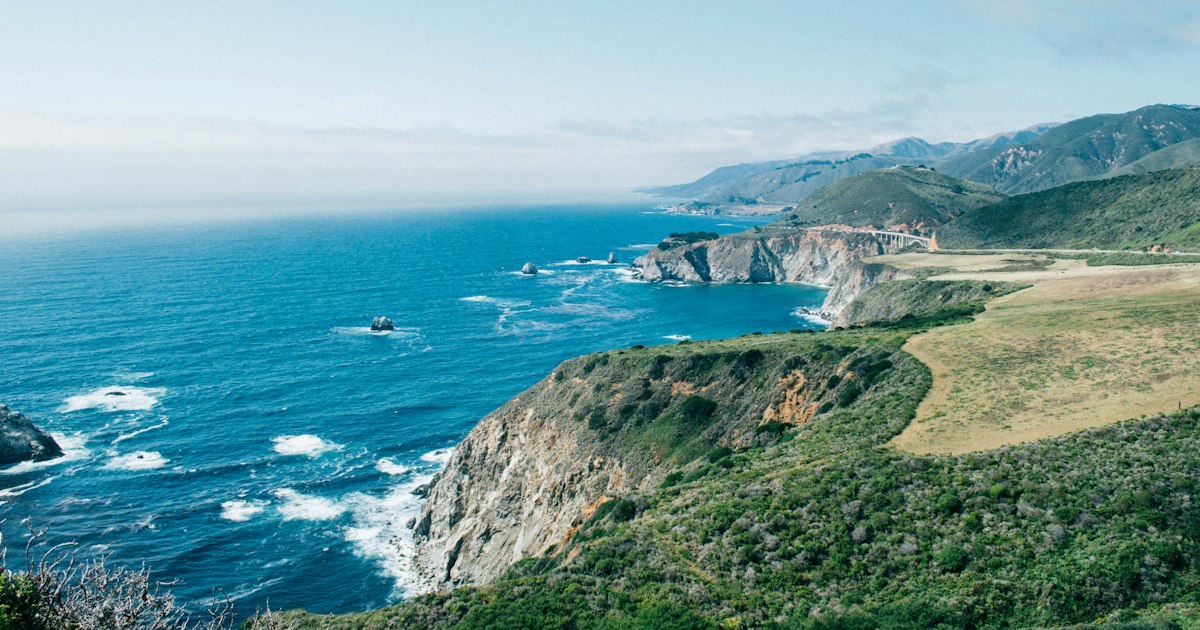
Photo by Greg Jurgajtis on Unsplash
Less than an hour from Tokyo by train, the Izu Peninsula packs hot spring towns, rugged coastline, and mild winters into a shape that juts into the Pacific like a thumb off Shizuoka Prefecture. It’s an easy add-on for travelers who’ve already done Hakone and want more coastline, fewer crowds, and ryokan dinners built around just-caught seafood. You can do it as a long day trip from Tokyo or stretch it into two or three days with an onsen stay in the middle.
Getting There: Trains, Cars, and Timing
The two gateway stations are Atami and Mishima, both on the Tokaido Shinkansen. A Kodama shinkansen from Tokyo Station to Atami takes about 40-50 minutes and costs roughly ¥4,000-4,500 one way unreserved; the faster Hikari gets you to Mishima in a similar time. Both are covered by the Japan Rail Pass.
For a one-seat ride deeper into the peninsula, JR’s Odoriko limited express runs from Tokyo Station down to Izukyu-Shimoda in about 2.5-3 hours (around ¥7,000 one way). Seats are reserved, so book ahead on weekends and during cherry blossom season — the train fills up. One catch: Odoriko continues past Atami onto Izukyu Corporation tracks, which the JR Pass does not cover, so pass holders need to pay a supplementary fare for the Atami-to-Shimoda stretch or simply ride JR as far as Atami and transfer.
To reach Shuzenji, change at Mishima for the private Izuhakone Railway Sunzu Line (about 35 minutes, not JR Pass eligible). If you’re renting a car to cover the coastal roads at your own pace, our guide to ETC cards and expressway tolls is worth reading before you pick up the keys, since the Izu Skyline and coastal routes involve several toll sections.
Atami and Ito: Onsen Towns Closest to Tokyo
Atami is the most convenient base, with a retro seafront, a famous fireworks schedule in summer, and dozens of ryokan built into the hillside above the bay. If you don’t want to stay overnight, several hotels sell higaeri (day-use) onsen access for roughly ¥1,000-2,500, letting you soak for a few hours without a room. Atami’s Sun Beach and the Atami Baien plum garden (blooms January-February) are both walkable from the station.
Ito, 20-25 minutes further by local train, has a quieter, more residential onsen-town feel and is the jumping-off point for the Jogasaki Coast. Budget travelers can find simple guesthouses from around ¥5,000-7,000 a night; mid-range ryokan with kaiseki dinner and private or shared onsen run ¥15,000-25,000 per person; splurge properties with ocean-view rooms and private baths start around ¥40,000 and climb well past that for peak-season weekends.
Shuzenji: The Historic Spa Town Inland
Shuzenji, in the center of the peninsula, is one of Izu’s oldest hot spring towns, built around a small river lined with bamboo groves. The Chikurin no Komichi bamboo path and the free foot bath (ashiyu) in the middle of the river are both free and take maybe 30-40 minutes to see properly. It’s a good half-day stop if you’re routing between Mishima and the coast rather than a full destination on its own — most visitors pair it with lunch and a short walk rather than a full day.
The Jogasaki Coast and Shimoda: Cliffs, Beaches, and Black Ships History
The Jogasaki Coast, south of Ito, is Izu’s best stretch of scenery: black volcanic cliffs formed by old lava flows, a 9 km coastal hiking trail, and the Kadowaki Suspension Bridge swaying 23 meters above the surf. It’s free to walk and reachable via Jogasaki-Kaigan Station on the Izukyu Line. The cliffs and wide ocean views make it a popular spot for photography — if you’re flying a drone for shots of the coastline, check our rundown of drone laws and photography permits in Japan first, since parts of the coast fall under flight restrictions near residential areas and parks.
Further south, Shimoda is where Commodore Perry’s “Black Ships” landed in 1854, and the compact old town still has a Black Ships Festival each May along with Perry Road, a short canal-side lane of preserved buildings. Shimoda’s beaches (Shirahama in particular) are some of the clearest-water swimming spots within day-trip range of Tokyo, busy with families June through August. On the west coast, Dogashima is known for sightseeing boats that loop past wave-eroded rock formations — a worthwhile detour if you have a car.
Best Time to Visit
Late January through early March is prime time for Kawazu-zakura, an early-blooming pink cherry variety that flowers weeks before Tokyo’s. The Kawazu Cherry Blossom Festival lines the Kawazu River with thousands of trees and illuminates them at night. Early June brings hydrangeas to Shimoda Park. Summer (July-August) is peak beach season with higher hotel prices and crowded trains; autumn (November) brings foliage without the summer crowds. Winter is mild for a hot-spring trip — daytime temperatures often stay in the low teens Celsius, which makes an outdoor rotenburo bath genuinely pleasant rather than just bearable.
Common Mistakes and Budget Tips
- Underestimating distances within Izu. The peninsula is bigger than it looks on a Tokyo-area map — Atami to Shimoda by local train can take over 1.5 hours with transfers. Don’t plan to see Atami, Shuzenji, and Shimoda all in one day.
- Skipping reservations for Odoriko. It’s an all-reserved-seat train on weekends and holidays; showing up without a reservation can mean standing in the aisle or waiting for the next departure.
- Booking ryokan dinner times too late. Traditional ryokan often serve kaiseki dinner at a fixed early time (around 18:00) — confirm this when booking if you’re arriving late from Tokyo.
- Forgetting that ryokan trash sorting has its own rules. Guesthouses and self-catering stays expect guests to sort waste correctly; our guide to trash and recycling in Japan covers the basics so you’re not guessing at the bins.
- Not budgeting for station snacks. Atami and Ito stations both have good souvenir counters — local senbei makers sell wasabi- and seafood-flavored crackers that make better gifts than generic Tokyo omiyage; see our senbei buying guide if you want to know what you’re choosing between.
For a tight budget trip, a day return from Tokyo to Atami (shinkansen both ways, a higaeri onsen, and lunch) can be done for around ¥10,000-12,000 per person. Stretch that to an overnight ryokan stay with two meals and you’re looking at ¥20,000-35,000 per person total — reasonable for the combination of coastline, hot springs, and genuinely good seafood you get in return.