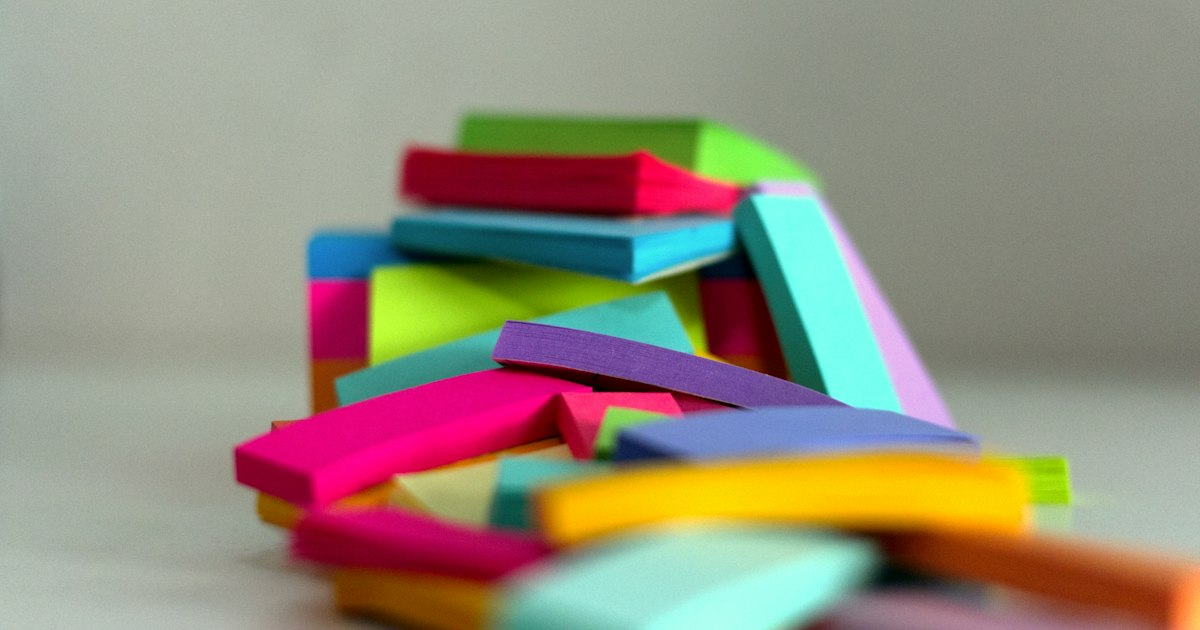
Photo by Kelsy Gagnebin on Unsplash
Tucked into the stationery aisle of almost any Japanese department store is a wall of tiny rubber animals, sushi pieces, and vehicles that come apart like jigsaw puzzles. These are Iwako erasers, and for a certain kind of traveler — the one who leaves Japan with a suitcase of 100-yen shop treasures and no regrets — they’re one of the most addictive, inexpensive souvenirs you can bring home. Here’s what they are, where to actually find good ones, and how to shop for them without wasting money on fakes or loose pieces.
What Makes Iwako Erasers Different
Iwako Co., Ltd. is a Tokyo-based maker that’s been producing novelty erasers since the late 1970s. Its signature trick is the “tsunagi” or puzzle-piece construction: a single eraser — say, a sushi set, a shark, or a fire truck — is molded as several interlocking pieces that pull apart and snap back together. A piece of nigiri separates into rice and fish. A dinosaur splits into head, body, and tail. It’s a simple idea, but the catalog runs into the hundreds of designs across animals, insects, food, vehicles, sports gear, and Japanese cultural motifs like Mt. Fuji or maneki-neko cats.
One honest caveat: these are collector’s items first, erasers second. The soft, colored rubber compound is optimized for shape and color separation, not for rubbing out pencil marks — most Iwako pieces smear graphite more than they lift it. Buy them to display, trade, or stuff into a pencil case for fun, not to replace your actual eraser.
Where to Buy Genuine Iwako in Japan
Iwako erasers are sold individually in small blister packs, in multi-piece boxed sets, and as capsule-toy (gashapon) prizes. The most reliable places to find a wide selection:
- Tokyu Hands and Loft — both chains have large stationery floors in almost every major city, with Iwako displayed near the kids’ stationery or novelty sections. Most branches are open daily roughly 10:00–21:00.
- Sekaido in Shinjuku — one of Tokyo’s biggest stationery stores, with several floors dedicated to pens, paper, and novelty items including a deep Iwako selection.
- Itoya in Ginza — more upscale, but its lower floors stock novelty erasers alongside premium stationery.
- Department store toy and stationery floors (Isetan, Takashimaya, Seibu) — smaller selection but reliably genuine stock.
- Kiddy Land near Omotesando — worth combining with a walk down that boulevard, since the toy floors there often carry seasonal or collaboration eraser sets you won’t see in suburban stores.
Avoid assuming every 100-yen shop (Daiso, Seria) carries the real brand. They sell similar puzzle-style erasers that look the part but are made by different, cheaper manufacturers — fine for a quick, disposable souvenir, but not the same engineering or color quality as genuine Iwako, and they won’t have the “IWAKO” or “JAPAN” stamp on the packaging.
What They Actually Cost
Prices are refreshingly low, which is part of the appeal:
- Budget (¥100–¥150): A single small eraser — one animal, one food item, one vehicle — in a basic blister pack. This is the standard unit price at most stationery stores.
- Mid-range (¥300–¥600): Multi-piece sets, like a sushi platter with five or six pieces, a zoo animal set, or a boxed series of insects.
- Splurge (¥800–¥2,000+): Large boxed collector sets, limited-edition series, or complete thematic collections (a full dinosaur set, a full sushi-bar counter scene) sold in gift-style packaging.
- Gashapon capsules: If you spot Iwako-branded capsule machines, expect ¥200–¥400 per pull, with the design inside randomized — a fun but luck-based way to collect.
Compare this to the gacha-driven randomness of ichiban kuji lottery draws, and Iwako feels downright generous: you know exactly what you’re buying, every time, for less than the price of a coffee.
Best Series to Look For
With hundreds of designs in rotation, a little targeting helps:
- Food sets — sushi, bento, ramen bowls, and dessert sets are the most visually satisfying and the easiest to find year-round.
- Insects and seasonal nature sets — beetles, cicadas, and dragonflies tend to appear more heavily in spring and summer stock, tied to the same seasonal rhythm as kids’ bug-collecting hobbies around Kodomo no Hi (Children’s Day) in early May — a good window to look for koi, samurai helmet, or carp-streamer themed pieces.
- Region- or store-exclusive collaborations — occasionally a shop or region will carry a limited run (a Tokyo landmark set, a specific animal exclusive to one chain). These don’t repeat reliably, so buy on sight rather than planning to “come back later.”
Best Time to Shop and How to Pack Your Haul
There’s no strict “eraser season,” but two windows are worth knowing. New-term stationery stock refreshes heavily in March and April, when Japanese stores restock school supplies ahead of the academic year — new Iwako series often appear alongside pencils and notebooks at this time. Summer (June–August) is the second sweet spot, when insect- and beach-themed sets show up most reliably.
Because the whole appeal is the puzzle-piece construction, loose or already-opened sets scatter easily. Keep boxed sets in their original packaging until you’re home, and if you buy loose pieces from an open display, bag them separately so small parts don’t vanish into the bottom of your backpack. They’re light and not fragile in the breakable sense, so they travel well in a carry-on — just don’t toss them unpacked into a bag with coins or keys, since pieces can snap apart under pressure.
Common Mistakes to Avoid
- Expecting them to erase well. Buy for display and collecting, not for your pencil case’s actual job.
- Buying 100-yen shop lookalikes thinking they’re the real brand. They’re a different product line entirely — cheaper rubber, simpler molds, no Iwako stamp.
- Assuming one store has “everything.” Stock rotates by season and by chain; if you find a design you love, buy it then — it may not be there on a return visit.
- Not checking piece counts before leaving the store. Multi-piece sets are sometimes displayed open for sampling; make sure the sealed pack you’re buying has all its parts.
If you enjoy Japan’s other small-scale collecting cultures — the precision-engineered claw grabs at UFO catcher arcades or the surprise-box thrill of ichiban kuji — Iwako erasers are the low-stakes, low-cost entry point: no skill required, no luck involved, just a shelf full of tiny rubber sushi waiting to be picked apart and put back together.