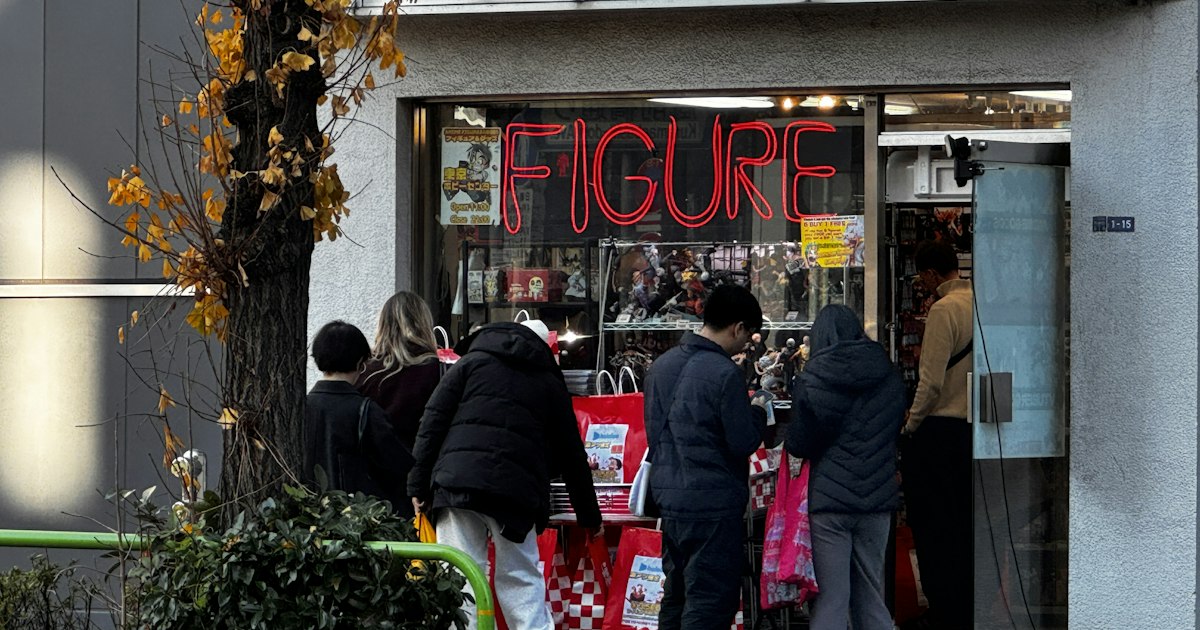
If you’ve ever walked past a Lawson convenience store in Japan and seen a cardboard drum covered in Demon Slayer or One Piece artwork near the register, you’ve found an Ichiban Kuji (一番くじ) display. It’s Japan’s most popular lottery-style merchandise draw, and unlike claw machines or gacha capsules, every single ticket wins a prize. Here’s how the system actually works, where to find it, and how to avoid the mistakes that trip up first-time players.
What Is Ichiban Kuji?
Ichiban Kuji is produced mainly by Bandai Spirits and sold in limited “runs” tied to a specific anime, manga, or game franchise — think My Hero Academia, Chainsaw Man, Dragon Ball, or Sanrio characters. Each run has a fixed number of tickets, usually around 70 to 80, divided into prize tiers labeled A, B, C, and so on down to lower-value tiers of smaller goods like keychains, clear files, or mugs. The A prize is typically a large, detailed figure; lower letters get progressively smaller items.
The key appeal is that there are no blank or “lose” tickets — every draw guarantees you something. There’s also a special “Last One Prize” (ラストワン賞): whoever draws the final ticket in that store’s box automatically receives an upgraded bonus item, often a limited-color variant of the A prize that isn’t otherwise available. Because stock is finite and split across locations, popularity and luck both matter — a hot franchise can sell out its allocation at a given Lawson within hours.
Where to Buy It: Lawson and the Loppi Kiosk
Lawson convenience stores are the most common place to find Ichiban Kuji in physical form, though not every branch carries every release — smaller or rural stores may skip popular runs entirely, while flagship stores in anime-heavy neighborhoods get full allocations. You’ll also find Ichiban Kuji at hobby shops like Animate, Gee! Store, and Bandai’s official Ichiban Kuji stores in Akihabara and Ikebukuro.
Loppi is the orange multimedia kiosk terminal inside Lawson stores, originally built for ticket sales and bill payments. For some Ichiban Kuji campaigns — especially ones with high demand — Lawson runs the draw through Loppi or through its online shop (often called “Ichiban Kuji Online”) rather than a physical drum. In that case, you register on the terminal or website, pay for your ticket(s), and the system randomly assigns your prize; you then collect it at the counter or have it shipped. This online/Loppi format is useful for travelers because you can sometimes enter from outside the store during a set reservation window, rather than racing other shoppers to a dwindling physical box.
How to Play at a Physical Store
- Find the display box or poster near the Lawson checkout counter advertising the current Ichiban Kuji series.
- Tell the cashier which series you want and how many draws — most tickets cost between ¥600 and ¥800 each (some premium franchise runs reach ¥900).
- Pay at the register, then draw a numbered stick or ticket from the sealed box yourself.
- Hand the ticket back to staff, who match the number to a prize shelf behind the counter and hand you the corresponding item, still boxed.
Staff rarely speak much English, but the process is visual and transactional enough that pointing at the poster and holding up fingers for ticket count works fine.
Prices and Prize Tiers: Budget, Mid-Range, and Splurge
For a casual try, budget around ¥1,500–¥2,000 for two or three draws — enough to walk away with a small item like a rubber strap or acrylic stand even if you don’t land a top tier. Mid-range players often buy five to ten tickets (roughly ¥3,500–¥7,000) to improve their odds of a mid-tier figure. For serious collectors chasing the A prize, “box buying” (箱買い, hakogai) — purchasing every remaining ticket in a store’s box — guarantees both the A prize and the Last One bonus, but can run ¥40,000–¥60,000 or more depending on how many tickets are left and the retail price per draw. This is really only practical if you’ve found a store with just a handful of tickets remaining in a desirable series.
Best Season and Timing
New Ichiban Kuji series typically launch on a set date (often announced weeks ahead on Bandai’s official site) and run until stock sells out, which can take anywhere from a few days to a couple of months. Hugely popular series tied to currently-airing anime seasons sell out fastest — weekday mornings right after a new series drops see the least competition, since weekends and evenings draw bigger crowds in otaku districts. If you’re building a Japan trip around toy and figure hunting, pair this with a stop in Akihabara or Ikebukuro, and consider basing yourself nearby; the business hotel chains compared here are a practical, affordable way to stay walking distance from both neighborhoods.
Common Mistakes to Avoid
- Assuming every Lawson has it. Allocation varies store by store — check Bandai’s official Ichiban Kuji website for a store locator before making a special trip.
- Confusing Ichiban Kuji with gacha capsule toys or claw machines. They’re different systems with different odds; if you’re also curious about Japan’s claw machine scene, see our guide to UFO Catchers and how to win at them.
- Not checking the box’s remaining stock. Some stores display a sheet showing which letters have already been claimed — if all the high tiers are gone, you’re only playing for small goods, so ask or look before buying.
- Forgetting figures are bulky and boxed. A prizes can be large, fragile, and difficult to pack for the flight home — plan your luggage space, or look into shipping services at the store or a nearby parcel counter.
- Treating it like gambling you can “beat.” It’s designed as a fun merchandise draw, not a strategy game — if you enjoy the thrill of chance-based entertainment more broadly, our guide to pachinko parlors covers Japan’s other major chance-based pastime, though the money stakes there are much higher.
Taking Your Prizes Home
Most prizes come in a sealed outer box that protects the figure or goods inside — keep it intact if you plan to resell or display it unopened, since collectors often pay a premium for unopened “mint” boxes. If you’ve won several large items and are worried about suitcase space, Japanese post offices and convenience stores (including Lawson itself) offer international shipping services like EMS, which can be a cheaper and safer option than checked luggage for delicate figures. Either way, Ichiban Kuji makes for one of the most distinctly Japanese souvenirs you can bring home — not a tourist trinket, but something you drew, won, and can only get this particular way.