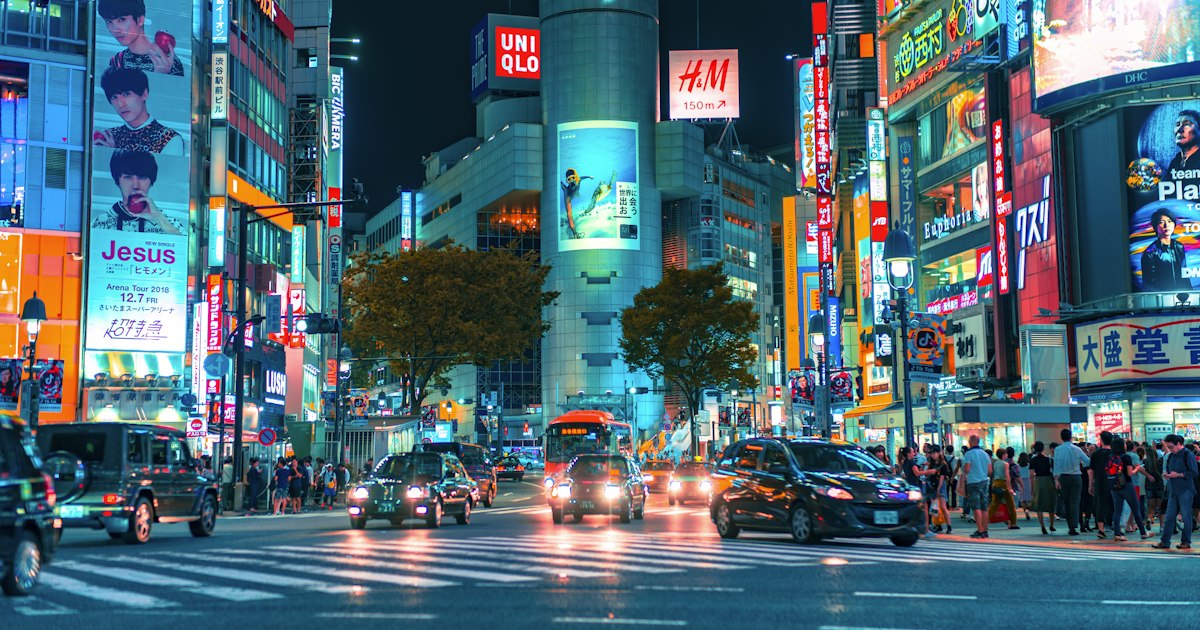
Photo by Jezael Melgoza on Unsplash
Ten years ago, Kiyosumi-Shirakawa was a quiet, canal-laced corner of Koto Ward known mostly for its lumberyards and one classical Edo-period garden. Then, in February 2015, Blue Bottle Coffee chose it for its first café outside the United States, and the neighborhood quietly became the epicenter of Tokyo’s specialty coffee scene. Today it’s one of the few areas in the city where you can spend a morning wandering between serious roasters, sit in a 17th-century strolling garden, and barely see another tourist. Here’s how to do it properly.
Getting There
Kiyosumi-Shirakawa Station is served by the Tokyo Metro Hanzomon Line and the Toei Oedo Line. From Otemachi it’s a direct ride of about 10–12 minutes on the Hanzomon Line; from Shinjuku, the Oedo Line takes roughly 25–30 minutes. If you’re coming from Asakusa or the Tokyo Skytree area, it’s also an easy one-transfer trip via Monzen-nakacho on the Tozai Line, and you can walk the 15–20 minutes between the two stations past Tomioka Hachimangu Shrine if the weather’s good. The neighborhood itself is flat and compact — almost everything worth seeing sits within a 10-minute walk of the station, so you don’t need taxis or buses once you arrive.
Why Coffee Roasters Picked This Neighborhood
Kiyosumi-Shirakawa’s appeal to roasters was practical before it was aesthetic: cheap warehouse space, wide streets for delivery trucks, and proximity to central Tokyo without central Tokyo rents. Blue Bottle’s arrival (its Japan roastery and café sit a few minutes from Kiyosumi Teien) drew international attention, and New Zealand’s Allpress Espresso opened its Tokyo roastery here the year before, in a converted garage with roasting equipment visible from the communal seating. A cluster of independent roasters followed, and the area is now informally known among Tokyo coffee people as a pilgrimage site — low-key, unpretentious, and still mostly residential in character.
The Best Cafés to Visit
- Blue Bottle Coffee Kiyosumi-Shirakawa — The original Japan location, in a converted warehouse with high ceilings and minimalist seating. Pour-over coffee runs roughly ¥600–700; expect a line on weekend mornings. Generally open 8:00–19:00.
- Allpress Espresso Tokyo Roastery — Espresso drinks around ¥450–550, plus toast and pastries. The roastery itself is the draw: you can watch green beans being roasted a few meters from your table.
- ARiSE Coffee Roasters — A tiny storefront near the station with rotating single-origin beans and takeaway cups, popular with locals rather than tourists.
- Cream of the Crop Coffee — A compact space known for carefully sourced beans and friendly, English-capable staff.
None of these are large; most seat well under 30 people, and several close as early as 18:00 or take an irregular weekday off, so don’t plan a late-afternoon café crawl without checking hours that day. If you’d rather compare this hand-poured scene against Japan’s other everyday coffee culture, it’s worth reading about convenience store coffee in Japan — the ¥100 machine brew at Lawson or 7-Eleven is the exact opposite experience, and both are worth having in the same trip.
Kiyosumi Teien: The Garden That Gives the Area Its Name
Kiyosumi Teien is a strolling garden built around a large pond, originally developed in the late 17th century and later expanded by the Iwasaki family (founders of Mitsubishi) in the Meiji era. Admission is ¥150 for adults, ¥70 for seniors 65 and over, and free for elementary-school-age children and younger. It’s open 9:00–17:00 (last entry 16:30) and closed December 29–January 1. The garden’s rock collection — stones gathered from famous quarries across Japan and arranged along the pond’s edge — is its most distinctive feature, and the view across the water toward the central island is especially good in the early morning before tour groups arrive. Autumn foliage (mid-November to early December) and spring are the best seasons; summer is quieter but hot and humid, with fewer visitors.
If you want a more formal, ceremonial introduction to Japanese tea culture rather than just a nice garden to sit in, see our guide to tea ceremony experiences in Kyoto and Tokyo — several bookable sessions run in central Tokyo and pair naturally with a coffee-and-garden day like this one.
Beyond Coffee and Garden
The Fukagawa Edo Museum, a short walk from the garden, recreates a 19th-century Fukagawa streetscape indoors — tatami rooms, a reconstructed well, and shopfronts you can walk through. Admission is around ¥400 for adults, and it’s closed on the second and fourth Monday of the month (check the current schedule before going, since closures shift around holidays). Tomioka Hachimangu Shrine, about 15 minutes away toward Monzen-nakacho, hosts one of Tokyo’s largest annual festivals (Fukagawa Hachiman Matsuri) in mid-August and is worth combining with a Monzen-nakacho lunch stop if you’re walking between the two stations.
Common Mistakes to Avoid
- Treating it as an Asakusa/Skytree add-on. It’s connected by train but not genuinely walkable in a “quick detour” sense — budget it as its own half-day, not a 20-minute stop.
- Going on a Monday. Some cafés and the Edo Museum take irregular or fixed Monday closures; always check the specific day you’re planning before you go.
- Expecting big-city café hours. Several of the best roasters close by 18:00 or 19:00 and have limited seating — this is not a late-night neighborhood.
- Skipping the garden because “it’s just coffee shops now.” Kiyosumi Teien is a genuinely good garden independent of the coffee scene, and the ¥150 entry fee is one of the cheapest worthwhile sights in Tokyo.
Budget, Mid-Range, and Splurge
On a budget, a garden ticket (¥150) plus a drip coffee at ARiSE or Cream of the Crop (around ¥450) covers a satisfying morning for well under ¥1,000. For a mid-range visit, add the Fukagawa Edo Museum (¥400) and a pour-over plus pastry at Blue Bottle or Allpress (¥1,000–1,500 total). To splurge, look for seasonal cupping or brewing workshops that the roasters occasionally run (announced on their own social media rather than listed permanently), or combine the trip with a formal tea ceremony booking elsewhere in the city for a fuller contrast between Japan’s oldest and newest approaches to a hot drink. Either way, this is one of the few Tokyo neighborhoods where ¥2,000–3,000 buys a genuinely complete, uncrowded day. For a different flavor of local Tokyo neighborhood — heavier on izakaya and nightlife than coffee and gardens — see our guide to Sangenjaya, and for upscale shopping and architecture, Omotesando makes a good contrast on the other end of the city.