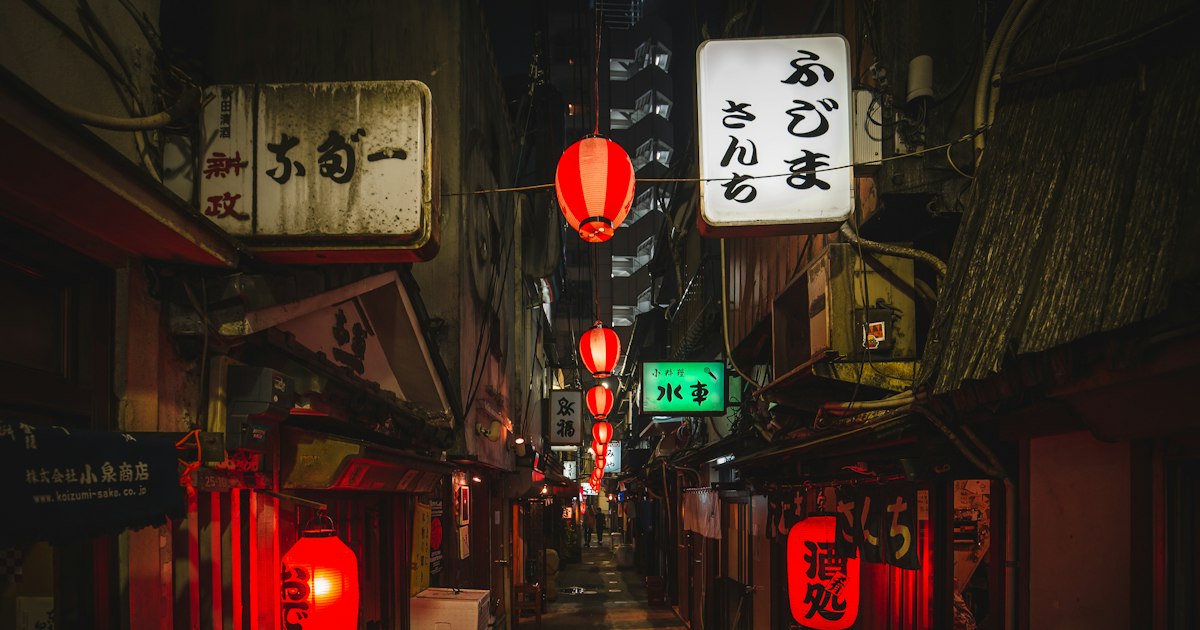
Photo by Denys Nevozhai on Unsplash
Omotesando is the broad, zelkova-lined boulevard connecting Harajuku to Aoyama, and it’s as much an open-air architecture museum as it is a shopping street. Luxury flagships designed by Tadao Ando, Herzog & de Meuron, and Toyo Ito line the main avenue, while the backstreets hide tiny boutiques, cafés, and galleries that most first-time visitors walk right past. Here’s how to actually spend a few hours here without just window-shopping brands you can find at home.
Getting There and Getting Oriented
The easiest approach is Tokyo Metro’s Omotesando Station (Chiyoda, Ginza, and Hanzomon lines) — exit A2 puts you right at the base of the boulevard. Alternatively, walk from Harajuku Station (JR Yamanote Line) down Omotesando itself, which takes about 10 minutes and lets you see the street unfold gradually. The main avenue runs roughly 1.2 km from the Harajuku end down to Aoyama-dori, with the famous Omotesando Hills complex sitting about two-thirds of the way down. Budget at least 2-3 hours if you want to browse both the main street and the side alleys (Ura-Harajuku and Cat Street run parallel and are where a lot of the interesting independent shops are).
The Architecture Worth Stopping For
Even if you don’t buy anything, it’s worth slowing down to look up. Tadao Ando’s Omotesando Hills (built on the site of the old Dojunkai Aoyama Apartments) uses a sloped internal spiral ramp instead of stairs — walk the full loop inside even if you’re not shopping. The Prada Aoyama building by Herzog & de Meuron, a few minutes further toward Aoyama-dori, has a distinctive diamond-shaped glass-and-concrete lattice facade that’s one of the most photographed buildings in the neighborhood. Dior’s building, designed by SANAA, uses a translucent white screen that glows at night. None of these require entry to appreciate from outside, so it’s a good 20-30 minute detour even on a tight schedule.
Where to Shop by Budget
Budget (under ¥5,000 per item): Head to Takeshita Street near Harajuku Station for youth fashion, crepes, and cheap accessories, or duck into Cat Street for skate and streetwear brands with more reasonable price points than the main boulevard. Kiddy Land, a multi-floor character goods store on Omotesando itself, is a reliable stop for Studio Ghibli, Sanrio, and Snoopy merchandise in the ¥1,000-3,000 range.
Mid-range (¥5,000-30,000): Omotesando Hills has around 100 shops spanning Japanese and international mid-tier brands, plus a basement food floor. Aoyama also has several good select shops (multi-brand boutiques curating both Japanese and international labels) in this price bracket, often with better service and less crowding than the flagships.
Splurge: The stretch between Omotesando Hills and Aoyama-dori is lined with flagship stores for Louis Vuitton, Chanel, Dior, Prada, and Tod’s, many of which stock Japan-exclusive colorways or limited collaborations not available elsewhere. If you’re building out cold-weather or outdoor gear while you’re in the area, Aoyama also has flagship stores for several of Japan’s outdoor and camping brands — see our guide to Snow Peak and Japan’s outdoor gear brands if that’s on your list.
Hours and When to Go
Most shops open between 10:00 and 11:00 and close around 20:00-21:00; Omotesando Hills runs 11:00-21:00 (restaurants until 23:00). The street is noticeably quieter on weekday mornings — arrive by 10:30 on a Tuesday or Wednesday and you’ll have the architecture and most boutiques nearly to yourself. Weekends, especially Sunday afternoons, bring heavy foot traffic and the occasional closure of the main road to vehicle traffic, which is pleasant for walking but crowded for browsing inside stores. Early December through early January, the zelkova trees are strung with illuminations that make for one of Tokyo’s best free nighttime displays — worth a return visit after dark even if you shopped the street earlier in the day.
Common Mistakes to Avoid
- Treating it as a half-day trip without side streets. The main boulevard is the architecture tour; the real shopping discoveries are one block off it, especially in the grid of streets behind Omotesando Hills and along Cat Street.
- Expecting tax-free shopping everywhere. Not every boutique processes tax-free purchases on-site — some route you to a central counter, and the ¥5,000 minimum spend (before tax) per store per day still applies. Bring your passport.
- Visiting during Golden Week or peak cherry blossom season without a plan. Omotesando connects directly to Harajuku, one of Tokyo’s most crowded areas during these periods — expect slow walking pace and long waits at popular cafés.
- Skipping the food floor at Omotesando Hills. The basement level has solid, reasonably priced options if you want a break from browsing without leaving the complex.
Pairing It with the Rest of Your Day
Omotesando sits conveniently between Harajuku’s Takeshita Street scene and Shibuya, so it works well as a midday stop on a walking route between the two. If you’re staying nearby and want a practical, no-frills base, Tokyo has plenty of reliable options — see our comparison of business hotel chains in Japan for a sense of what to expect at different price points. And if you need to get across town afterward, it’s worth knowing when a taxi makes more sense than the subway, particularly late in the evening after the illuminations.